

William IV Chairs
William iv chairs bring solid nineteenth-century proportions and carved mahogany frames to formal dining rooms and libraries.
William IV Chairs
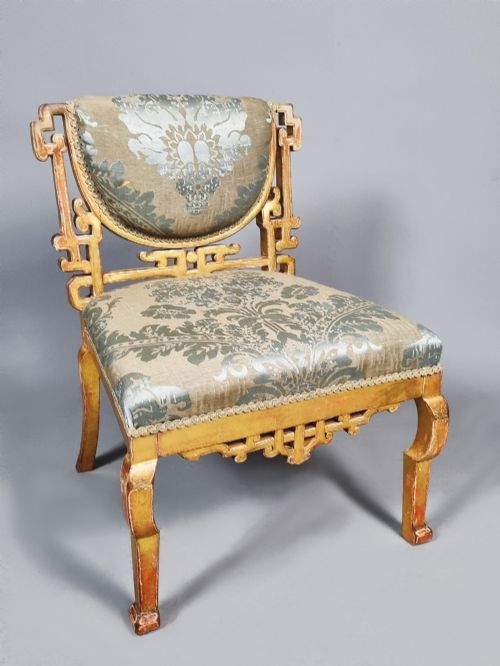
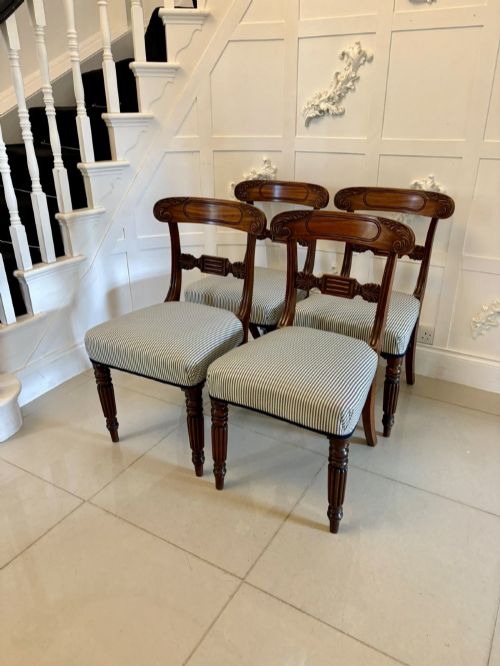
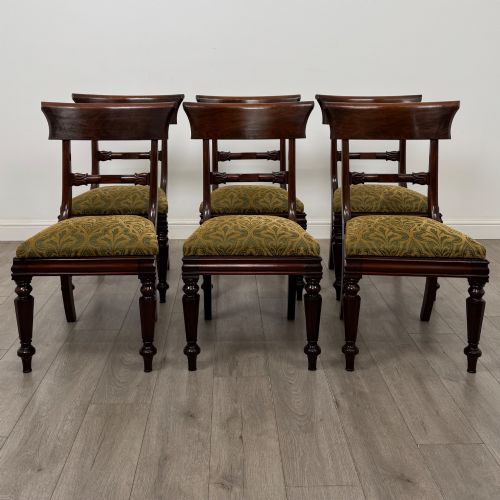
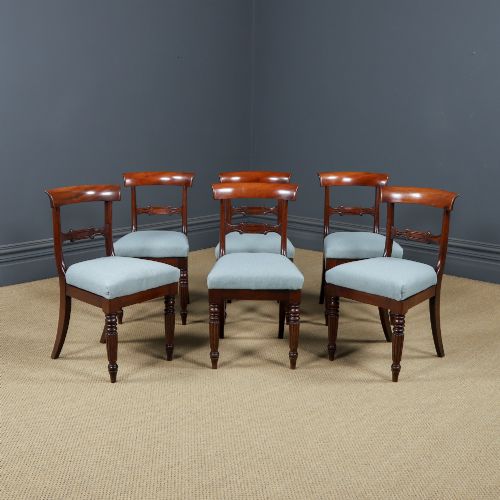
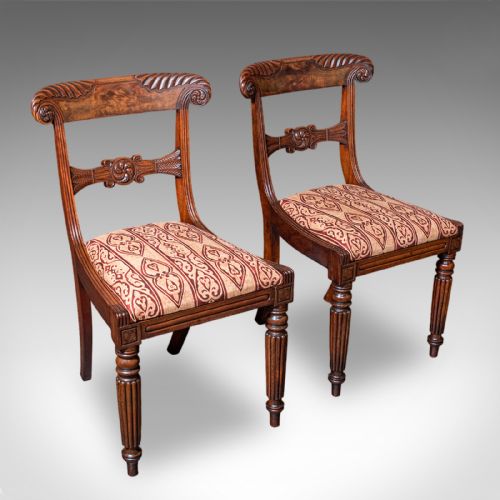
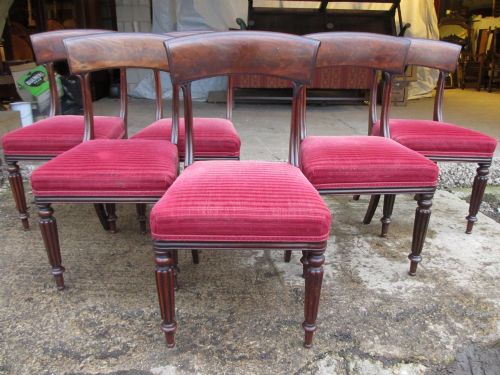
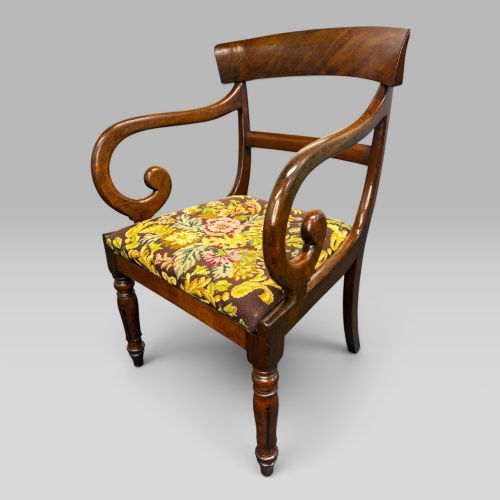
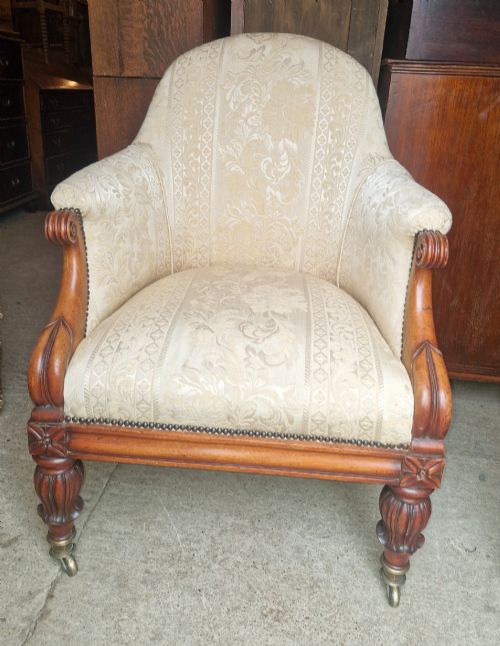
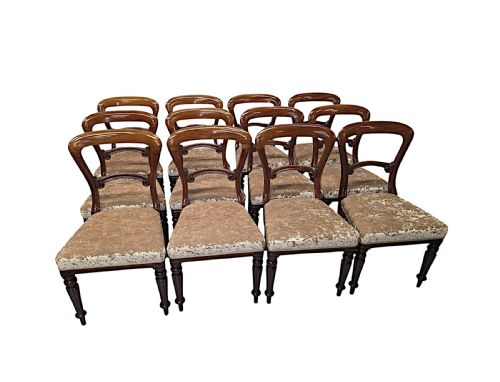
William iv chairs cover a diverse group of nineteenth-century seating, most frequently encountered as matching sets of dining chairs or individual library armchairs. Buyers searching for william iv chairs usually find sturdy mahogany frames featuring characteristic bar backs, scroll details, and heavy turned legs.
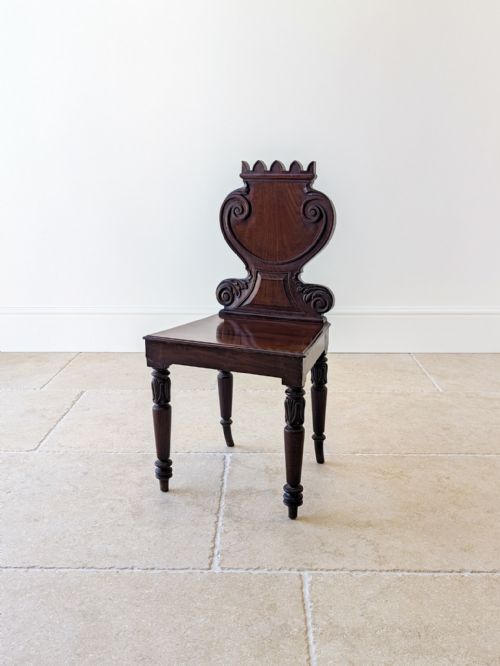
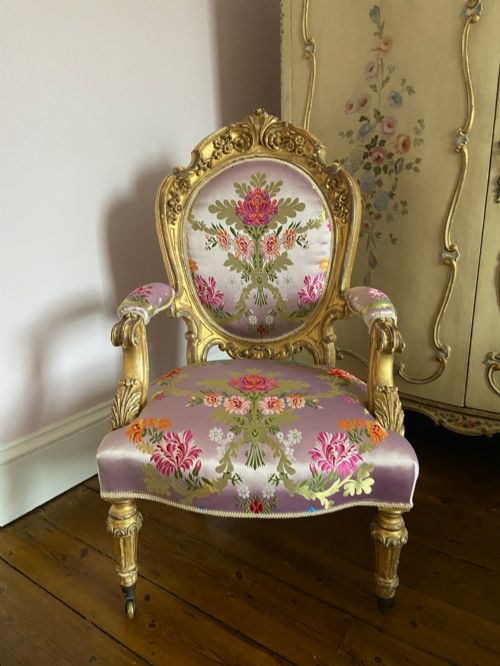
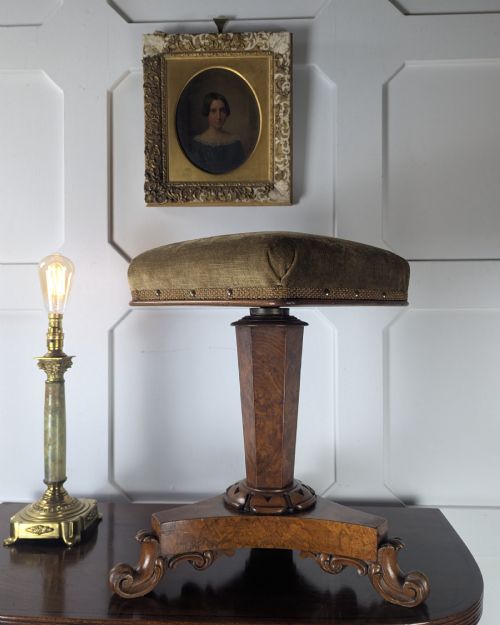
Beyond standard dining seats, the archive and current listings show hall chairs, piano stools, and occasional elbow chairs designed for reception rooms. These pieces bridge the transition between late regency restraint and early victorian elaboration.
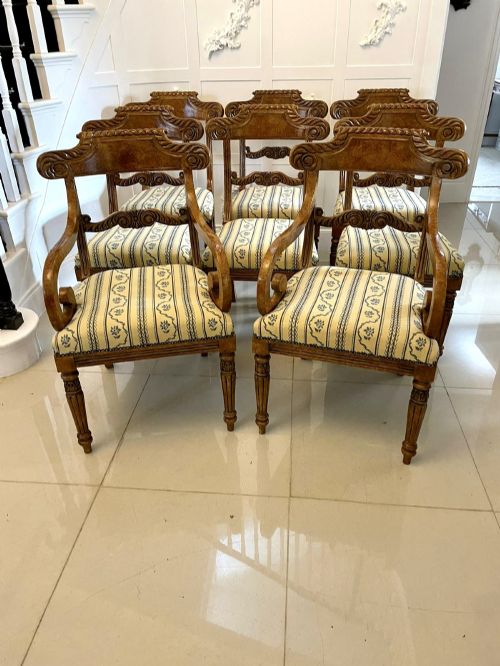
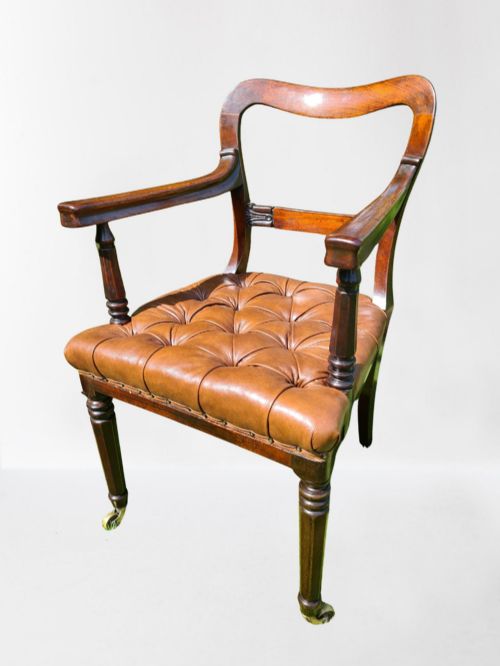
Sets appear in various configurations, from modest pairs of side chairs up to large groups of twelve dining seats. Single armchairs also surface frequently, often featuring upholstered leather pads or open armrests.
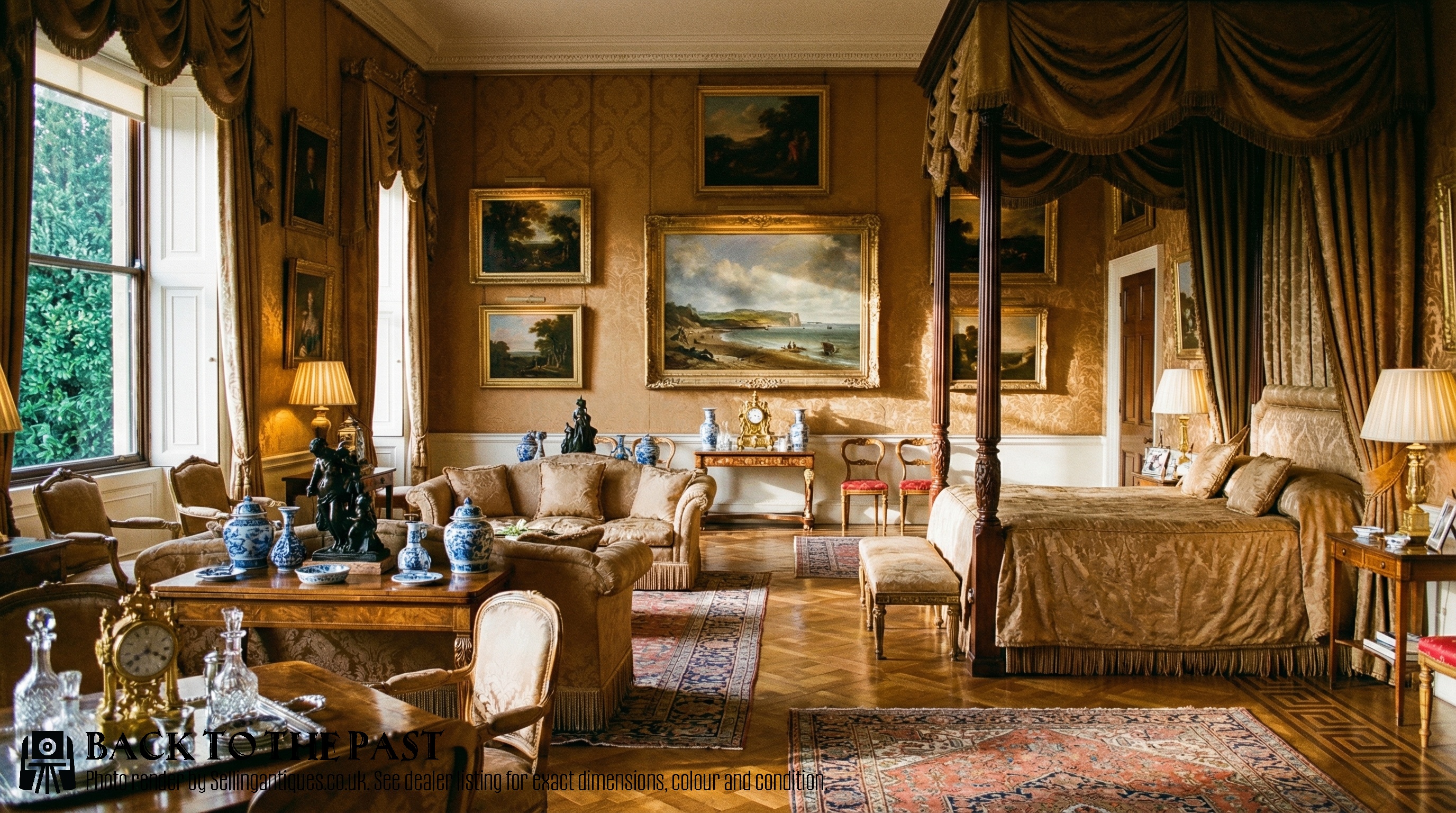
How They Were Made
Makers relied primarily on dense timbers such as mahogany and rosewood, occasionally utilising walnut or satin birch for specific decorative commissions. Timber selection dictated the weight of the frame and permitted deep, robust carving on the crest rails and front legs.
Upholstered versions incorporated traditional stuffing materials beneath fabric, velvet, damask, or buttoned leather surfaces. Frames frequently utilised sturdy joinery methods, supplemented by brass casters on heavier library and reading chairs.
William IV Chairs Retail Price Guide 2026
Typical asking prices for william iv chairs among the pieces listed under this phrase on Sellingantiques today, from the lower quarter to the upper quarter. They describe what is for sale here now, not the wider market.
A chapel organist needed a dedicated walnut music riser to survive long Sunday services.
What Varies In Quality
The distinction between standard examples and top-tier workshop output rests on timber selection and the crispness of the hand carving. Finer sets display deeply figured mahogany veneers, harmonious grain matching across all pieces, and substantial framing timbers that resist structural movement.
Attribution to notable cabinet-making workshops elevates certain dining sets above standard commercial production. The depth of relief work on bar backs and the integration of secondary woods reveal the original maker's investment of time and skill.
Gillows
The William IV Chairs Glossary
- Bar back
- A horizontal tablet or rail across the upper backrest, often curved for lumbar support. This feature dominates nineteenth-century dining seat design.
- Carver
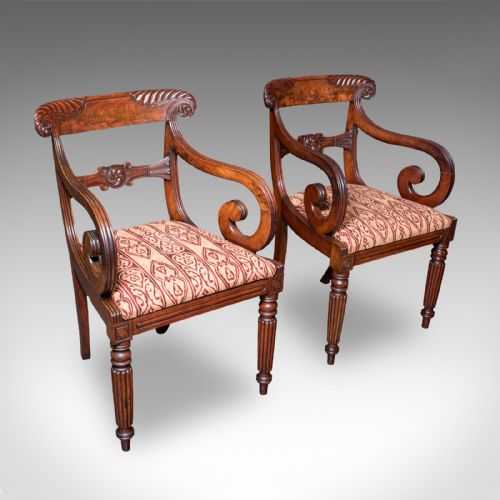
- An armchair designed to match a set of dining side chairs, usually positioned at the head of a dining table. These pieces feature functional armrests.
- Reclining chair
- A seating form equipped with adjustable mechanical hinges or ratchet backs. These allowed nineteenth-century occupants to alter their posture for reading or resting.
- Chaise longue
- An elongated upholstered seat intended for reclining, combining a chair back with an extended footrest. These pieces frequently appear in rosewood or mahogany.
William IV Chairs: Frequently Asked Questions
How do I identify william iv chairs?
Look for heavy proportions, tapering or fluted forelegs, and characteristic carved bar backs or scroll motifs. Mahogany is the predominant wood, often showing deep reddish-brown patination.
Compare the construction details and timber quality against standard nineteenth-century manufacturing norms to confirm the period.
Were these chairs used for dining?
The majority of matching sets functioned around large dining tables in country houses and town residences. Sturdy frames suited the heavy daily use of formal dining.
Smaller side chairs and single armchairs served distinct roles in halls, libraries, and morning rooms.
Can I mix armchairs with side chairs?
Period dining sets frequently combined a pair of arm carvers with several matching side chairs. This traditional arrangement places the larger seats at the table ends.
Matching timber and carved details ensure visual cohesion across mixed groupings.
What upholstery materials are correct?
Original seating utilised horsehair stuffing beneath durable textiles like leather, damask, velvet, or woven horsehair fabric. Regency stripes and plain wools also appear frequently on surviving examples.
Many pieces have undergone reupholstery over time to preserve their functional condition.