
William IV Rosewood Furniture
William IV rosewood furniture brings rich timber tones and sculptural nineteenth-century forms into a room.

William IV Rosewood Furniture
William IV rosewood furniture comprises tables, bookcases, cabinets and stands produced during the nineteenth century, capturing the transition from Regency elegance to early Victorian solidity. Buyers seek these pieces for their dense tropical grain, substantial proportions and sophisticated carving.
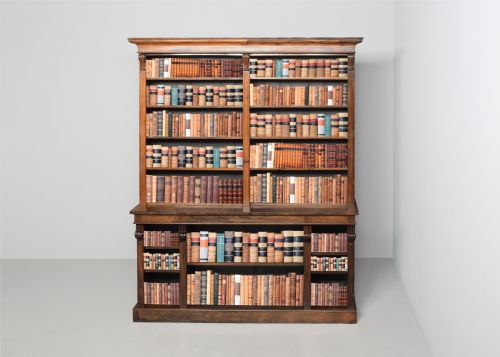
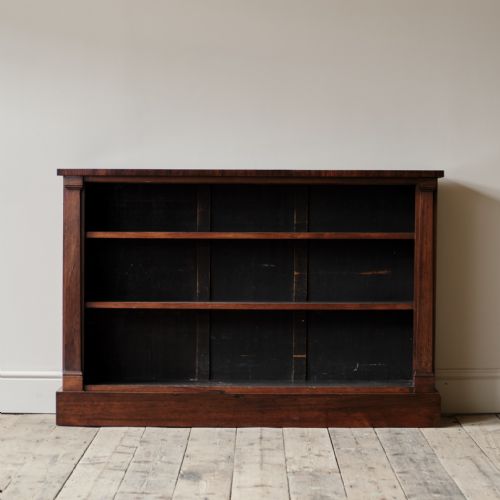
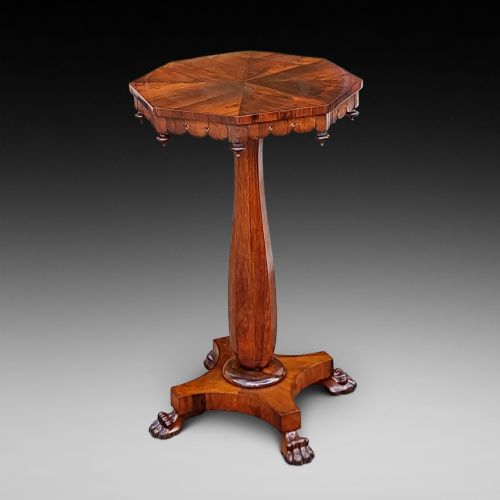
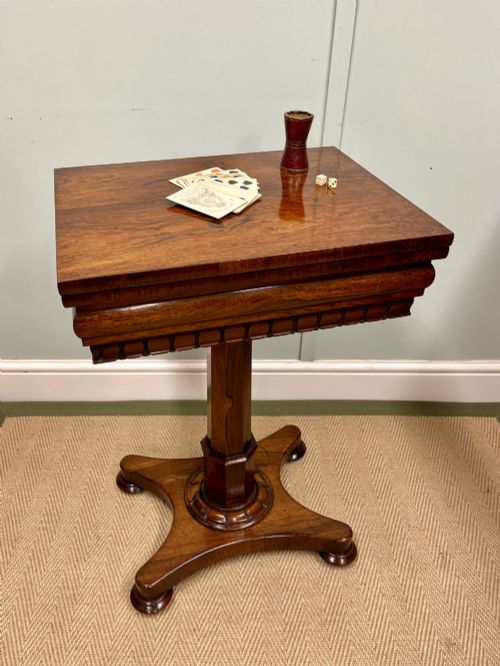
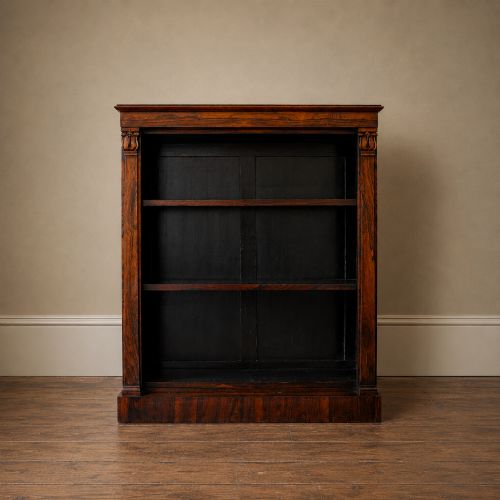
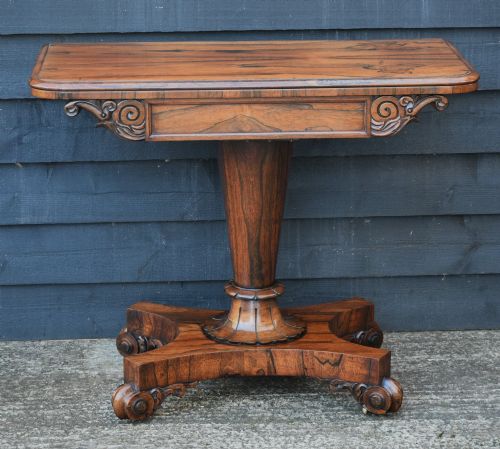
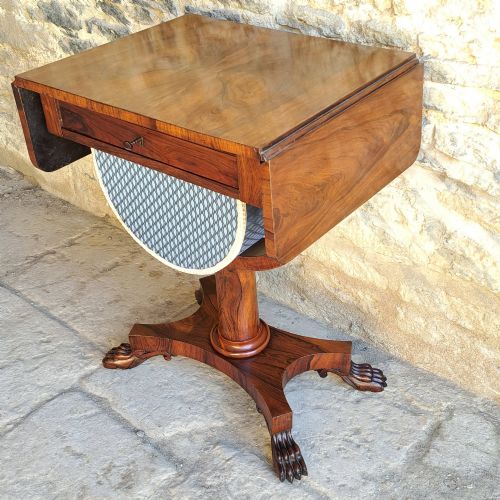
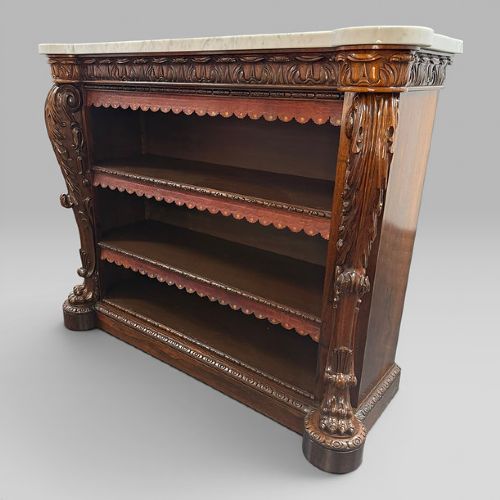
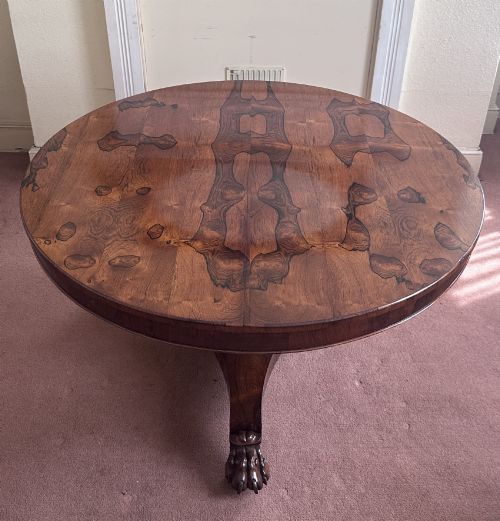
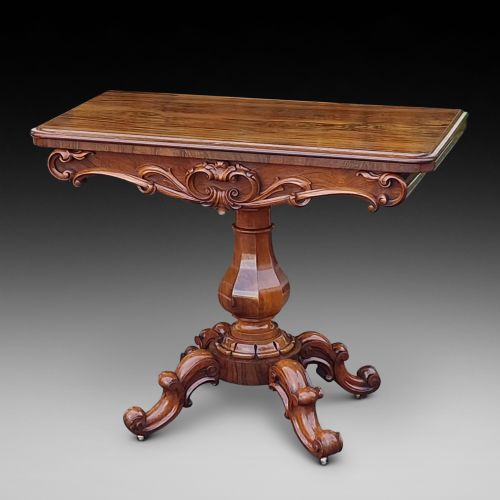
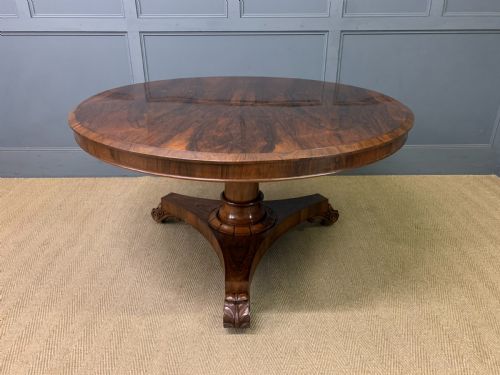
The pieces most frequently met on this page include open bookcases, fold-over card tables, breakfast centre tables and occasional side tables. Many examples date from the 1830s, displaying characteristic architectural scrollwork and heavy pillar supports.
How they were made
Cabinet makers utilised dense rosewood timbers, often applied as fine veneers over sturdy secondary woods to create deep, figured surfaces. Brass inlay, glass panels and leather inserts frequently supplemented the timber construction.
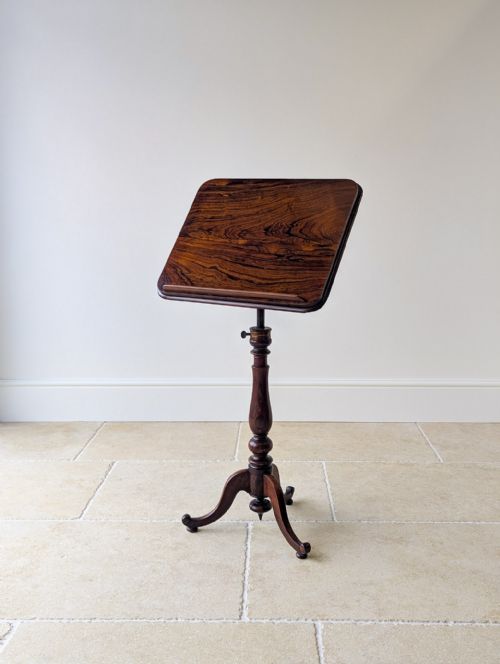
Structural stability relied on robust joinery combined with heavy turned pedestals, carved tripod bases and adjustable shelving mechanisms for bookcases.
William IV Rosewood Furniture Retail Price Guide 2026
Typical asking prices for william iv rosewood furniture among the pieces listed under this phrase on Sellingantiques today, from the lower quarter to the upper quarter. They describe what is for sale here now, not the wider market.
Listings feature extensive seating and display pieces in rosewood alongside mahogany, brass and leather highlights.
What varies in quality
Quality rests upon the selection of timber figures, the crispness of hand-carved details such as scrolls and foliage, and the integrity of the underlying construction. Superior pieces maintain balanced proportions and harmonious secondary wood choices.
Makers known for exceptional joinery elevate certain items through refined brasswork details and sophisticated mechanical functions like telescopic actions or pivoting tabletops.
Gillows
The William IV Rosewood Furniture Glossary
- Rosewood
- A dense, heavily grained tropical timber prized for its dark purple-brown colour and rich figuring. It forms the primary visible surface on these cabinets and tables.
- Card Table
- A folding table designed for gaming or social evenings, featuring a baize-lined interior surface when opened. These typically swivel on a central pedestal or feature hinged rear legs.
- Canterbury
- A low, freestanding rack divided into partitions for holding sheet music, books or magazines. They often incorporate a small drawer below the main compartment.
- Tilt-Top
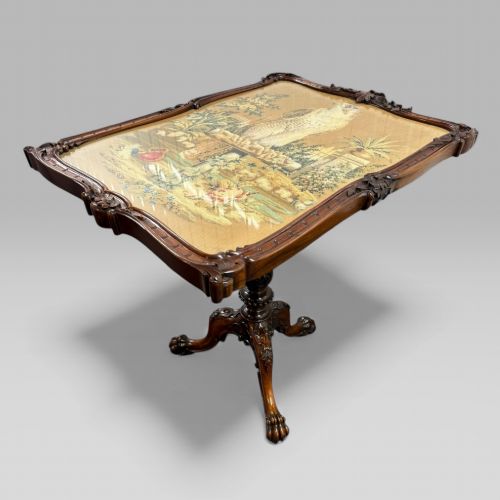
- A mechanism allowing a table top to pivot vertically for storage against a wall when not in use. This clever design saves space in domestic interiors.
- Whatnot
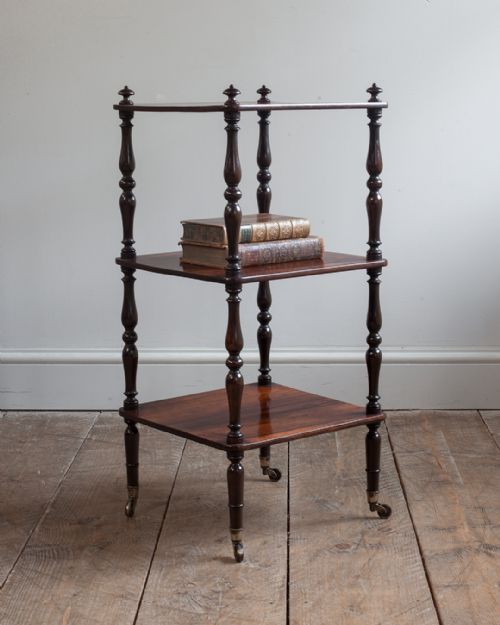
- A set of open shelves supported by slender upright pillars, used for displaying ornaments or holding books. They range from small tabletop versions to tall corner units.
William IV Rosewood Furniture: Frequently Asked Questions
What is a rosewood tea poy?
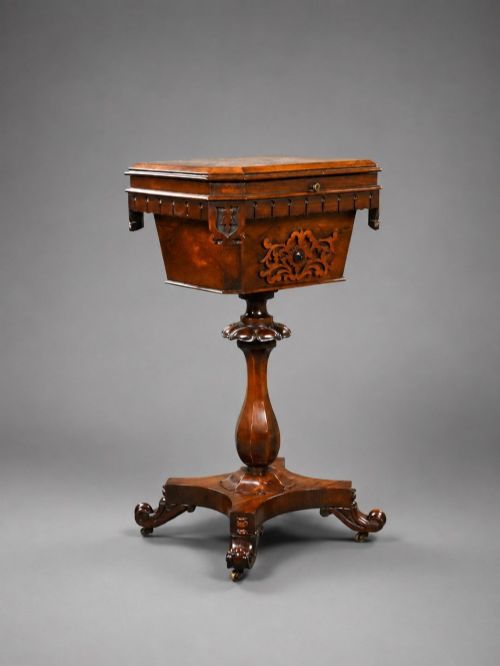
A tea poy is a small lidded caddy or stand designed to hold loose tea leaves, often fitted with internal compartments and mixing bowls. They sit on central pedestals similar to occasional tables.
In period interiors, these items stood in drawing rooms where the host prepared tea for guests. The lockable compartments protected expensive imported tea.
How do I care for rosewood furniture?
Rosewood surfaces require minimal intervention, needing only occasional dusting with a dry lint-free cloth and protection from direct sunlight and heat sources. Maintaining stable indoor humidity prevents timber splitting.
Avoid using modern silicone sprays or heavy waxes that build up over time. Natural beeswax preserves the depth of the timber grain.
Where were these pieces used?
These items belonged in principal rooms of substantial nineteenth-century houses, including libraries, drawing rooms, dining spaces and morning rooms. Bookcases and library tables furnished study spaces.
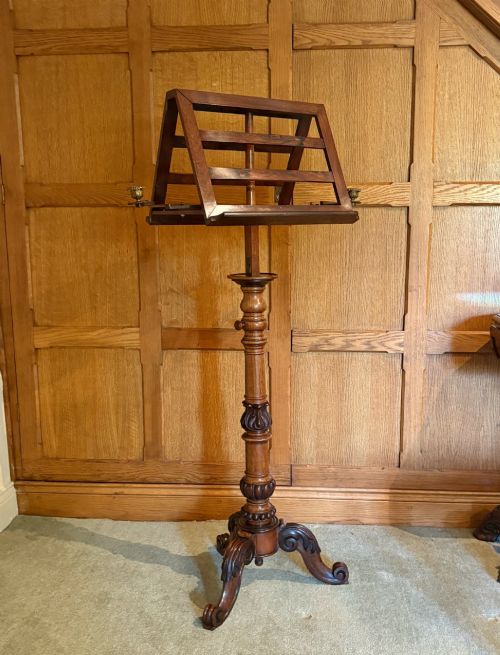
Smaller pieces like sewing tables, jardiniere stands and music stands populated drawing rooms to support leisure pursuits.