





Antique Rosewood Canterbury
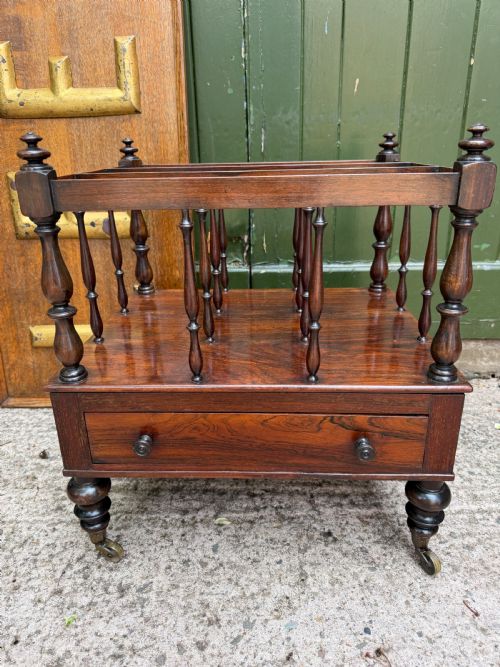
An antique rosewood canterbury is a compartmentalised stand designed to hold sheet music, newspapers, and periodicals, bringing elegant utility to a period interior.
Antique Rosewood Canterbury
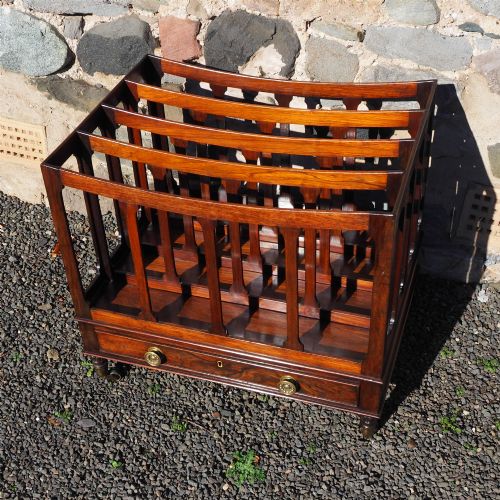
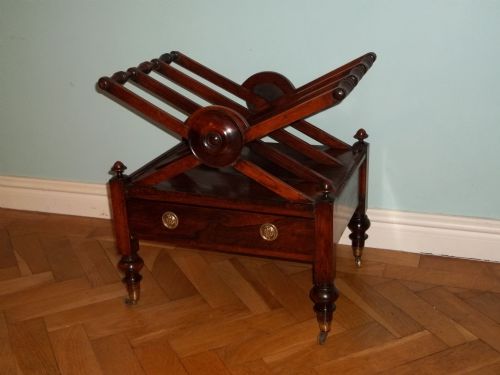
The antique rosewood canterbury is a distinct form of compartmentalised furniture intended for holding sheet music, newspapers, and portfolios. When searching for an antique rosewood canterbury, buyers encounter various formats ranging from low multi-division racks to larger pieces combined with drawers or shelves.
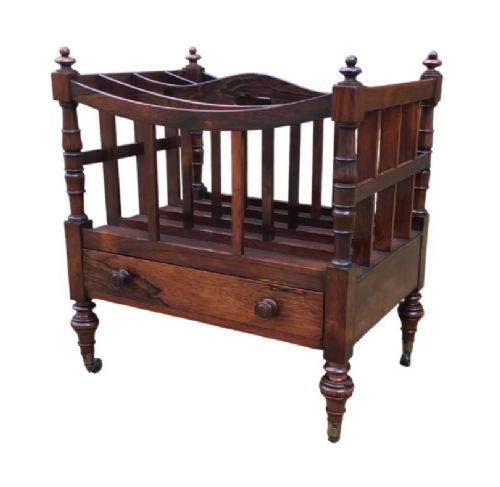
Most examples found in these records belong to the Regency, William IV, and Victorian periods. These pieces frequently feature slated or railed dividers supported by slender uprights, occasionally incorporating a low drawer in the base for smaller items.
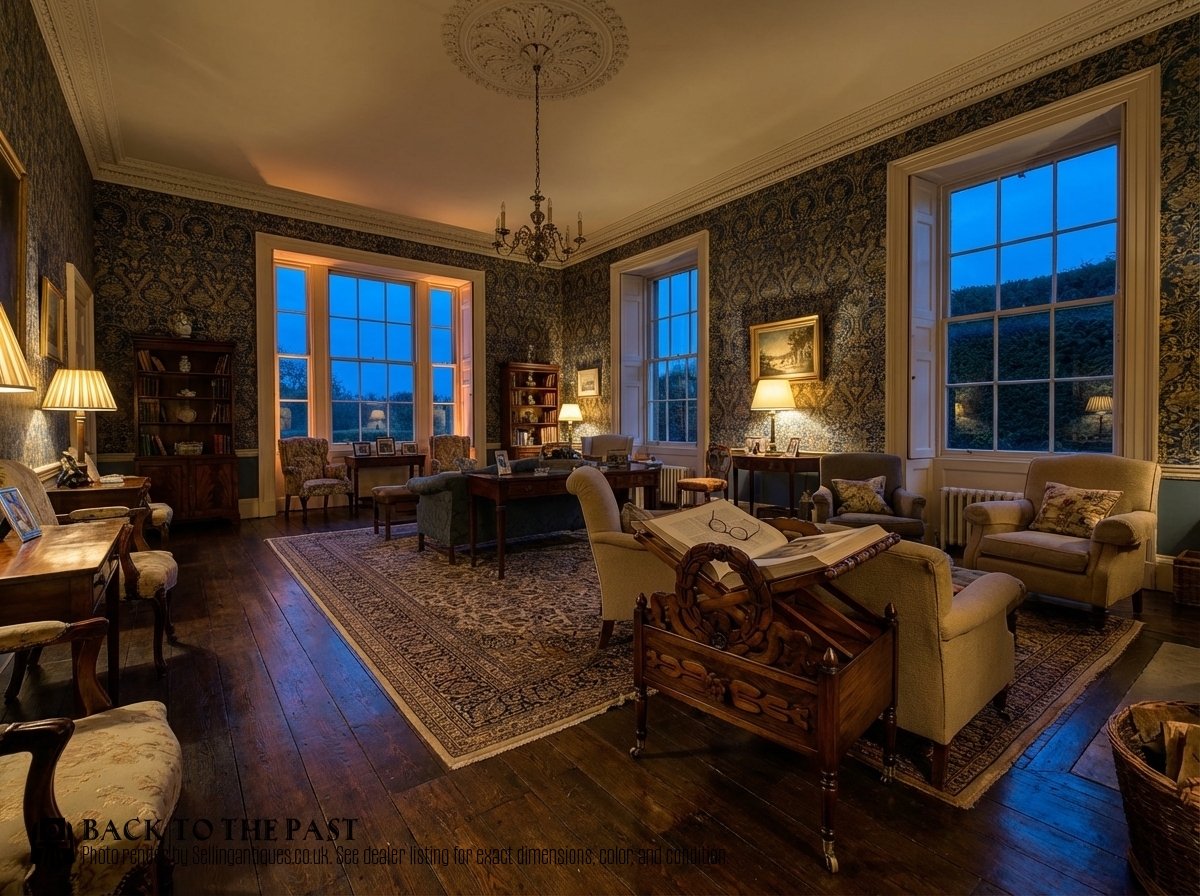
How They Were Made
Cabinet makers constructed these stands using rosewood veneers and solid timbers, often enriched with contrasting satinwood inlay, brass castors, and turned supports. The structural divisions require careful joinery to support heavy folios and bound volumes of music without strain.
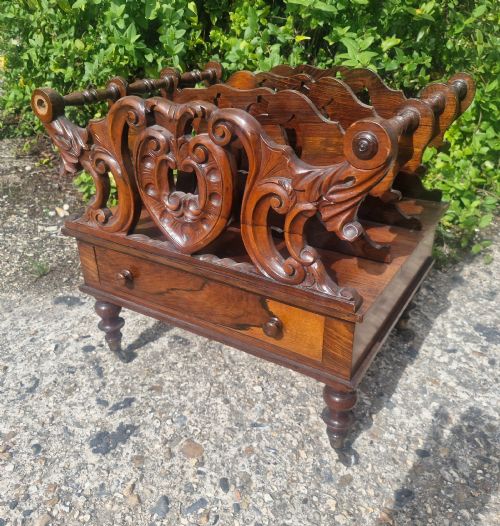
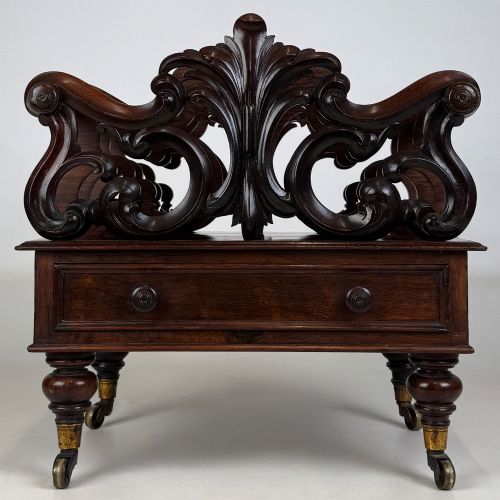
Detailing on better pieces includes carved foliate motifs, pierced fretwork, and intricate marquetry. Some specific examples incorporate ceramic or glass elements alongside turned wooden spindles and brass carrying handles.
Antique Rosewood Canterbury Retail Price Guide 2026
Typical asking prices for rosewood canterbury among the pieces listed under this phrase on Sellingantiques today, from the lower quarter to the upper quarter. They describe what is for sale here now, not the wider market.
Some nineteenth-century makers doubled the utility of the form, producing designs that functioned simultaneously as music racks and dressing stools.
What Varies in Quality
The distinction between standard examples and exceptional pieces lies in the choice of grain figured rosewood and the crispness of carved details such as Prince of Wales feathers or classical scrollwork. Refined proportions and secondary timbers of high grade set superior cabinet work apart from simpler production.
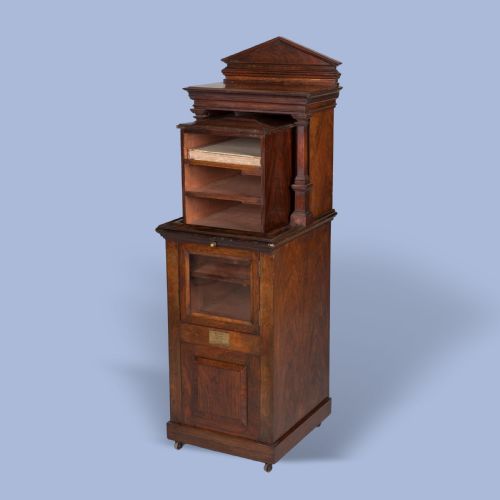
The complexity of the form also influences distinction, particularly where a canterbury is combined with a whatnot or multi-functional side cabinet. Integrated drawers with clean internal construction and original castors contribute to a more substantial execution.
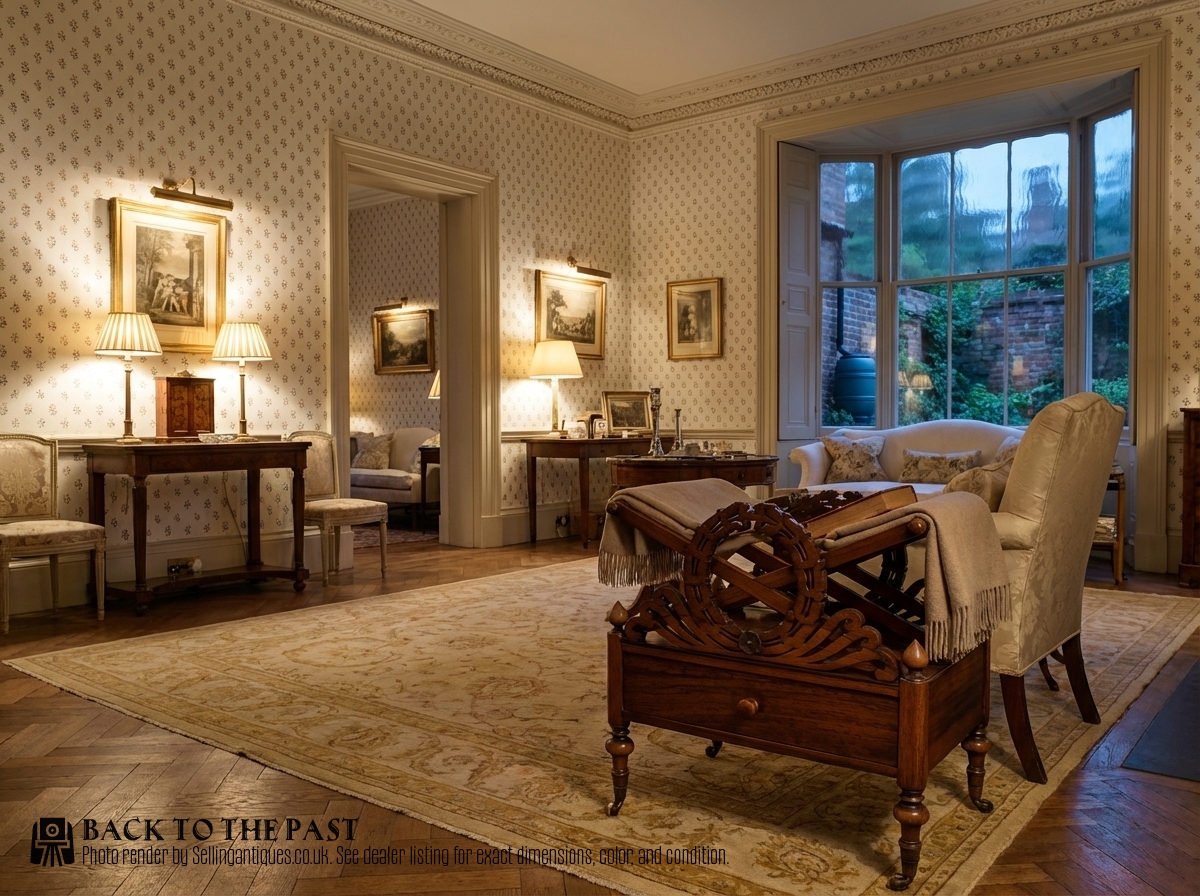
Gillows·J C Loudon
The Antique Rosewood Canterbury Glossary
- Canterbury
- A low stand with upright divisions used originally for holding music sheets and folios. The name derives from the Archbishop of Canterbury, who is said to have commissioned the first such rack.
- Whatnot
- A piece of open shelving standing on legs, used for displaying ornaments or books. When combined with a canterbury, it provides both storage and display space.
- Marquetry
- Decorative inlay work using various coloured woods to form geometric or floral patterns. This technique enhances the visual appeal of rosewood surfaces.
- Folio Stand
- A large upright rack designed for storing oversized books, maps, or unbound prints. These share similarities in construction with larger canterburys.
- Fretwork
- Ornamental design created by cutting patterns through thin wood using a fretsaw. It appears on the sides and dividers of decorative magazine racks.
Antique Rosewood Canterbury: Frequently Asked Questions
What is an antique rosewood canterbury used for?
These stands were originally designed to hold sheet music, unbound newspapers, and literary folios near a piano or seating area. Today they serve a similar purpose for magazines and contemporary journals in a living room.
The compartmentalised layout keeps papers upright and organised, preventing them from curling or scattering across tabletops. Their compact footprint allows them to fit neatly beside sofas or desks.
How do I date an antique rosewood canterbury?
Dating relies on stylistic markers associated with the Georgian, Regency, William IV, and Victorian eras. Regency examples often feature boat-shaped frames and sabre legs, while later Victorian versions incorporate heavier turning and fretwork.
Construction methods and secondary woods also provide clues to age. Earlier pieces from the early nineteenth century display hand-cut joinery and dense, dark rosewood grains.
Are all canterburys fitted with drawers?
Many traditional canterburys consist solely of open vertical divisions above a low plinth or set of legs. However, numerous examples include a single shallow drawer beneath the partitions for smaller accessories.
This integrated drawer was typically utilised for storing music rolls, tuning keys, or writing materials. The presence of a drawer often indicates a slightly more complex cabinet construction.
Where should I place a canterbury in my home?
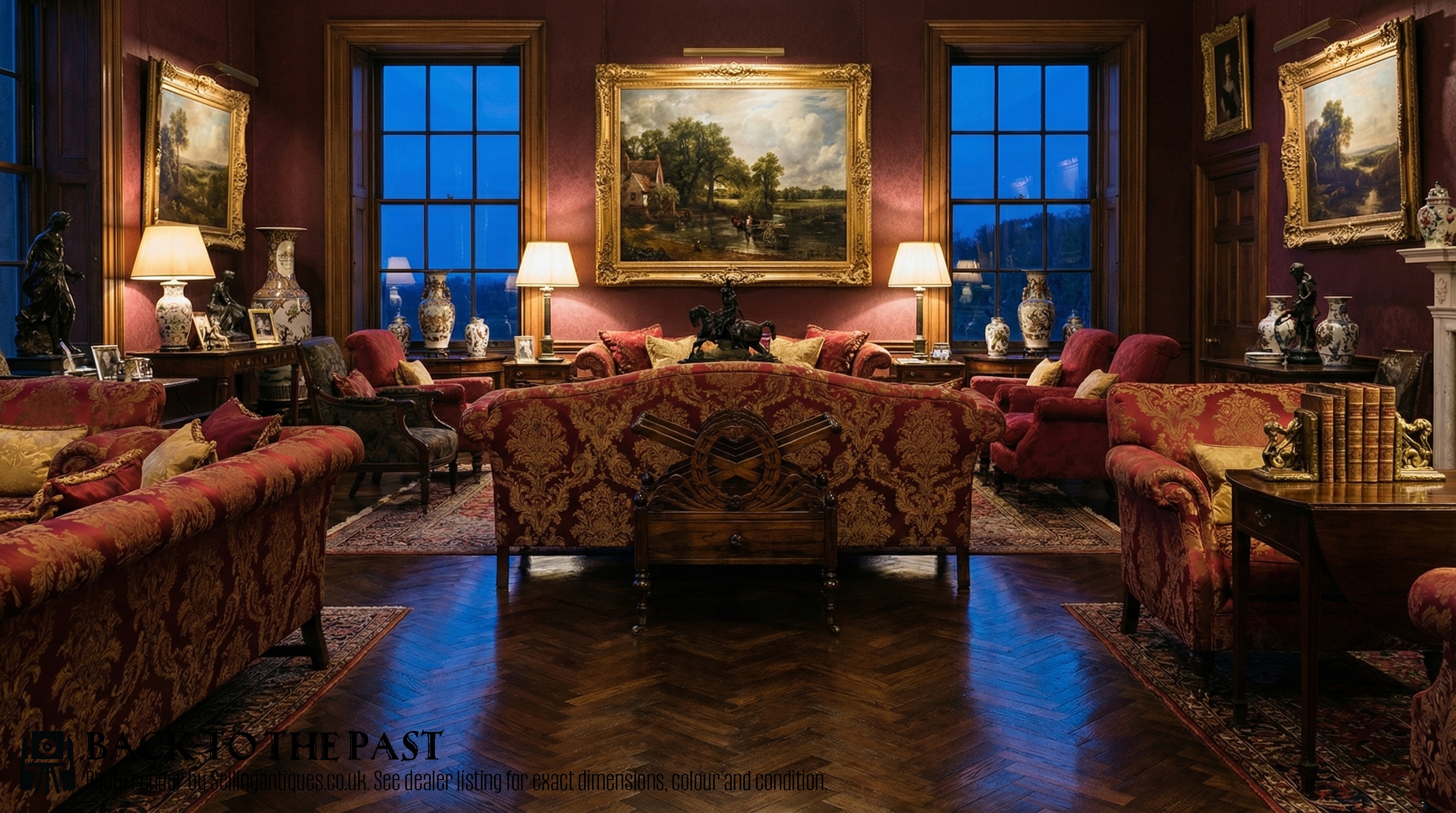
A canterbury suits placement beside a fireplace, next to an armchair, or adjacent to a piano. Their finished backs and compact dimensions mean they can stand freestanding within a room rather than strictly against a wall.
Because rosewood is sensitive to direct sunlight and extreme temperature fluctuations, placing the stand away from radiators helps preserve the polished finish and veneer.