


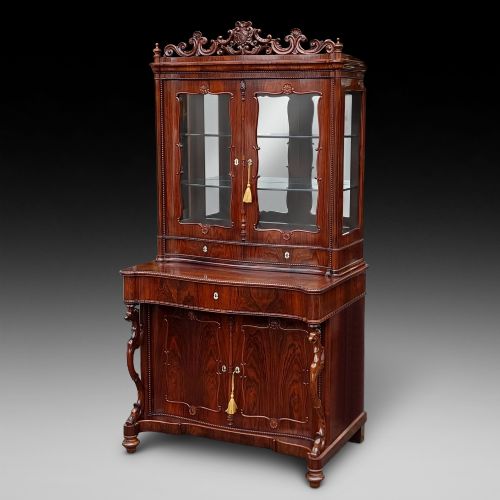
Carved Rosewood Furniture
Carved rosewood furniture brings together dense tropical timber and intricate chisel work across tables, cabinets and seating from the nineteenth century.
Carved Rosewood Furniture
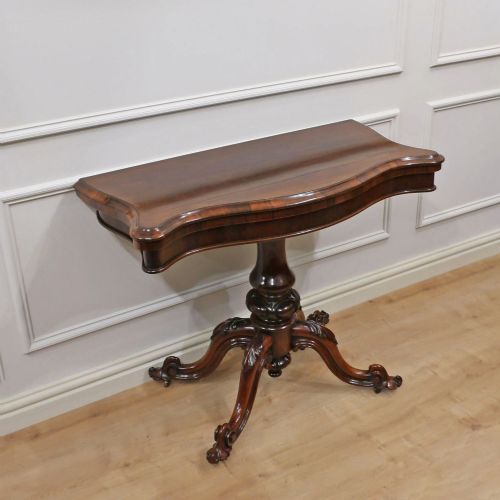
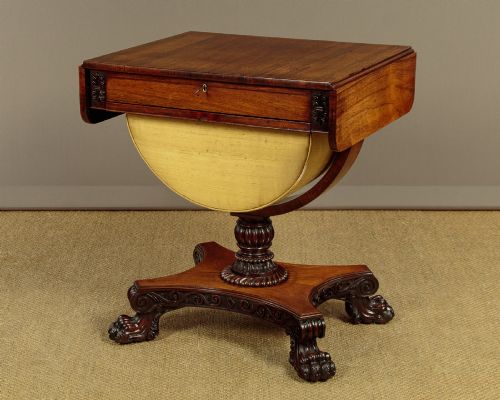
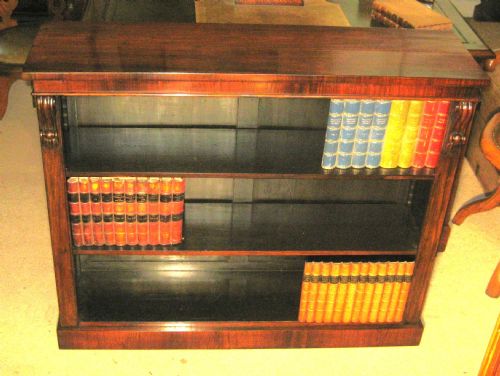
Carved rosewood furniture encompasses a diverse range of domestic items designed for formal and everyday use, spanning centuries from the seventeenth century through to the late Victorian period. Buyers searching this phrase will find a strong representation of nineteenth-century pieces, including side tables, centre tables, dining chairs, and bookcases.
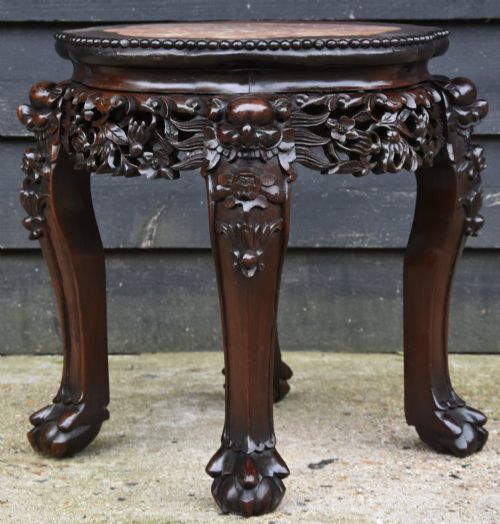
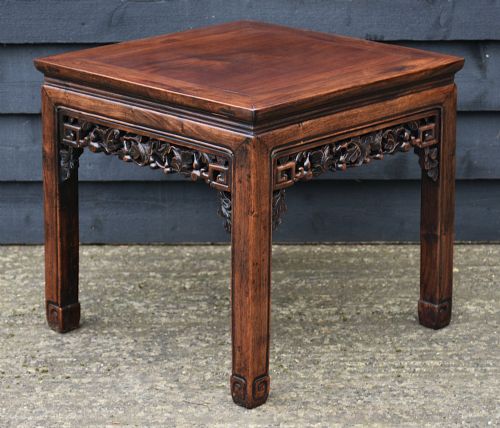
The selection frequently includes regionally distinct pieces such as Anglo-Indian occasional tables, Chinese low tables and stands, alongside British Regency and Victorian seating and desks. Forms range from compact plant stands and tea poys to large breakfront bookcases and display cabinets.
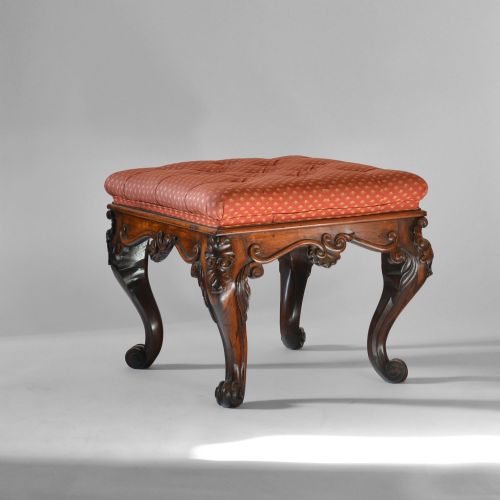
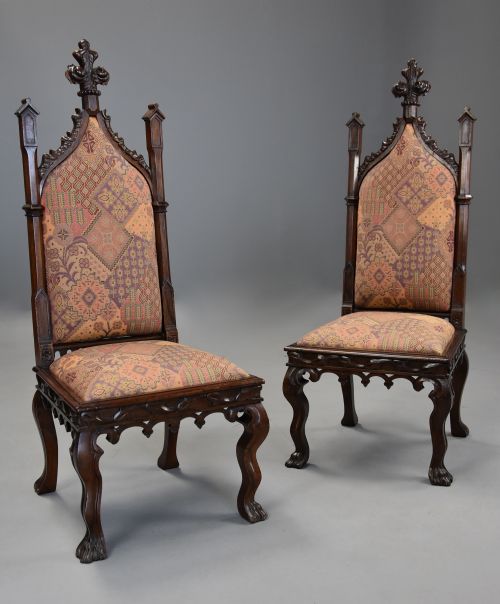
Makers utilised various stylistic influences, incorporating Gothic Revival, Dutch Baroque, and Biedermeier elements into the dense timber forms. Pieces often feature functional adaptability, such as adjustable shelves on bookcases and folding tops on card tables.
Materials and construction
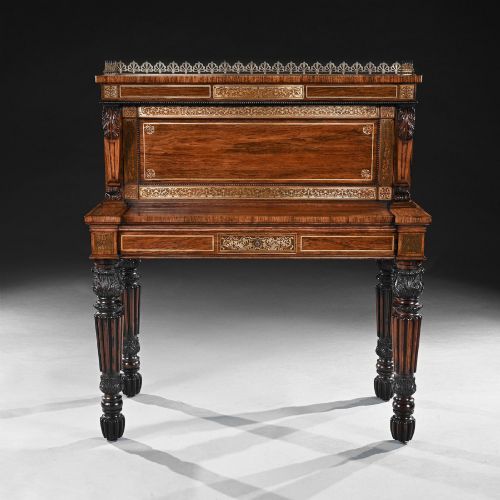
Makers constructed these pieces primarily using solid rosewood and hardwoods, frequently incorporating contrasting inlays of brass and bone to accentuate the dark grain. Secondary materials like oak and teak appear in structural carcases and internal framing.
Surface ornamentation relies heavily on deep hand-carving executed directly into the dense timber, alongside turned supports and applied mouldings. Workshops utilised brass fittings, leather writing surfaces, and fabric upholstery to complete functional items like desks and chairs.
Listings feature diverse regional forms including Anglo-Indian Hoshiarpur tables, Chinese low stands, and Dutch armoires alongside British Victorian tables.
Evaluating quality and execution
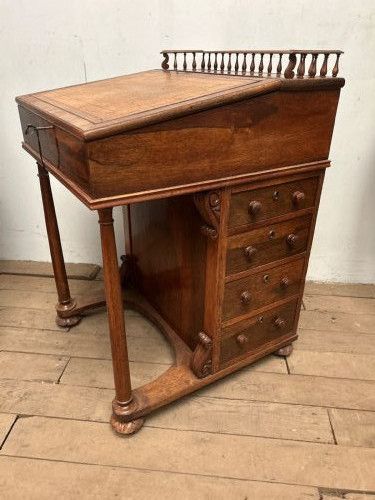
Quality rests upon the crispness of the hand-carved detail and the selection of the rosewood timber, where rich grain patterns and even colouration elevate the piece. Superior examples display precise joinery and balanced proportions, particularly in complex forms like games tables and Davenport desks.
The integration of secondary materials, such as finely chased brass inlay or well-fitted bone sections, distinguishes high workshop output from simpler domestic production. Original hardware and structural stability further separate standard utilitarian items from exceptional cabinetwork.
Gillows Oxford Street Workshop·W A Willcocks
The Carved Rosewood Furniture Glossary
- Pembroke table
- A small occasional table with hinged drop leaves on two opposing sides. These typically feature a single drawer and slender legs.
- Tea poy
- A small box on a pedestal base designed for storing dry tea leaves. Interiors frequently contain small canisters and mixing bowls.
- Canterbury
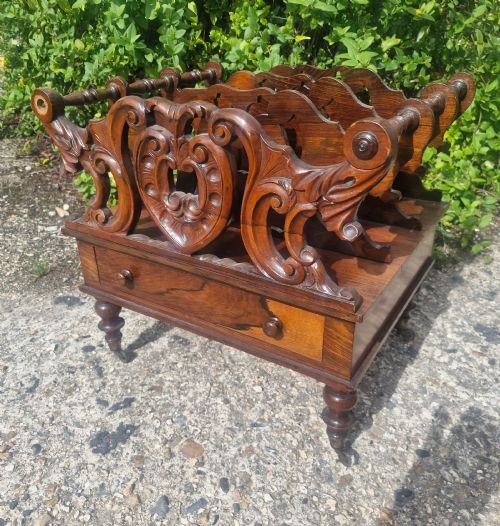
- A low stand featuring slatted partitions, originally designed for holding sheet music or newspapers. They often incorporate a single drawer beneath the main section.
- Shodona
- A type of tiered cabinet originating from Japanese design influences popular in the nineteenth century. These feature asymmetrical shelving and small cupboards.
- Kussenkast
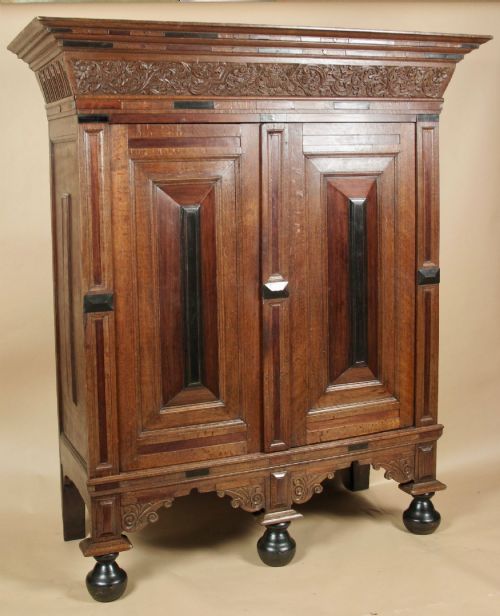
- A large Dutch armoire characterised by cushion-moulded doors and heavy cornices. They combine oak carcases with decorative rosewood and ebony veneers.
Carved Rosewood Furniture: Frequently Asked Questions
How do I care for rosewood?
Keep wooden surfaces away from direct sunlight and heat sources to prevent the dark timber from fading and splitting. Apply a suitable wax polish sparingly to maintain the natural sheen of the grain.
Avoid using abrasive household cleaners or excess moisture on carved sections. Dust regularly with a soft cloth to protect the intricate chisel work.
Where were these pieces used?
Tables, cabinets, and seating were placed in principal reception rooms, libraries, and parlours of nineteenth-century homes. Writing desks and Davenport tables functioned in private studies for correspondence.
Smaller items like plant stands and occasional tables filled hallways and drawing rooms. Folding card tables and tea poys accommodated social gatherings and entertaining.
How do I distinguish regional styles?
Anglo-Indian pieces often display dense, overall botanical carving and octagonal tops executed in rich timber. Chinese tables and stands frequently incorporate low profiles, pierced aprons, and hard furniture construction.
British Regency and Victorian items generally adhere to classical revival motifs, brass stringing, and turned columnar supports. Continental examples show distinct influences such as Dutch cushion moulding or Biedermeier restraint.
Are shelves and leaves adjustable?
Certain bookcases incorporate adjustable shelving systems to accommodate varying book heights. Drop leaves on pembroke and card tables fold out to expand surface area when required.
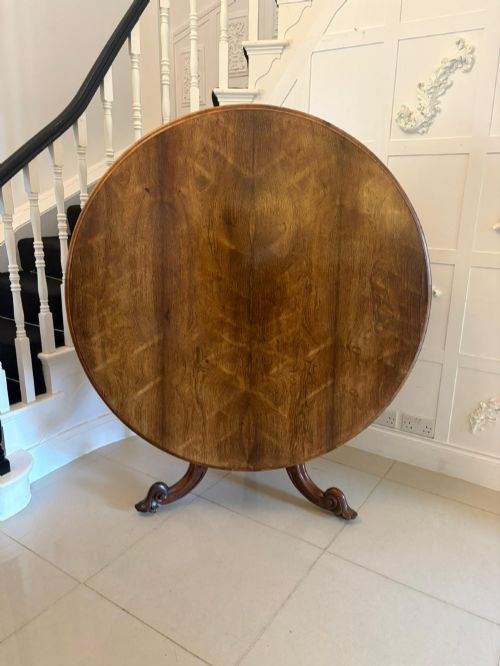
Tilt-top tables feature mechanism pivots that allow the top to rest vertically when not in use. These functional adjustments demonstrate the versatility built into nineteenth-century furniture design.