


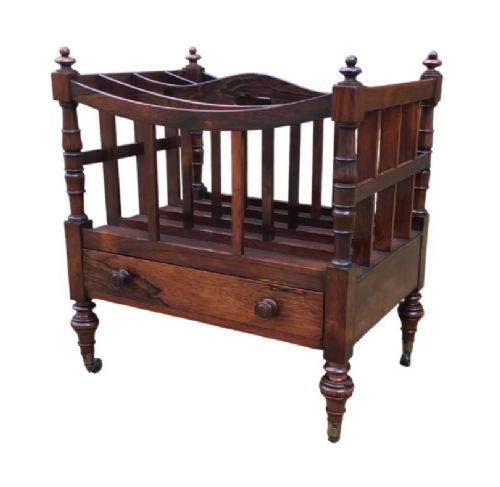
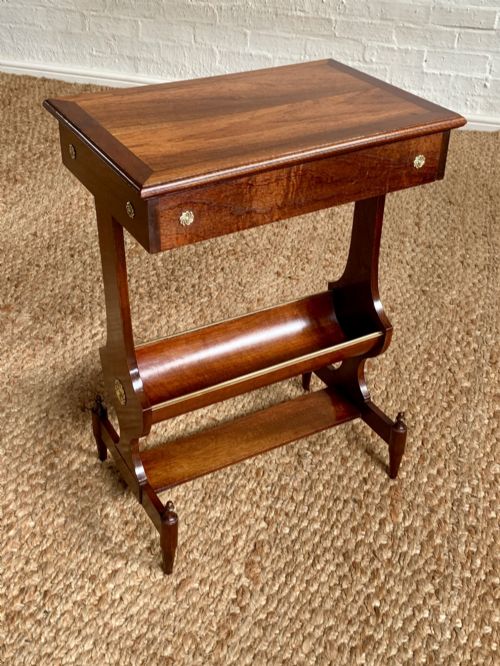
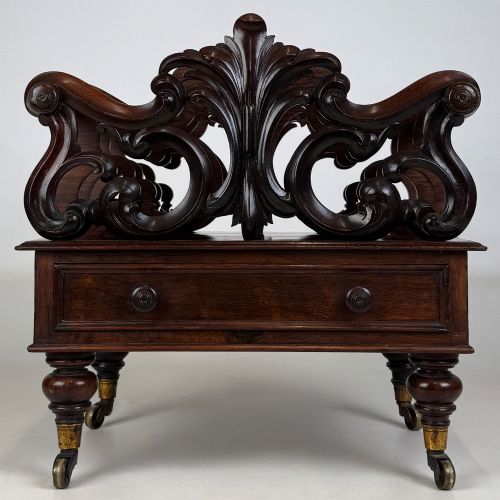
Vintage Magazine Stand
These vintage magazine stand designs organise periodicals with traditional craftsmanship, bringing refined woodwork and metalwork directly to your sitting room.
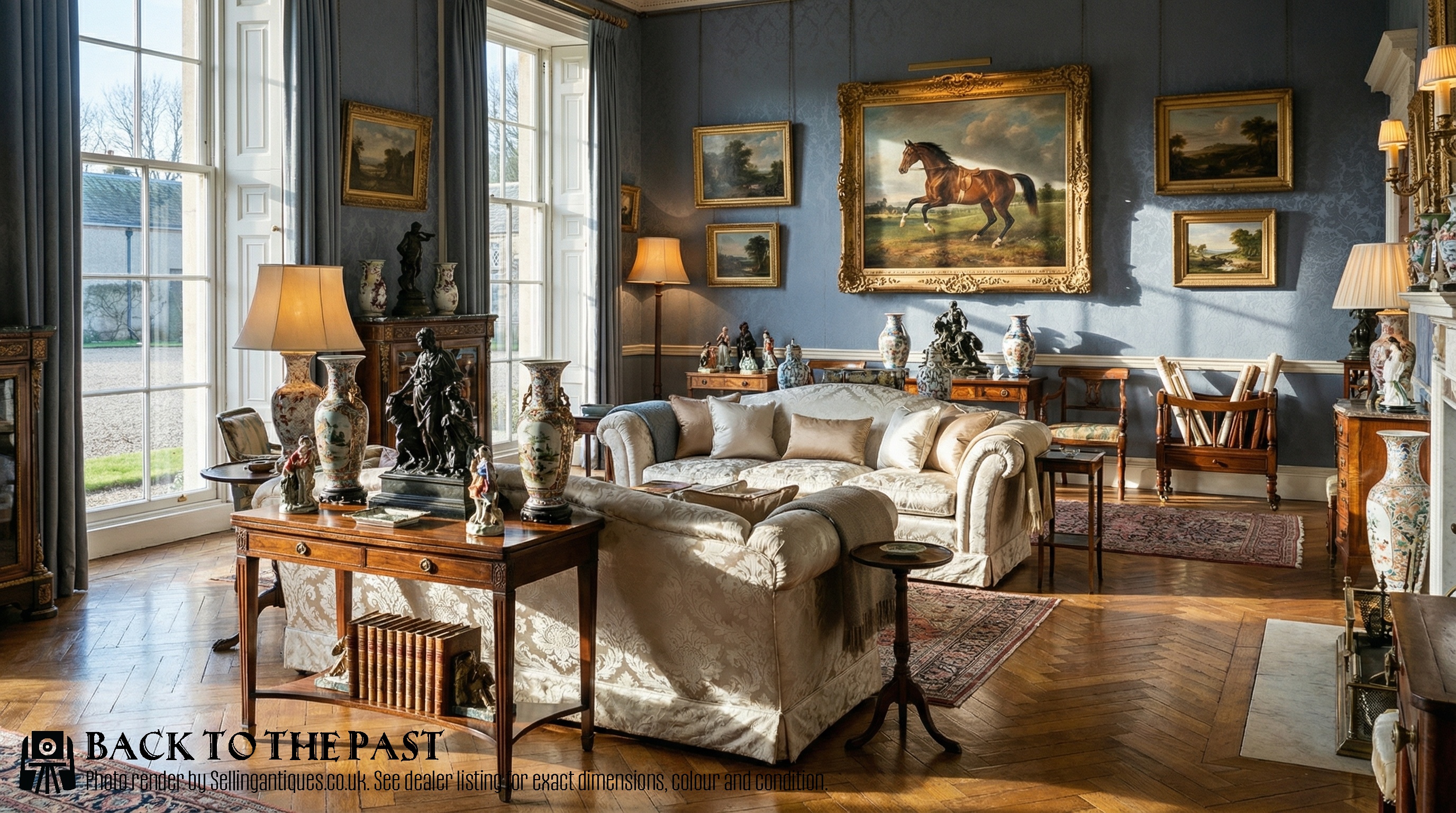
Vintage Magazine Stand
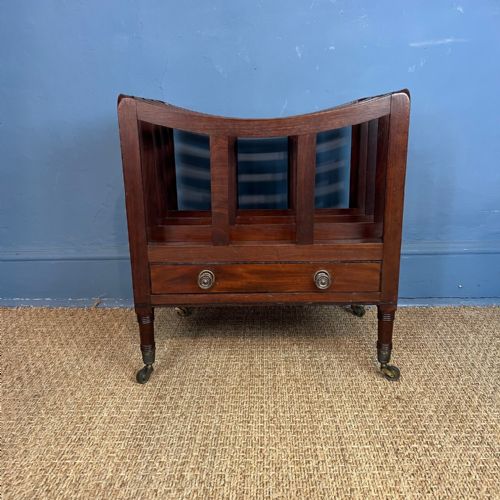
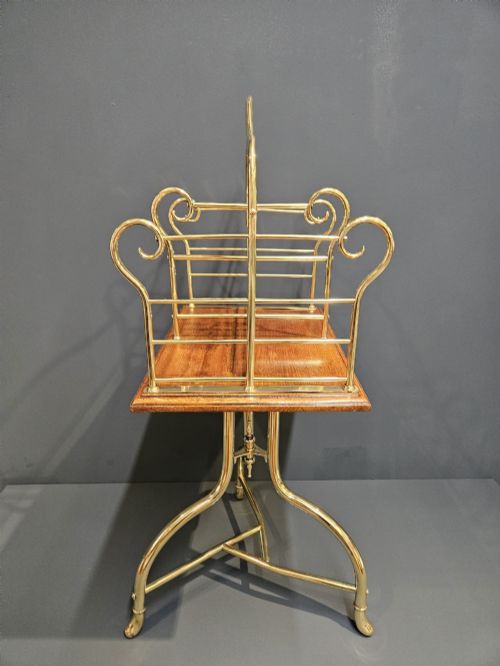
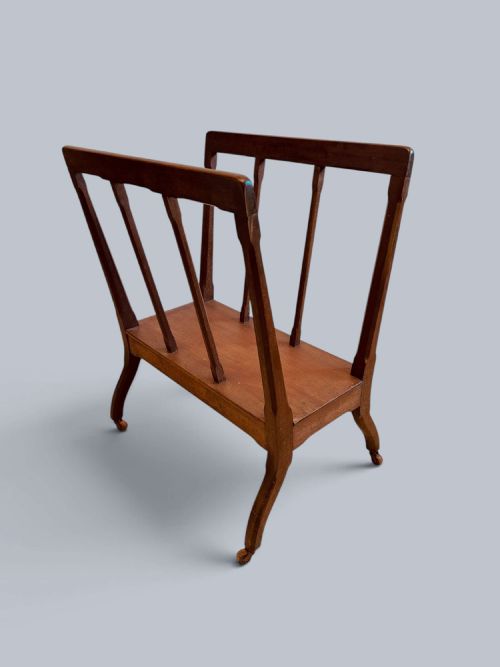
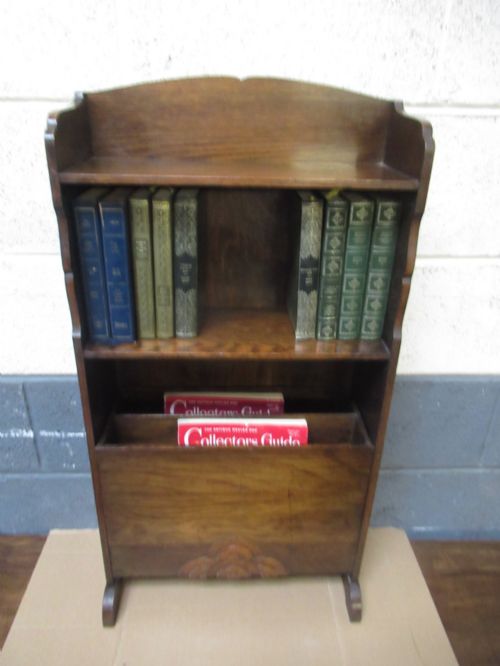
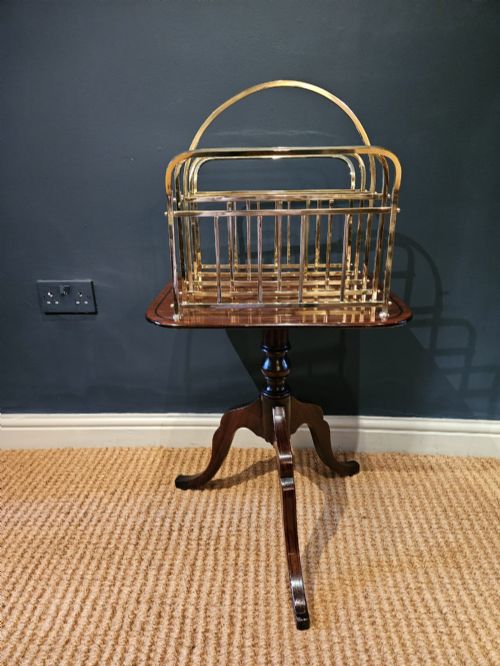
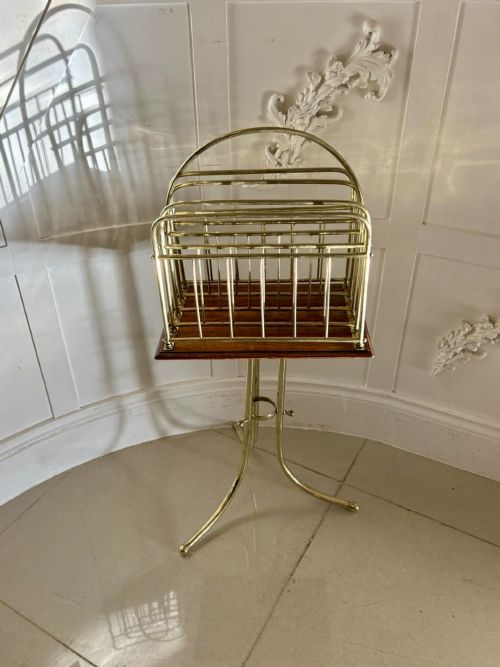
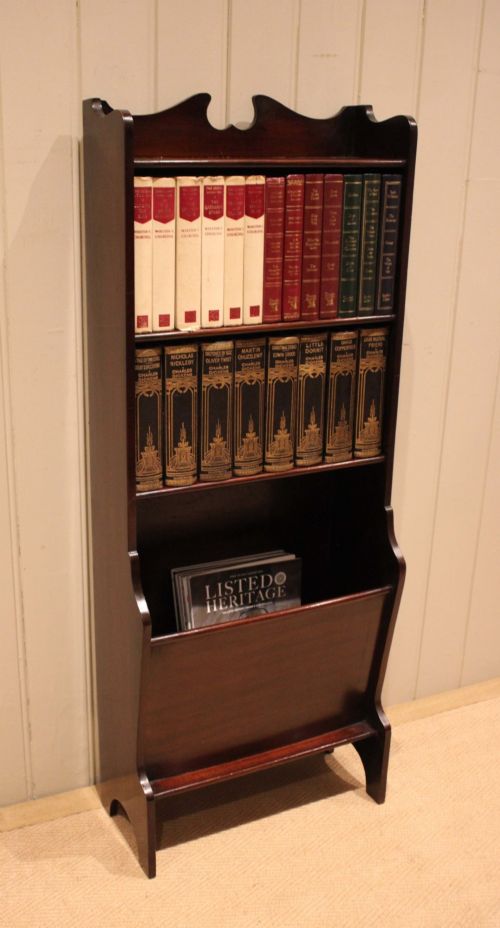
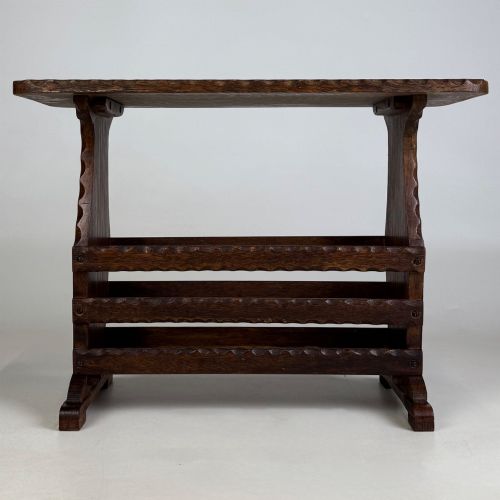
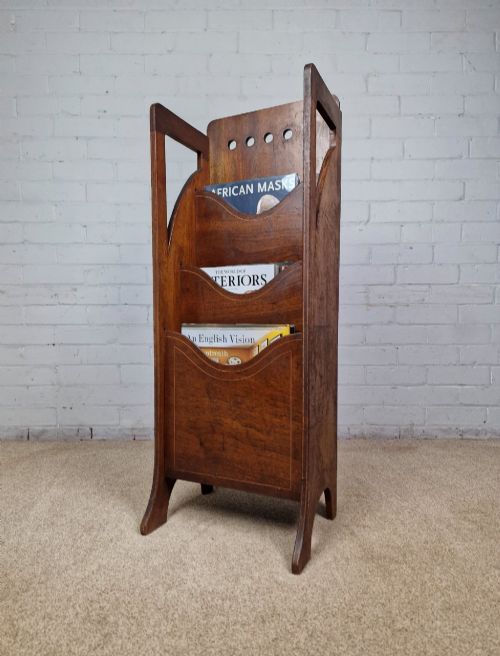
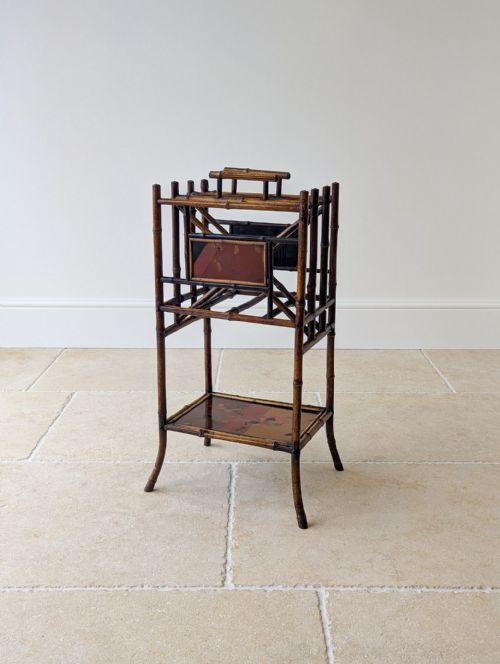
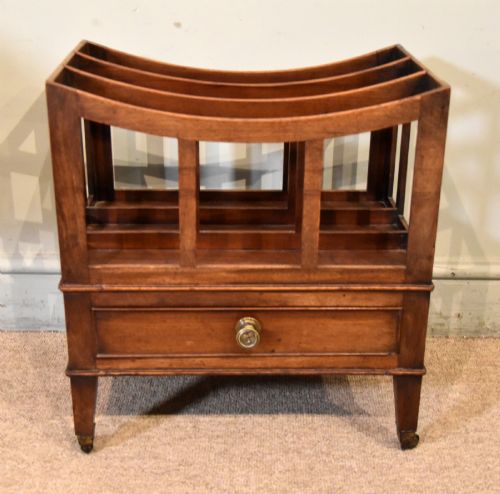
A vintage magazine stand appears primarily in the form of a traditional Canterbury or a dedicated magazine rack. These pieces serve to hold newspapers, sheet music, and periodicals near seating areas.
The selections span distinct historical eras, ranging from early nineteenth-century George IV and Regency examples to later Edwardian pieces. Mahogany, rosewood, and oak dominate the available forms.
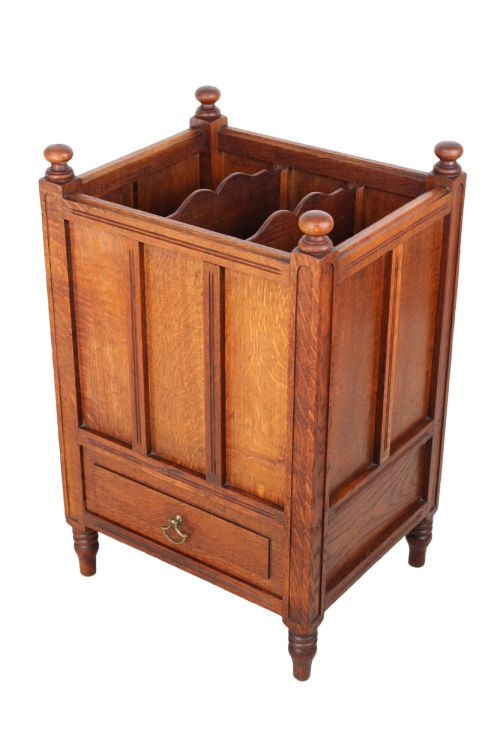
Canterburys often feature divided sections for organisation alongside a low drawer or carrying handle. Simpler Edwardian magazine racks frequently combine oak frames with brass wire mesh.
Materials and construction methods
Cabinetmakers utilised rich timber stocks including solid mahogany and figured rosewood for the structural divisions and drawer linings. Brass components provide structural support, handles, and decorative accents.
Joinery techniques involve precise framing for the multiple vertical divisions, whilst turning creates slender spindle legs and carrying pillars. Certain models incorporate delicate wreath carvings into the solid timber rails.
Vintage Magazine Stand Retail Price Guide 2026
Typical asking prices for vintage magazine stand among the pieces listed under this phrase on Sellingantiques today, from the lower quarter to the upper quarter. They describe what is for sale here now, not the wider market.
Current listings feature pieces spanning the Georgian, Regency, Victorian, and Edwardian periods, constructed from mahogany, rosewood, oak, and brass.
Distinctions in quality
Superior pieces display exceptional timber selection with matched grain patterns across the divisions and plinth. Hand-carved decorative elements and robust mortise and tenon joints elevate the standard of manufacture.
Simpler constructed items rely on straightforward assembly without decorative carving or integrated drawers. The presence of heavy gauge brass fittings rather than light wire indicates a higher grade of original production.
The Vintage Magazine Stand Glossary
- Canterbury
- A low stand with divided sections, originally designed for holding sheet music or books. These items frequently incorporate a small drawer beneath the partitions.
- Regency
- A stylistic period dating from the early nineteenth century defined by classical restraint and polished mahogany surfaces. Pieces from this era often feature boat-shaped frames.
- Rosewood
- A dense, heavily figured dark timber utilised in high-end nineteenth-century cabinetmaking. Its distinct grain makes it easily identifiable on formal stands.
- Division
- An internal partition within the rack that separates papers or folios. Multiple divisions allow for orderly sorting of periodicals.
Vintage Magazine Stand: Frequently Asked Questions
What is a vintage magazine stand used for?
These pieces hold periodicals, newspapers, and sheet music close to seating areas. They keep reading materials tidy while remaining accessible in a room.
Historically, they functioned as movable furniture for parlours and drawing rooms. Today, they serve the same practical purpose alongside decorative display.
How do I date a magazine stand?
Dating relies on observing the timber types, hardware, and stylistic details present in the construction. Regency and George IV items typically feature mahogany or rosewood with refined turning.
Edwardian pieces often combine oak with brass wire mesh. Comparing the joinery and overall form helps place the piece within its historical period.
Where should I place a stand?
Position the piece beside a sofa, armchair, or reading desk where periodicals accumulate. Their compact footprints suit placement in corners or beside side tables.
Ensure the stand stays clear of direct heat sources to protect the polished wood surfaces. Regular placement on level flooring prevents strain on slender legs.
How do I care for wooden stands?
Maintain the timber surfaces by dusting gently with a dry, soft cloth. Avoid harsh chemical polishes that can degrade historical finishes.
Conditioning the wood occasionally with appropriate wax helps preserve the grain. Keep the brass components clean using a dry cloth to prevent tarnishing.