

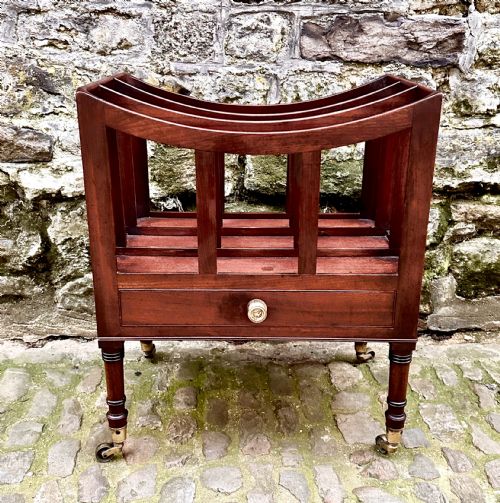


Brass Magazine Rack
A brass magazine rack brings polished metalwork and practical sorting to a sitting room, holding daily papers and periodicals in defined compartments.
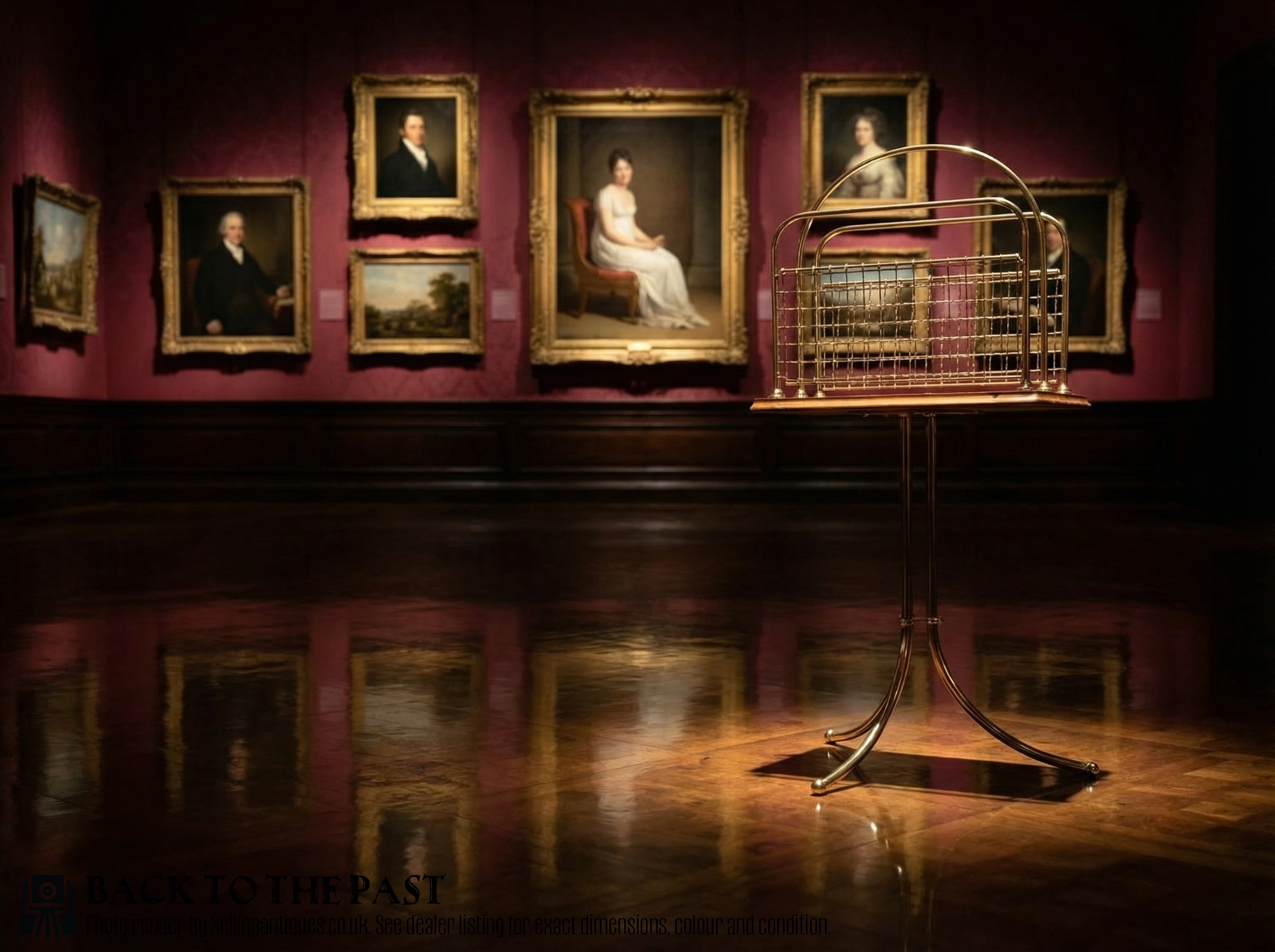
Brass Magazine Rack
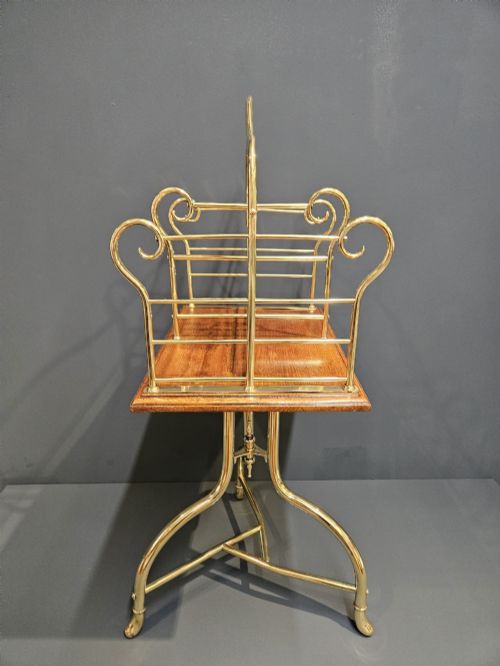
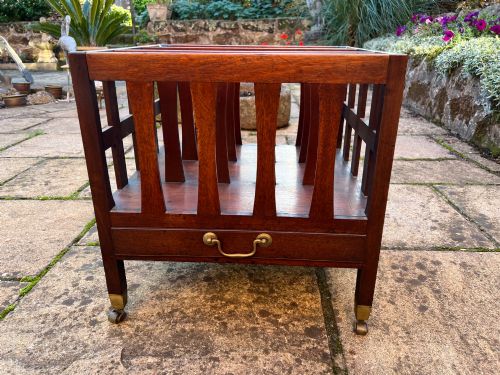
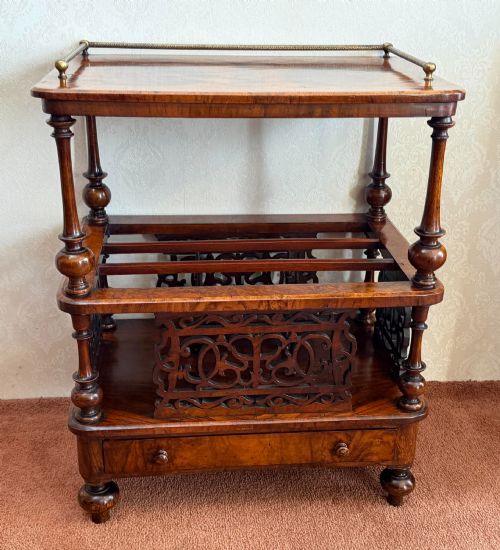
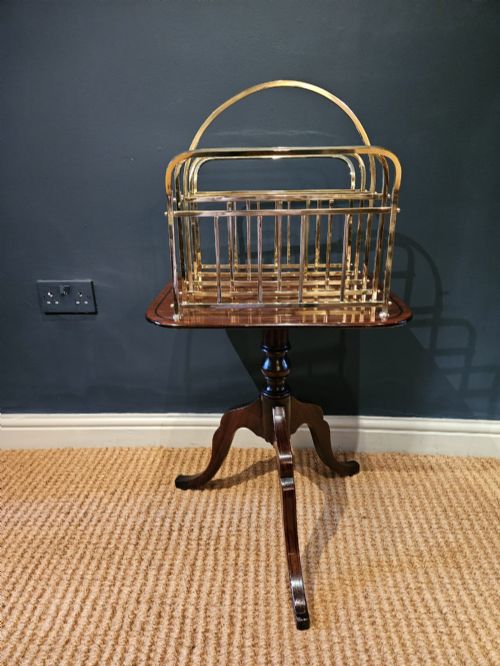
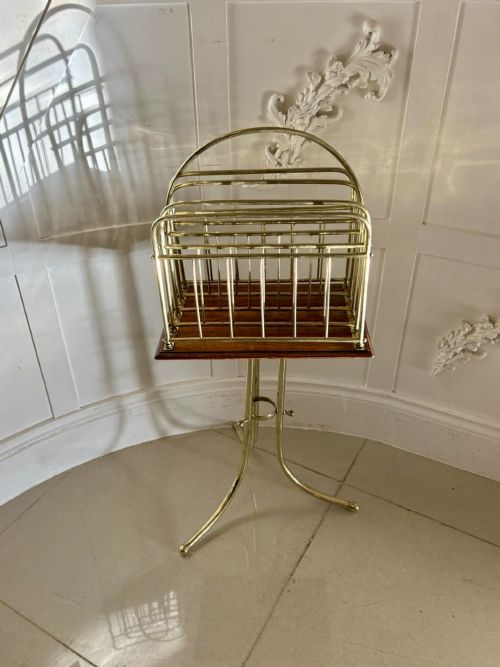
A brass magazine rack encompasses diverse forms designed for holding periodicals, newspapers, and folios, ranging from upright revolving stands to floor-standing troughs and multi-tiered folding holders. The pieces found here stretch across the Regency, Victorian, and Edwardian eras, alongside Georgian pieces and later twentieth-century interpretations.
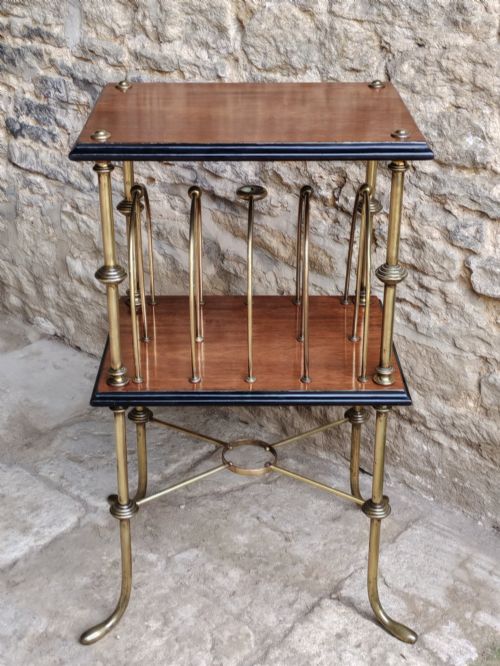
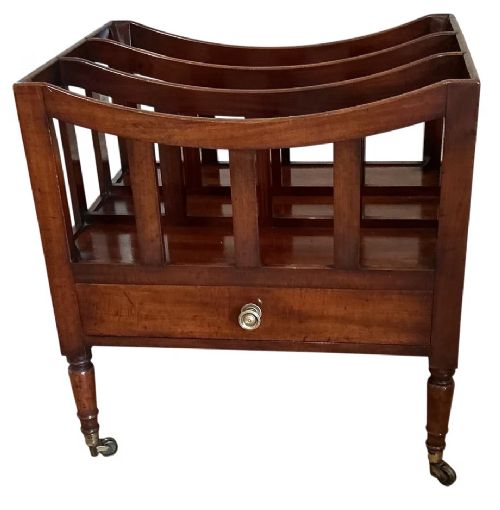
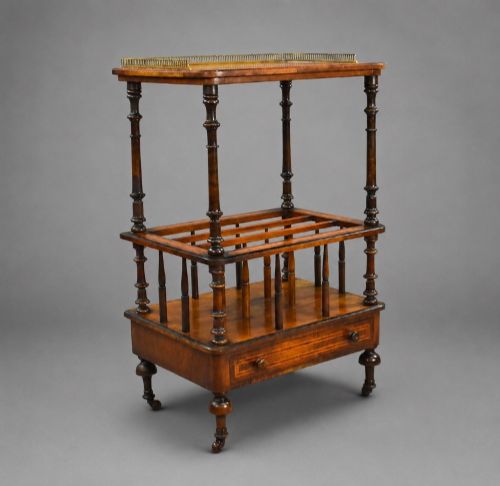
The most frequent iteration on this page pairs polished brass framework with timber bodies such as mahogany, oak, or burr walnut, though all-metal versions in solid brass, copper, or tubular brass appear regularly. Alongside standard magazine racks, the selection frequently incorporates related forms like the traditional Canterbury, occasional side tables, and revolving bookcases.
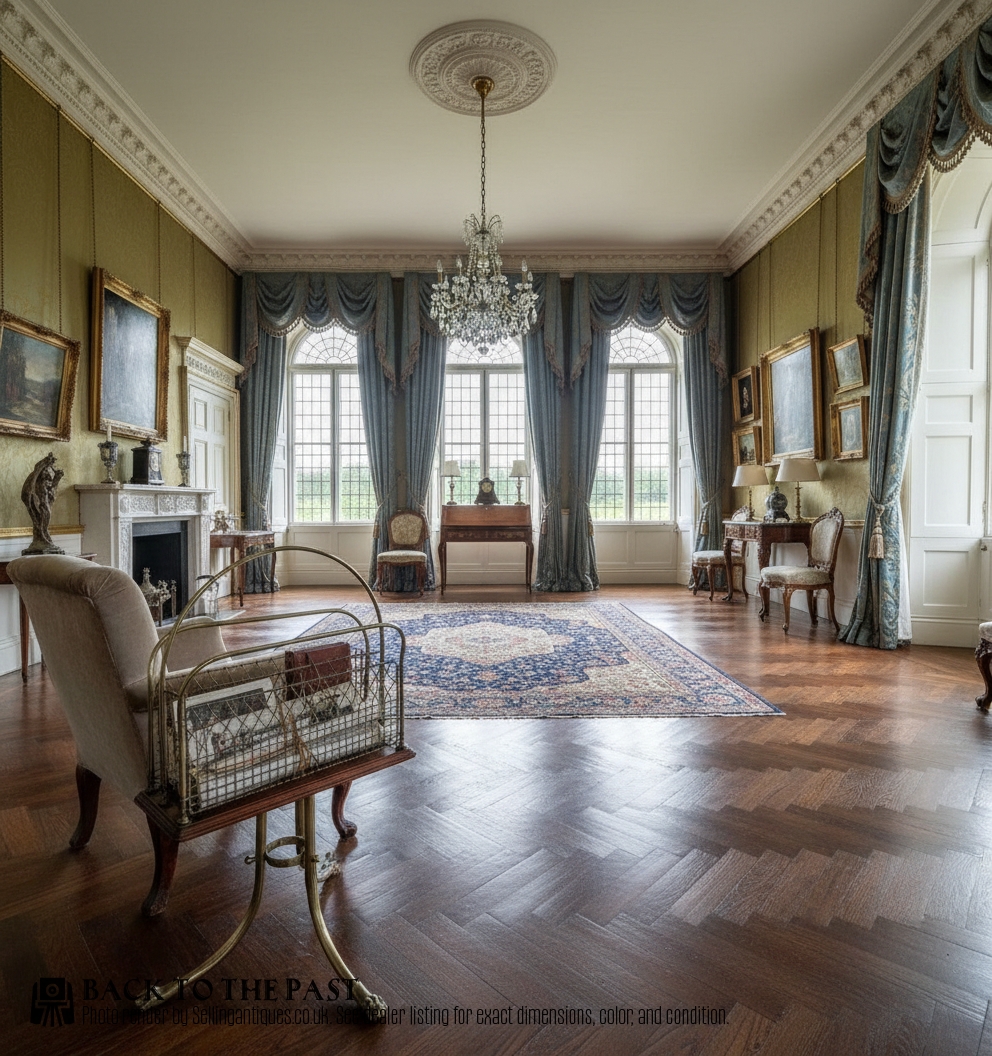
Materials and construction
Construction relies heavily on the combination of warm hardwoods and bright metalwork, utilising mahogany, oak, and walnut alongside sheet or tubular brass and copper. Timber components are frequently polished, inlaid, or ebonised, whilst brass elements are employed for structural divisions, carrying handles, claw feet, and decorative panels.
Joinery methods vary by period, moving from traditional cabinet-making techniques seen in Georgian and Regency canterburys to the metal assembly and tubular framing characteristic of later Victorian and Edwardian stands. Folding mechanisms depend on hinged brass joints, and revolving tiers utilise central metal spindles that allow smooth rotation.
Brass Magazine Rack Retail Price Guide 2026
Typical asking prices for brass magazine rack among the pieces listed under this phrase on Sellingantiques today, from the lower quarter to the upper quarter. They describe what is for sale here now, not the wider market.
Listings span from the late eighteenth century through the Edwardian era, uniting brass with mahogany, oak, and burr walnut.
Assessing craftsmanship
Quality reveals itself in the weight and thickness of the brass used for frames and divisions, where substantial gauge metal maintains rigidity over lighter stamped alternatives. Cabinet work on wooden bases shows in the selection of timbers, such as figured burr walnut or dense mahogany, and the precision of inlaid details.
Integration between metal and wood separates standard production from superior pieces, particularly in revolving stands where smooth, silent rotation depends on the engineering of the central spindle. Fine chasing or engraving upon brass panels and solid brass feet further distinguishes finer examples from simpler utility pieces.
Gillows of Lancaster·Maison Jansen·J.C. Loudon·Hall Birmingham
The Brass Magazine Rack Glossary
- Canterbury
- A low stand with divided partitions for holding sheet music, folios, or newspapers, often featuring carrying handles and short legs.
- Folio stand
- A large piece designed for storing oversized books, prints, or maps flat or upright, frequently found in country house proportions.
- Etagere
- A piece of furniture consisting of a set of open shelves for displaying small objects, sometimes combined with magazine storage.
- Revolving rack
- A stand constructed with a central pivot that allows the compartmentalised body to turn for easy access to its contents.
- Ormolu
- Gilt bronze mountings applied to furniture for decorative effect, seen on select nineteenth-century occasional pieces.
Brass Magazine Rack: Frequently Asked Questions
How were brass magazine racks used?
These pieces served in drawing rooms and studies to keep current newspapers, periodicals, and sheet music neatly separated and readily accessible near seating areas.
They provided an orderly method for domestic organisation before the era of modern storage, keeping paper clutter contained while displaying quality materials.
How do I clean brass and wood?
Maintenance involves dusting timber regularly and applying appropriate wax to nourish the grain of woods like mahogany, oak, and burr walnut.
Brass elements can be maintained with a soft cloth, taking care to avoid harsh chemical cleaners that might strip the aged patina from antique metalwork.
How do I date a magazine rack?
Dating relies on observing the prevailing style, construction techniques, and materials, such as Regency rosewood work or heavy Edwardian oak and tubular brass.
Proportions and joinery offer further clues, moving from eighteenth-century cabinet-made canterburys to later industrial manufacturing methods of the early twentieth century.
Can I use a vintage rack today?
These pieces integrate easily into modern interiors, serving their original function for sorting contemporary magazines, tablets, or daily post.
Floor-standing and revolving models work effectively beside armchairs or sofas, adding period character alongside practical tabletop or compartmental storage.