


Vintage Magazine Rack
A vintage magazine rack keeps periodicals in order while bringing period timber and metalwork into a room.
Vintage Magazine Rack
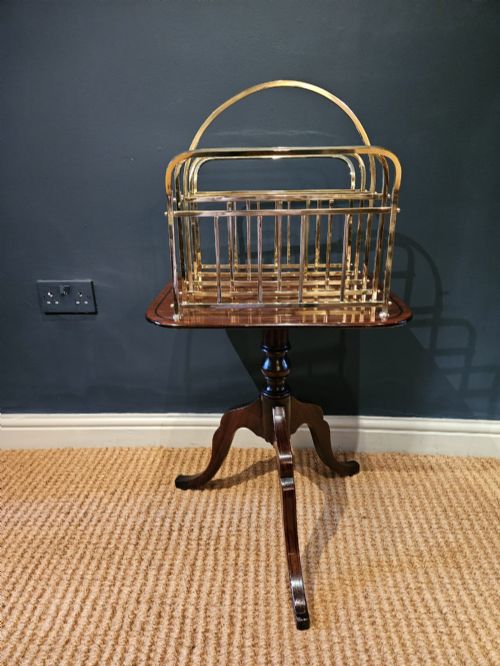
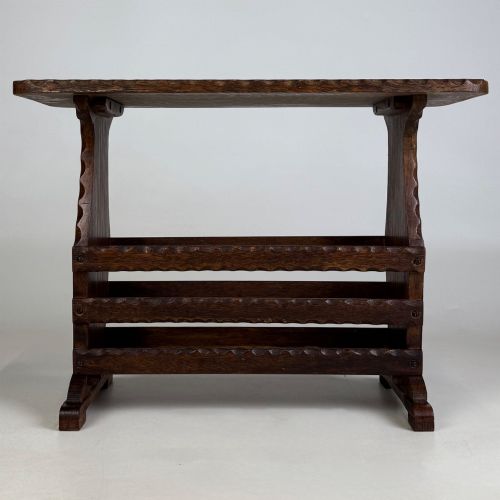
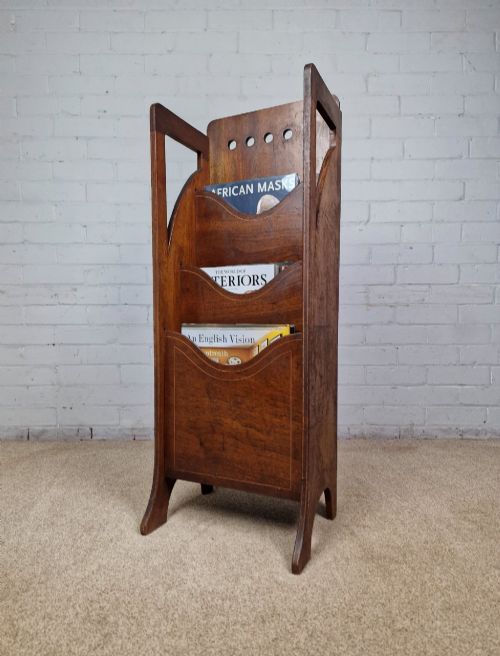
A vintage magazine rack gathers floor-standing and tabletop holders designed to keep periodicals, newspapers and sheet music tidy in domestic spaces. When you search for a vintage magazine rack on this page, you encounter traditional forms that double as occasional furniture, including canterburys, book stands and side tables.
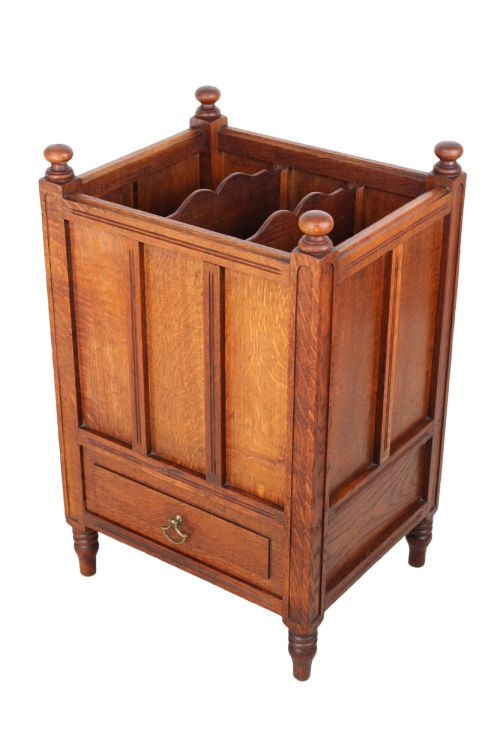
The pieces span multiple periods from the eighteenth century through the Edwardian era and the 1920s, reflecting changing domestic habits in reading and music. Mahogany and oak examples dominate the selection, often taking the form of compartmentalised stands fitted with carrying handles or drawers.
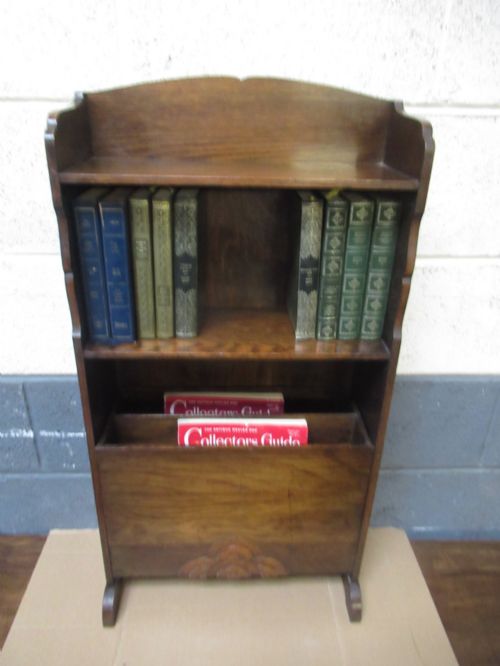
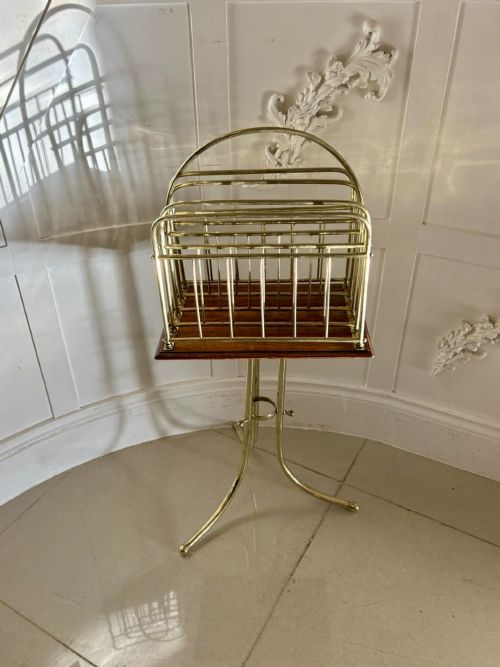
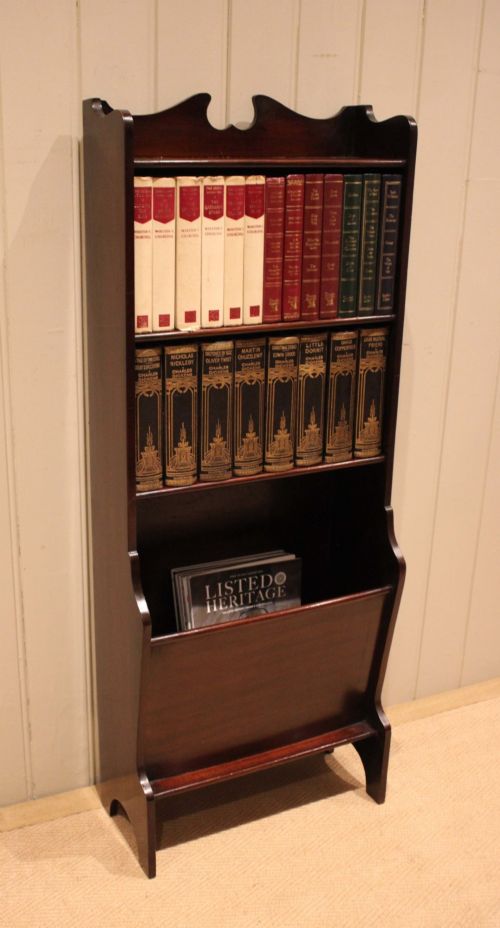
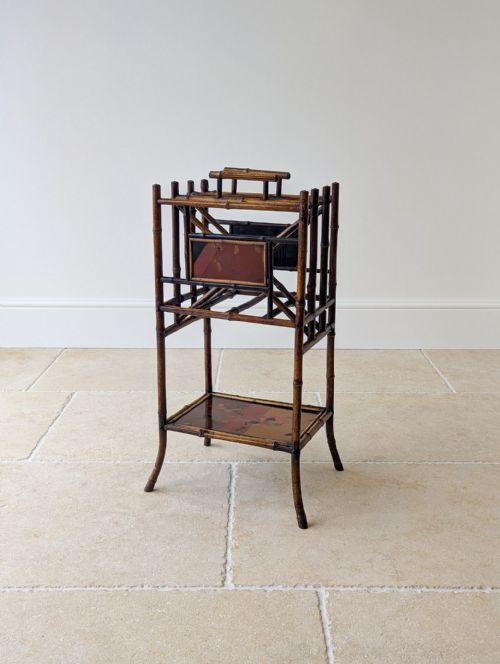
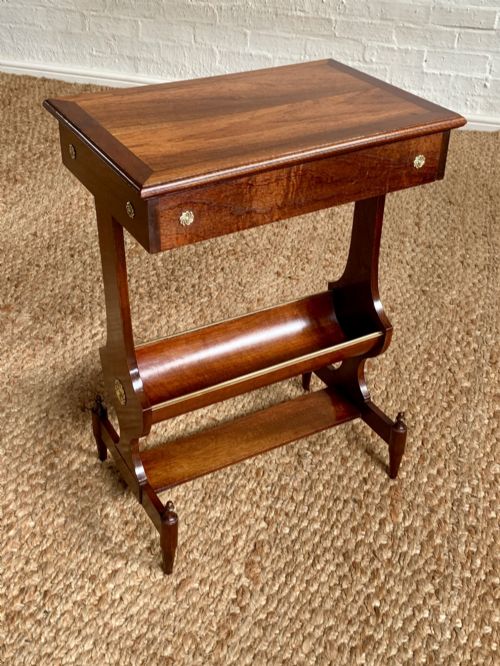
Alongside timber items, the evidence includes metalwork stands in brass and copper, as well as lighter designs in bamboo and fruitwood. Many function as combined pieces, pairing a periodical holder with a lower shelf or a small surface suitable for an occasional table.
How they were made
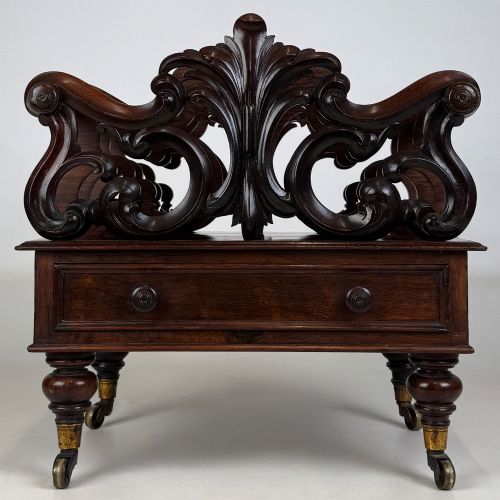
Cabinetmakers constructed these pieces primarily from dense hardwoods such as mahogany, rosewood, burr walnut and oak, utilising natural grain patterns for visual effect. Timber elements feature turned supports, fretwork dividers, carved details and occasional mother-of-pearl inlay.
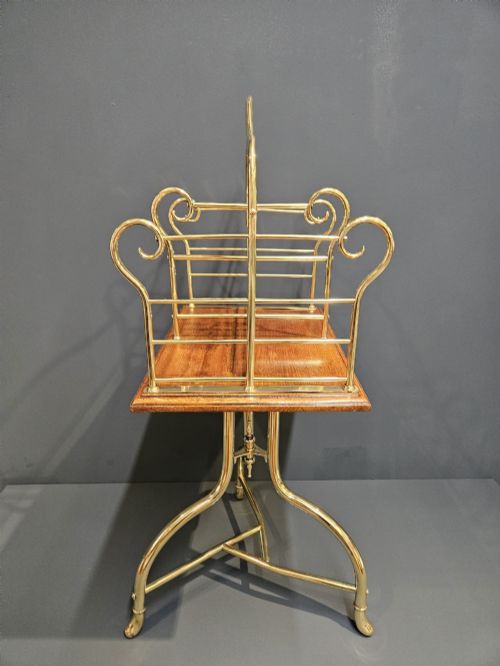
Metal versions rely on cast and sheet brass or copper, sometimes combined with oak frames or formed into revolving stands. Bamboo frames employ natural cane joined with bindings or pins to create lightweight, flexible structures suited to nineteenth-century interiors.
Vintage Magazine Rack Retail Price Guide 2026
Typical asking prices for vintage magazine rack among the pieces listed under this phrase on Sellingantiques today, from the lower quarter to the upper quarter. They describe what is for sale here now, not the wider market.
Prince of Wales feathers carved into a rosewood divider ensure that even your daily newspapers rest beneath royal approval.
What varies in quality
Quality rests upon the selection of timber veneers and the crispness of execution in carved or turned elements. Superior examples display carefully matched burr walnut or figured mahogany, alongside finely sculpted dividers and robust joinery that withstands daily handling.
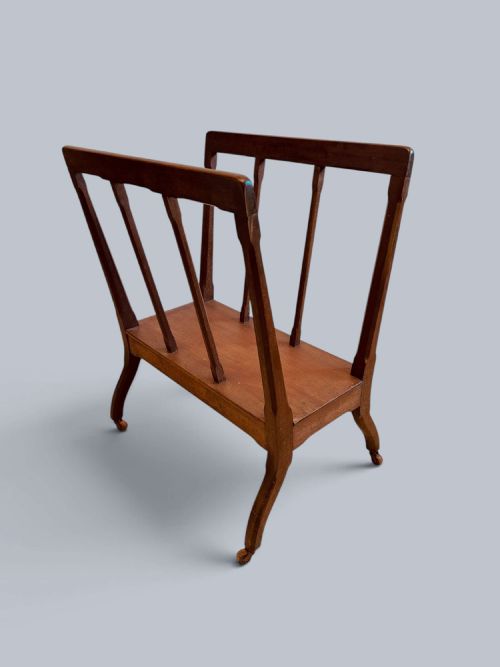
Simpler pieces rely on plain domestic oak or fruitwood with straightforward bracket construction. The inclusion of functional drawers, brass castors, or integrated carrying handles distinguishes more ambitious library and drawing-room pieces from basic utility items.
The Vintage Magazine Rack Glossary
- Canterbury
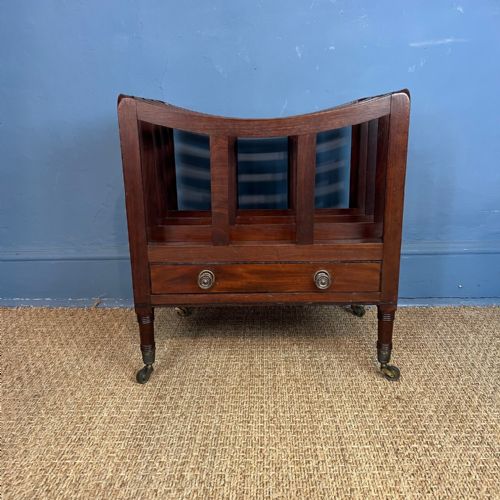
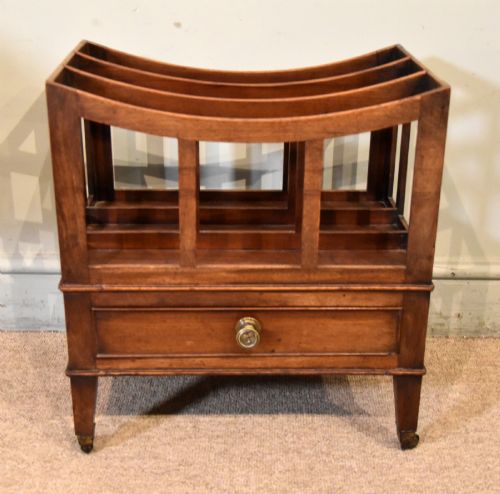
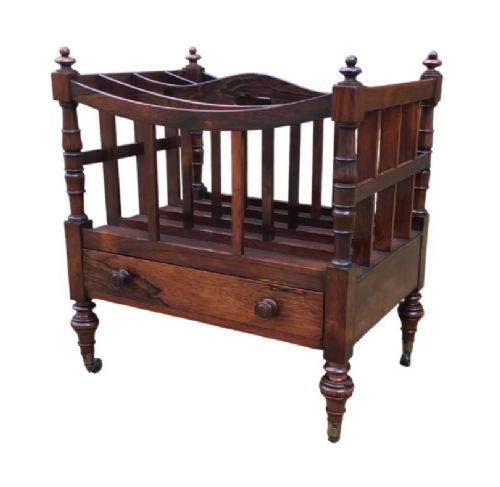
- A low, freestanding stand with partitioned sections for holding sheet music, newspapers, or periodicals. Originating in the eighteenth century, it frequently incorporates a drawer at the base and carrying handles.
- Book trough
- An open-topped container designed to hold books or magazines upright on a desk or tabletop. These pieces often feature sloping sides and decorative end panels.
- Aesthetic Movement
- A late nineteenth-century design style that emphasised artistic visual values over narrative content. Pieces from this movement often utilise bamboo or incorporate exotic decorative motifs.
- Folio
- A large-format storage stand designed for oversized prints, maps, or periodicals. Regency versions often feature substantial boat-shaped frames.
- Retaining drawer
- A small drawer built into the base of a stand for storing smaller reading accessories. It adds weight and stability to freestanding periodical holders.
Vintage Magazine Rack: Frequently Asked Questions
What is a canterbury?
A canterbury is a partitioned stand designed to hold newspapers, sheet music or periodicals within easy reach. They typically feature slatted vertical dividers and a low frame.
Many examples include a small drawer beneath the compartments and four legs fitted with castors for movement around a room.
How were magazine racks used?
These stands kept current reading material organised in drawing rooms, libraries and studies before the advent of modern occasional furniture. They kept newspapers and periodicals off tables and floors.
Certain designs doubled as music cabinets to store sheet pieces beside a piano or music stand.
Where should I place one?
A freestanding wooden rack suits a living room beside an armchair or sofa, holding daily papers and weekly journals. Tabletop troughs fit neatly onto sideboards or desks.
Revolving brass or wooden stands work well in corners where access from multiple directions is useful.
How do I date a rack?
Dating relies on timber choices, construction methods and stylistic markers associated with specific eras like the Regency or Edwardian periods. Burr walnut and rosewood point to nineteenth-century luxury.
Arts and Crafts pieces use unadorned oak with exposed joinery or hammered copper, while bamboo signals late Victorian exoticism.