


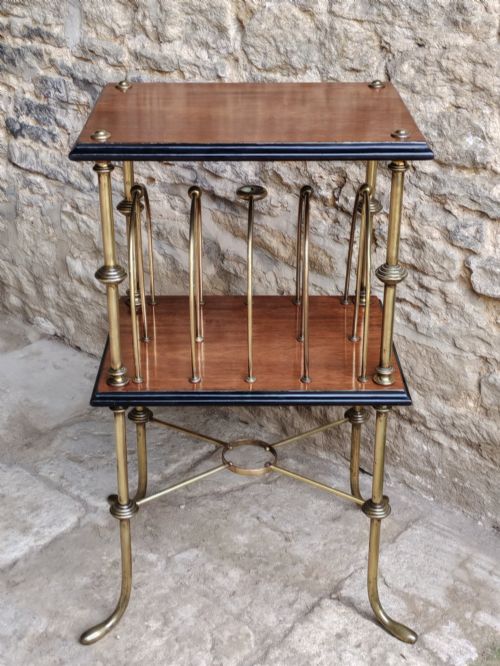
Brass Music Stand
A brass music stand provides an adjustable, stable platform for scores and books, combining metal engineering with fine timber frames.
Brass Music Stand
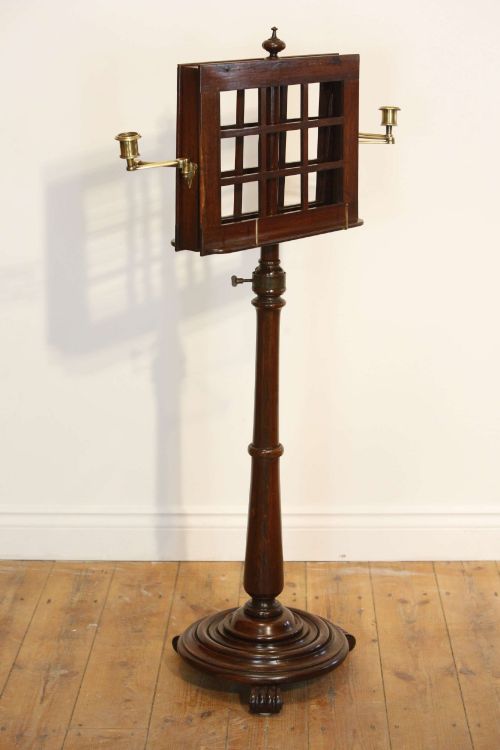
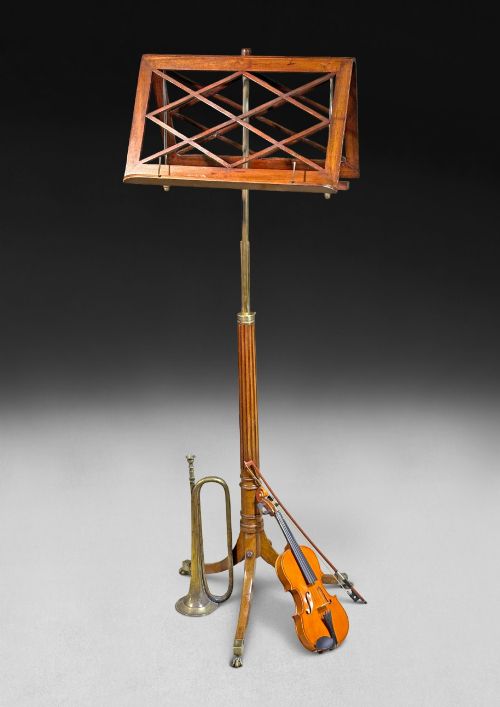
A brass music stand brings together adjustable metal columns and pivoting desks, designed to hold scores securely during practice or recital. The search phrase brass music stand covers items ranging from simple pivoting reading ledges to elaborate duet stands with telescopic shafts.
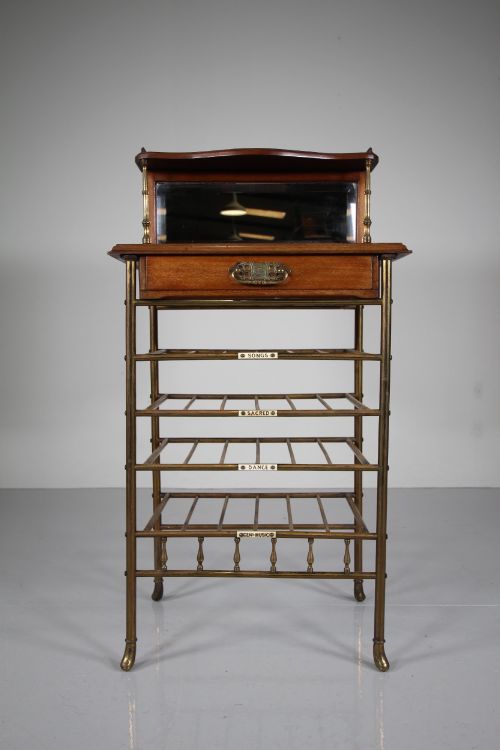
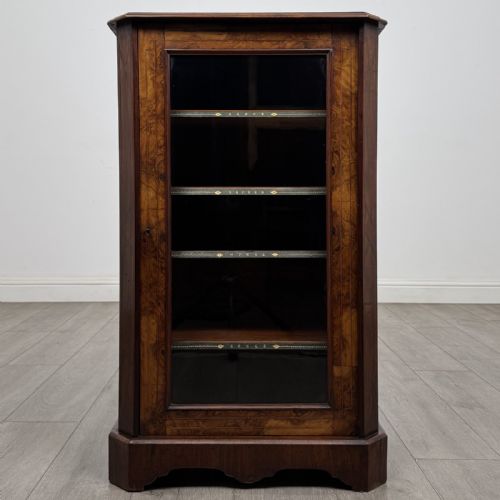
Most examples encountered here pair brass fittings with timber bodies such as mahogany, walnut or rosewood. Alongside dedicated stands, the listings include related forms like music cabinets, reading tables and canterburys.
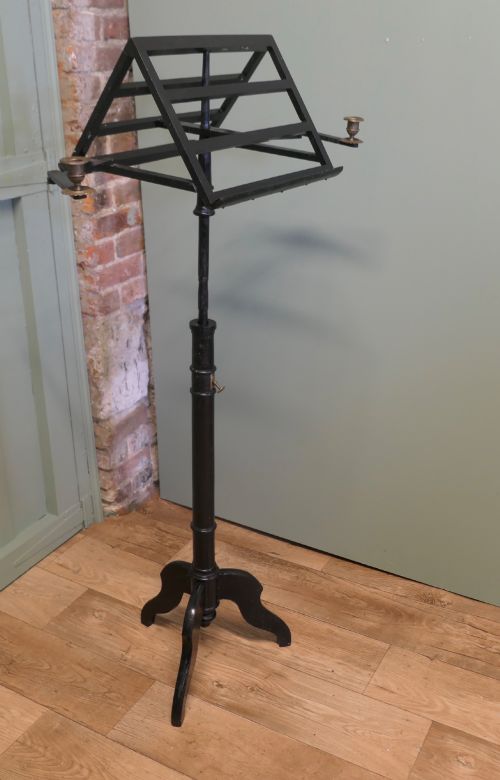
Originating across Georgian, Regency and Victorian eras, these pieces reflect changing domestic musical habits. Simple folding versions sit alongside heavy cast iron and brass reading machines designed for heavy volumes.
How they were made
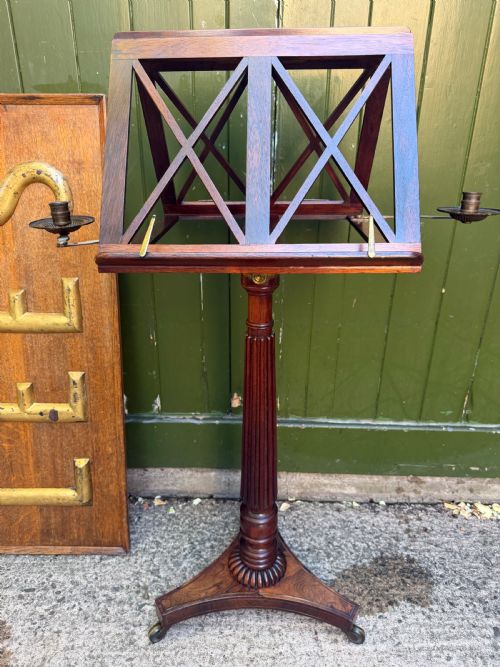
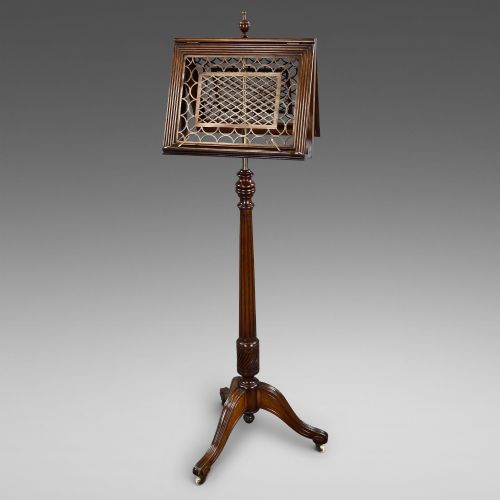
Makers combined turned brass columns with seasoned hardwoods such as mahogany and rosewood. Telescopic mechanisms relied on threaded brass collars and sliding stems to allow height and angle adjustment.
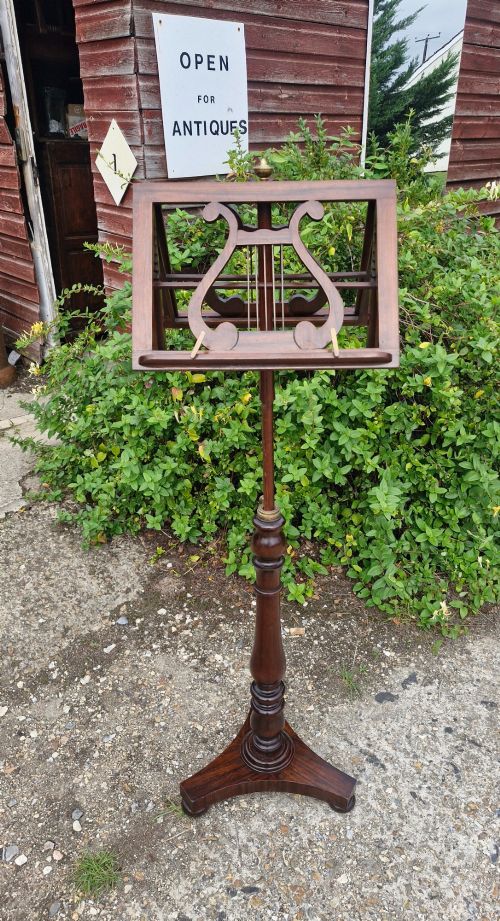
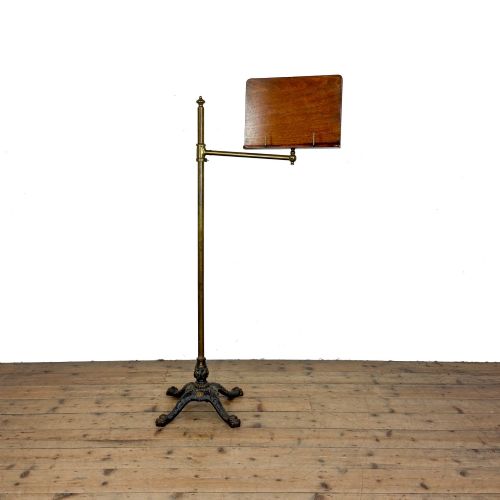
Brass inlay, cast brass lyre motifs and adjustable candle sconces added decorative and functional detail to the timber framework. Cast iron bases often provided the necessary weight to balance heavy extending reading desks safely.
Brass Music Stand Retail Price Guide 2026
Typical asking prices for brass music stand among the pieces listed under this phrase on Sellingantiques today, from the lower quarter to the upper quarter. They describe what is for sale here now, not the wider market.
Several stands include pivoting candle arms, reminding us that evening practice once relied on flickering wax rather than electric light.
What varies in quality
Quality rests in the precision of the mechanical adjustments and the weight of the castings. Superior stands feature smooth telescopic action that holds its position firmly without slipping.
Cabinetwork distinguishes finer examples, seen in figured burr walnut veneers, precise brass stringing and well-joined framework. The integration of brass fittings with the primary wood shows the maker's hand.
GILLOWS·Henry Ogden and Son·Collinson and Lock·Carters of London·Townsend and Co
The Brass Music Stand Glossary
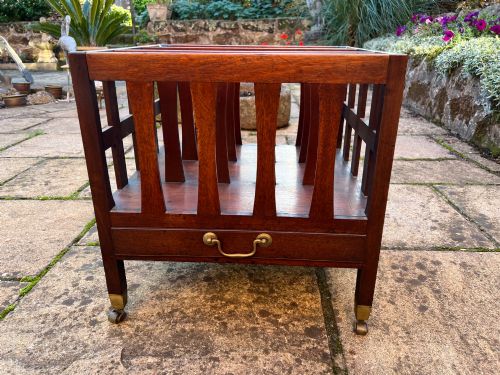
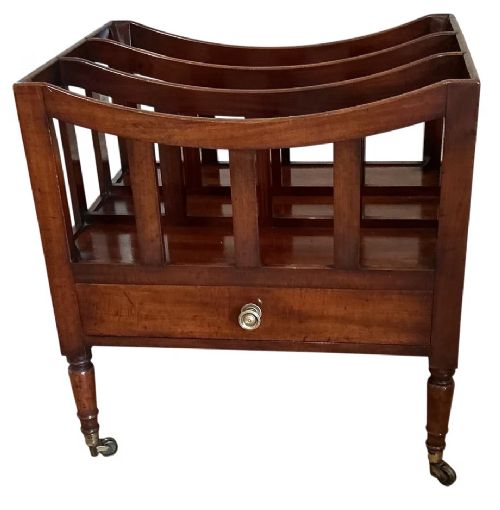
- Canterbury
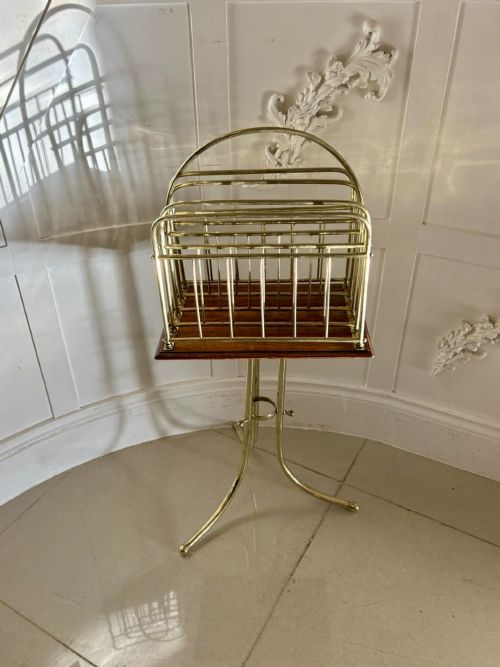
- A low stand with vertical partitions designed for holding sheet music, magazines or folios. It often includes a single drawer beneath the main compartment.
- Duet stand
- A wide music desk or a double-sided stand designed to accommodate two musicians reading from the same score simultaneously.
- Lyre-form
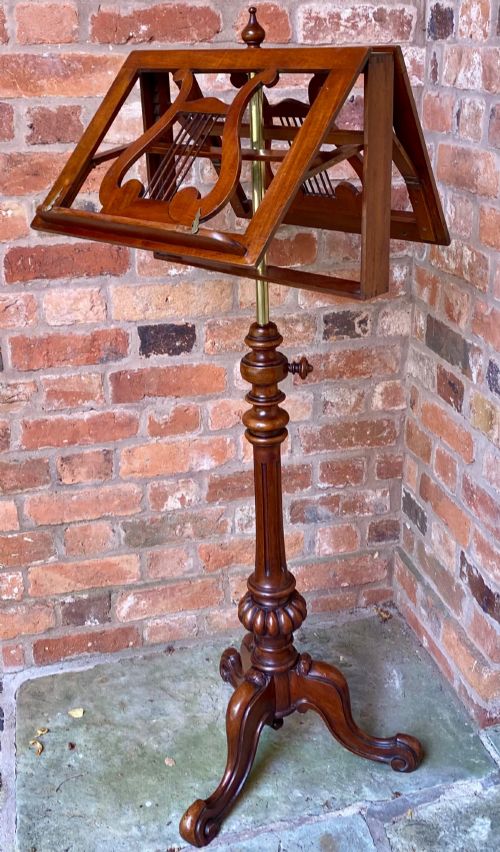
- A decorative motif shaped like an ancient musical instrument, frequently incorporated into the wooden or brass central support of a music stand.
- Telescopic
- An adjustable mechanism featuring concentric tubes that slide one inside another to alter the height of the desk.
- Lectern
- A raised stand with a slanted top designed to support a book or manuscript for reading at a standing position.
Brass Music Stand: Frequently Asked Questions
How do I adjust the height safely?
Loosen the brass collar or thumbscrew gently while supporting the weight of the desk with one hand. Slide the shaft to the desired position and tighten the screw firmly.
Avoid forcing rusted or stiff mechanisms, as antique brass threads require careful handling to prevent stripping.
Can these stands hold heavy books?
Many Victorian reading stands feature heavy cast iron or weighted brass bases designed to support large folios and heavy volumes. Standard music stands are built primarily for lighter sheet music.
Check the stability of the base and the width of the ledge before placing large reference books on older stands.
How do I date a brass music stand?
Examine the construction methods of the timber frame and the casting style of the brass components. Regency and William IV pieces often feature bold mahogany or rosewood with lyre motifs.
Later Victorian and Edwardian examples introduce more complex telescopic mechanisms and ebonised or walnut finishes.
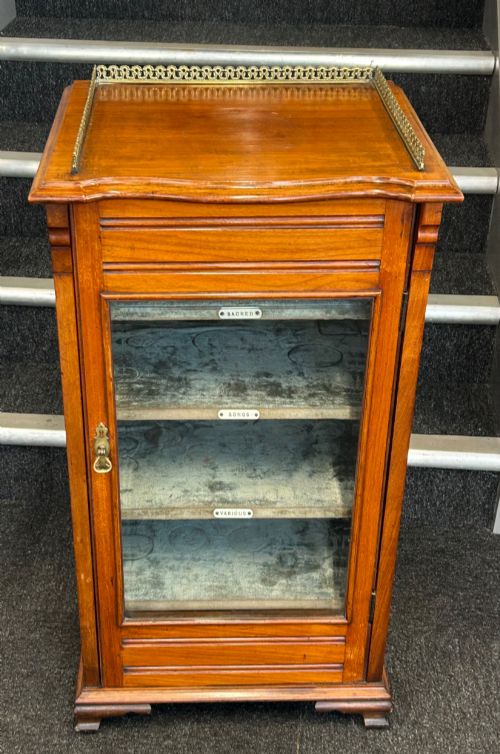
What is a music cabinet?
A music cabinet is an enclosed wooden piece of furniture fitted with shallow internal shelves or drawers specifically dimensioned for storing sheet music flat. They appeared frequently in Victorian and Edwardian drawing rooms.
These cabinets often feature glass doors, carved panels or inlaid woodwork matching contemporary parlour styles.