

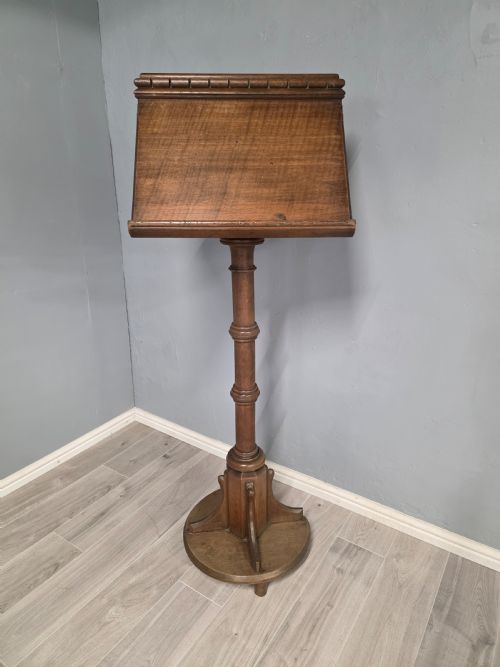

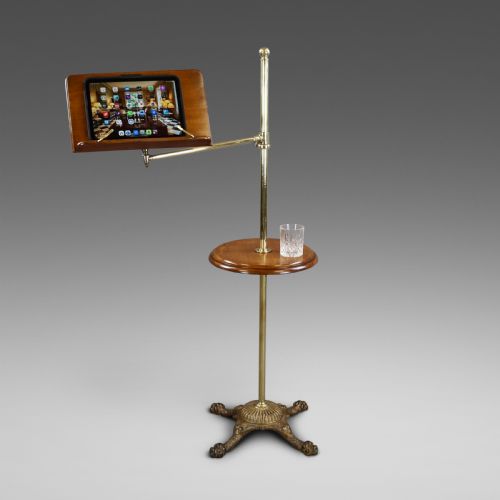


Antique Music Lectern
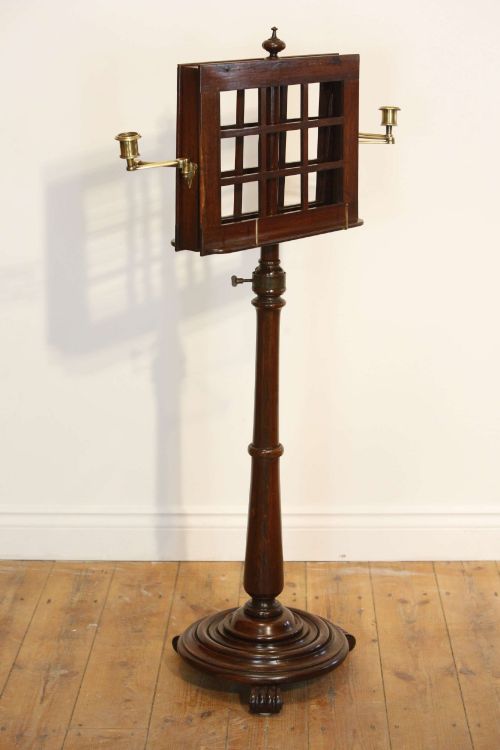
These antique music lectern examples span the Georgian, Regency, and Victorian periods, offering solid mahogany, rosewood, and brass construction for players and readers alike.
Antique Music Lectern
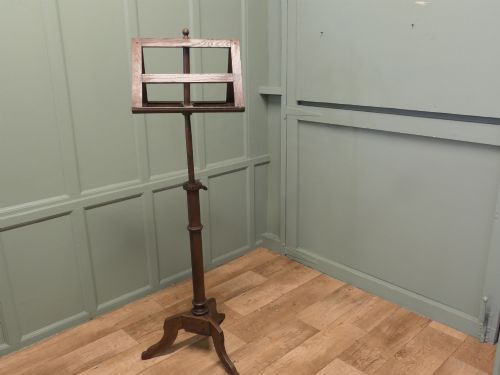
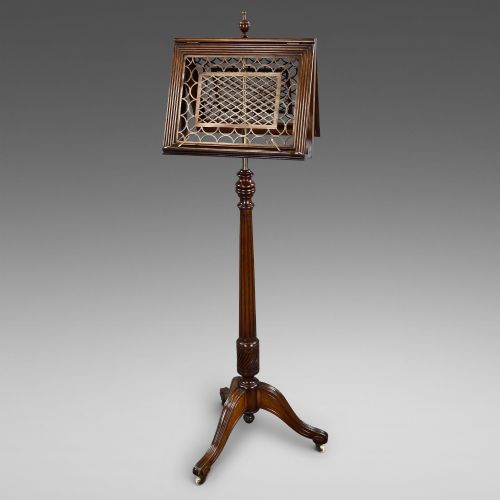
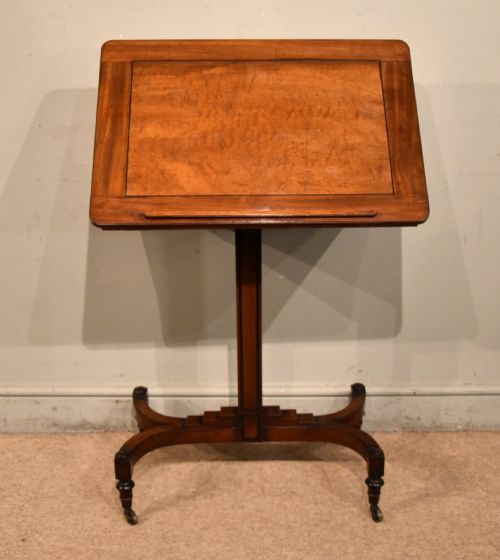
When you search for an antique music lectern, you are looking at practical furniture designed to hold scores, books, and sheets during performance or private study. The examples seen here range from simple reading stands and table rests to elaborate duet music stands and multi-tiered pieces.
The Victorian and Regency eras dominate the selection, alongside pieces from the Georgian period. Forms vary widely, taking shape as adjustable music stands, conductor stands, folding book rests, and even combination writing tables.
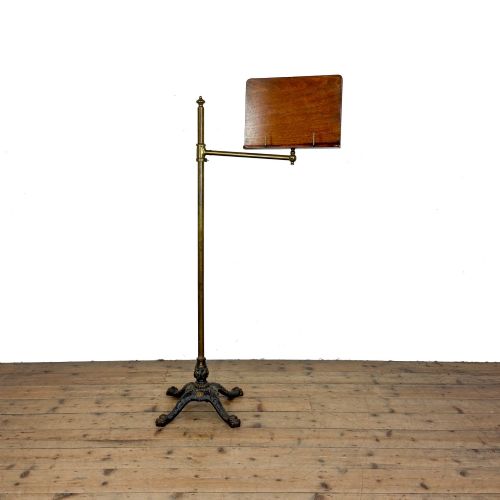
Mahogany and rosewood appear frequently among the woods utilised, alongside oak, walnut, and burr walnut. Brass and cast iron fittings provide the mechanical movement necessary for adjusting height and angle.
Materials and construction
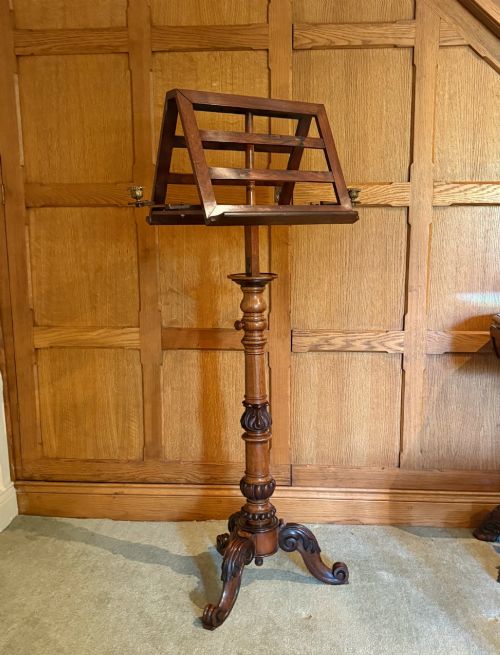
Cabinet makers worked primarily in dense hardwoods such as mahogany, rosewood, and oak to provide stability for heavy bound scores and folios. Turned columns, reeded stems, and shaped bases are common structural elements.
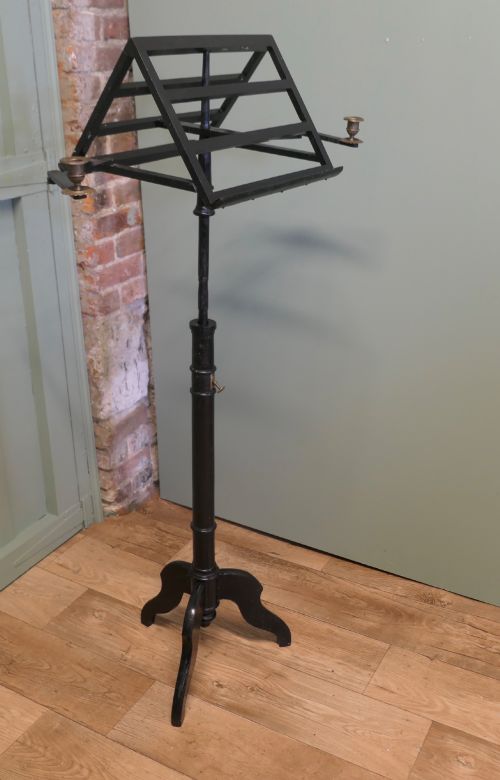
Metal components in brass and cast iron were integrated to allow articulation, letting users adjust the height, tilt, and rotation of the lectern rest. Brass ratchets, screw keys, and pivoting brackets give these stands their functional adaptability.
Antique Music Lectern Retail Price Guide 2026
Typical asking prices for music lectern among the pieces listed under this phrase on Sellingantiques today, from the lower quarter to the upper quarter. They describe what is for sale here now, not the wider market.
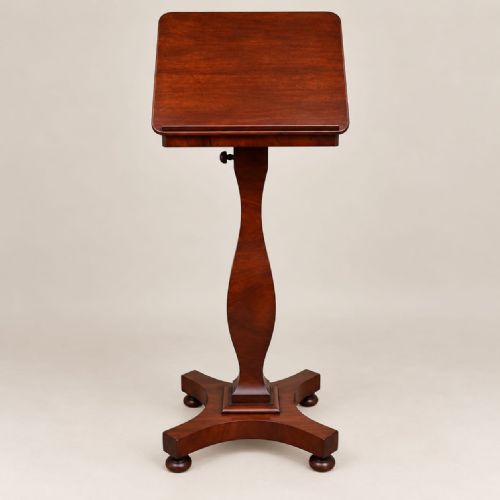
The listings show forms ranging from single-tier reading stands and table top book rests to multi-tiered whatnots and complex duet stands.
Distinctions in quality
Quality rests upon the sophistication of the mechanical adjustment mechanism and the choice of timber figure. Higher grade pieces utilise dense, highly grained rosewood or burr walnut with finely cast brass ratchets that operate smoothly.
Design complexity also separates standard reading stands from exceptional duet stands and multi-tiered whatnots. Pieces attributed to known makers or incorporating specialised writing surfaces and folding concertina brackets represent the upper tier of the selection.
GILLOWS·Townsend and Co.·Leveson London·Zimmermann
The Antique Music Lectern Glossary
- Duet music stand
- A wide music stand designed to accommodate two musicians reading from the same shared book or score.
- Lectern
- A slanted support holding a book, score, or notes at an ergonomic angle for a standing or seated speaker or musician.
- Adjustable reading stand
- Furniture featuring a mechanical mechanism to alter the height or tilt of the book rest according to the user preference.
- Whatnot
- A piece of open shelving furniture, occasionally combined with articulated lecterns or tiers for display and storage.
- Ratchet
- A notched metal mechanism used beneath the book rest to secure the lectern at various angles of inclination.
Antique Music Lectern: Frequently Asked Questions
What is an antique music lectern used for?
These stands support sheet music, orchestral scores, and large books for musicians and readers. They hold reading material at a comfortable viewing angle during practice or performance.
Many examples feature adjustable stems and pivoting rests so the user can alter the height and tilt. Some designs incorporate tables or multiple tiers for holding accessories and writing instruments.
How do I identify a Regency music stand?
Regency stands often feature robust mahogany or rosewood timbers with turned or reeded columns. They frequently date from the early nineteenth century and display restrained classical proportions.
Look for heavy circular or tripartite bases supported by scroll feet. The adjustment mechanisms on these pieces rely on traditional brass pegs, screws, and sliding stems.
What woods were used for music lecterns?
Cabinet makers predominantly utilised dense tropical hardwoods like mahogany and rosewood. Oak and walnut also appear regularly, particularly in country pieces or later Victorian designs.
Finer examples occasionally showcase burr walnut veneer or brass inlay. These materials provided the necessary structural strength to support heavy bound musical folios without tipping.
Are all antique lecterns adjustable?
Many examples feature mechanical adjustment for height and angle, though fixed table rests and simple folding book stands also exist. Adjustable models use brass ratchets, sliding brass columns, or thumbscrews.
Floor-standing models are more likely to offer full height adjustment for standing musicians. Tabletop versions generally adjust only the angle of the book rest.