

Regency Music Stand
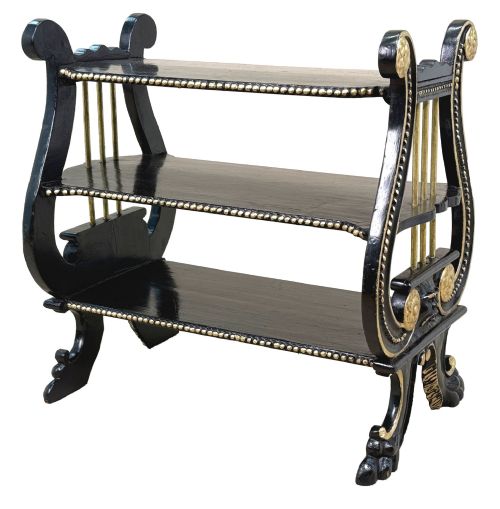
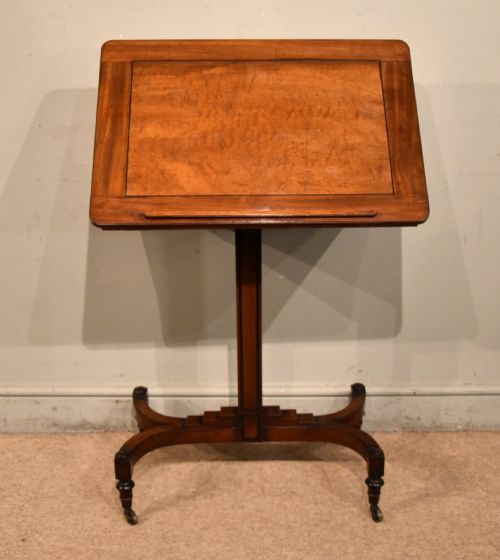
When you search for a regency music stand, you seek the adjustable reading ledges, lyre forms and canterburys crafted for period drawing rooms.
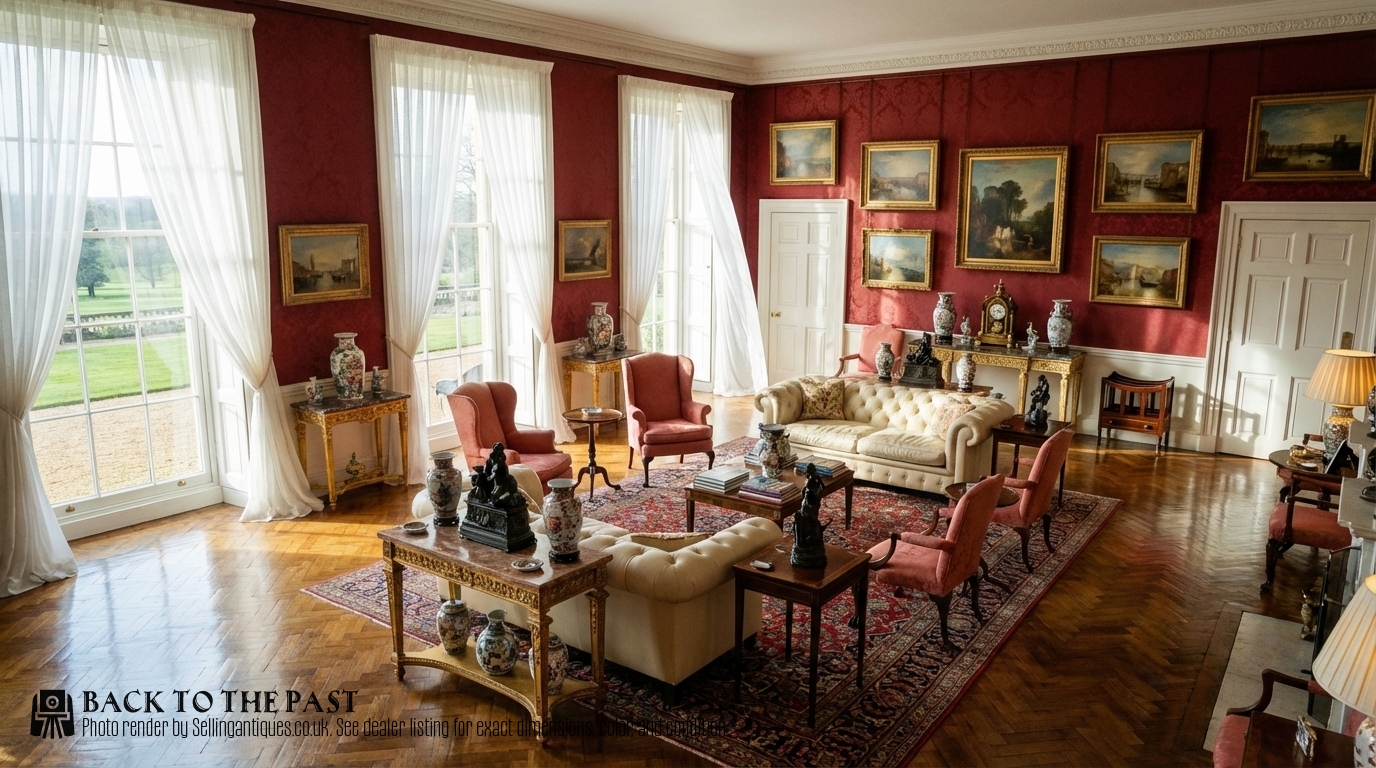
Regency Music Stand
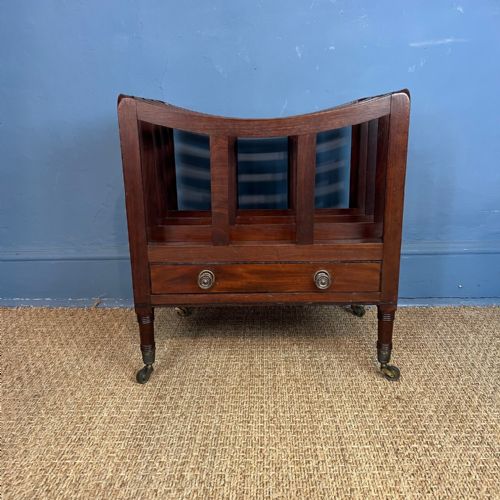
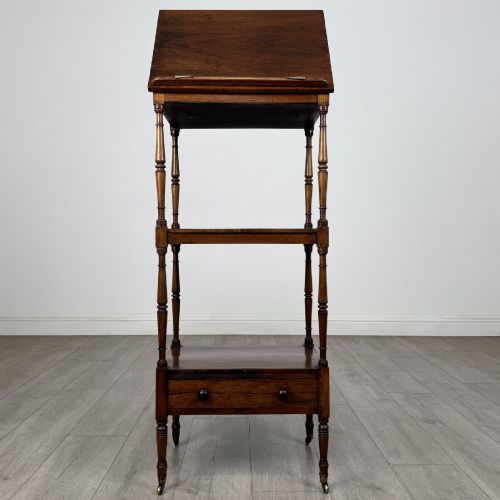
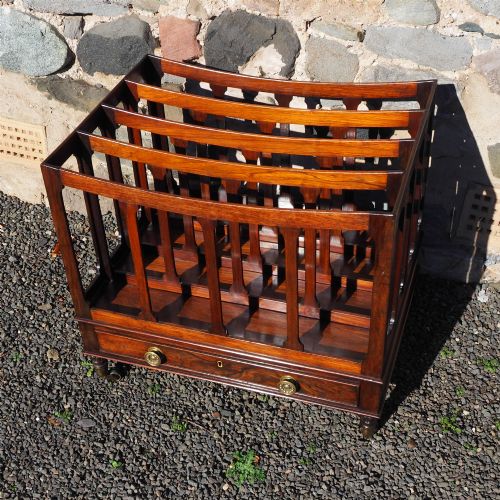
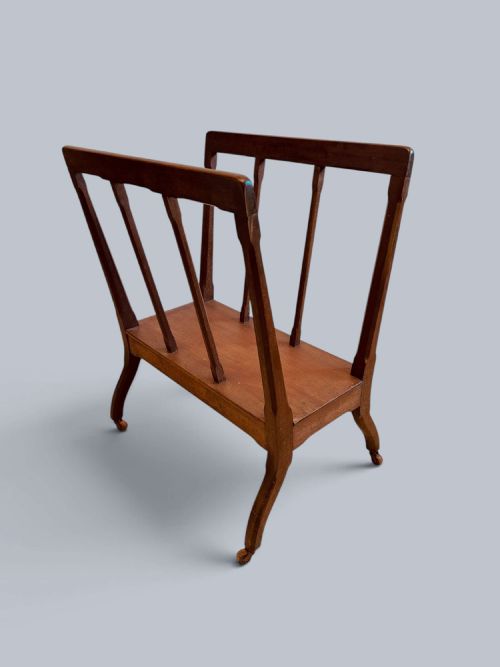
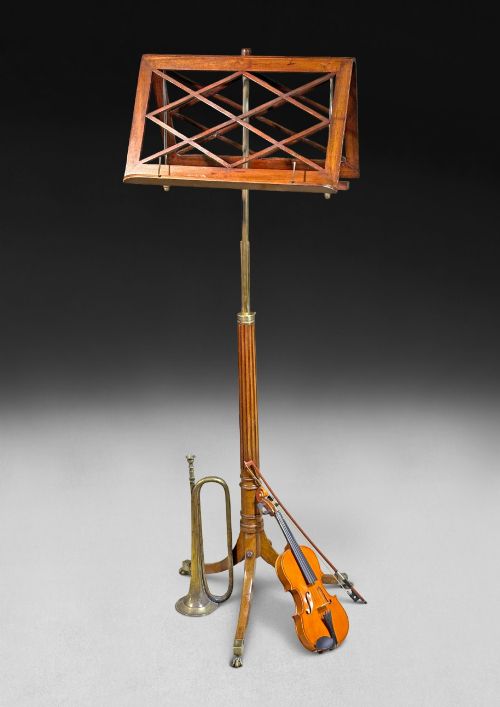
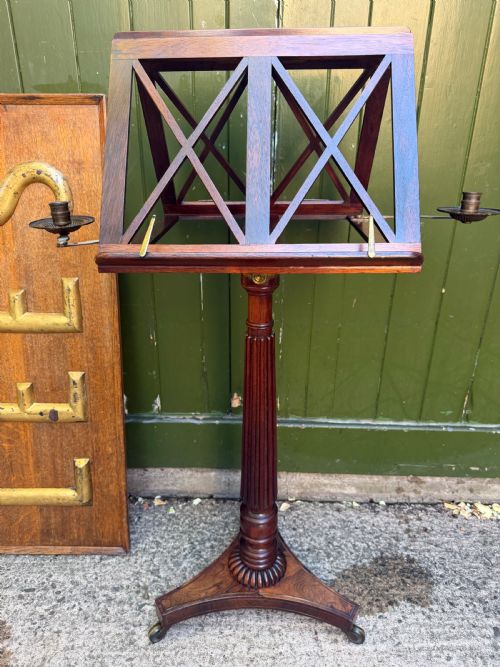
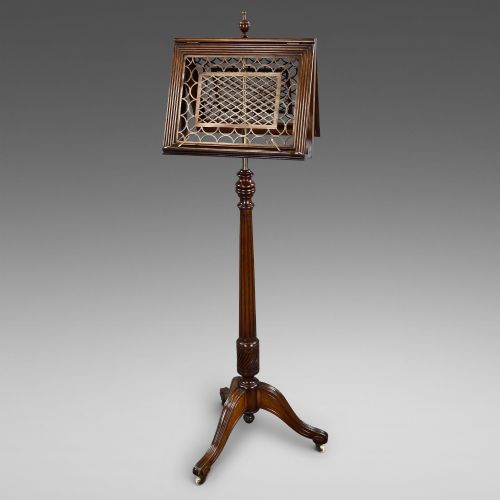
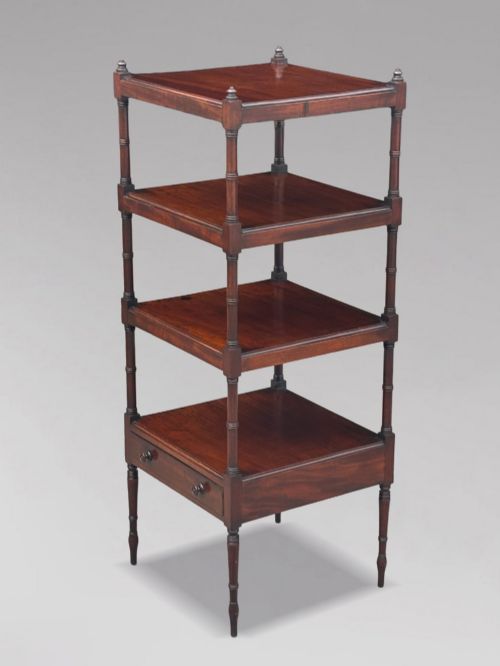
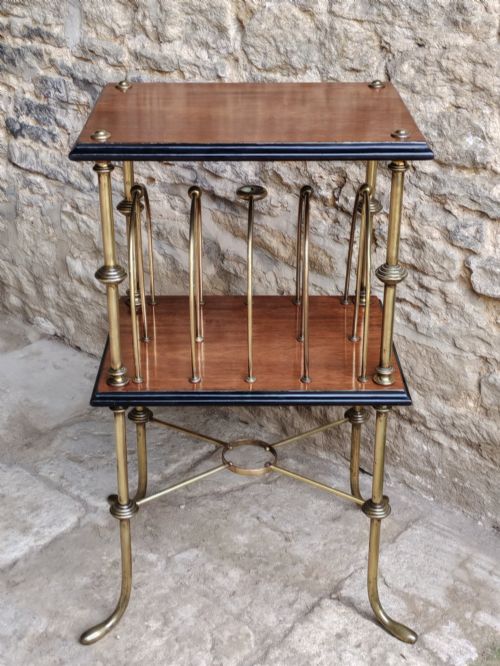
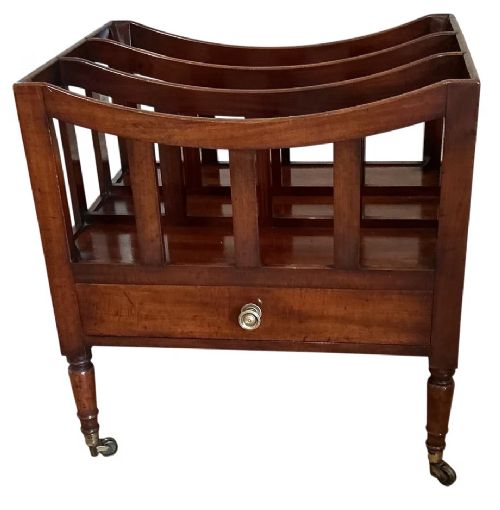
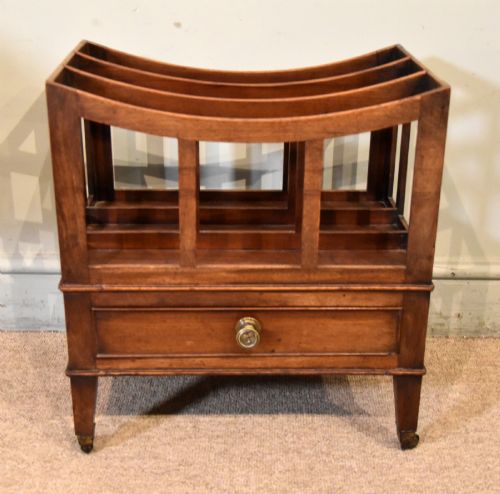
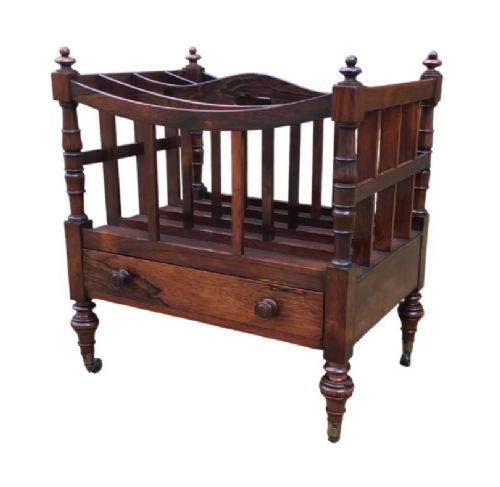
A regency music stand encompasses freestanding lecterns, adjustable reading tables, duet stands and multi-tiered canterburys designed to hold scores and folios. These pieces serve as functional furniture built to support musicians and readers in period interiors.
The versions met most frequently on this page belong to the Regency, George III, George IV and William IV periods, alongside later nineteenth-century interpretations. Mahogany and rosewood dominate the surviving forms, frequently paired with brass mounts or inlaid satinwood.
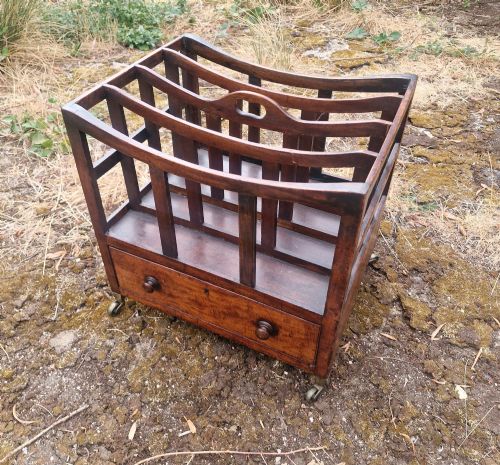
Makers integrated adjustable reading surfaces, folding mechanisms and compartmentalised bases to combine utility with the elegant lines of the era. The grouping frequently blurs into related forms such as whatnots and magazine racks.
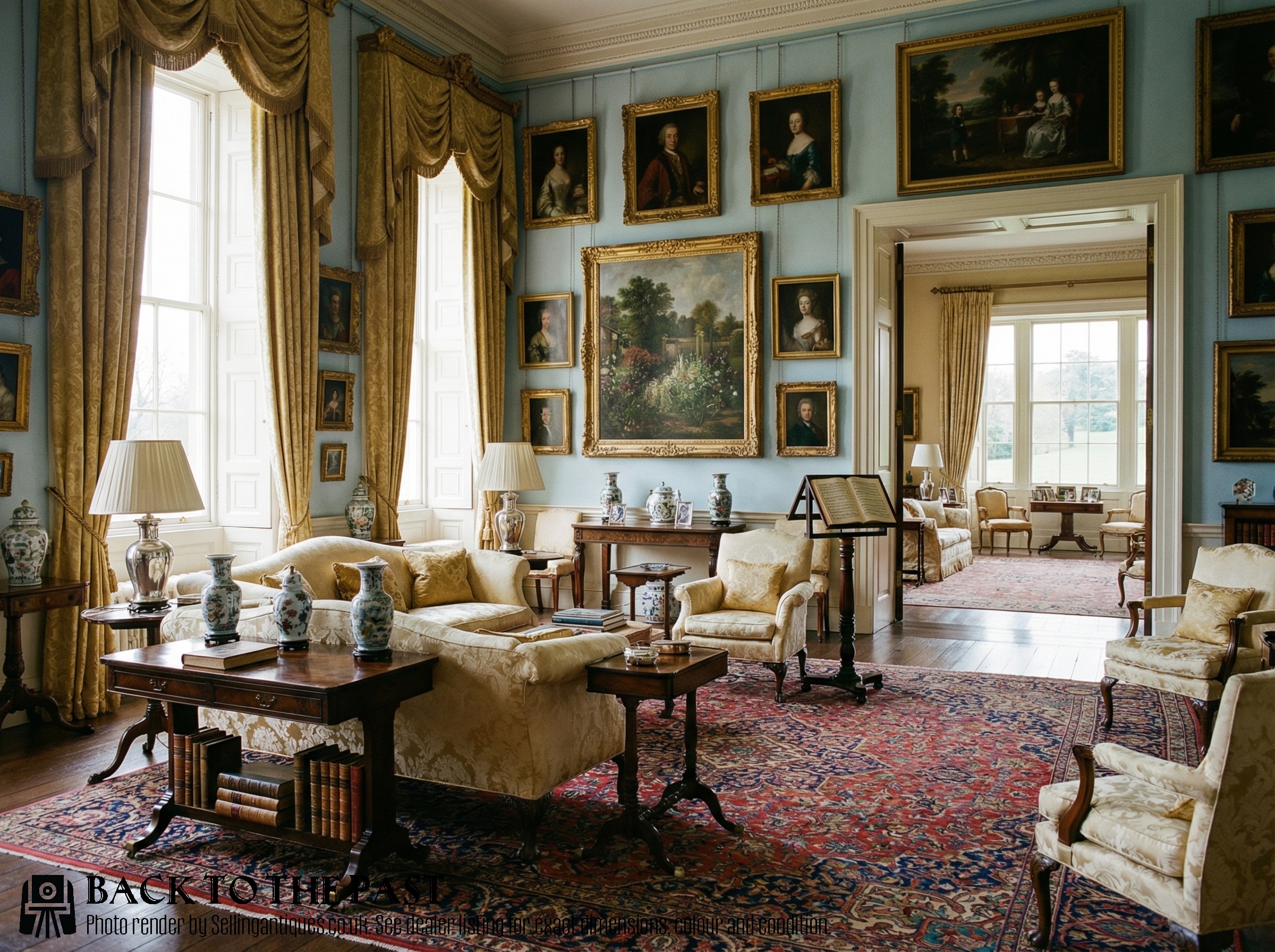
Materials and Construction
Joiners and cabinet-makers built these stands primarily in dense timbers such as mahogany, rosewood and walnut, occasionally selecting burr walnut, gonçalo alves or ebonised wood. These woods provided the structural strength required for slender pillars, tripods and lyre-shaped supports.
Brass formed an essential component, appearing in adjustable ratchets, reading hinges, castors and delicate inlay work. Craftspeople employed turning for upright columns and legs, alongside fretwork and carved details like Prince of Wales feathers.
Regency Music Stand Retail Price Guide 2026
Typical asking prices for regency music stand among the pieces listed under this phrase on Sellingantiques today, from the lower quarter to the upper quarter. They describe what is for sale here now, not the wider market.
Several stands include folding ledges designed to trap errant pages before they flutter to the floor.
Distinctions in Quality
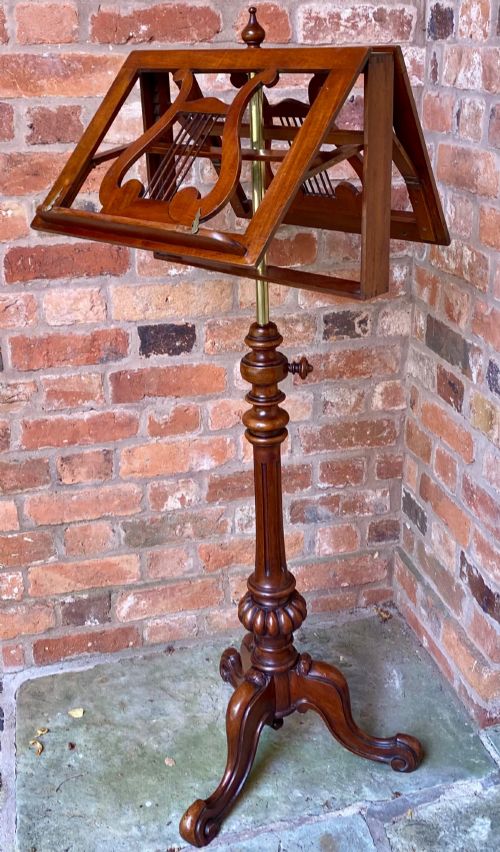
Quality rests upon the crispness of the timber carving, particularly within lyre motifs and fretted music rests, and the integration of mechanical parts like rise-and-fall ratchets. Finer pieces display carefully matched veneers and robust brass fittings that operate smoothly without slackness.
Proportion and stability separate standard utility items from superior examples. Well-balanced tripod bases and heavily figured rosewood or Cuban mahogany elevate a piece above simpler local workshop productions.
Gillows
The Regency Music Stand Glossary
- Duet Stand
- A music stand wide enough to accommodate two musicians reading from a shared open score. These often feature adjustable double-sided or folding lecterns.
- Lyre-Form
- A decorative support shaped like the classical stringed instrument. Cabinet-makers frequently utilised this motif for the central column or music rest of reading stands.
- Rise and Fall
- An adjustable mechanical action allowing the reading ledge to alter in height. This mechanism relies on brass stems, pegs or ratchet catches.
- Whatnot
- An open set of tiered shelves used for displaying or storing books and small objects. They occasionally incorporate music stands or reading surfaces into their upper tiers.
Regency Music Stand: Frequently Asked Questions
What is a regency music stand?
A regency music stand is a wooden support designed to hold sheet music or books at a readable angle, often featuring adjustable heights and folding lecterns.
These pieces range from single-pillar tripod stands to elaborate duet lecterns and compartmented canterburys built during the early nineteenth century.
How were music stands used originally?
Musicians and readers positioned these stands beside pianofortes, desks or chairs to hold open scores during evening performances or study.
Adjustable mechanisms allowed users to alter the angle and height whether sitting or standing in the drawing room.
How do I live with a music stand?
These stands integrate easily into modern sitting rooms as functional display surfaces for open art books, folios or small collections.
Their narrow footprints and slender pillars allow them to occupy corners or spaces beside seating without crowding a room.
How do I tell periods apart?
Earlier George III and Regency pieces favour linear elegance, satinwood inlay and delicate brass stringing, often incorporating lyre motifs.
Later William IV and Victorian examples tend towards heavier proportions, bolder rosewood grain, carved scrolling and more robust structural turnings.