




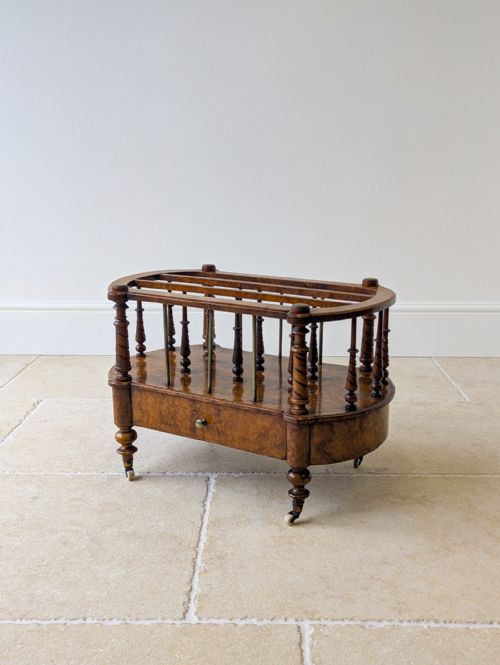
Wooden Sheet Music Stand
A wooden sheet music stand brings functional period elegance to a room, holding scores and folios with traditional craftsmanship.

Wooden Sheet Music Stand
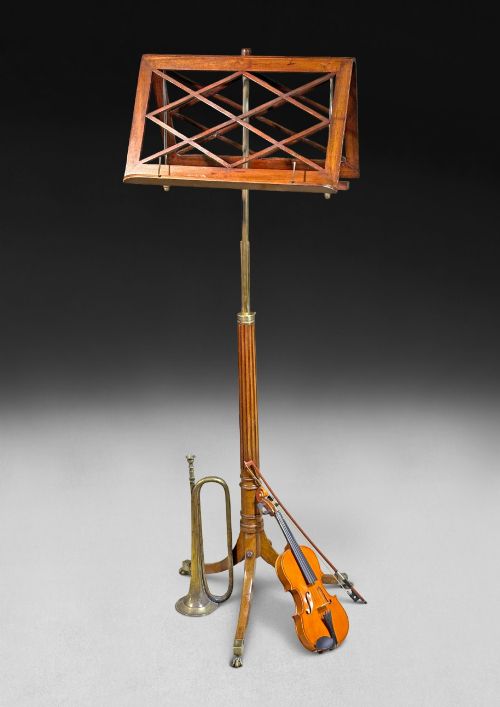
Buyers seeking a wooden sheet music stand encounter a variety of period forms designed to hold scores, folios and periodicals. These pieces range from adjustable reading stands and duet stands to multi-tier canterburys and enclosed music cabinets.
The selection on this page draws primarily from nineteenth-century Georgian, Regency, William IV, Victorian and Edwardian periods. Mahogany and burr walnut dominate the forms, frequently accompanied by oak, rosewood and satinwood inlay.
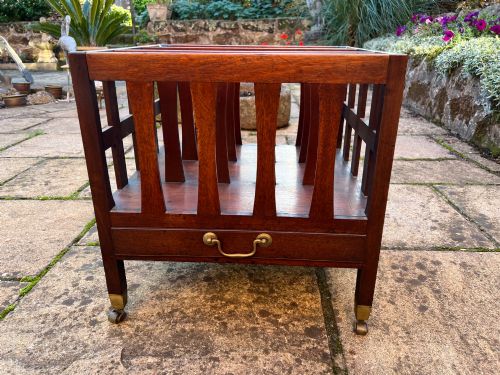
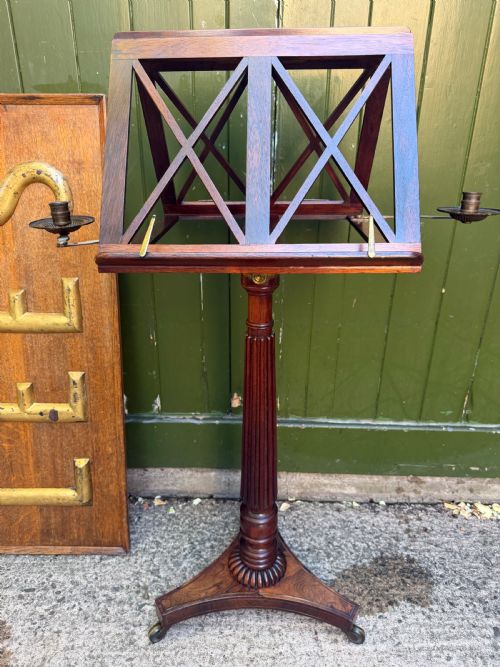
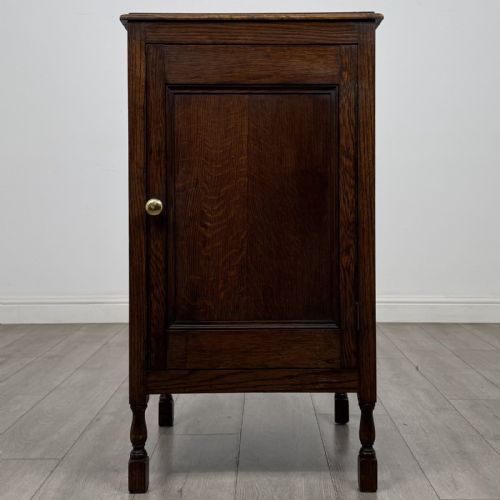
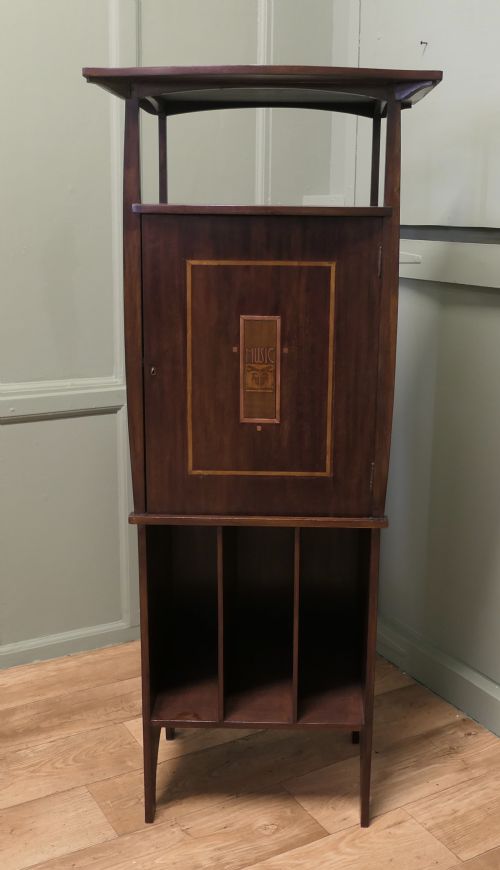
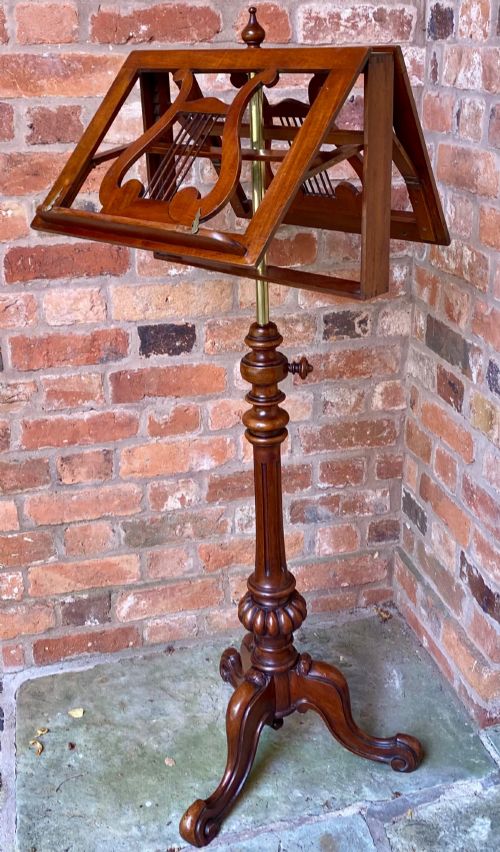
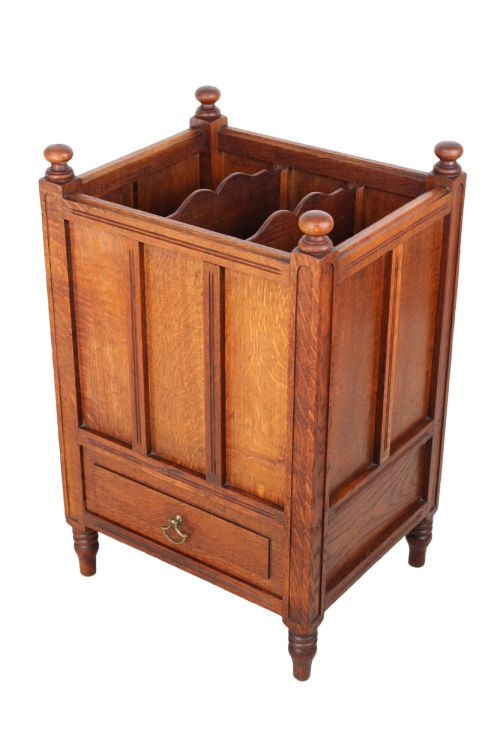
Canterburys and music cabinets form the bulk of the domestic items, alongside freestanding adjustable lecterns and fretted duet stands. Makers utilised specific regional woods and decorative motifs to distinguish pieces made for the drawing room from those intended for the music room.
How they were made
Cabinet makers utilised solid timber and choice veneers, selecting mahogany, burr walnut and oak for their structural stability and rich grain patterns. Brass fittings appeared on adjustable reading mechanisms, castors and handles.
Construction involved traditional joinery techniques, turning and fretwork, with some pieces incorporating satinwood inlay and detailed carving. Canterburys typically combined tiered vertical partitions with lower drawer compartments, whilst music cabinets utilised panelled doors and internal filing shelves.
Wooden Sheet Music Stand Retail Price Guide 2026
Typical asking prices for wooden sheet music stand among the pieces listed under this phrase on Sellingantiques today, from the lower quarter to the upper quarter. They describe what is for sale here now, not the wider market.
Listings feature mahogany, walnut, burr walnut, oak, rosewood and satinwood inlay across multiple nineteenth and early twentieth-century periods.
What varies in quality
Quality rests upon the selection of timber veneers and the crispness of carved or fretted details. Superior examples exhibit finely figured burr walnut or dense mahogany, alongside well-executed brass adjustment mechanisms that operate smoothly.
Proportion and structural integrity distinguish finer workshops from standard production. Pieces bearing specific maker attribution or sophisticated inlay work command greater interest among collectors.
GM Elwood for JS Henry·Denby and Spinks·Henry Ogden and Son
The Wooden Sheet Music Stand Glossary
- Duet stand
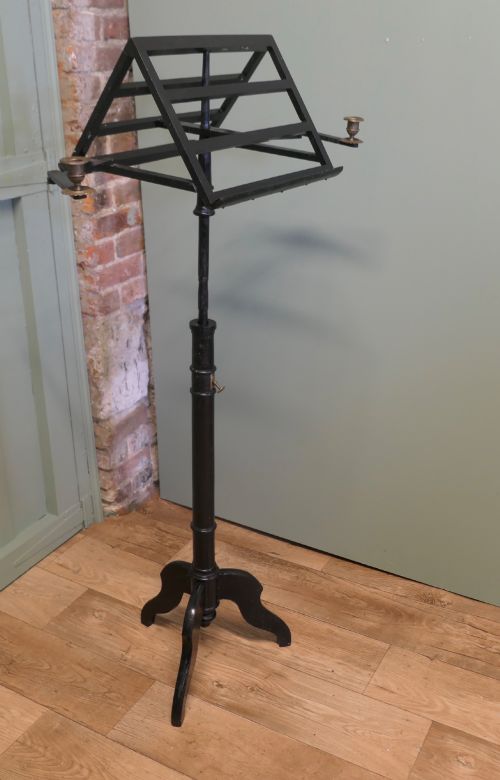
- A music stand configured to hold two scores simultaneously so two musicians can read side by side. These often feature adjustable height and reading angles.
- Lectern
- A tall freestanding stand with an angled desk top used for holding books or scores during reading or performance. Examples range from simple church lecterns to adjustable music tables.
- Lyre-form
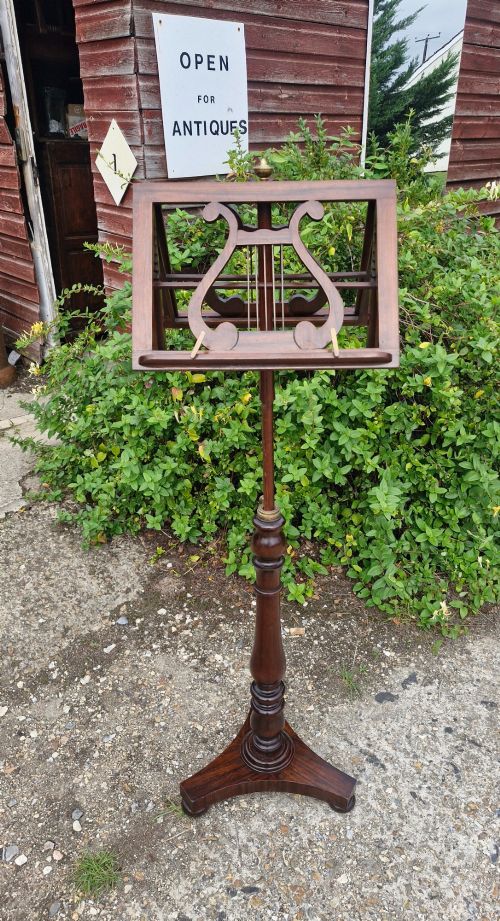
- A decorative motif shaped like an ancient stringed musical instrument, commonly incorporated into the central support of music stands and canterburys.
- Satinwood inlay
- A contrasting light-coloured exotic wood inserted into the primary timber surface to create decorative borders and geometric patterns.
Wooden Sheet Music Stand: Frequently Asked Questions
What is a wooden sheet music stand used for today?
These stands continue to serve musicians for holding sheet music and heavy scores during practice or performance. In modern homes, they function equally well as display furniture for magazines, books and folios.
Their decorative forms allow them to sit comfortably in living rooms, studies and hallways as occasional tables or storage racks.
How do I identify a Regency music stand?
Regency pieces often display classical influences such as lyre-shaped supports, brass mounts and dark mahogany grain. They typically date from the early nineteenth century and prioritise clean structural lines.
Adjustable reading tables and boat-shaped canterburys are particularly characteristic of this period style.
What is the difference between a canterbury and a music cabinet?
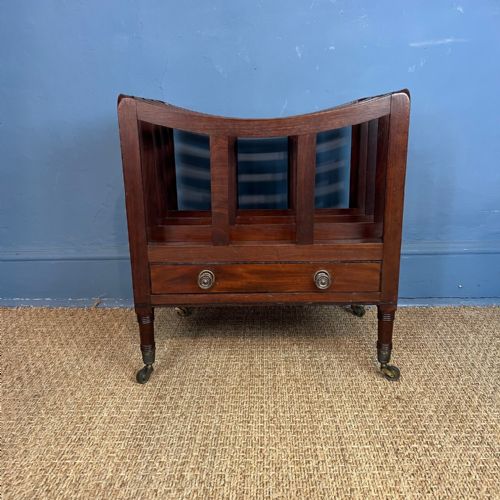
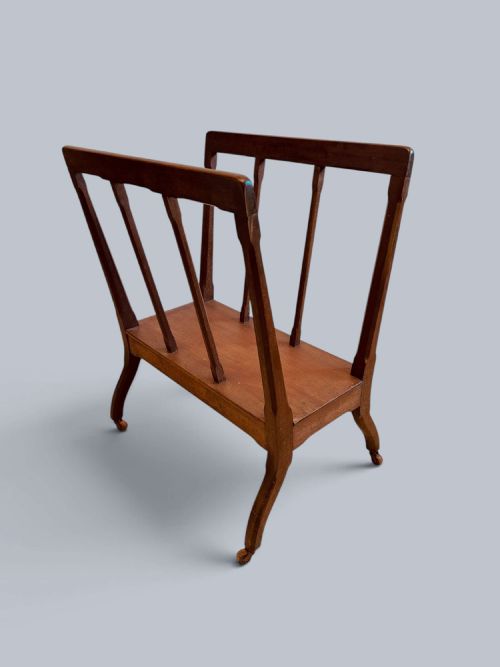
A canterbury is an open stand featuring vertical slatted partitions designed to hold loose sheets and periodicals upright. It often includes a small drawer and low legs on castors.
A music cabinet is an enclosed piece of furniture with solid or glazed doors and internal shelves or filing slots to protect scores from dust.
Are these stands adjustable?
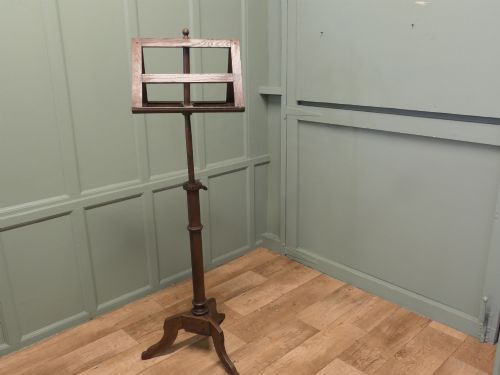
Many period reading stands and duet stands incorporate mechanical ratchets, screws or brass rise-and-fall stems to alter the height and reading angle. Fully adjustable examples allow the desk to tilt from vertical to horizontal positions.
Fixed canterburys and cabinets do not feature adjustable components, focusing instead on compartmentalised storage.