


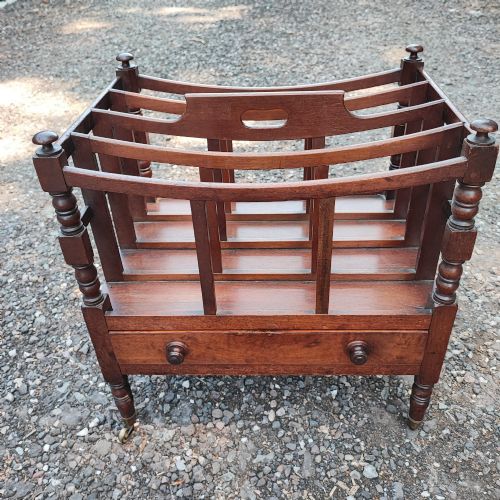
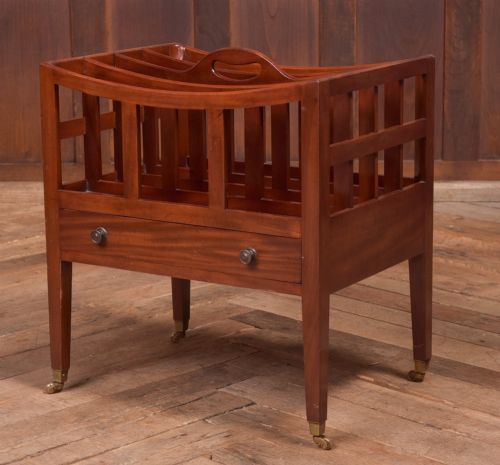
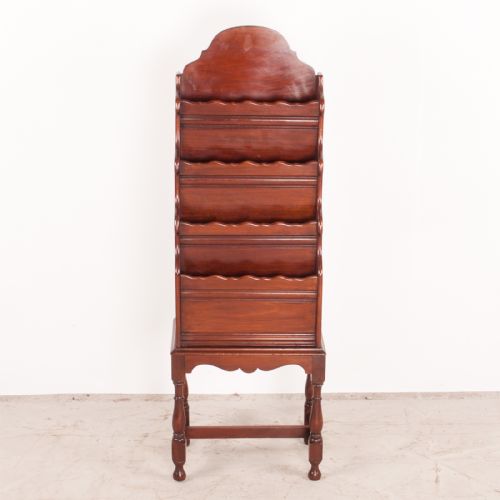
Vintage Magazine Holder
A vintage magazine holder organises periodicals with timeless timber craftsmanship, bringing period character to any sitting room.
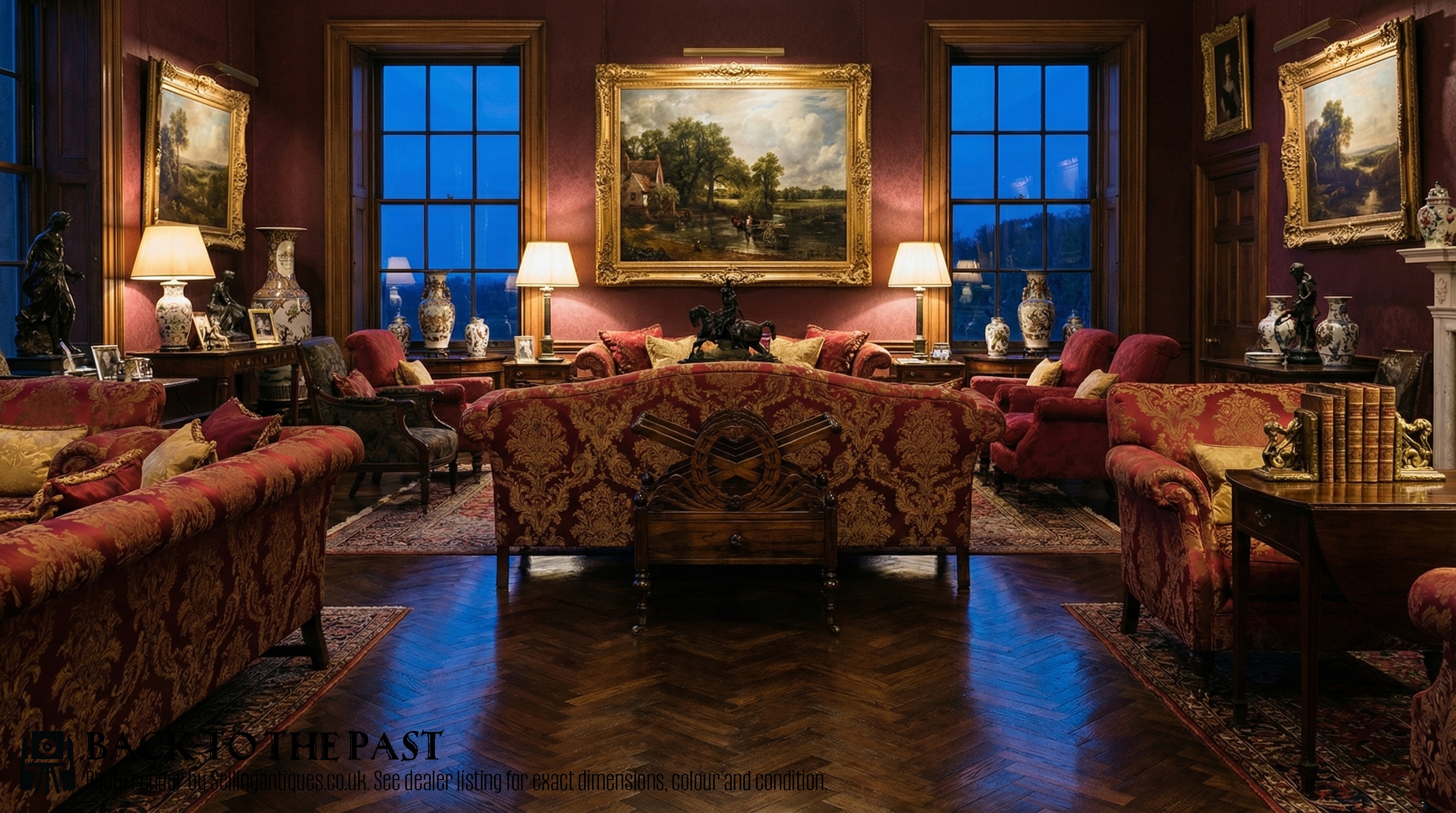
Vintage Magazine Holder
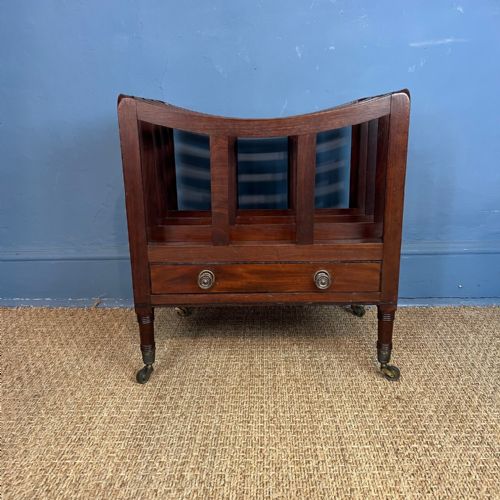
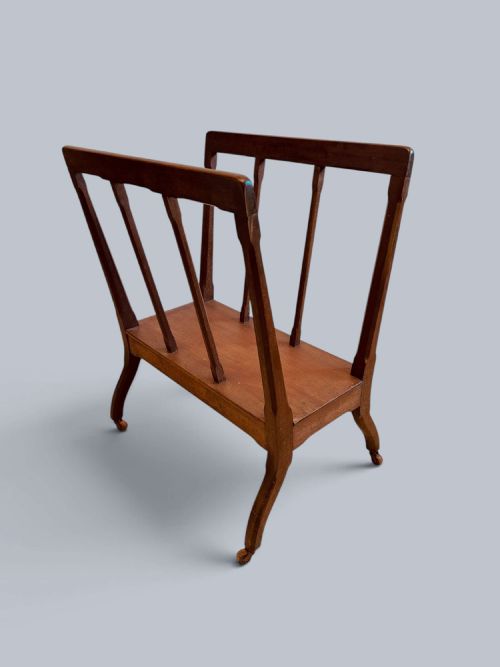
A vintage magazine holder encompasses traditional canterburys, tiered book troughs, and freestanding racks designed to keep daily reading materials close to hand. These pieces originate from periods spanning the Georgian, Regency, and Victorian eras through to the Edwardian period and the Arts and Crafts movement.
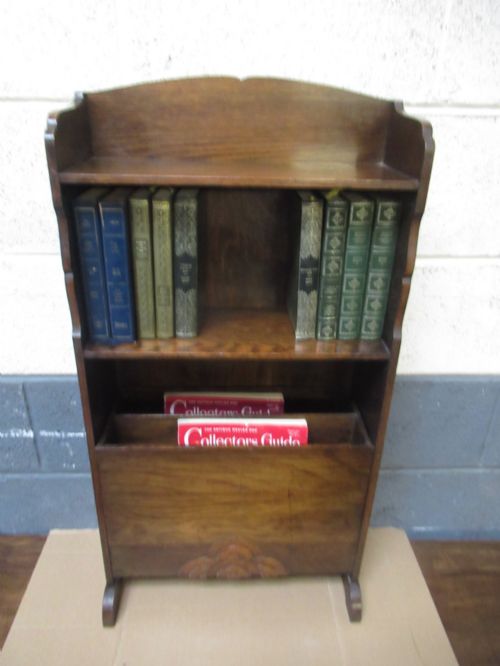
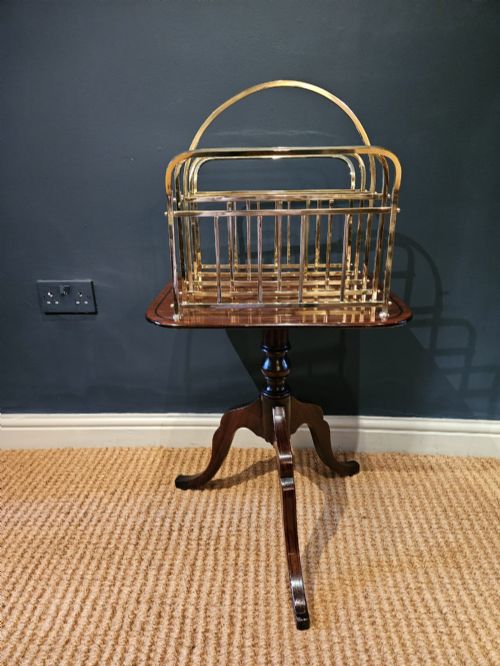
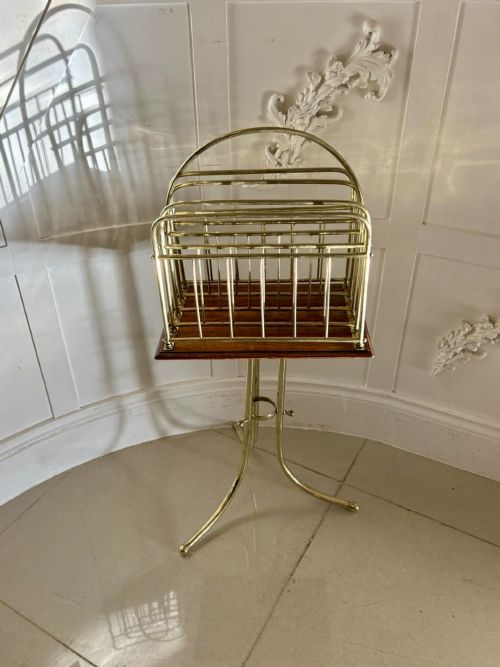
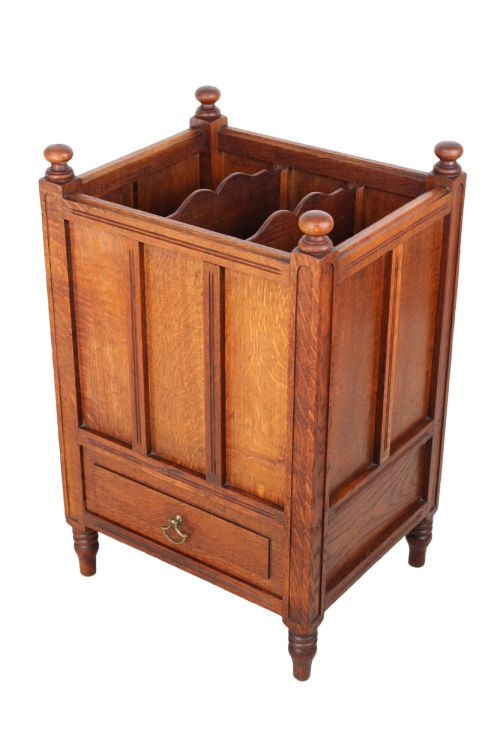
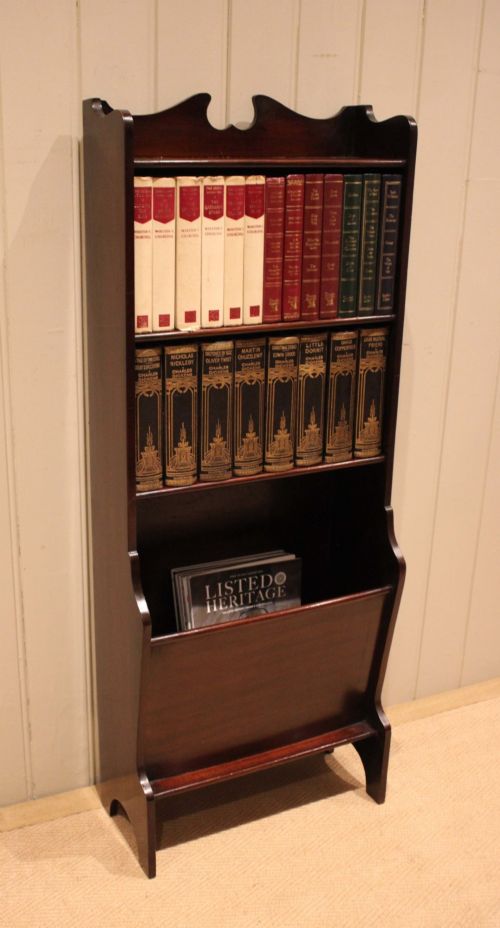
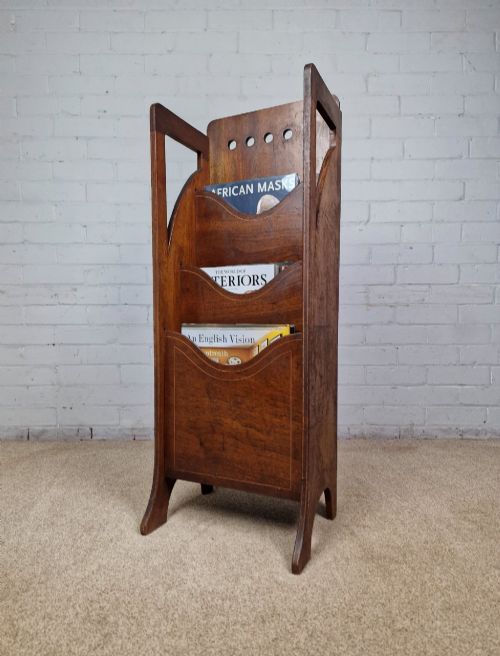
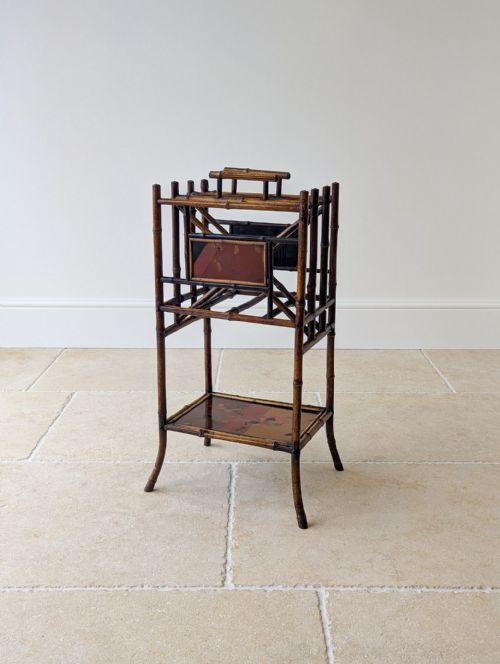
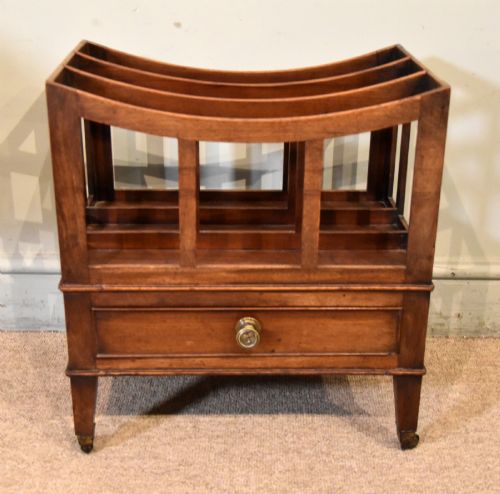
The most frequent forms met on this page are mahogany canterburys and oak magazine racks, often featuring partitioned sections for newspapers, folios, or sheet music. Collectors also encounter bamboo stands and brass newspaper holders from the late nineteenth and early twentieth centuries.
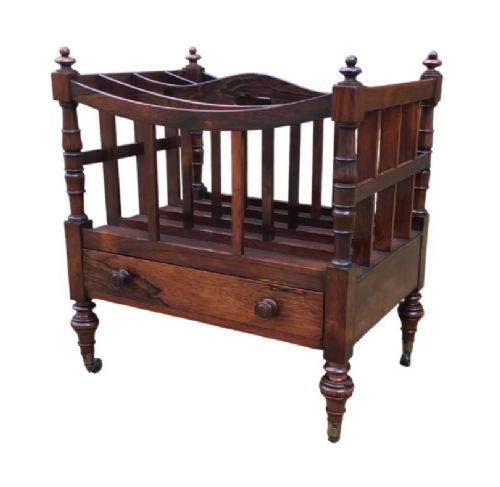
Earlier examples display formal lines in rosewood and mahogany, whilst later Edwardian and 1920s iterations utilise oak, fruitwood, and copper to suit domestic spaces of the period.
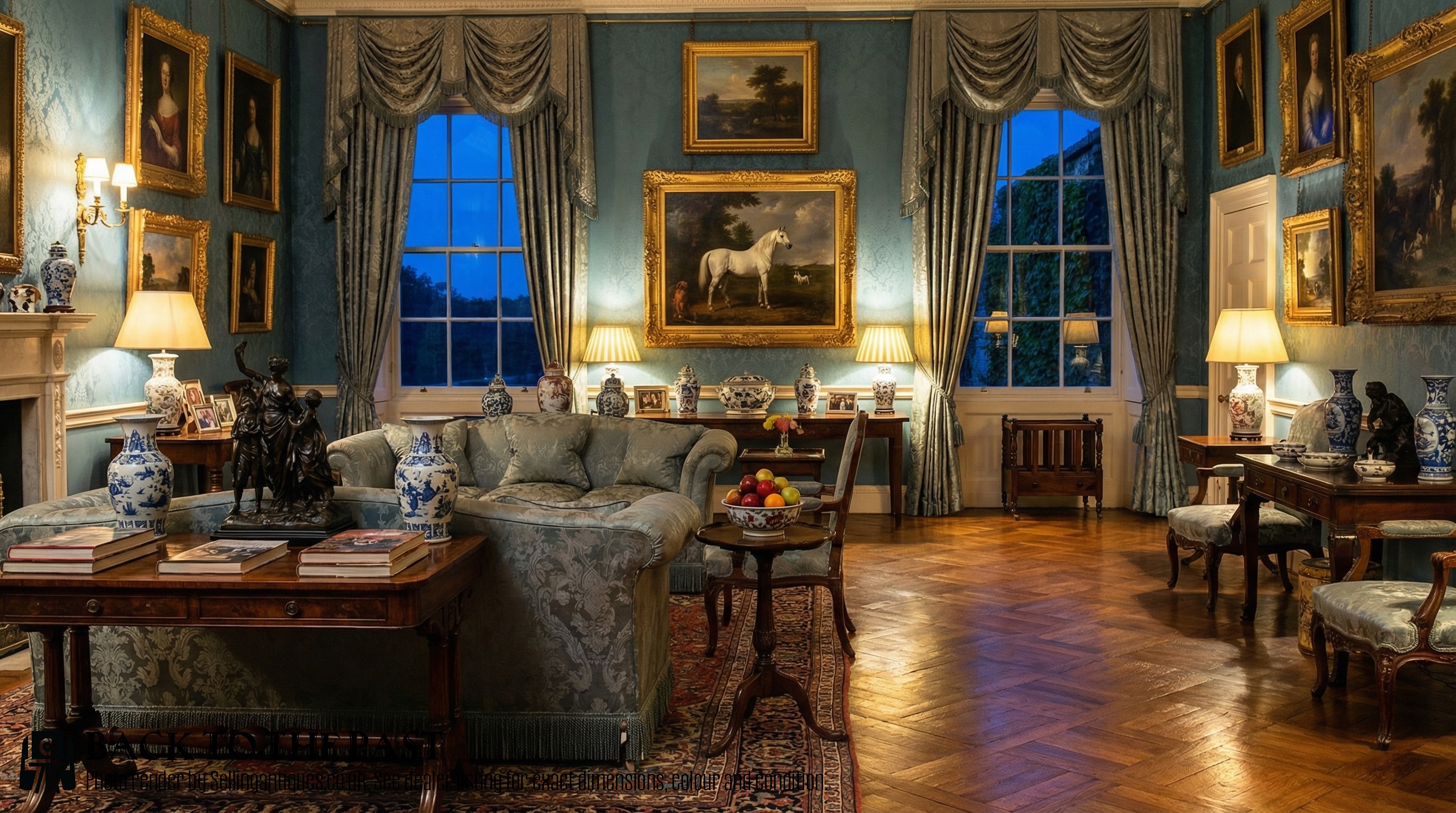
Materials and Techniques
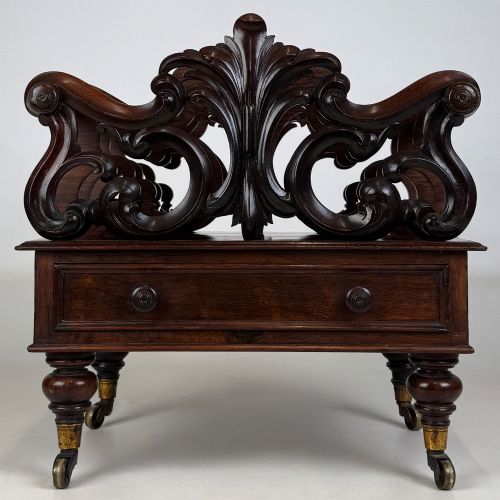
Cabinet makers utilised dense hardwoods such as mahogany, rosewood, burr walnut, and oak to construct the structural dividers and frames of these stands. Selected pieces incorporate turned wooden legs, brass castors, and carved details including Prince of Wales feathers.
Alternative constructions employ natural bamboo with bound joints, alongside spun or sheet brass and copper for wall-mounted and freestanding metal racks. Joinery methods range from pegged framing in Arts and Crafts pieces to fine dovetails and turning in Regency and Victorian workshops.
Vintage Magazine Holder Retail Price Guide 2026
Typical asking prices for vintage magazine holder among the pieces listed under this phrase on Sellingantiques today, from the lower quarter to the upper quarter. They describe what is for sale here now, not the wider market.
Period styles span Georgian, Regency, William IV, Victorian, Edwardian, and the Arts and Crafts movement.
Indicators of Quality
Quality reveals itself in the selection of timber veneers, such as richly figured burr walnut or Cuban mahogany, and the crispness of turned or carved elements. Superior items display careful joinery that maintains structural rigidity across partitioned compartments without relying on excessive glue or modern fixings.
Design sophistication separates standard utility pieces from exceptional examples, with refined proportions, elegant brass castors, and integrated drawers elevating the standing of a canterbury or folio stand within a room.
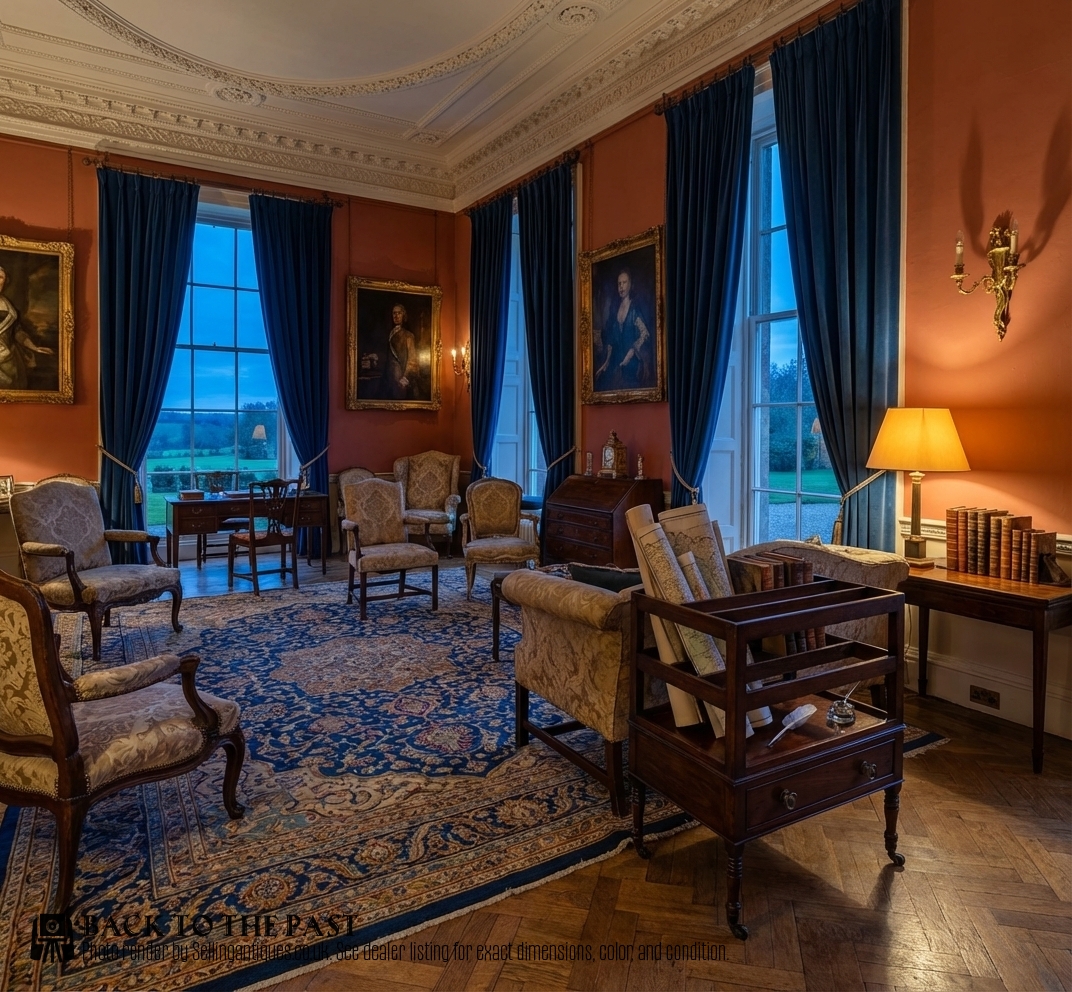
The Vintage Magazine Holder Glossary
- Canterbury
- A low, freestanding stand with partitioned sections, originally created in the eighteenth century for holding sheet music or loose folios before later adapting to periodicals.
- Folio stand
- A larger piece designed to hold oversized books, prints, or maps flat or upright, often seen in grand scale Regency examples.
- Book trough
- A desk or table-top rack with sloping sides to display books or magazines with the titles visible.
- Aesthetic Movement
- A late nineteenth-century design style that embraced exotic influences, seen here in bamboo and lacquered furniture forms.
- Castors
- Small wheel attachments fitted to the base of furniture legs to allow smooth movement across carpets and floors.
Vintage Magazine Holder: Frequently Asked Questions
What is a canterbury?
A canterbury is a partitioned stand traditionally used for holding sheet music, books, and folios. Over time, these versatile pieces naturally adapted to serve as storage for newspapers and magazines.
Most designs feature multiple upright sections above a low base, which occasionally incorporates a small drawer for accessories.
How do I date a magazine rack?
Dating relies upon observing the prevailing style, timber choices, and construction methods. Georgian and Regency pieces typically show fine mahogany or rosewood with turned legs, whereas Edwardian and 1920s versions often utilise plain oak or bamboo.
Examining fixings, timber grain, and secondary woods helps place a piece within its correct historical period.
Where should I place a canterbury?
These stands suit sitting rooms, studies, and libraries, where they sit neatly beside armchairs or sofas. Their compact footprints allow them to occupy tight corners whilst keeping reading material accessible.
Freestanding models on castors can also be moved easily around a room as needed.
Are brass and bamboo holders sturdy?
Quality brass and bamboo stands from the Victorian and Edwardian periods were engineered to withstand daily domestic use. Solid brass frameworks and securely bound bamboo joints provide reliable structural integrity.
Careful handling ensures these lighter materials remain stable and functional in modern homes.