


Antique Magazine Holder
An antique magazine holder brings classic timber and brass to your daily reading, keeping papers tidy with genuine period charm.

Antique Magazine Holder
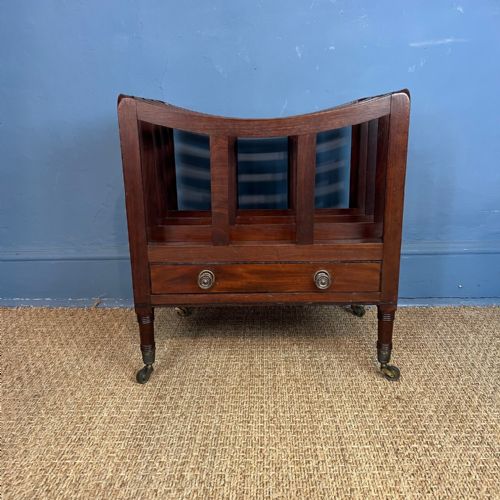
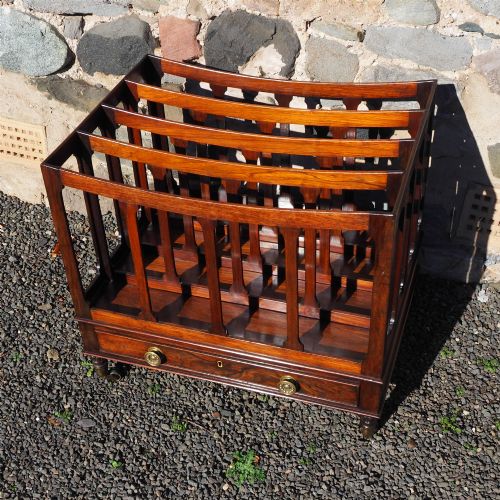
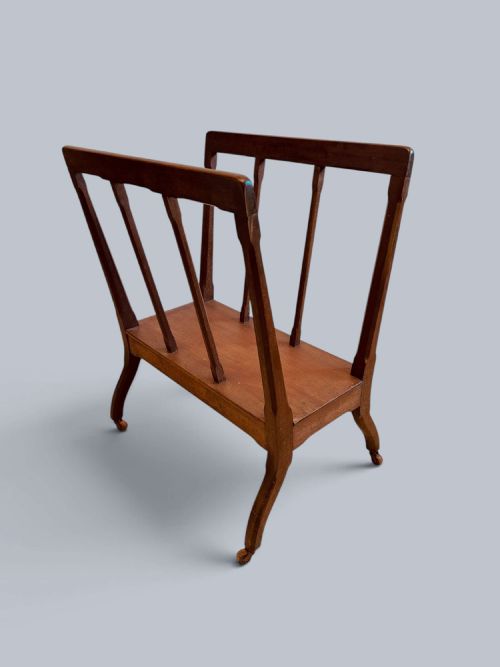
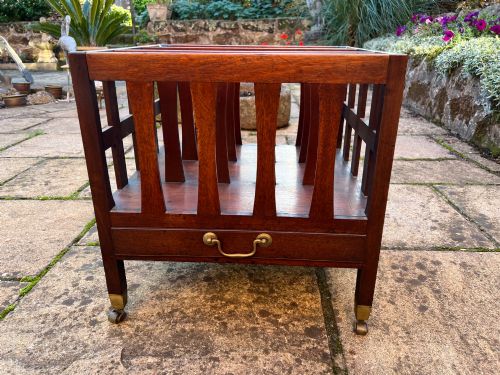
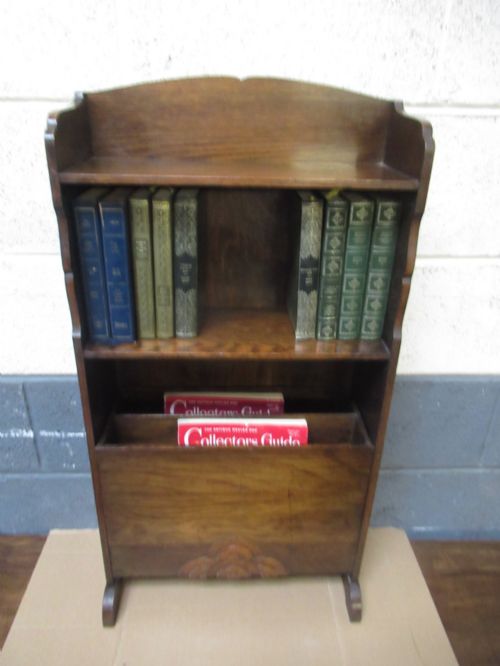
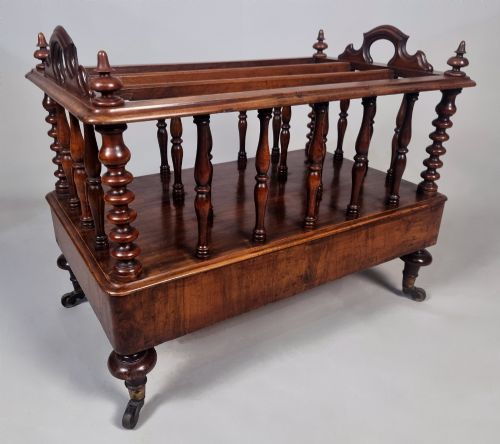
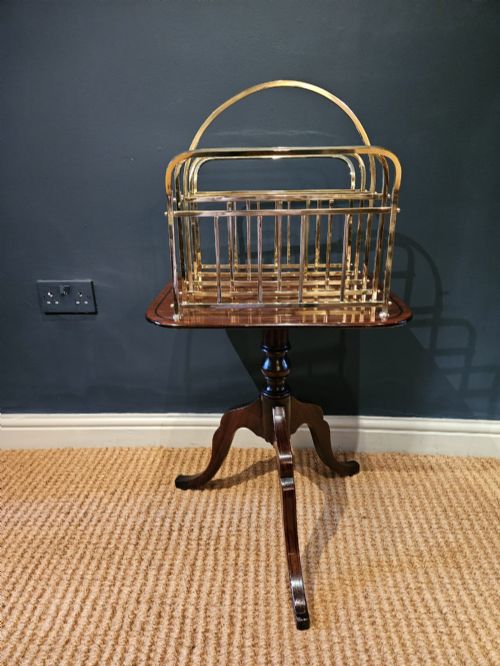
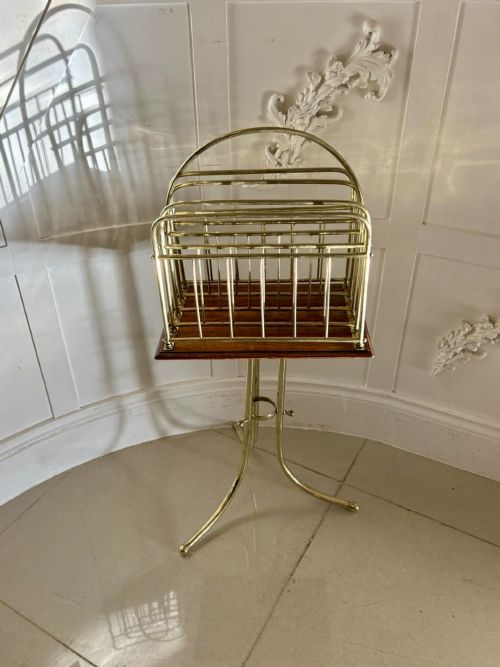
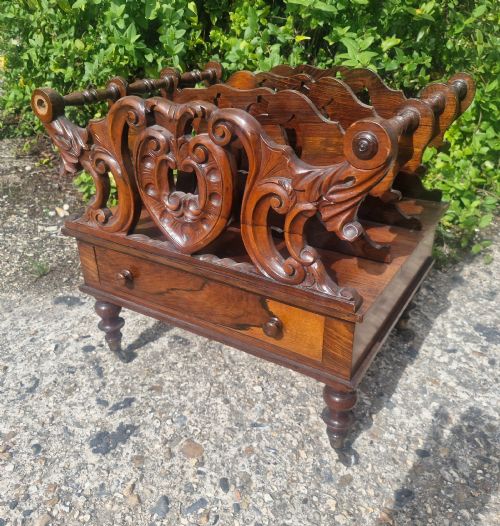
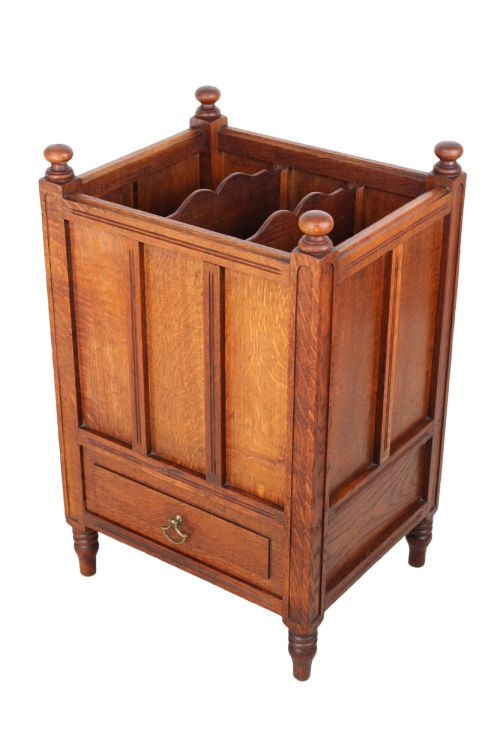
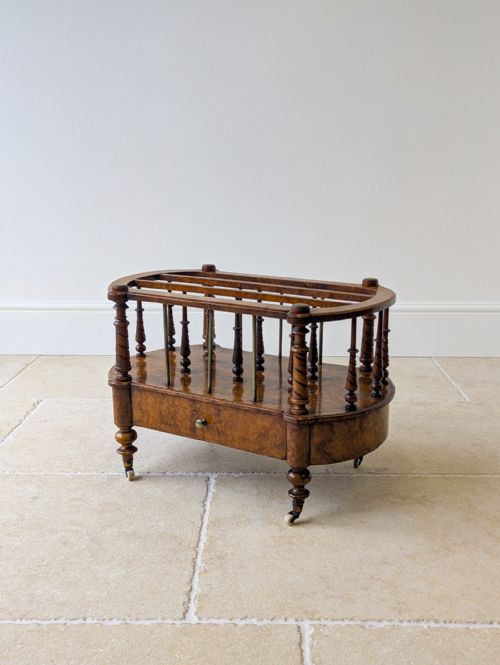
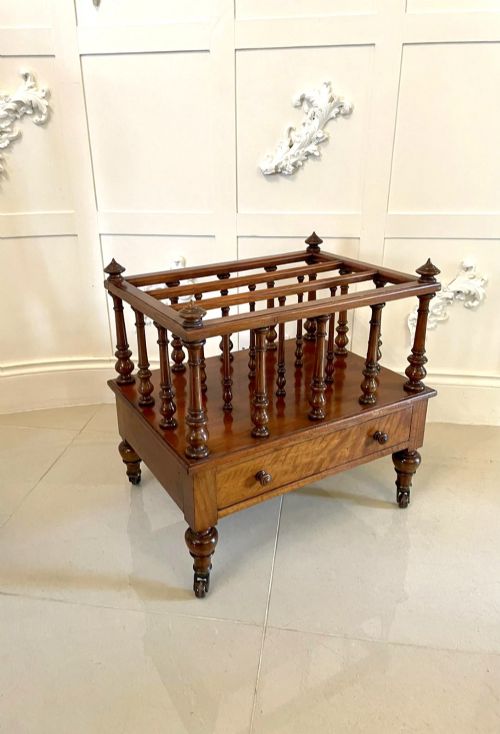
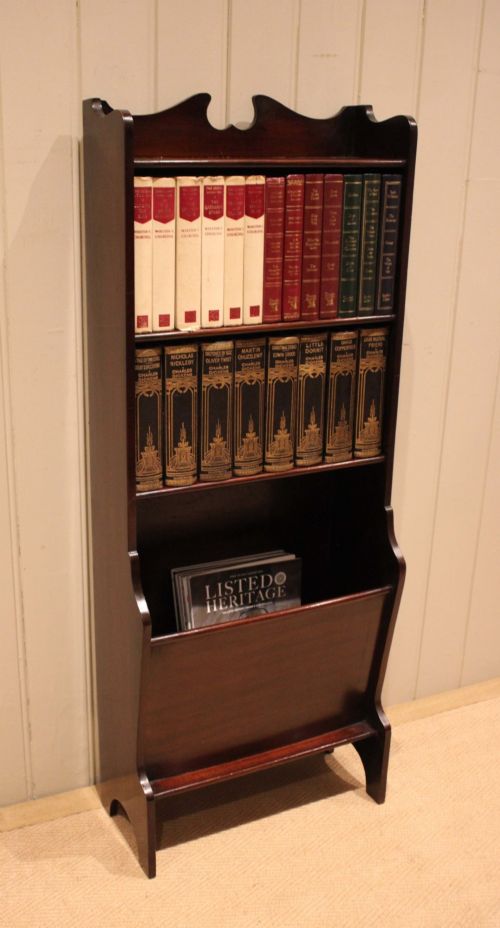
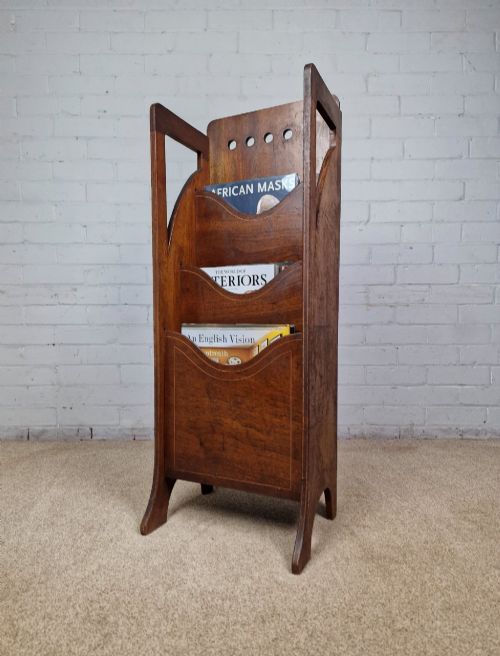
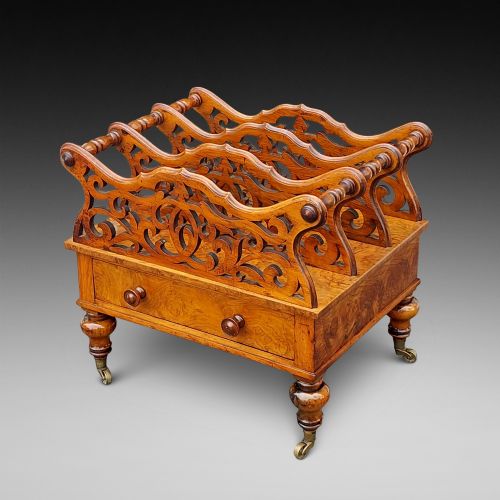
An antique magazine holder encompasses versatile pieces designed to keep periodicals, newspapers and folios neatly stored in the living space. When you search for an antique magazine holder, you are looking primarily at traditional canterburys, tiered racks, book troughs and music stands originating from various past centuries. The most common form you will meet on this page is the classic wood canterbury featuring divided sections for holding papers and often resting on castors.
The evidence shows examples stretching from the Georgian and Regency eras through the Victorian and Edwardian periods up to the 1920s. Alongside traditional timber canterburys, you will encounter wall-mounted shelves, open-front slope-shelf fireside book troughs, and occasional tables combined with magazine storage. These objects evolved from holding sheet music and folios to accommodating the expanding publication output of the nineteenth and early twentieth centuries.
How They Were Made
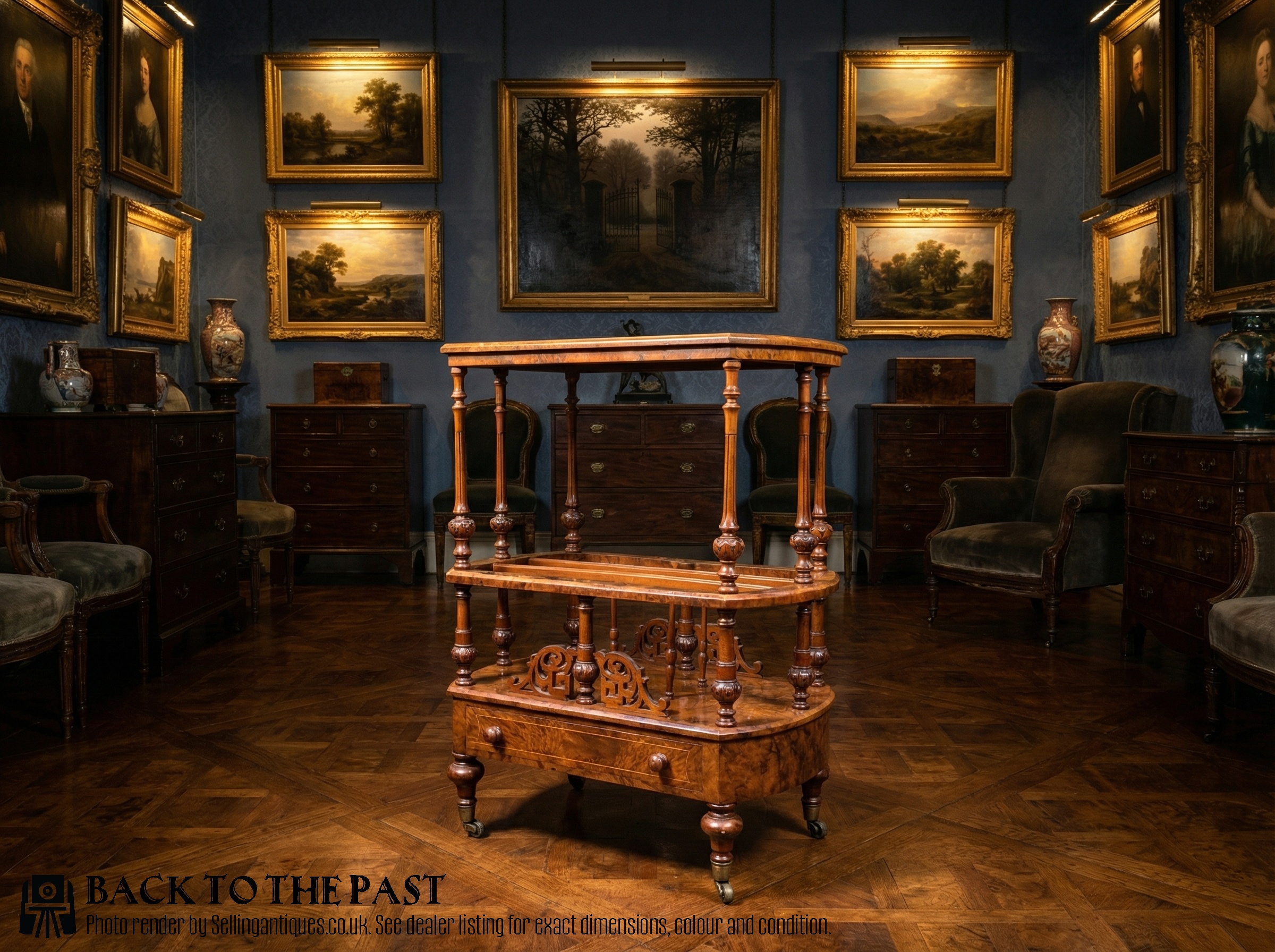
Cabinetmakers constructed these pieces primarily using dense hardwoods such as mahogany, walnut, burr walnut, rosewood, oak and fruitwood, occasionally incorporating ceramic, copper and brass details. Finer examples display highly figured burr walnut veneers or rich mahogany grains, while lighter occasional pieces utilise bamboo or tiger bamboo following the Aesthetic Movement.
Joinery techniques varied from precise dovetailing and turned spindle supports to steam-bent wood and carved details, particularly in French Rococo or Arts & Crafts interpretations. Metal components such as brass carrying handles, casters and copper panels provided both structural reinforcement and decorative contrast against the dark timber frames.
Antique Magazine Holder Retail Price Guide 2026
Typical asking prices for magazine holder among the pieces listed under this phrase on Sellingantiques today, from the lower quarter to the upper quarter. They describe what is for sale here now, not the wider market.
The inventory records encompass diverse forms, uniting traditional freestanding canterburys with fireside book troughs and wall-mounted magazine racks.
What Varies in Quality
The distinction between standard utility items and exceptional examples lies in the selection of materials and the sophistication of the joinery. Pieces featuring highly figured burr walnut veneers, carefully carved fretwork dividers, and integrated lower drawers represent the upper tier of craftsmanship.
Proportion and decorative restraint also separate master-carved or maker-attributed items from simpler regional pieces. Original brass castors, intact turned finials, and uncompromised structural integrity elevate the standing of a canterbury or rack within historical collections.
Edwards and Roberts
The Antique Magazine Holder Glossary
- Canterbury
- A low, freestanding rack with divided sections for holding newspapers, magazines or sheet music, typically featuring legs with castors. This form originated in the eighteenth century and remained popular through the Victorian period.
- Book trough
- An open-topped wooden trough designed to hold books or periodicals upright on a desk, table or floor. They often appear in styles ranging from Arts & Crafts oak to Italian Rococo gilt finishes.
- Burr walnut
- A prized timber veneer obtained from the gnarled growths on walnut trees, characterised by swirling, intricate grain patterns. Cabinetmakers utilised it on high-end Victorian furniture to create dramatic surface decoration.
- Aesthetic Movement
- A late nineteenth-century design style that emphasised visual beauty over narrative meaning, frequently incorporating Japanese-inspired motifs and materials like bamboo. Pieces from this movement often reject heavy Victorian upholstery in favour of lighter, linear forms.
- Folio stand
- A substantial piece of furniture designed to hold large sheets of paper, prints, or oversized books flat or upright. Regency examples often display grand scale and architectural proportions.
Antique Magazine Holder: Frequently Asked Questions
What is an antique canterbury?
A canterbury is a small, divided wooden stand originally built to hold sheet music, folios, newspapers and periodicals near a seating area. They typically feature slatted or partitioned upper sections and short legs often fitted with castors for easy movement.
Over time, these pieces adapted to accommodate the growing popularity of magazines and journals. Many examples also include a small lower drawer for storage.
How do I style a magazine holder?
Place a freestanding wooden canterbury beside an armchair or sofa to keep current reading materials neatly contained and accessible. Their traditional timber finishes complement both historic interiors and modern minimalist living spaces.
Tabletop book troughs and smaller racks work well on sideboards, desks, or open shelves. They provide an orderly way to display current periodicals while introducing tactile warmth from walnut, mahogany or bamboo.
How can I tell the period?
Dating relies on examining the timber species, construction methods, and stylistic cues present in the design. Georgian and Regency pieces favour solid mahogany with clean architectural lines, whereas Victorian examples frequently showcase elaborate burr walnut veneers or Aesthetic Movement bamboo.
Edwardian and later pieces often exhibit simpler oak construction or Arts & Crafts copper details. Reviewing the hardware, such as brass castors and handles, also helps narrow down the era of manufacture.
Were these made for music?
Many early nineteenth-century canterburys were originally constructed to hold sheet music and large musical scores rather than modern magazines. The tall partitions kept unbound music upright and organised near pianos and music stands.
As domestic reading habits shifted and periodical publishing expanded, households repurposed these versatile stands to hold newspapers and magazines. The form simply evolved to serve the changing daily needs of the household.