



Victorian Canterbury Stand
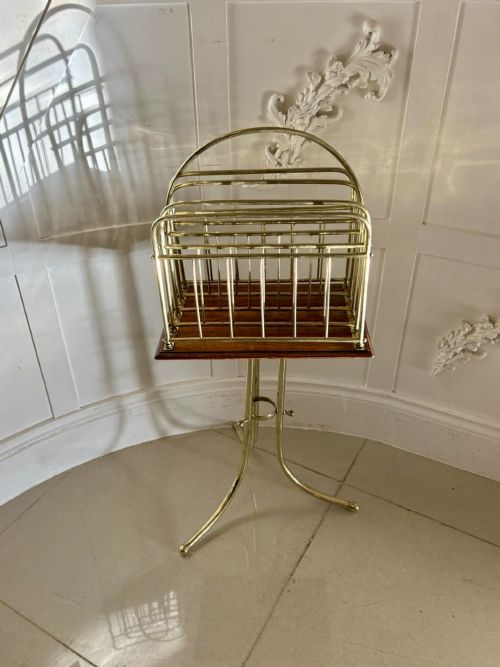
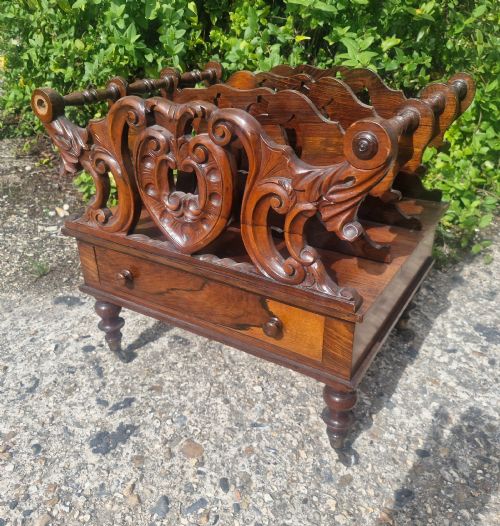
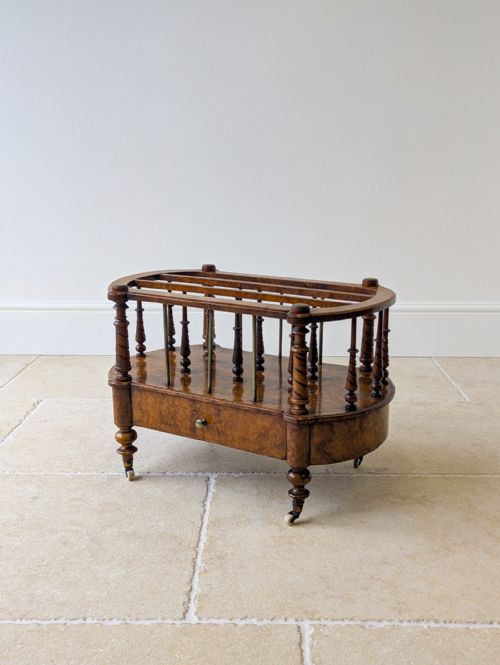
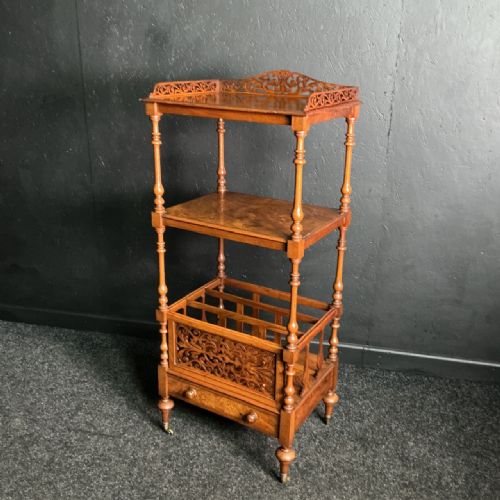
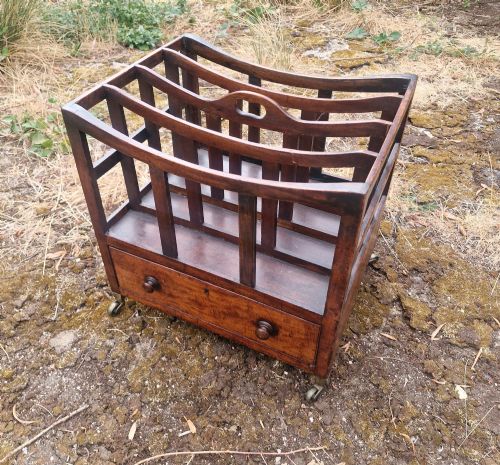
A victorian canterbury stand is a compartmented furniture piece designed for organising sheets, books, and periodicals in the drawing room.
Victorian Canterbury Stand
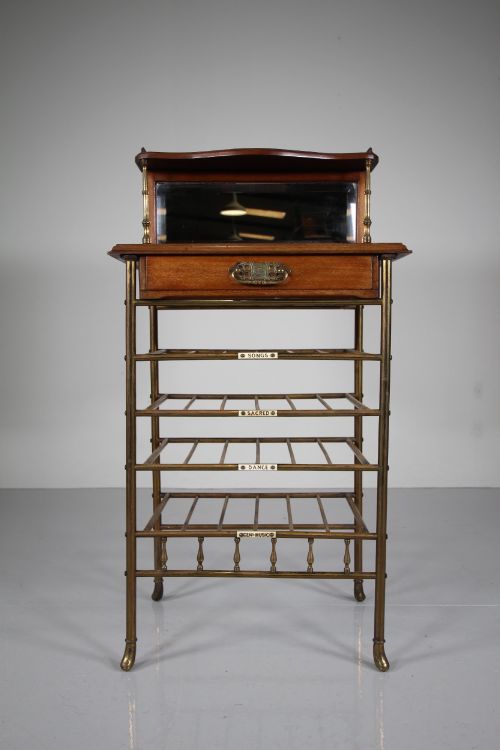
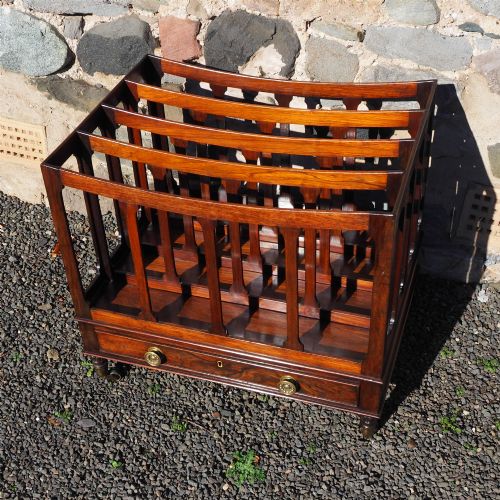
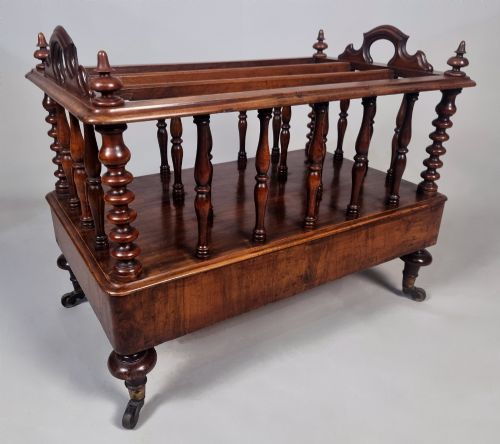
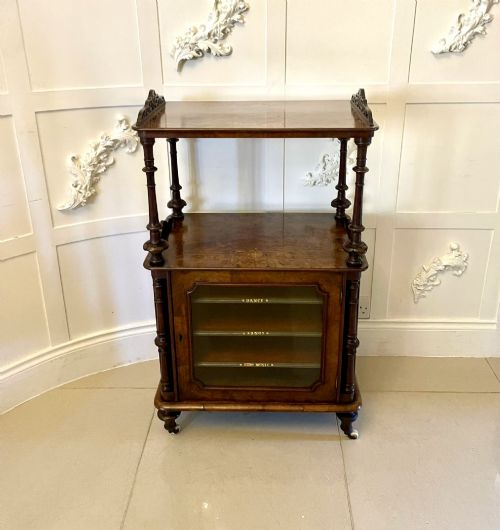
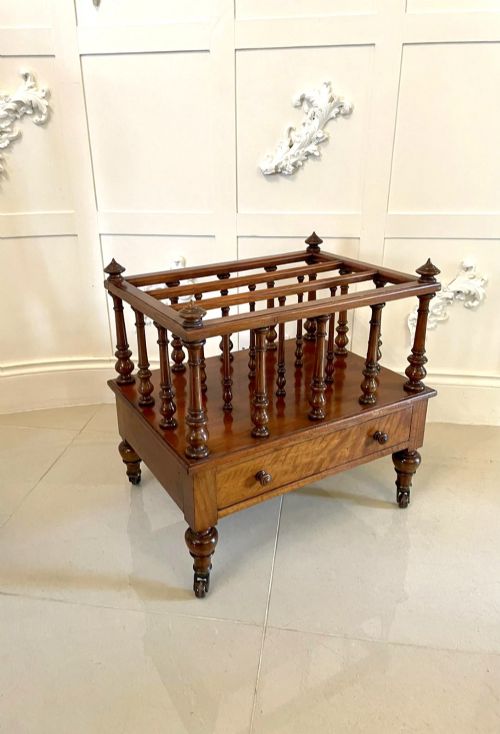
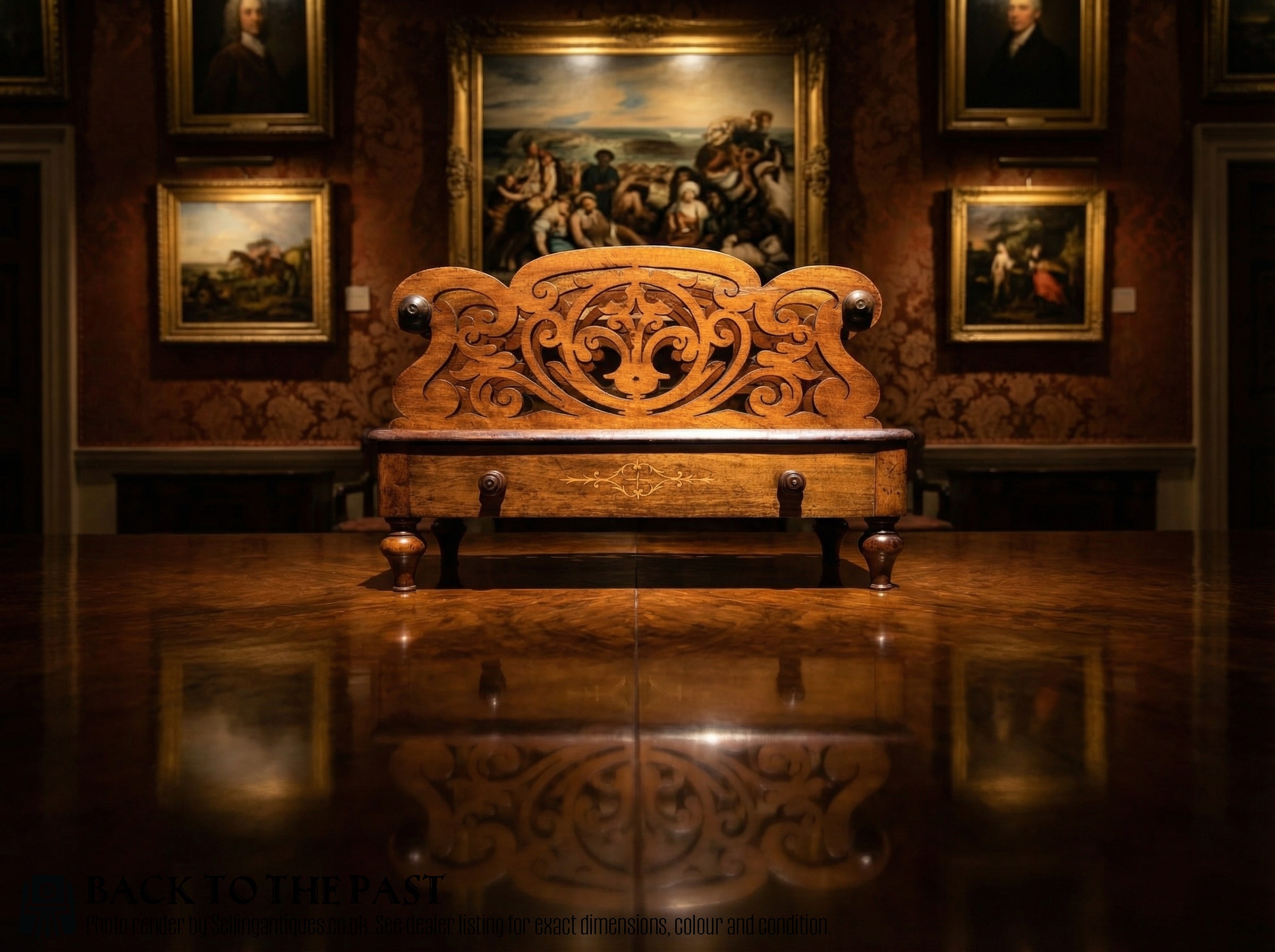
A victorian canterbury stand combines partitioned vertical storage for folios and sheet music with low wooden legs, often mounted on castors for easy movement across the floor. Most examples encountered on this page belong to the nineteenth century, appearing in forms that incorporate drawers, shelves, or a combined whatnot structure.
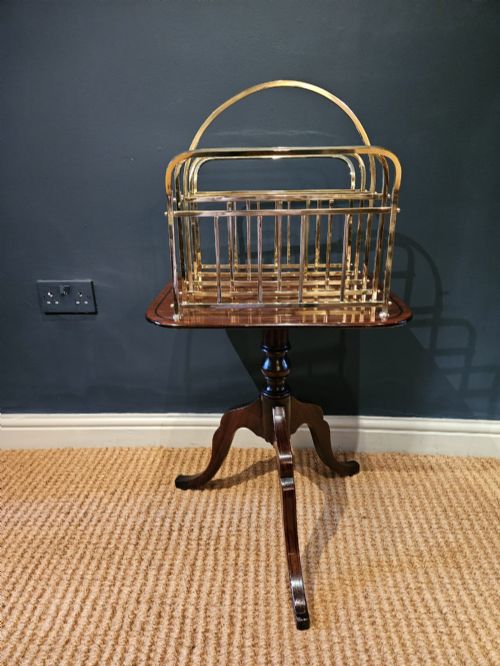
Makers produced these stands in diverse regional interpretations during the Victorian and Regency periods, utilising timber frames for both domestic sitting rooms and music parlours. Buyers selecting a victorian canterbury stand find variations that range from simple four-division open racks to multi-tiered cabinets with revolving stands or integrated book rests.
How They Were Made
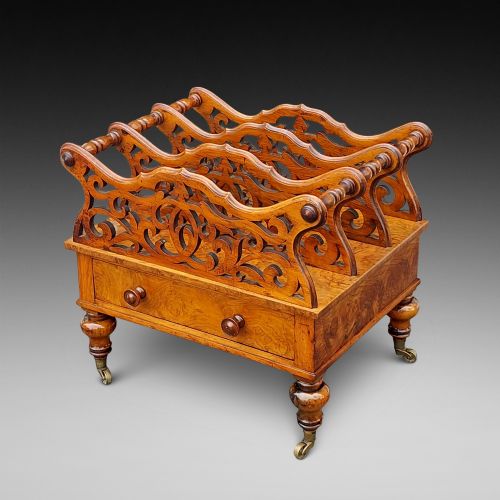
Cabinetmakers constructed the main framework using dense hardwoods such as mahogany, walnut, and rosewood, frequently selecting burr walnut veneers for figured decorative grain on flat surfaces. Slender turned pillars, fret-sawn divisions, and brass castors support the upper tiers and compartment dividers.
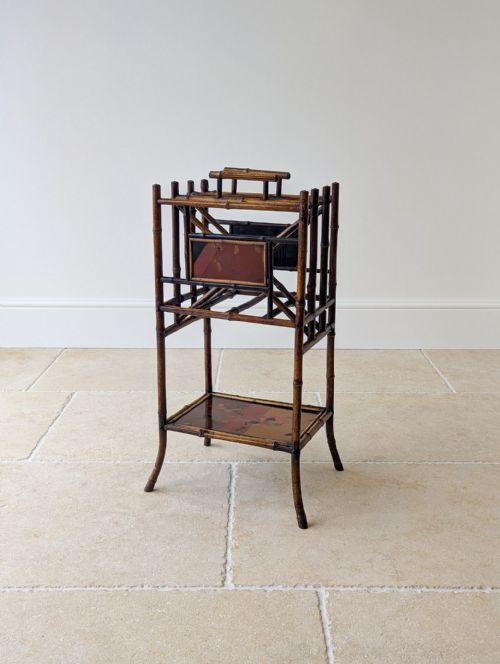
Alternative materials include bamboo and tiger bamboo bound with cord for Aesthetic Movement pieces, alongside brass detailing, ceramic fittings, and inlaid marquetry panels.
Victorian Canterbury Stand Retail Price Guide 2026
Typical asking prices for victorian canterbury stand among the pieces listed under this phrase on Sellingantiques today, from the lower quarter to the upper quarter. They describe what is for sale here now, not the wider market.
Listings feature walnut, mahogany, and rosewood alongside bamboo, brass, and ceramic materials across the nineteenth century.
What Varies In Quality
Construction standards depend upon the joinery used for the slatted partitions and the thickness of the timber selected for the base framework. Superior examples display refined turning on the upright supports and crisp detailing in any applied marquetry or inlay.
The choice of primary timber heavily influences the character of the piece, with richly figured burr walnut and dense rosewood representing the upper tier of material selection compared to simpler fruitwood or bamboo frames.

Edwards & Roberts·Henry Ogden & Son
The Victorian Canterbury Stand Glossary
- Canterbury
- A low stand with upright partitions designed to hold sheets of music, newspapers, or periodicals. The name allegedly derives from the Archbishop of Canterbury who commissioned an early music rack.
- Whatnot
- An open shelving unit with multiple tiers supported by slender posts, used for displaying ornaments and small objects. It frequently appears combined with a lower canterbury section.
- Burr walnut
- Timber taken from the gnarled growths of a walnut tree, yielding highly decorative swirling grain patterns. Cabinetmakers applied it as a veneer to prominent surfaces.
- Aesthetic Movement
- A late nineteenth-century design style emphasising visual beauty over narrative content, often incorporating Japanese influences. Pieces from this movement frequently utilise bamboo and lacquered surfaces.
- Castors
- Small swivelling wheels attached to the base of furniture legs to aid movement. They are commonly made of brass and porcelain on nineteenth-century stands.
Victorian Canterbury Stand: Frequently Asked Questions
What was a victorian canterbury stand used for?
These stands served primarily to hold unbound sheets of music, newspapers, and magazines in domestic sitting rooms and parlours. The partitioned base kept paper upright and sorted while remaining close to the piano or seating area.
Many examples also doubled as small side tables or incorporated a drawer below the main rack for smaller accessories.
How do I identify a Regency period piece?
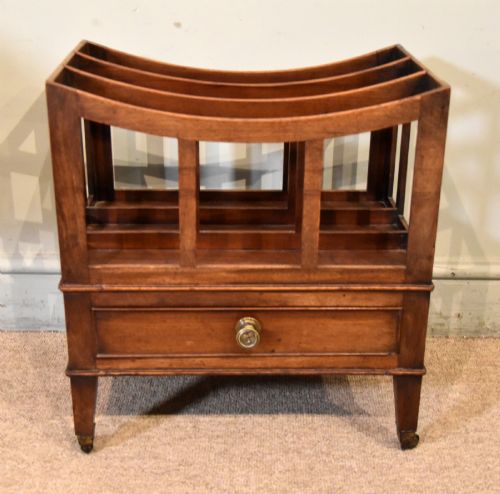
Regency stands generally display cleaner classical lines, simpler mahogany timbers, and less surface ornamentation than later Victorian iterations. They often rely on architectural proportions and brass mounts rather than heavy marquetry.
Construction details such as traditional hand-cut dovetails in the drawer construction help confirm the earlier manufacturing date.
Are bamboo stands authentic?
Bamboo and tiger bamboo stands date predominantly from the late nineteenth century during the height of the Aesthetic Movement. Makers imported processed bamboo and assembled these lightweight frames to satisfy a taste for exotic orientalised interiors.
These pieces feature characteristic bound joints and lacquer panels rather than traditional European hardwood joinery.
Where should I place one at home?
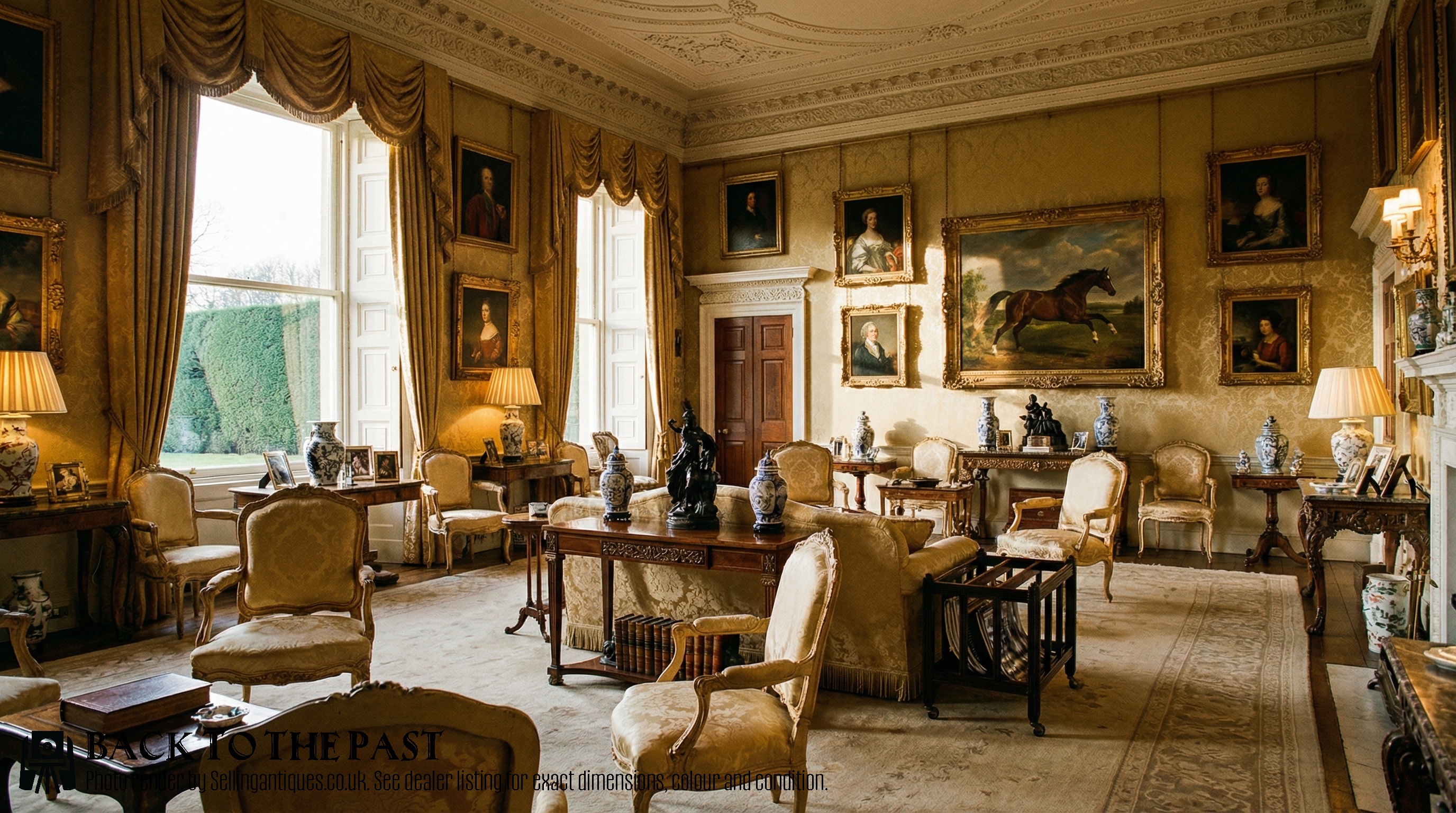
A canterbury functions effectively beside a sofa, armchair, or upright piano where it can hold current reading material or sheet music. Freestanding versions with finished backs look appropriate positioned away from walls.
Tiered whatnot combinations also serve as display surfaces for small ceramics and decorative objects.