

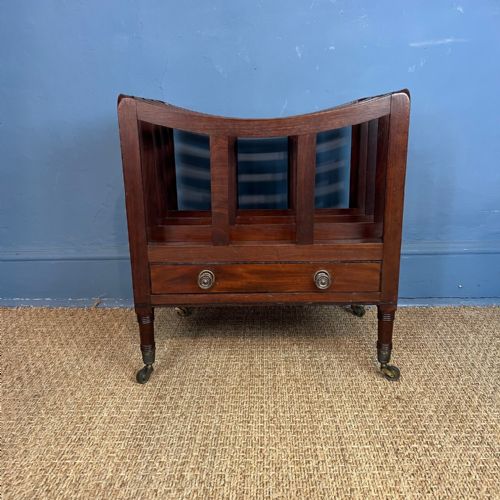
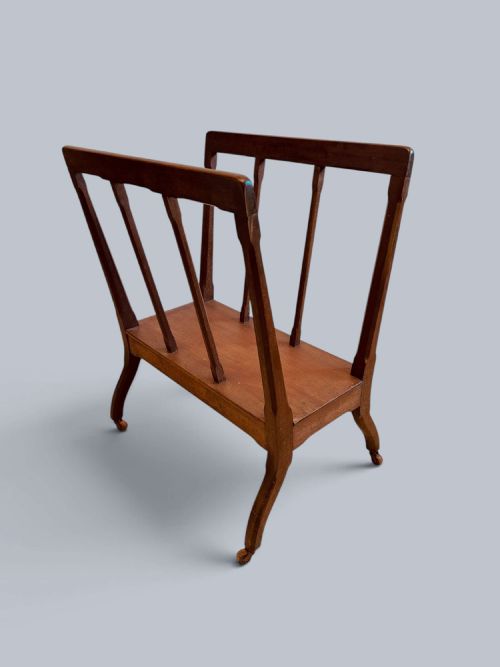
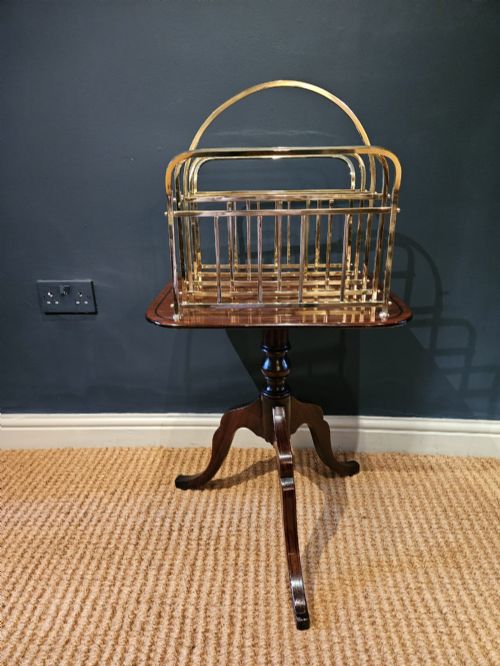
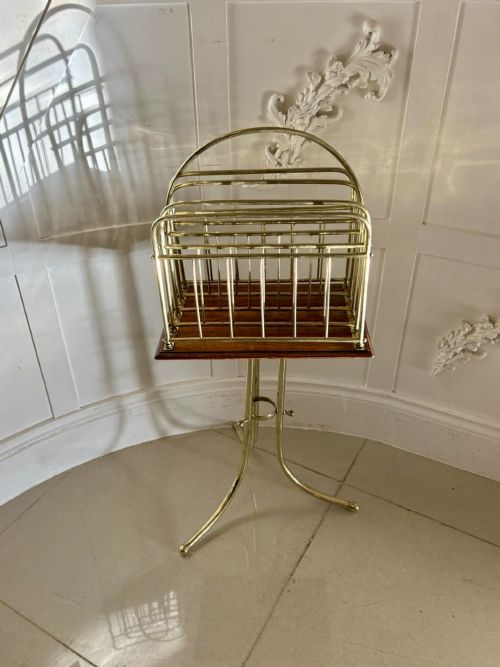
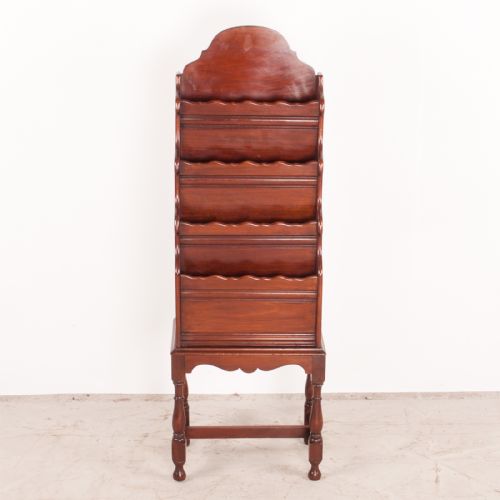
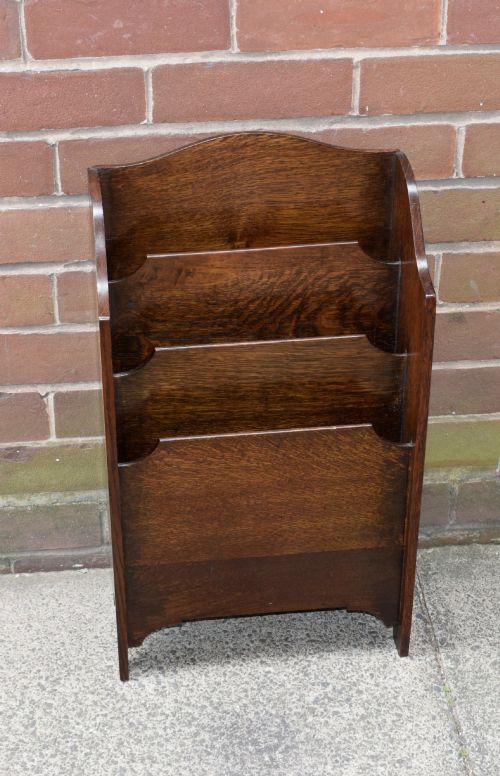
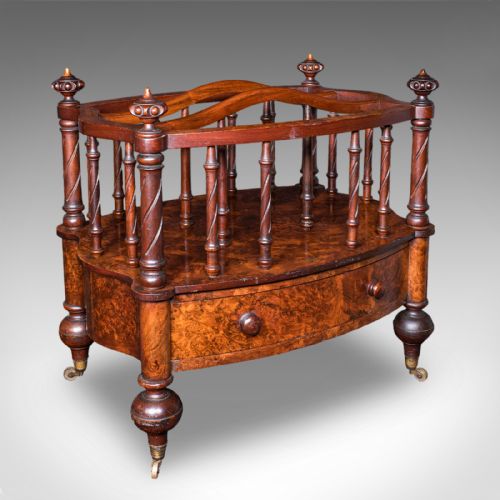

Vintage Newspaper Rack
A vintage newspaper rack is a functional holder for periodicals, combining period craftsmanship with daily utility.
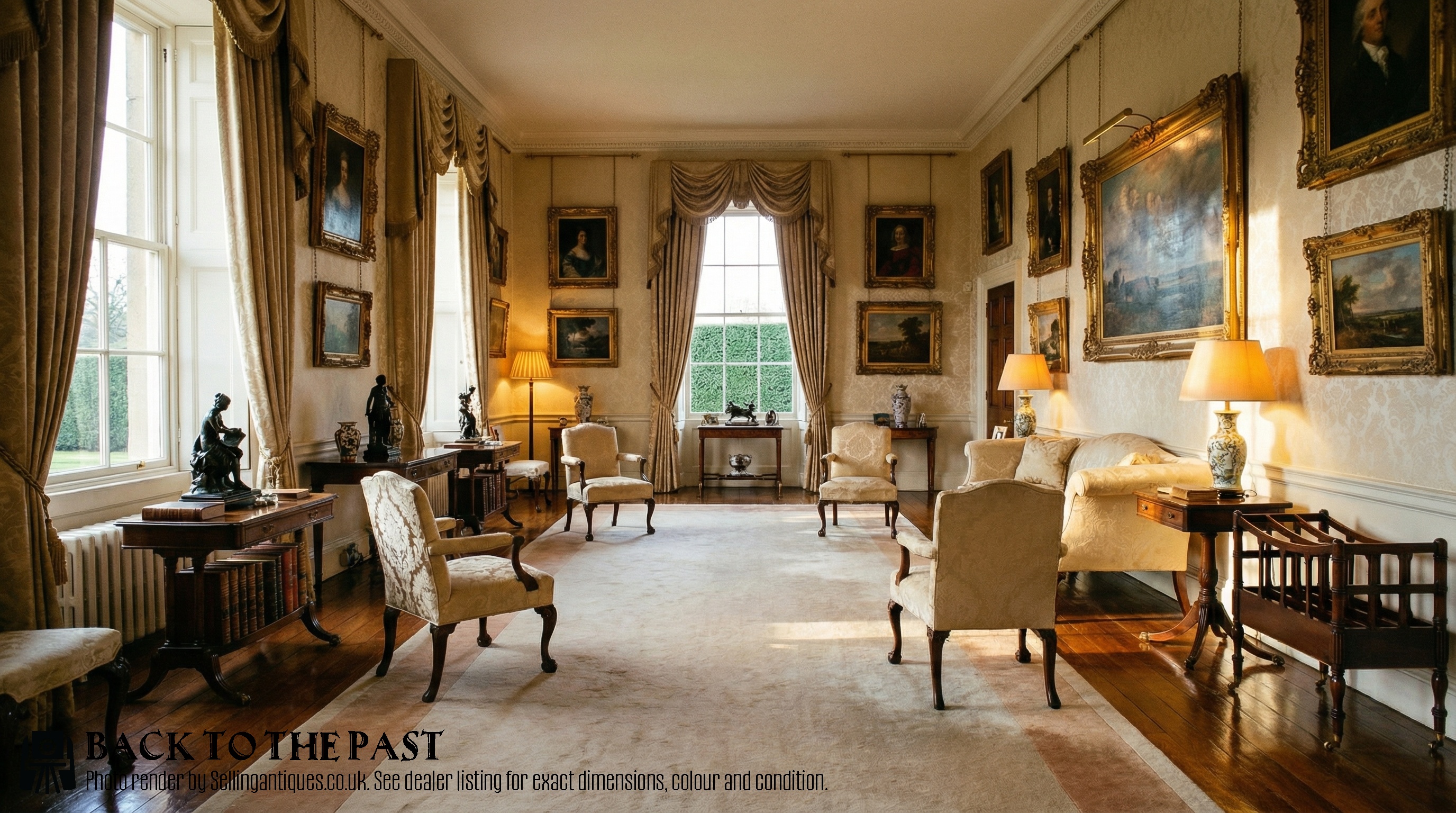
Vintage Newspaper Rack
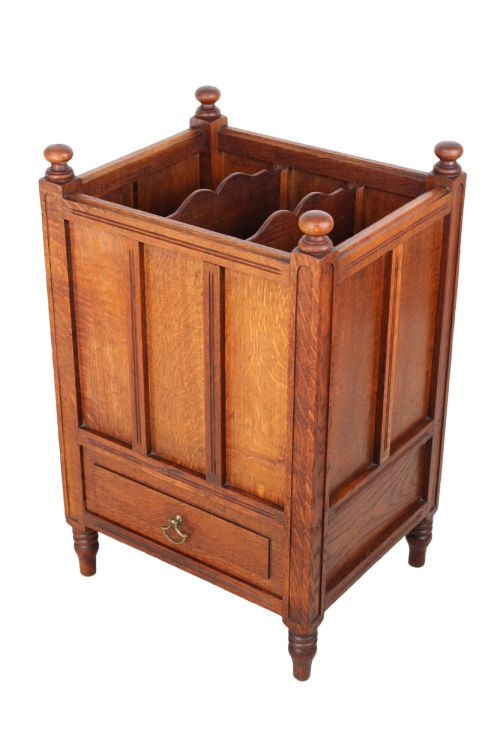
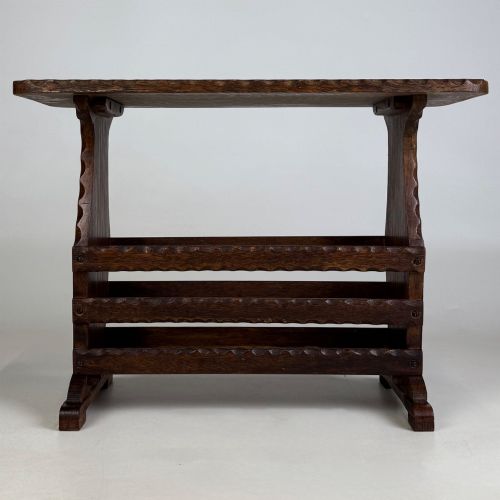
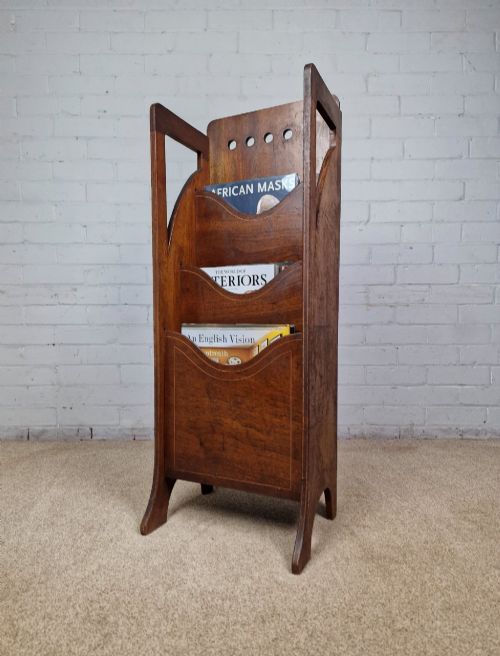
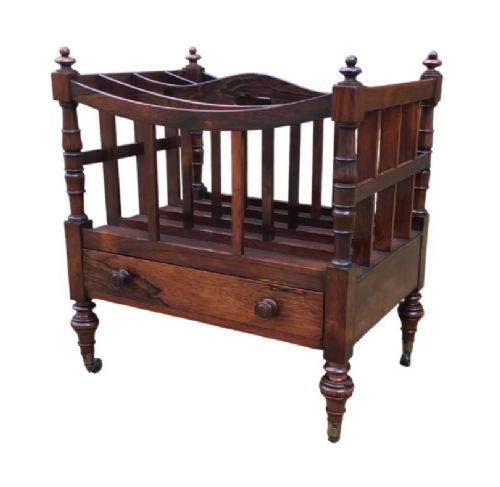
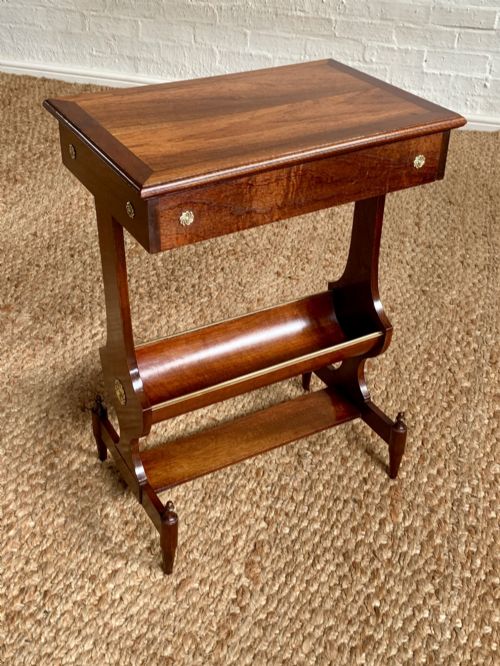
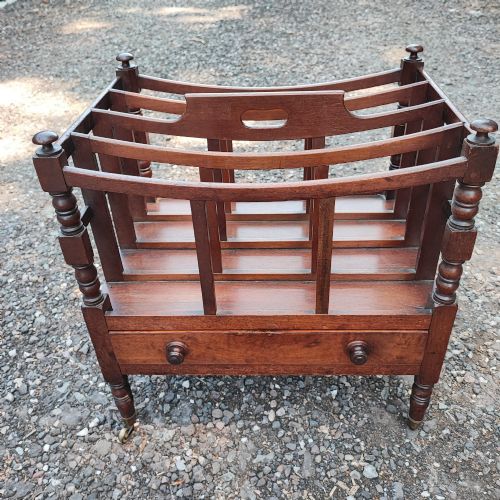
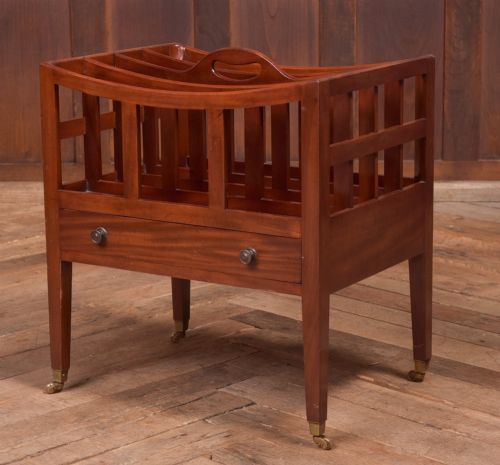
A vintage newspaper rack serves to organise daily reading materials in a domestic interior. These pieces frequently take the form of traditional canterburys, side tables with integrated compartments, and wall-mounted shelves.
Buyers meet forms spanning the Georgian, Regency, Victorian, and Edwardian eras. Mahogany and oak dominate the selection, often accompanied by bamboo, rosewood, and brass variants.
The objects bridge the gap between utilitarian storage and decorative furniture. Many examples double as music racks or small side tables equipped with drawers.

How they were made
Cabinetmakers utilised hardwoods such as mahogany, oak, and rosewood for structural durability. These timbers were frequently polished or turned to create slender legs and defined dividers.
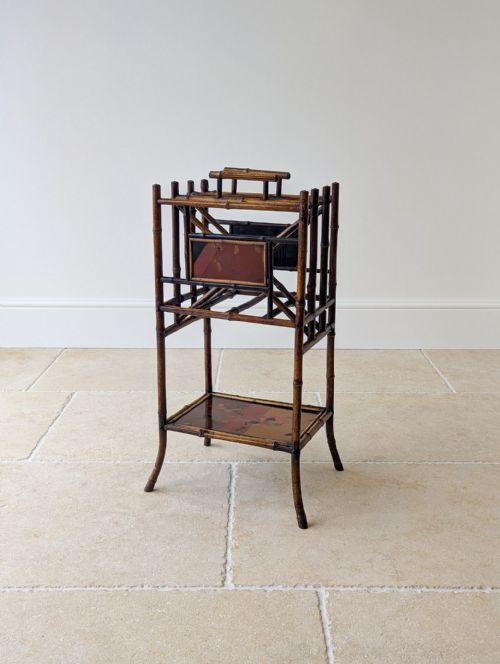
Alternative materials like bamboo and lacquered wood introduced lighter silhouettes during the Victorian and aesthetic periods. Metalwork appeared in brass and copper stands, offering rigid frames for open wirework or solid sheet containers.
Vintage Newspaper Rack Retail Price Guide 2026
Typical asking prices for vintage newspaper rack among the pieces listed under this phrase on Sellingantiques today, from the lower quarter to the upper quarter. They describe what is for sale here now, not the wider market.
Listings feature items spanning the Georgian, Victorian, and Edwardian eras, constructed from mahogany, oak, brass, and bamboo.
What varies in quality
The caliber of a piece rests upon the selection of timber and the precision of its joinery. Superior examples display carefully matched grain patterns, solid brass castors, and finely turned uprights.
Simpler models rely on straightforward plank construction and minimal ornamentation. The integration of functional drawers or multi-tier shelving elevates the architectural ambition of the design.
The Vintage Newspaper Rack Glossary
- Canterbury
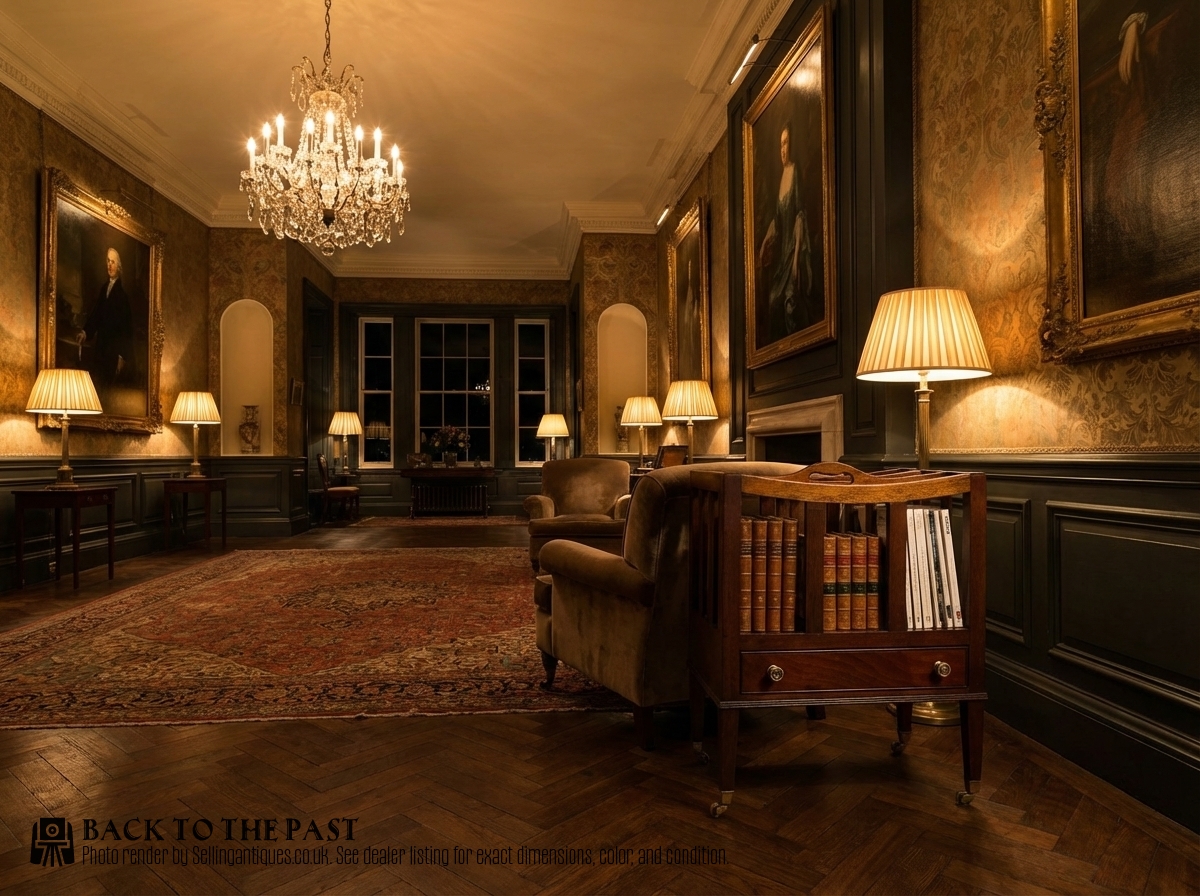
- A low, partitioned stand used for holding loose sheets of music, newspapers, or magazines. These stands typically feature slated dividers and often sit on castors.
- Metamorphic
- Describing a piece of furniture designed to transform or fold for alternative functions. Such stands adapt their compartments to suit changing storage needs.
- Aesthetic Movement
- A late nineteenth-century design style emphasising visual beauty over narrative subject matter. Pieces from this movement frequently incorporate bamboo or ebonised wood.
- Boat Shaped
- A curved outline resembling the hull of a vessel, commonly seen in the frame design of Regency canterburys. This silhouette softens the linear geometry of traditional shelving.
Vintage Newspaper Rack: Frequently Asked Questions
What is a canterbury used for?
A canterbury functions as a compartmentalised rack designed to hold periodicals, newspapers, and sheet music. These stands kept reading matter orderly and close to seating areas in period drawing rooms.
Over time, the form adapted to accommodate modern magazines while retaining its traditional divisioned structure.
How do I identify a Regency newspaper rack?
Regency pieces often display boat-shaped wooden frames, elegant turned legs, and brass castors. The timber is typically dark mahogany with clean classical proportions.
Construction details from this era reflect early nineteenth-century cabinetmaking methods without later revival influences.
Are bamboo newspaper racks sturdy?
Bamboo and tiger bamboo stands offer surprising structural strength despite their lightweight appearance. Victorian makers bound the joints securely to support daily handling of paper.
These pieces require standard care to avoid moisture damage to the natural cane material.
Can these racks double as side tables?
Many designs incorporate flat tops or drawer sections alongside the vertical newspaper compartments. This dual purpose allows the stand to function neatly beside a armchair or sofa.
Edwardian and Victorian variations frequently combine surface space with lower shelving units.