

Antique Newspaper Stand
An antique newspaper stand provides a dedicated place for periodicals, combining practical storage with period furniture.

Antique Newspaper Stand
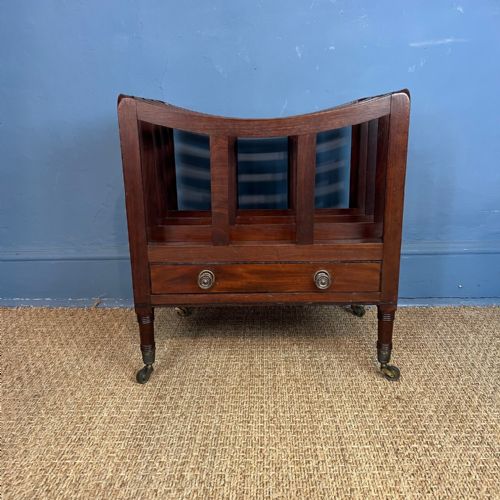
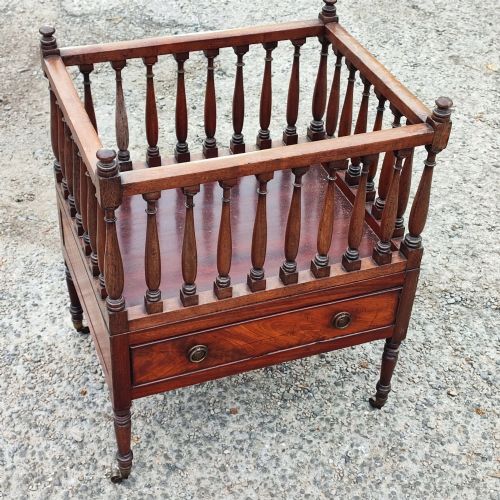
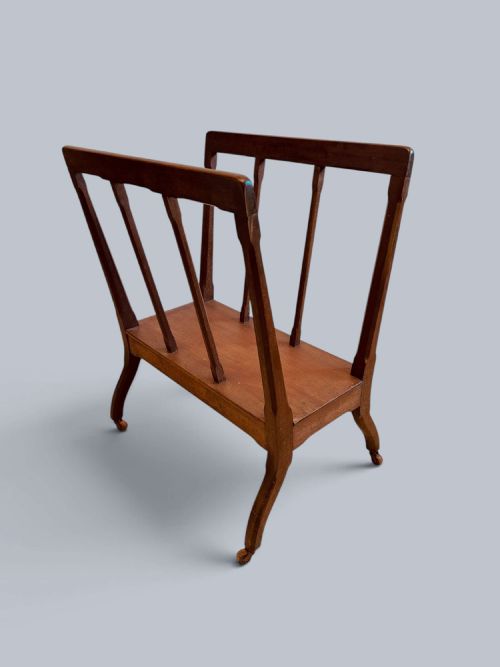
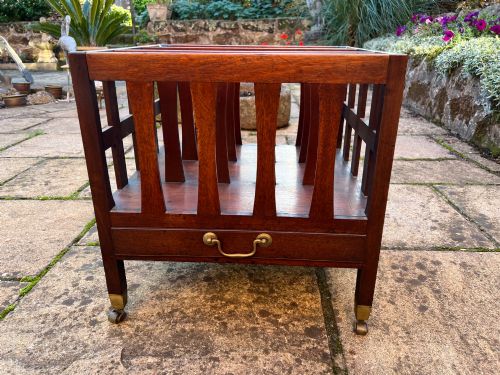
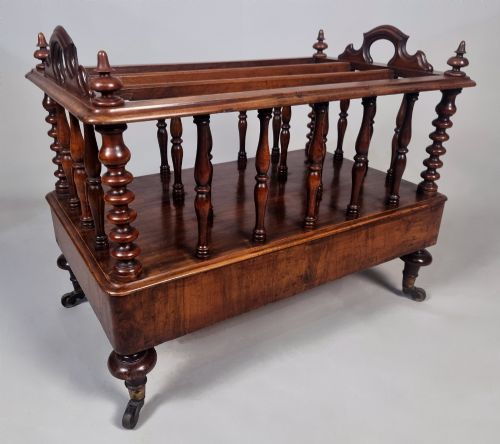
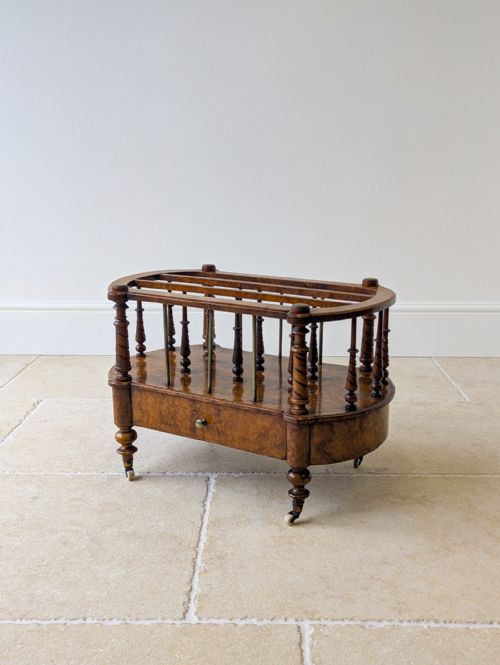
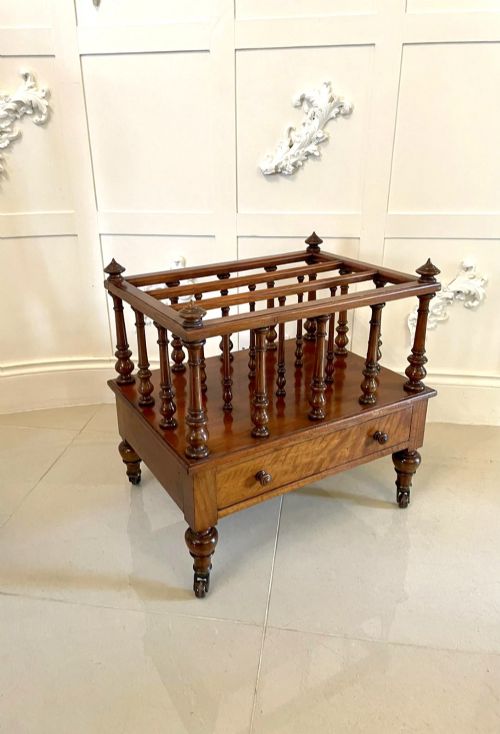
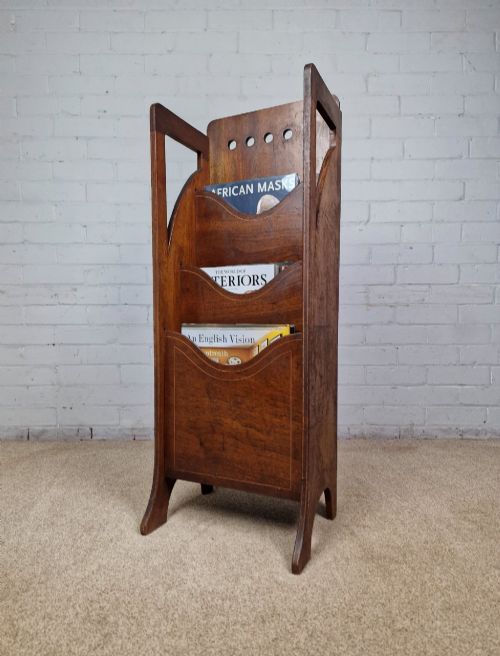
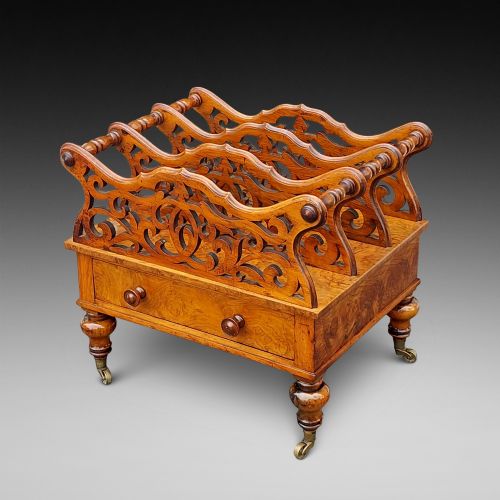
When you examine an antique newspaper stand, you find pieces designed to hold journals, sheets of music and periodicals within domestic rooms. The records show traditional forms including canterburys, side tables and dedicated magazine racks.
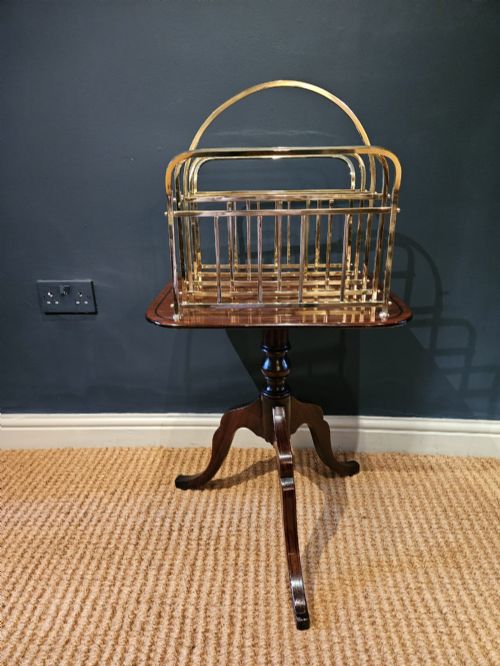
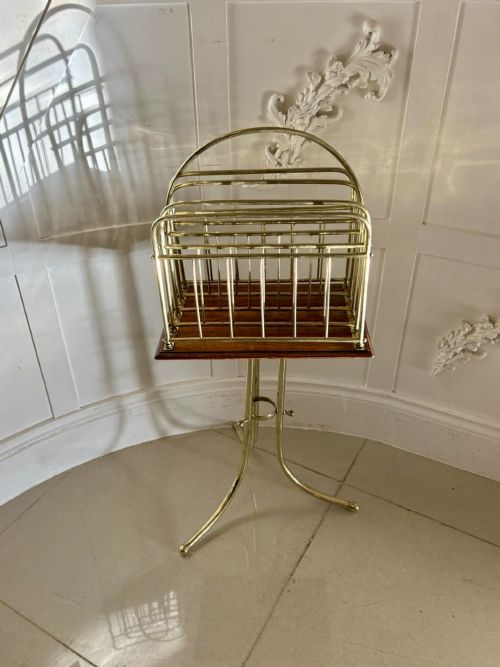
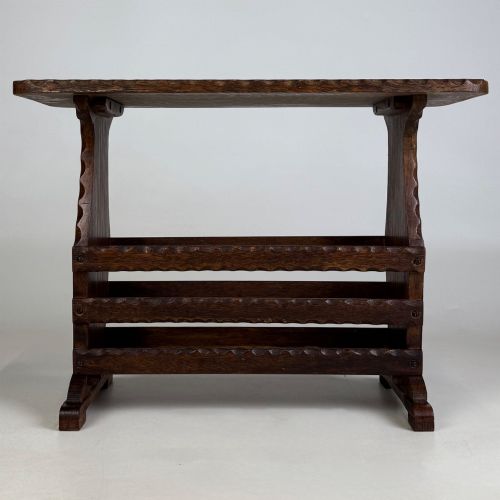
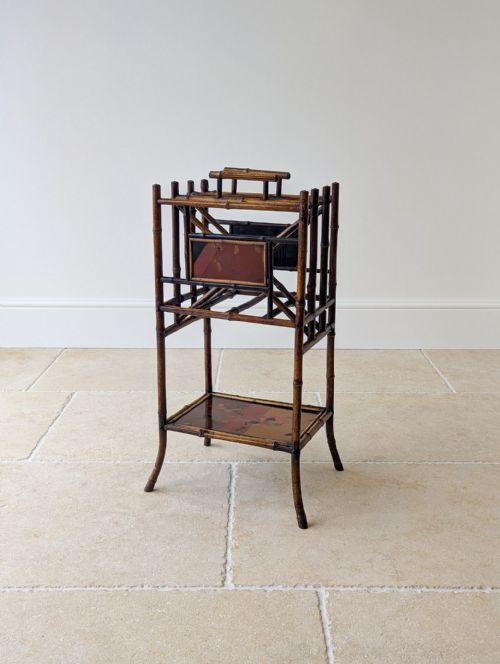
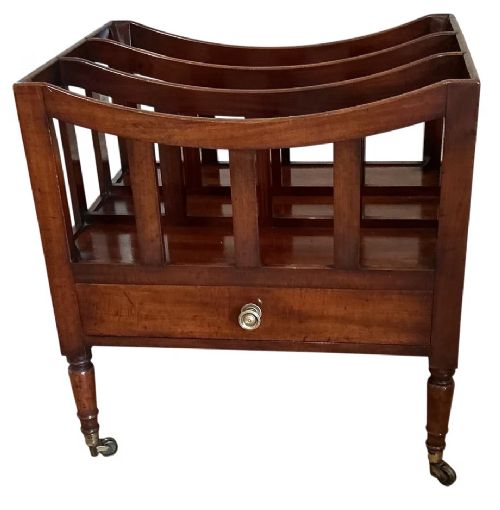
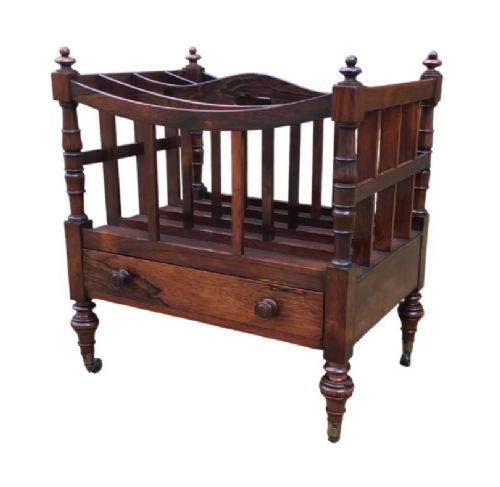
The examples on this page span several periods, from Georgian and Regency designs to Victorian, Edwardian and 1920s pieces. Canterburys with partitioned sections appear frequently alongside revolving stands and side tables equipped with storage racks.
Materials and Construction
Cabinet makers utilised dense hardwoods such as mahogany, oak, rosewood and walnut, often selecting figured veneers like burr walnut. Alternative construction methods incorporated bamboo and lacquer for lighter frameworks.
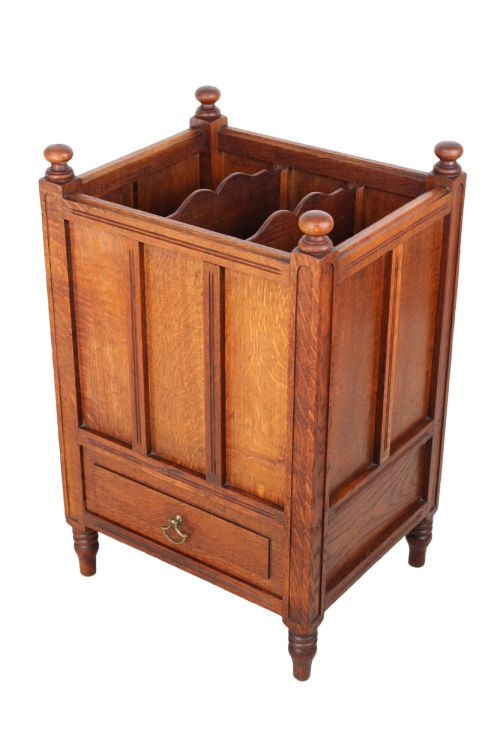
Metal components appear regularly, with brass and copper utilised for castors, carrying handles, rods and decorative mountings. Joinery techniques varied from traditional pegged joints on oak pieces to turned legs on Regency stands.
Antique Newspaper Stand Retail Price Guide 2026
Typical asking prices for newspaper stand among the pieces listed under this phrase on Sellingantiques today, from the lower quarter to the upper quarter. They describe what is for sale here now, not the wider market.
The documented object types span music stands, side tables, revolving racks, canterburys and combined magazine tidies.
Craftsmanship and Design
Distinctions in quality rest on the selection of timber grains and the crispness of turned or carved details. Pieces featuring figured mahogany or burr walnut display superior material selection by the maker.
Structural complexity also separates standard items from finer works, such as stands incorporating drawers, tiered whatnots or revolving mechanisms. The integration of brass fittings and well-turned legs indicates careful workshop execution.
Edwards & Roberts·William Tonks & Sons·Liberty & Co
The Antique Newspaper Stand Glossary
- Whatnot
- A set of open shelves supported by slender pillars, used for displaying or storing small items. Examples on this page combine this tiered form with newspaper storage.
- Boat Shaped
- A descriptive term for canterburys featuring curved, sweeping partitions reminiscent of a hull. This silhouette is particularly associated with Regency designs.
- Metamorphic
- Furniture designed to transform or serve multiple functions through pivoting, folding or sliding elements. In this category, stands adapt to hold varied reading materials.
- Aesthetic Movement
- A late nineteenth century design style emphasising visual beauty over narrative content. Pieces from this period frequently utilise bamboo and distinctive lacquered finishes.
Antique Newspaper Stand: Frequently Asked Questions
What is an antique newspaper stand?
An antique newspaper stand is a piece of furniture designed to store periodicals, journals and sheet music within a room. These items range from traditional wooden canterburys to revolving metal and oak stands.
Such stands provide accessible storage while reflecting the prevailing design aesthetics of periods from the Georgian era through to the 1920s.
How were canterburys used historically?
Canterburys functioned as movable storage units placed beside seating areas to hold daily newspapers, current magazines and musical scores. The partitioned upper sections kept unbound papers upright and tidy.
Many designs also included a small drawer underneath for smaller writing accessories, sheet music or letters, allowing them to serve dual purposes in the parlour.
How do I identify a Regency stand?
Regency stands often feature characteristic boat-shaped partitions, elegant turned legs and brass castors for mobility. The primary timbers tend to be rich mahogany or rosewood.
These pieces emphasise clean architectural lines and refined proportions, reflecting the neoclassical tastes prevalent during the early nineteenth century.
Where should I place a stand at home?
These stands fit well beside armchairs, sofas or desks where reading materials are frequently used. Freestanding models allow access from multiple sides.
Revolving stands work effectively in open spaces or corners, providing easy access to stored publications without requiring a large floor footprint.