
Antique Dining Set
When you search for an antique dining set, you are looking at matched assemblies of tables and chairs designed to anchor a room with period character.
Antique Dining Set
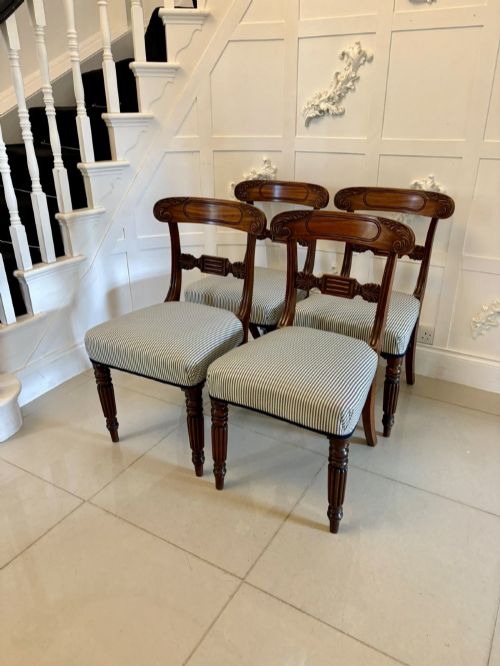
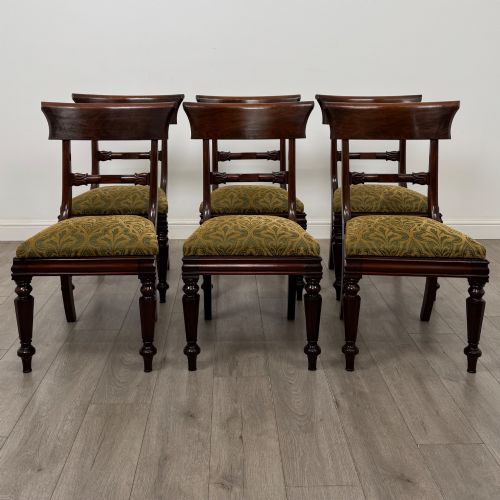
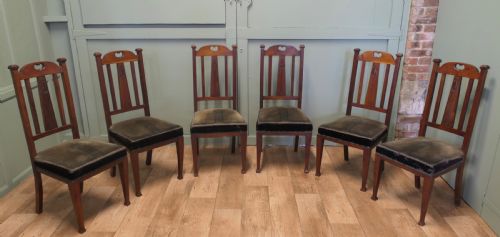
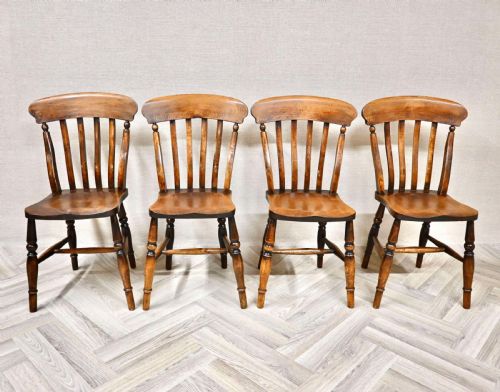
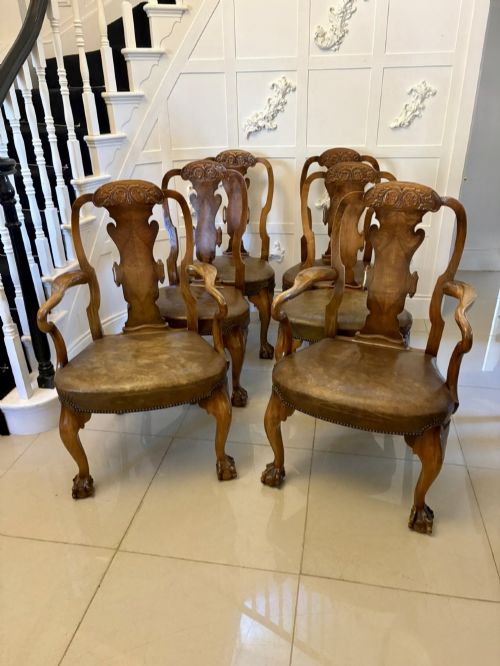
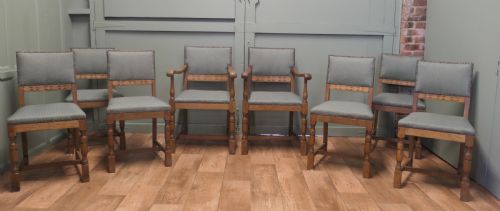
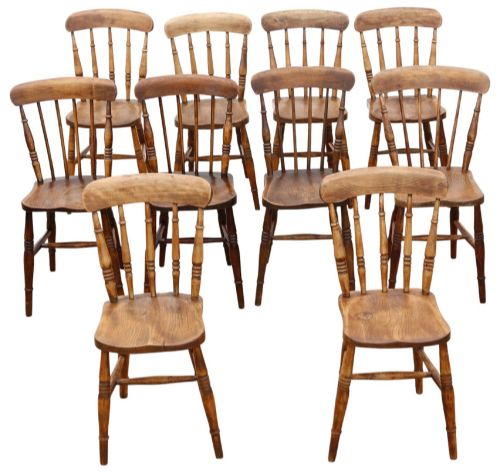
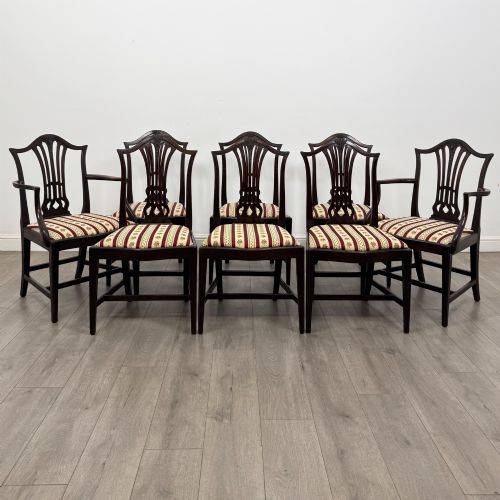
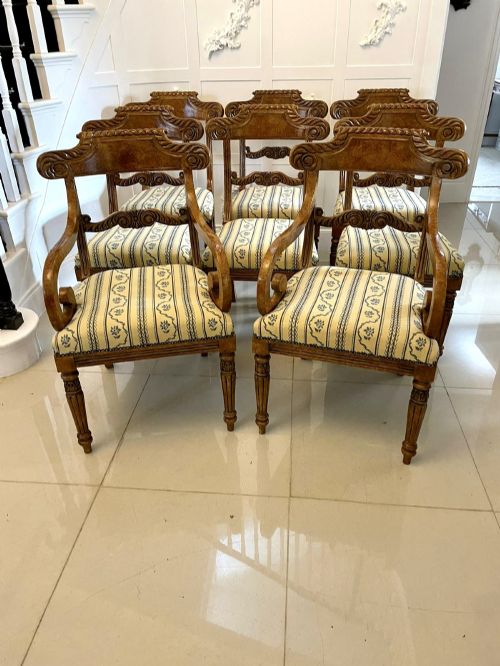
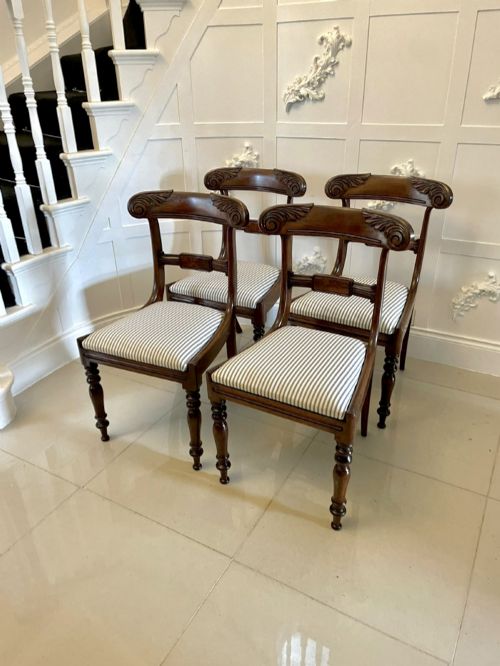
An antique dining set brings together tables and chairs spanning periods from the Georgian era through the Victorian and Edwardian decades up to Art Deco and Arts and Crafts movements. The most common configuration met here is a collection of mahogany, oak, or walnut chairs gathered around a matching table or refectory board.
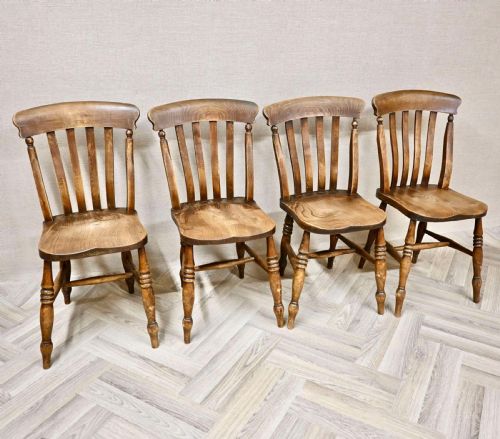
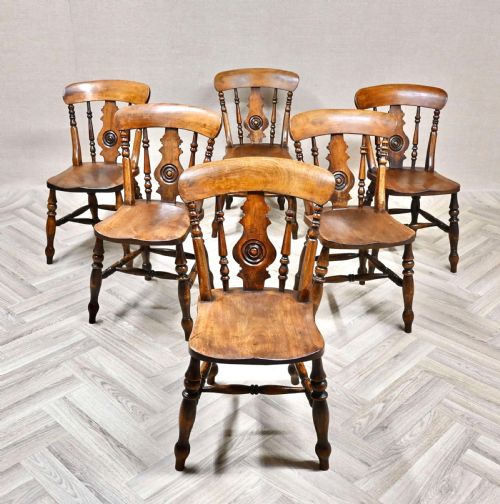
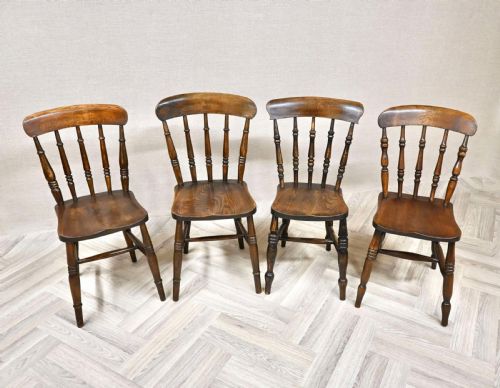
These groupings encompass formal mahogany Chippendale and Sheraton designs alongside rustic elm and beech Windsor kitchen chairs and solid oak refectory forms. Sets often survive as harlequin collections or unified suites featuring slip seats upholstered in fabric, velvet, or leather.
How They Were Made
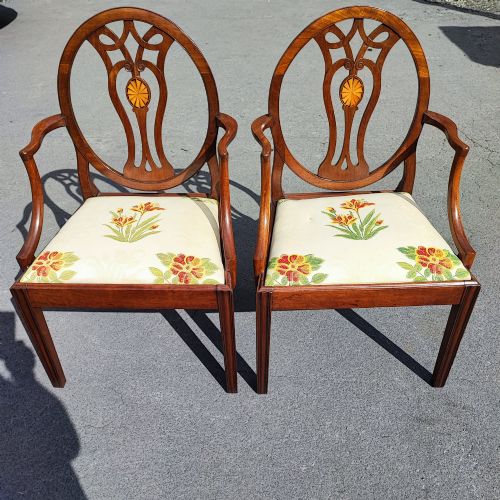
Cabinetmakers utilised dense timbers like mahogany, walnut, and oak, frequently employing turned legs, barley twist supports, and carved shield or balloon backs. Joinery relied on traditional mortise and tenon construction, occasionally enhanced with brass inlay or faux bird's-eye maple decoration.
Seating components often integrated rush, elm, and beech, with upholstered drop-in pads secured by fabric, velvet, or leather over webbing. Tables utilised trestle ends or extending mechanisms housed beneath heavy timber tops.
Antique Dining Set Retail Price Guide 2026
Typical asking prices for dining set among the pieces listed under this phrase on Sellingantiques today, from the lower quarter to the upper quarter. They describe what is for sale here now, not the wider market.
What Varies in Quality
The distinction between ordinary utility furniture and exhibition pieces rests in the selection of timber grain and the crispness of hand carving. Superior sets display meticulous matching of veneers, balanced proportions in arm carvers, and robust joinery that withstands generations of use.
Lesser pieces often show repetitive machine shaping or plain secondary timbers, whereas top-tier examples exhibit bespoke touches like brass inlay, finely turned spindles, and documented workshop provenance.
Maurice Adams·Gillows·Lethaby·Norwich Maker·J.B. C&W
The Antique Dining Set Glossary
- Carver
- An armchair designed with armrests, traditionally placed at the head of the table within a dining set.
- Refectory table
- A long, narrow dining table traditionally supported by trestle ends or heavy legs linked by stretchers.
- Balloon back
- A rounded, oval-shaped chair back popular during the Victorian period, offering ergonomic support and visual grace.
- Barley twist
- A decorative turning style resembling a twisted rope, commonly found on the legs and stretchers of oak tables and chairs.
- Harlequin set
- A collection of dining chairs that share a similar period, style, or material while exhibiting subtle individual variations.
Antique Dining Set: Frequently Asked Questions
How do I match chairs to a table?
Focus on the primary timber and period style, ensuring that woods like mahogany or oak share similar tones and grain patterns. Mixing arm carvers at the head with single chairs along the sides creates a balanced arrangement.
Proportions matter just as much as wood type when combining separate pieces into a unified grouping. Pay attention to seat heights and leg clearances to maintain comfort around the tabletop.
What is a harlequin set?
A harlequin set is a collection of dining chairs that match in period, timber, and general silhouette but vary in minor decorative details. These groupings formed organically over time as owners replaced individual broken chairs with close equivalents.
Embrace these subtle discrepancies as evidence of genuine age and historical utility rather than manufacturing flaws. They add distinct character to a dining room setup.
How are different wood types identified?
Mahogany typically displays a deep reddish-brown hue with straight or ribbon-like grain patterns, common in formal Georgian and Victorian pieces. Oak exhibits prominent medullary rays and a sturdy, textured surface often seen in Arts and Crafts or refectory designs.
Walnut offers rich, dark figuring with occasional burr patterns, while elm and beech serve as pale, durable secondary timbers for country chairs.
How should I care for antique wood?
Protect wooden surfaces by keeping them away from direct sunlight and maintaining stable room humidity to prevent timber splitting. Regular dusting with a soft cloth preserves the polish without stripping the historic patina.
Avoid silicone-based sprays and apply occasional natural wax to nourish dry timber. Lift rather than drag chairs and tables when repositioning them.