


Traditional Wood Chairs
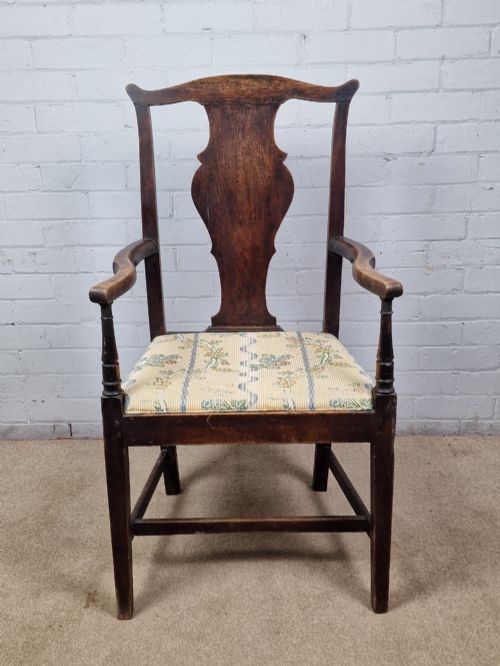
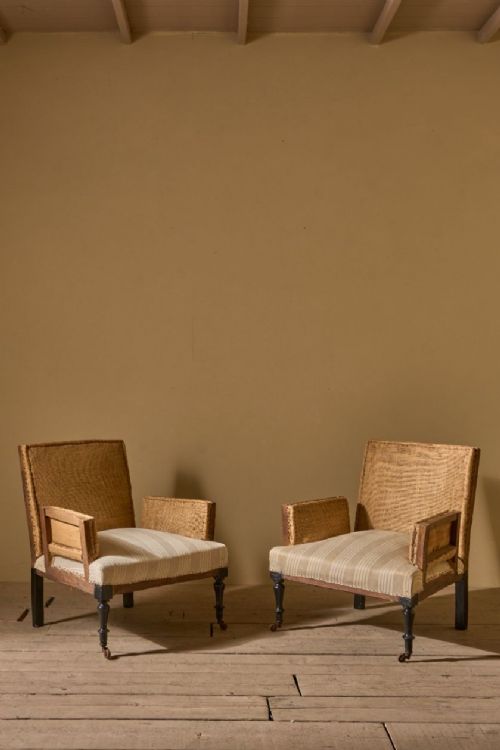
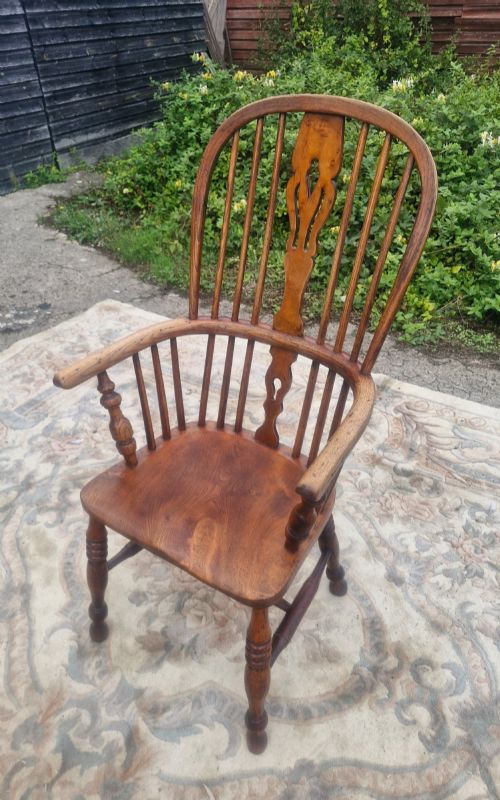
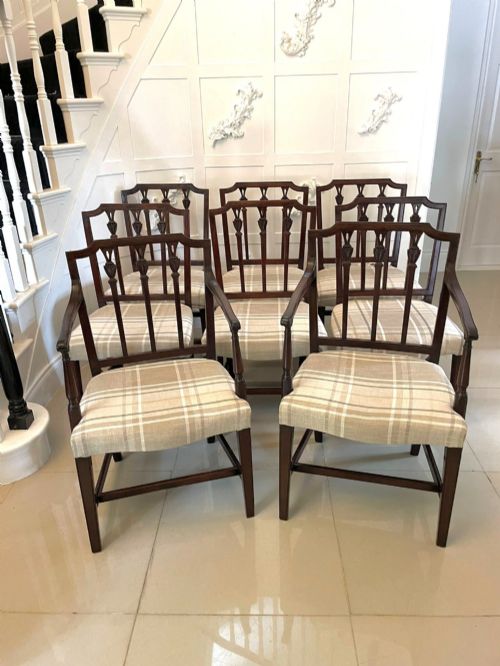
Traditional wood chairs span robust vernacular elm armchairs and formal mahogany dining sets from the eighteenth and nineteenth centuries.
Traditional Wood Chairs
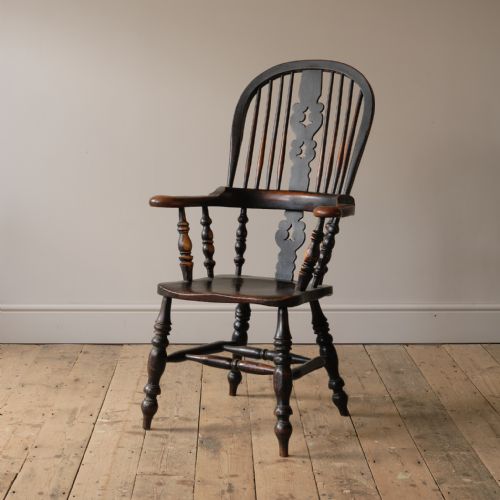
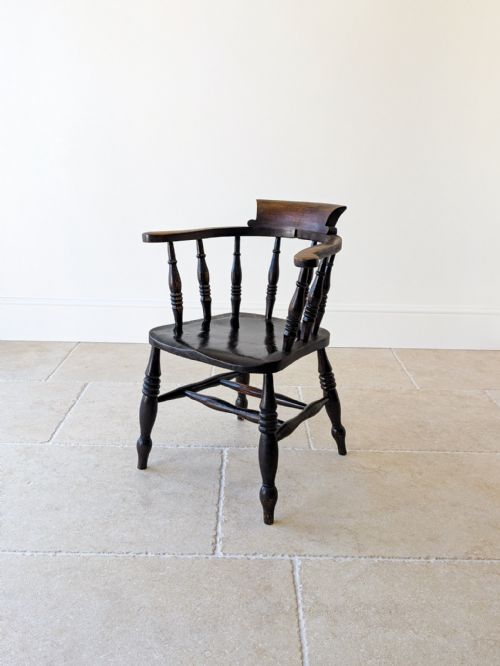
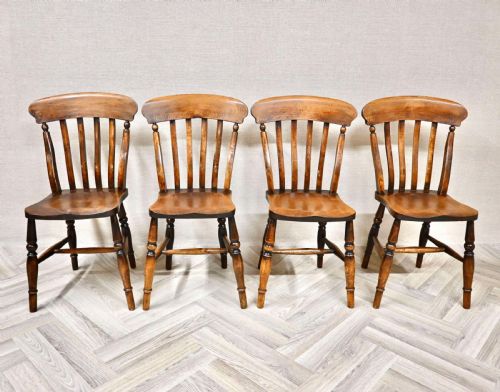
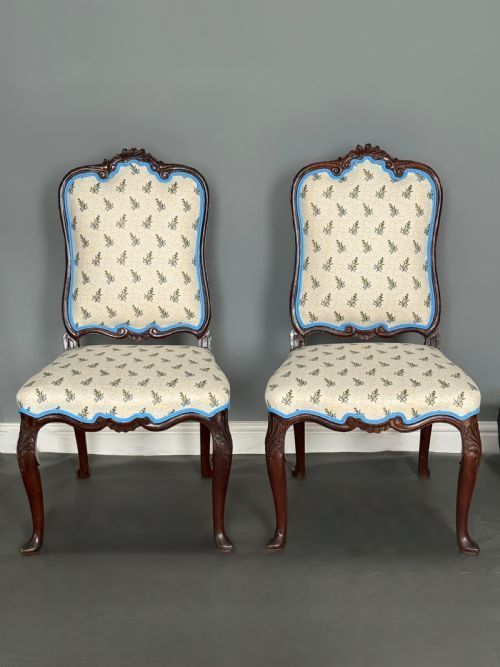
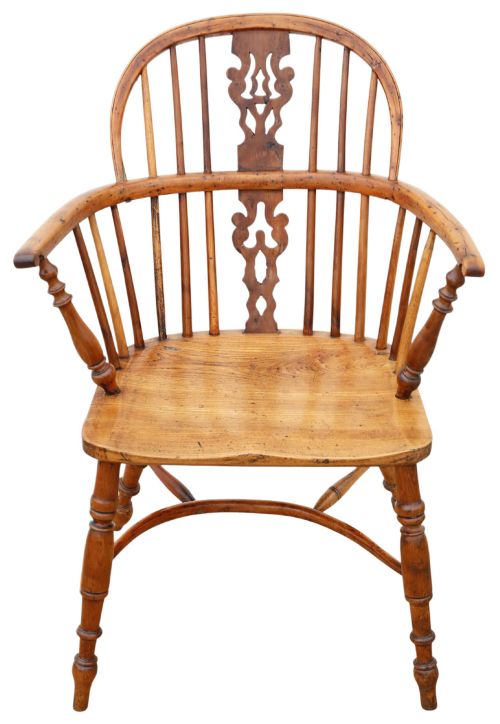
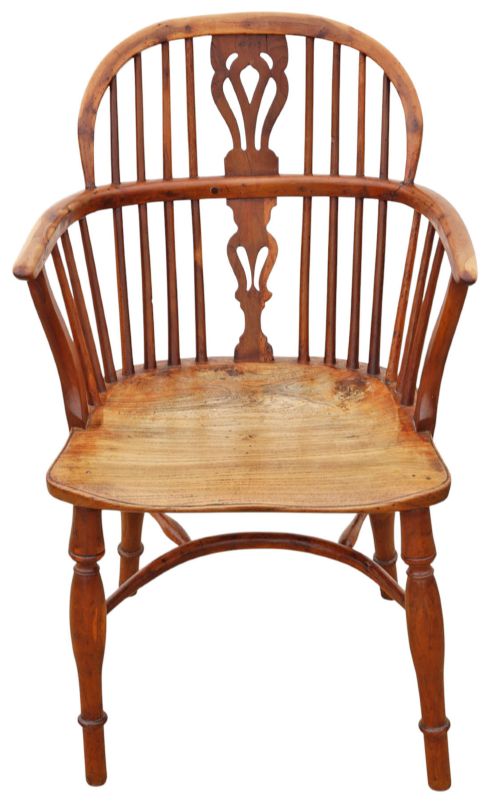
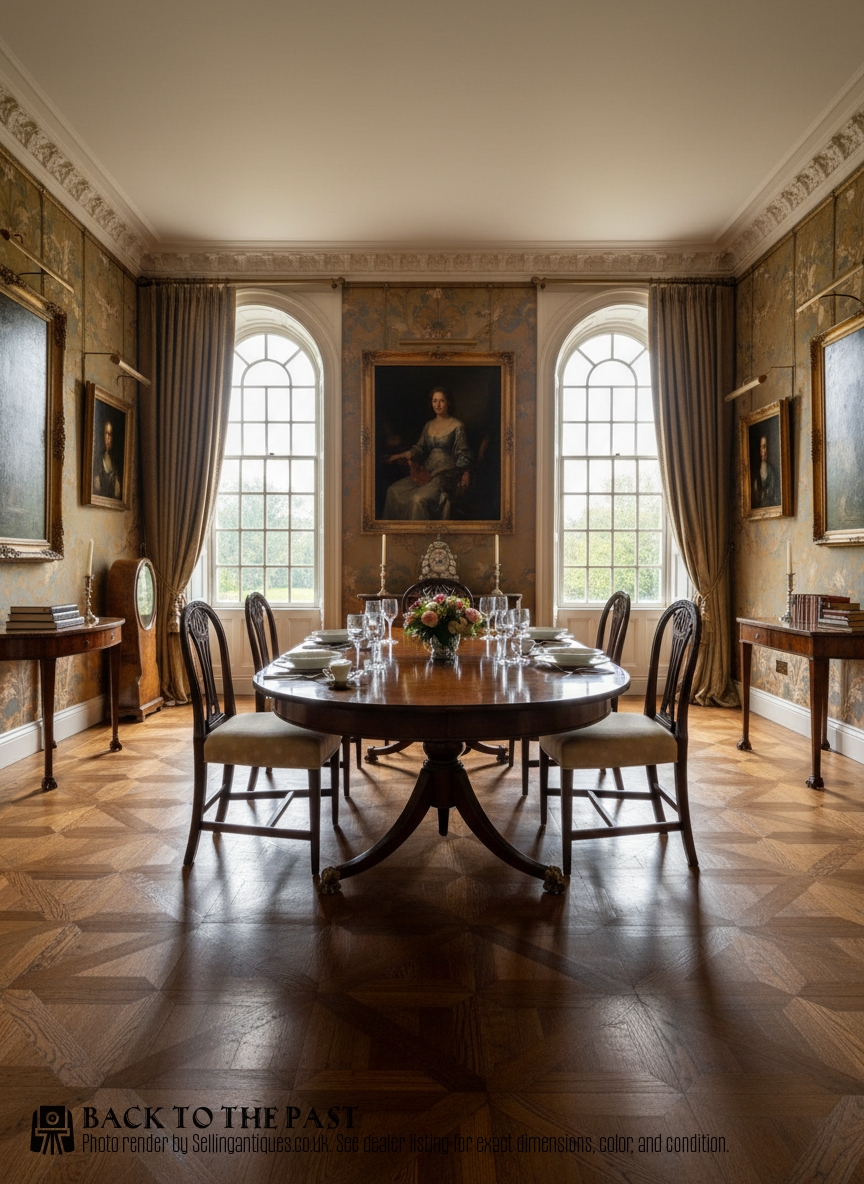
Traditional wood chairs encompass a wide variety of seating forms, ranging from country kitchen Windsors to formal dining chairs from the eighteenth, nineteenth, and early twentieth centuries.
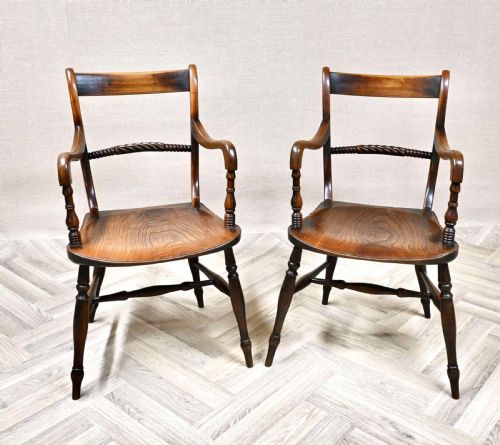
The most common examples on this page are nineteenth-century Windsor armchairs and sets of mahogany dining chairs originating from the Georgian, Victorian, and Edwardian periods.
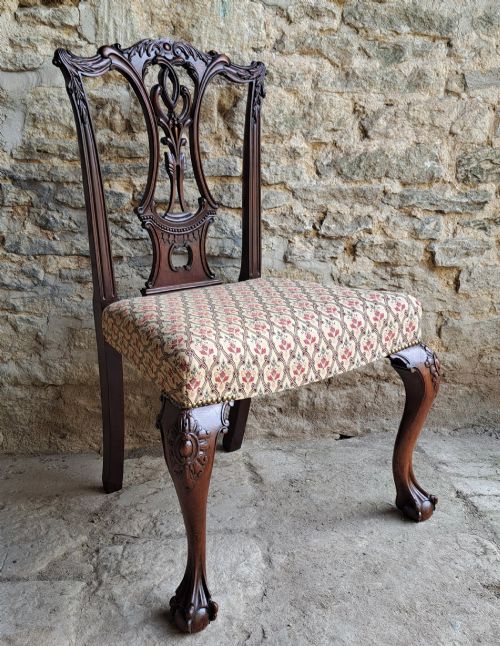
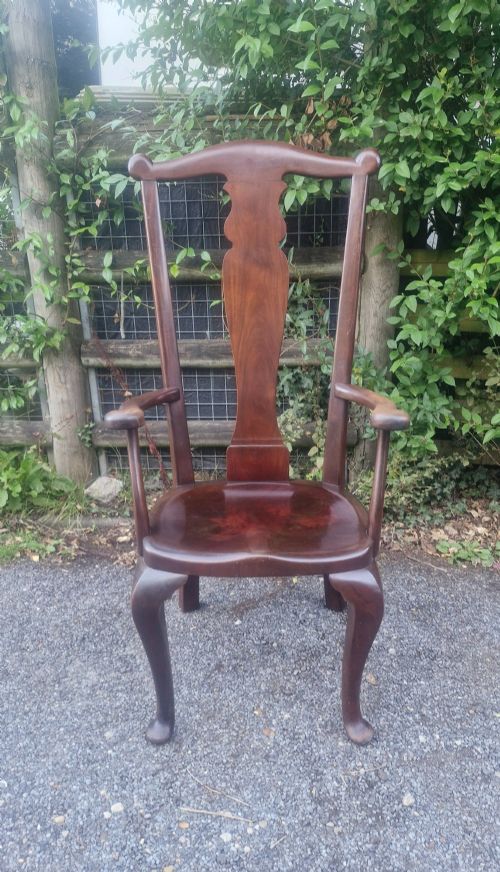
Buyers encounter regional vernacular pieces such as Thames Valley Oxford chairs alongside stylistic revivals in the Chippendale and Queen Anne manner.
How they were made
Cabinet makers and bodgers utilised native timbers like elm, ash, beech, and oak for country seating, turning spindles and bending wood for Windsor backs and armrests.
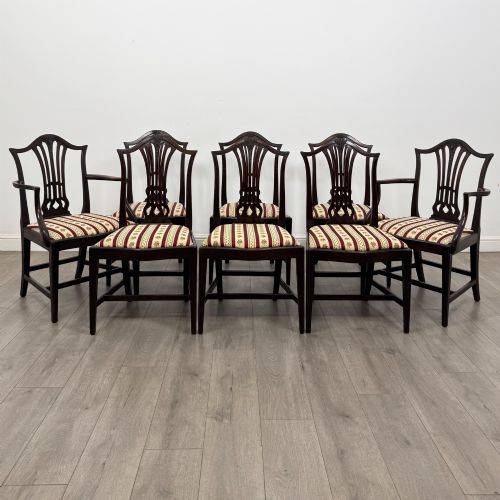
Formal dining furniture relied on imported Cuban and standard mahogany, shaped into shield backs, ladderbacks, and balloon backs with carved details.
Joinery methods included mortise and tenon joints for frames, while seats often combined solid wood with cane panels or upholstery in fabric, velvet, and brocade.
Listings feature traditional wood chairs spanning the eighteenth, nineteenth, and early twentieth centuries, constructed from mahogany, elm, ash, and oak.
What varies in quality
Quality rests upon the selection of timber and the integrity of the original construction, distinguishing robust everyday seating from finely proportioned parlour furniture.
The sophistication of the carving and turning separates standard workshop production from exceptional pieces displaying refined lines and original surface finishes.
The Traditional Wood Chairs Glossary
- Windsor chair
- A wooden chair featuring a heavy solid timber seat into which the legs and stick back are dowelled directly. These vernacular seats often incorporate elm, ash, and yew.
- Carver
- An armchair designed to match a set of dining side chairs, usually placed at the head of the table. They frequently share the stylistic details of the wider dining set.
- Barback
- A chair design featuring horizontal wooden slats across the upper backrest. This form appears frequently in nineteenth-century kitchen and tavern seating.
- Bobbin turned
- A decorative furniture turning technique resembling a string of beads or bobbins. It is commonly found on seventeenth and eighteenth-century frames.
- Shield back
- A dining chair backrest shaped in the outline of a heraldic shield. Popularised during the Georgian period, particularly within the Chippendale style.
Traditional Wood Chairs: Frequently Asked Questions
What is a Windsor chair?
A Windsor chair is a traditional seat built with a thick wooden saddle seat that holds the legs and back spindles. Country makers relied on woods like elm and ash for these durable pieces.
They appear in various regional patterns, including lathback, wheel back, and barback designs, often utilised as kitchen or desk armchairs.
How do I date a wood chair?
Dating relies on observing the timber species, construction joints, and stylistic markers. Eighteenth-century pieces frequently employ mahogany with intricate carving, while nineteenth-century vernacular chairs favour turned ash and elm.
Examining the underside reveals tool marks and wear patterns that indicate the manufacturing period and confirm whether components are original.
What is the difference between a side chair and a carver?
A side chair is a dining seat without arms, designed to fit compactly around a table. A carver is the matching armchair intended for the ends of the table.
Sets of dining chairs often comprise multiple side chairs accompanied by one or two matching carvers for the hosts.
How should I care for antique wood chairs?
Antique wooden seating benefits from stable indoor humidity away from direct heat sources and sunlight. Applying appropriate wax polish preserves the aged finish of timbers like mahogany and oak.
Checking joints periodically ensures that dry historic glue or movement does not compromise the stability of the frame during daily use.