





Brown Wood Chairs
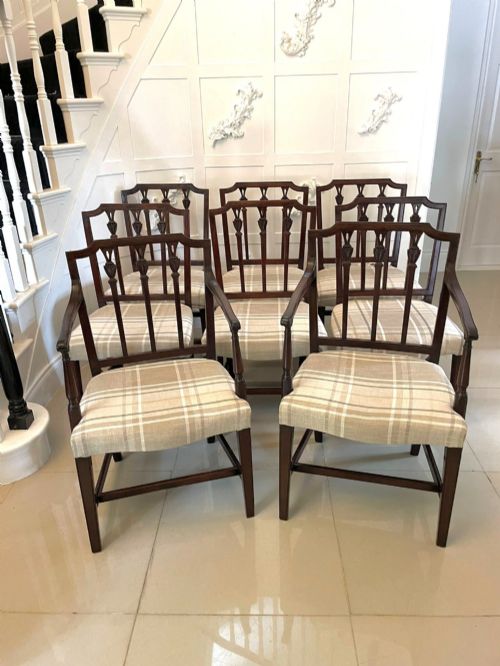
Brown wood chairs are seating pieces spanning the 18th, 19th, and early 20th centuries, prized for solid timber construction and enduring utility.
Brown Wood Chairs
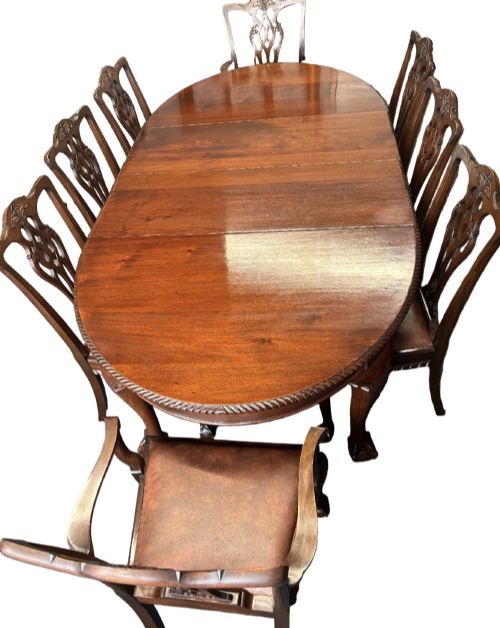
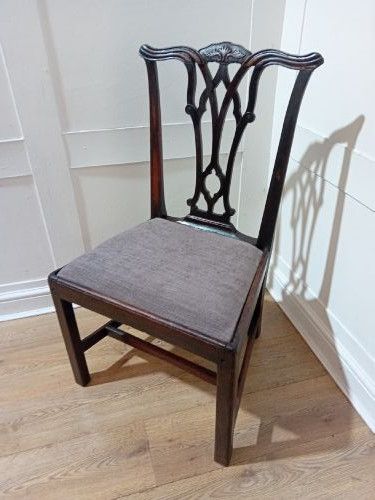
When buyers search for brown wood chairs, they encounter a diverse selection of seating designed for dining, desk work, and country living. These range from formal mahogany dining sets originating in the Georgian and Victorian eras to rustic kitchen and farmhouse seating.
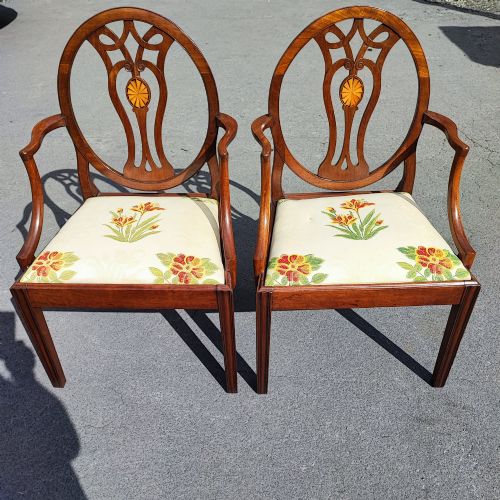
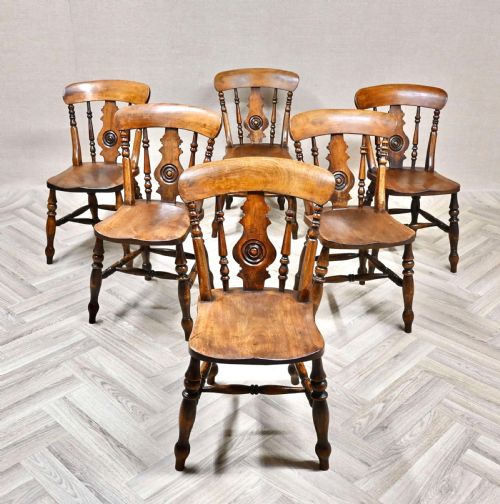
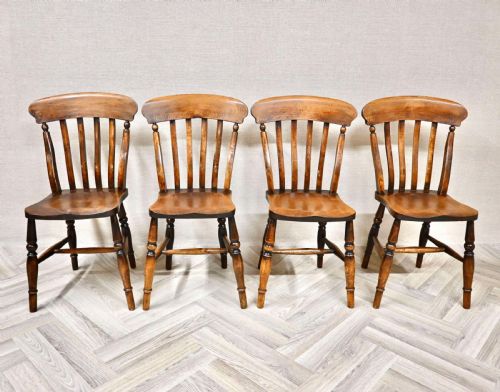
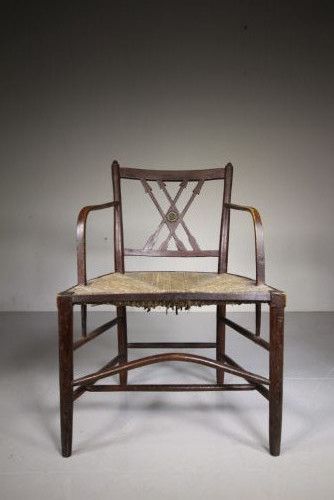
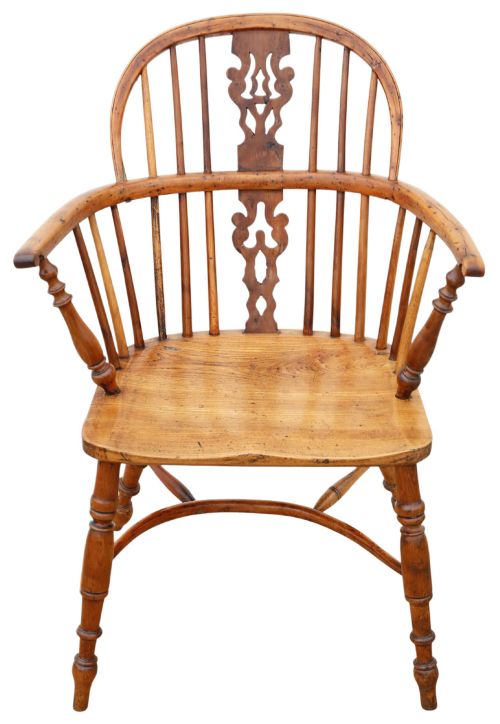
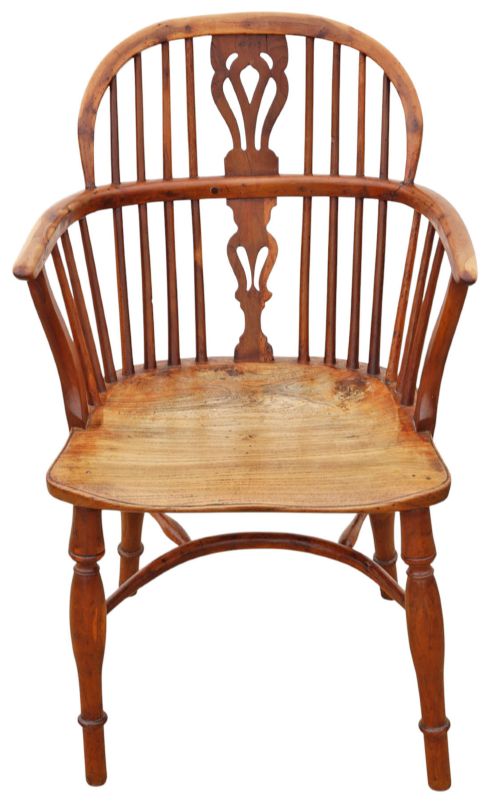
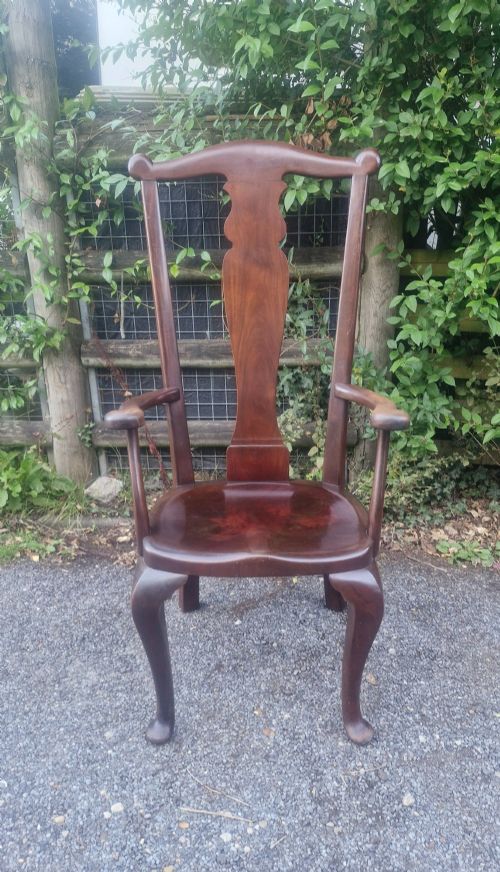
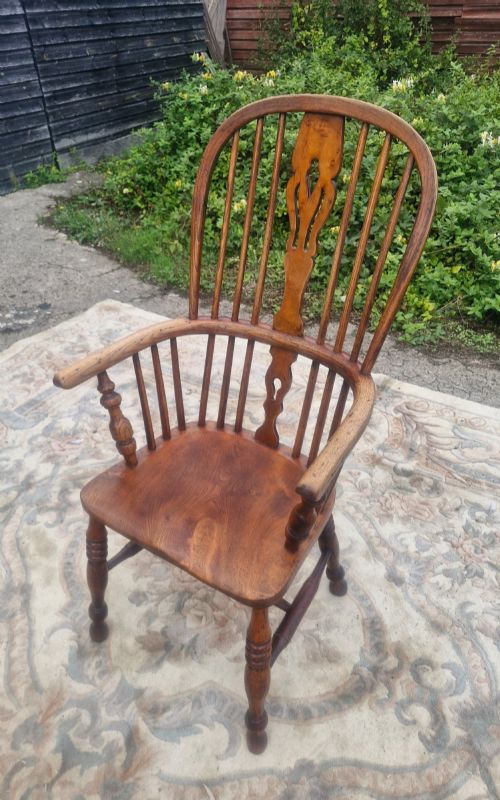
The versions most commonly met on this page are country Windsor chairs constructed from elm, ash, and beech, alongside formal dining chairs in mahogany and walnut. Forms span armchairs, carvers, side chairs, rocking chairs, and large sets intended for dining rooms and halls.
Origins stretch across the 18th century, the Victorian period, and into the Edwardian era and the 1920s. Buyers will find individual statement pieces alongside matched sets suitable for daily domestic use.
How they were made
Makers utilised a combination of native hardwoods such as elm for seats, ash for spindles, and beech for turnings in country chairs. Formal seating relied heavily on imported mahogany and walnut, selected for stability and grain depth.
Construction techniques combined traditional joinery like mortise and tenon joints for dining chairs with steam-bending for Windsor bows and lath backs. Turning on a lathe shaped the legs and spindles seen on country and captain chairs.
Brown Wood Chairs Retail Price Guide 2026
Typical asking prices for brown wood chairs among the pieces listed under this phrase on Sellingantiques today, from the lower quarter to the upper quarter. They describe what is for sale here now, not the wider market.
Smokers captain chairs offer deep, curving armrests designed specifically to accommodate the expansive waistcoats of 19th-century gentlemen.
What varies in quality
Quality separates through the selection of timber figures, such as dense yew wood grain or well-matched mahogany veneers. The crispness of carved details on Chippendale or Sheraton style frames also dictates the tier of craftsmanship.
Structural integrity depends on the original tightness of joints and the retention of a rich natural patina on woods like elm and ash. Complete matching sets command distinct attention compared to assembled groups or individual survivors.
The Brown Wood Chairs Glossary
- Windsor chair
- A wooden chair featuring a saddle-shaped solid seat into which the legs and back spindles are directly bored. They often include steam-bent bows and arm elements.
- Carver
- An armchair designed to match a set of dining side chairs, usually placed at the head of a table. These frequently mirror the stylistic details of the smaller chairs.
- Lathback
- A chair design featuring horizontal wooden slats, or laths, set into the backrest rather than vertical spindles. This form is common in 19th-century kitchen and farmhouse seating.
- Bobbin turned
- Furniture legs or stretchers shaped on a lathe to resemble a series of rounded bobbins or spools strung together. This decorative turning appears frequently on 18th-century oak pieces.
- Patina
- The deep, lustrous surface sheen developed on old wood over decades of handling, polishing, and exposure to light. Collectors value untouched patina as an indicator of age.
Brown Wood Chairs: Frequently Asked Questions
What is a Windsor chair?
A Windsor chair is a traditional seating form characterised by a thick wooden seat where the legs and back are fitted directly into drilled holes.
They rely on sturdy stick-back construction, often combining flexible timbers like ash for spindles with heavier woods like elm for the seat.
How do I care for antique wood chairs?
Keep wooden chairs away from direct heat sources and sudden temperature changes to prevent the timber from splitting or joints from drying out.
Apply a microcrystalline wax polish occasionally to nourish the grain and protect the original surface finish without building up heavy residue.
How can I date an old dining chair?
Dating relies on examining the timber species, joinery methods, and characteristic style markers such as George III lines or Victorian balloon backs.
Tool marks left by hand saws and lathes also provide physical evidence of the manufacturing period.
Are these chairs suitable for daily use?
Many of these wooden chairs were built for utilitarian purposes like dining and kitchen work, making them robust enough for everyday living.
Checking that the joints remain firm ensures they withstand regular sitting.