

19th Century French Seating
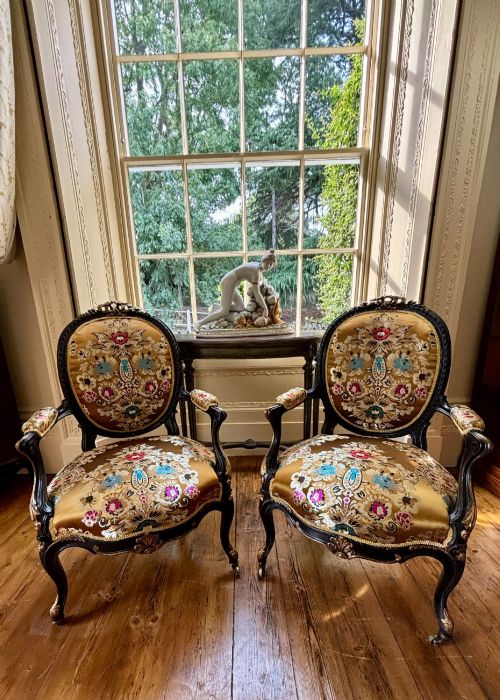
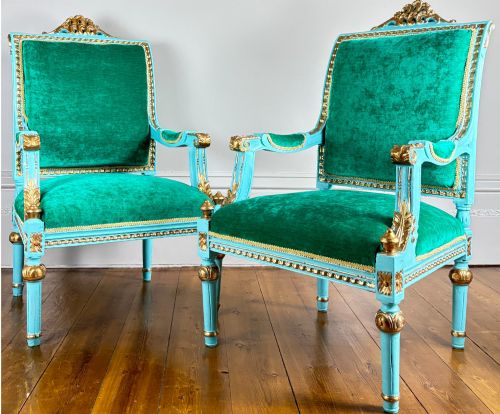
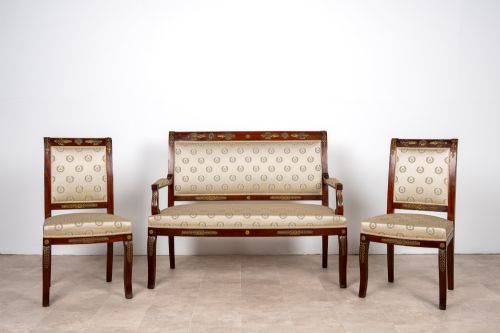
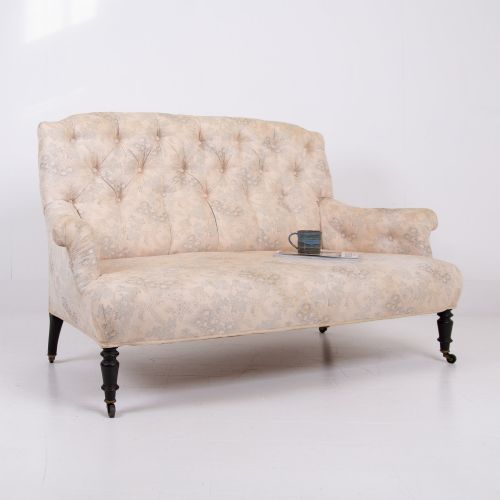
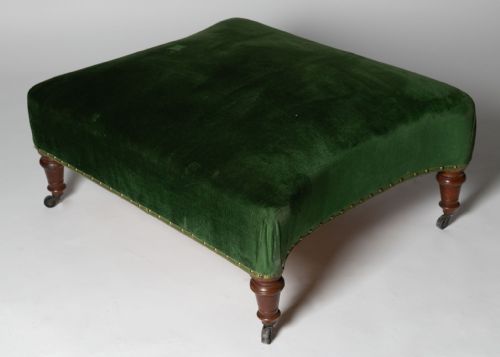
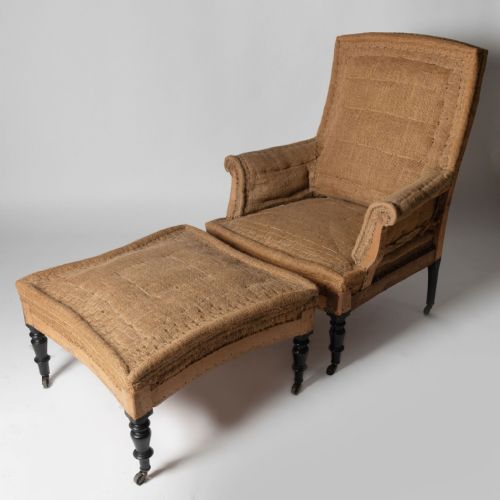
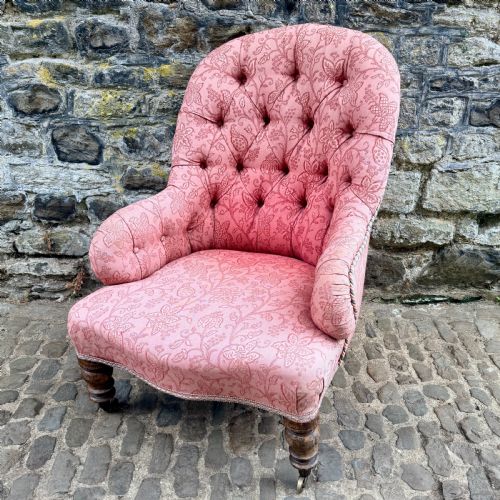
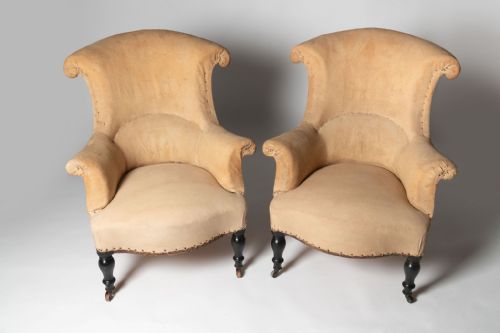
These pieces of 19th century french seating bring carved wood, gilt finishes and tailored upholstery together to anchor a room.
How They Were Made
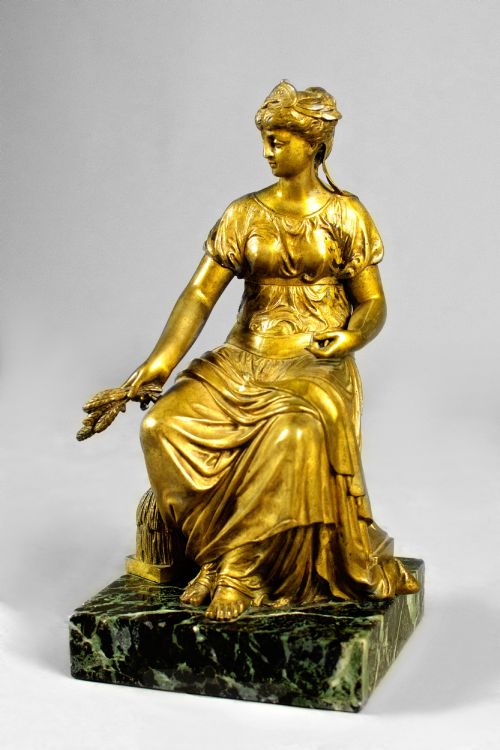
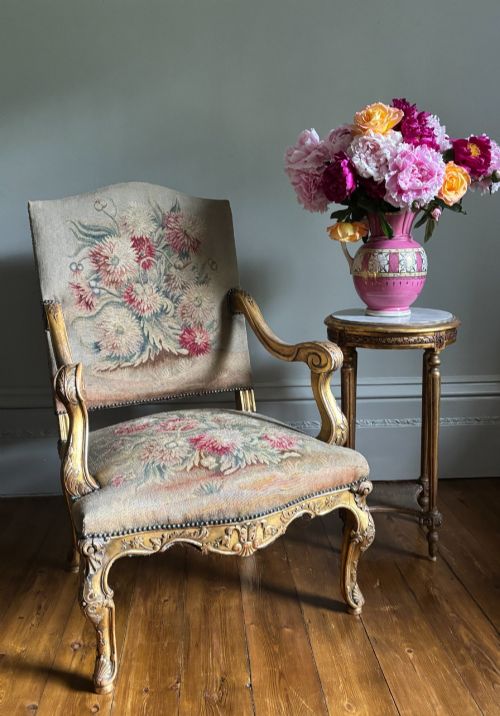
Carpenters and joiners shaped frames from native and imported hardwoods like walnut, mahogany, oak and beech, often applying elaborate carving, ebonising or parcel gilt surfaces. Metal components such as brass or ormolu mounts and iron framework appear on specific seating and garden benches.
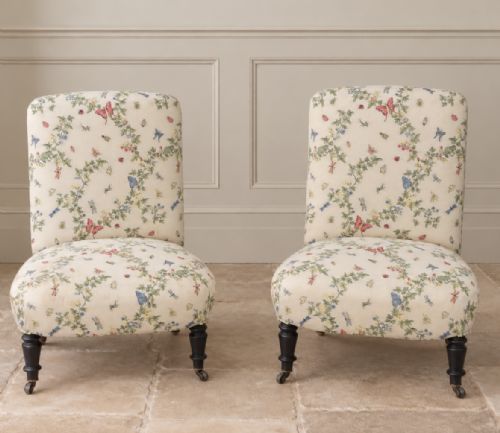
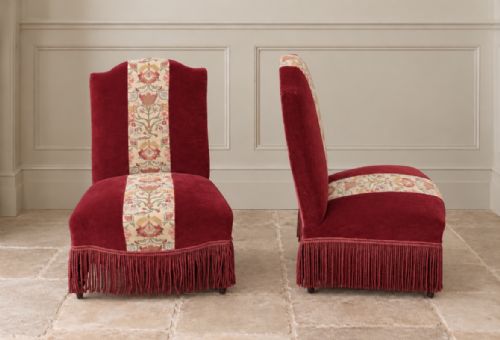
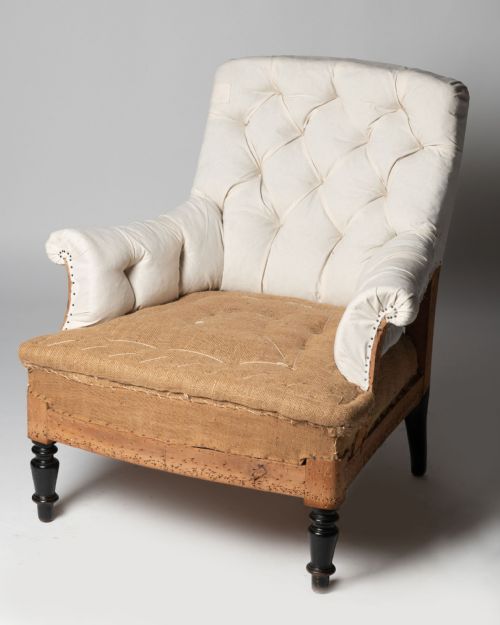
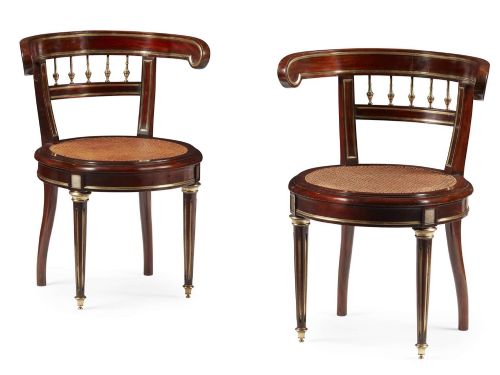
Upholstery techniques relied on textiles including linen, tapestry and general fabric, paired with cane panels woven directly into chair backs and seats. Surface decoration combined painted details with applied gilding to highlight carved scrollwork and structural mouldings.
What Varies in Quality
Quality rests in the crispness of the hand-carved detail across wooden frames and the fidelity of historic revival styles. Finer examples display precise joinery and sophisticated surface treatments like original gilding or ebonising.
The standard of upholstery and the survival of original cane work influence the integrity of each piece. Frames retaining their original carved walnut or giltwood surfaces command greater attention than heavily altered equivalents.
19th Century French Seating Retail Price Guide 2026
Typical asking prices for 19th century french seating among the pieces listed under this phrase on Sellingantiques today, from the lower quarter to the upper quarter. They describe what is for sale here now, not the wider market.
Design influences span Rococo Revival, French Empire, Renaissance Revival and Napoleon III styles.
Etienne-Henri Dumaige·E Villanis·Alfred Dubucand
The 19th Century French Seating Glossary
- Fauteuil
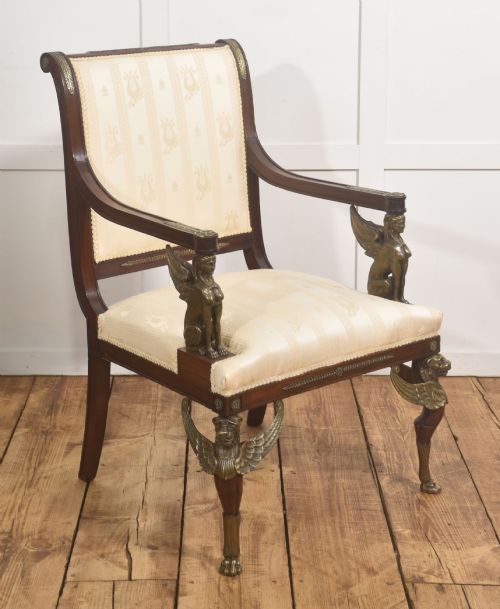
- An open-armed upholstered armchair with exposed wooden armrests and frame. This form originated in France and appeared frequently in formal salons.
- Canapé
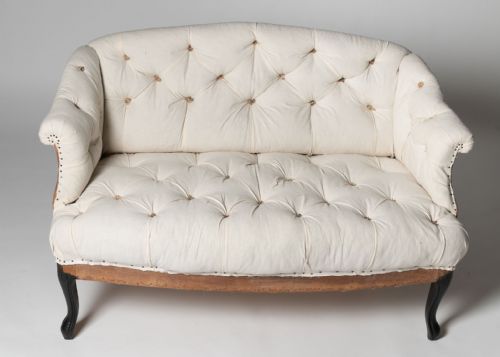
- A decorative settee or sofa designed for multiple sitters, usually matching other salon seating. These items share the carved wooden rails seen on contemporary armchairs.
- Ormolu
- Gilt bronze mounted onto furniture or decorative objects for ornamentation. It provides a metallic contrast against ebonised or polished timber.
- Giltwood
- Timber covered with a thin layer of gold leaf. This finish defines the most formal nineteenth-century salon seating.
- Cane
- Woven peeled rattan used for chair seats and back panels. It offers a light, breathable alternative to fully upholstered surfaces.
19th Century French Seating: Frequently Asked Questions
How do I identify a Louis XV style chair?
These pieces typically feature asymmetric carving, cabriole legs and curved structural lines derived from eighteenth-century models.
Nineteenth-century makers reinterpreted these elements with denser woods and machine-assisted joinery alongside traditional hand-carving.
What is the difference between a fauteuil and a regular armchair?
A fauteuil specifically designates an open armchair with upholstered arm pads and exposed wooden framing around the sides.
Closed armchairs, by contrast, feature upholstered panels completely enclosing the sides between the armrest and the seat rail.
Where were these pieces used in the home?
Salon suites and giltwood armchairs furnished formal reception rooms, drawing rooms and parlours where guests gathered.
Stools, window seats and smaller benches found placement in bedrooms, hallways and intimate boudoirs.
Are these chairs suitable for daily seating?
Most antique seating functions well for normal daily use provided the frame joints remain tight and secure.
Delicate gilt surfaces and antique textiles require careful placement away from direct sunlight and heavy wear.