

Antique Walnut Armchairs
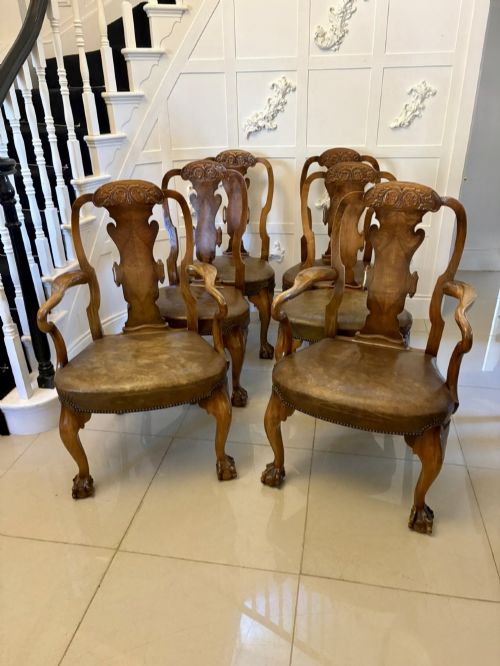
These antique walnut armchairs offer rich timber grain and classic seating forms spanning from the eighteenth century to the twentieth century.
What antique walnut armchairs are
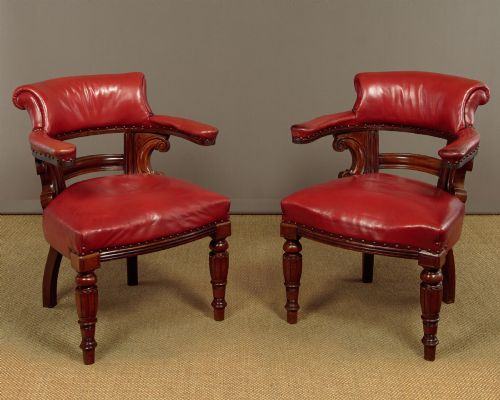
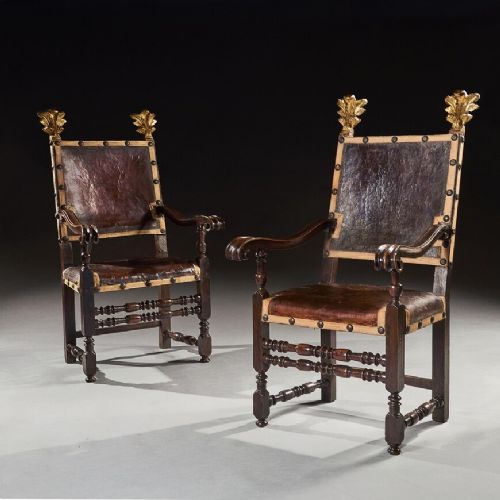
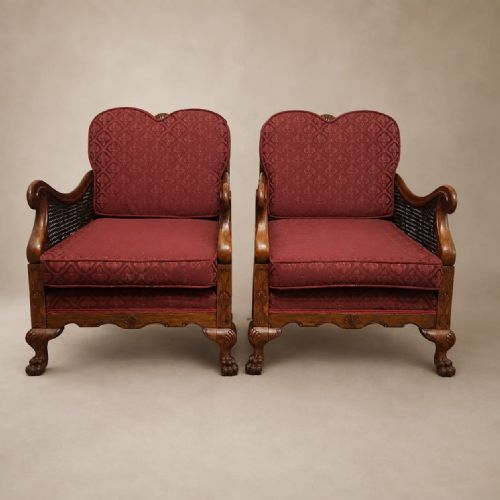
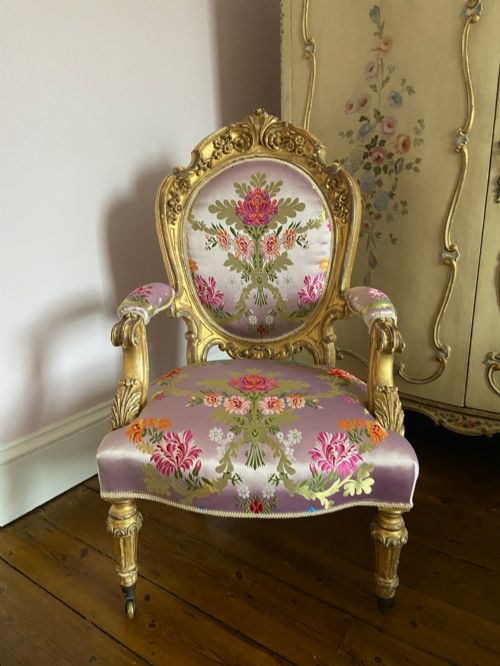
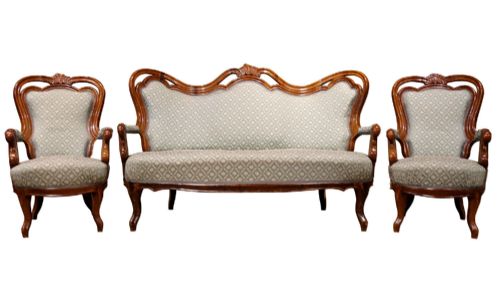
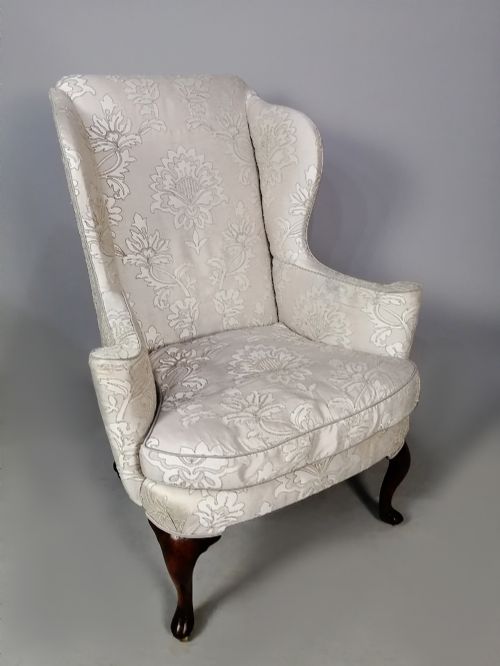
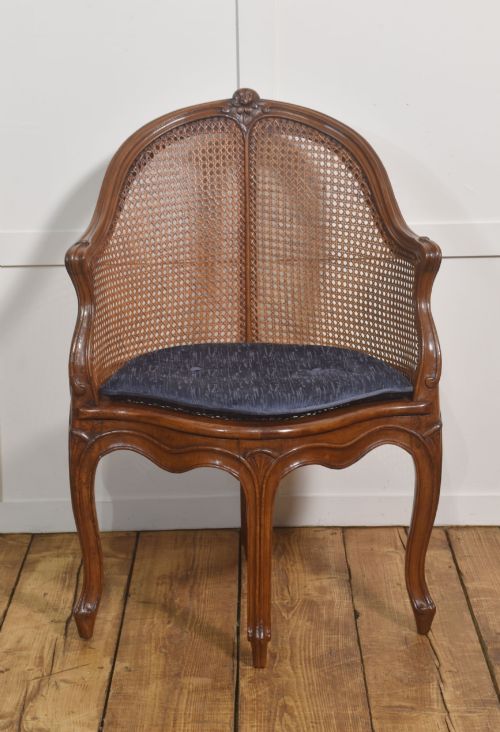
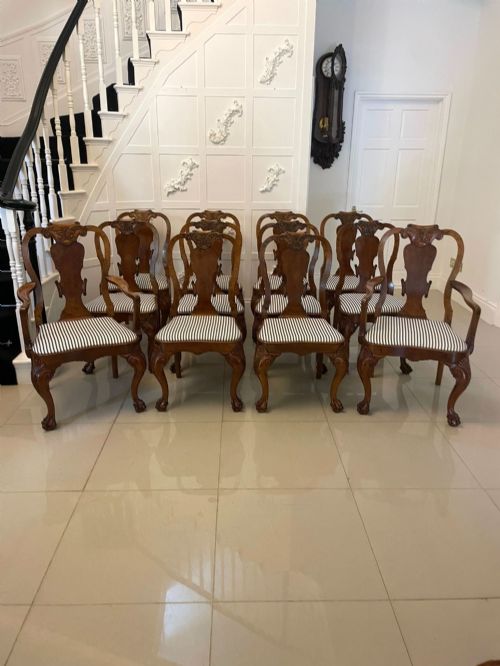
Buyers seeking antique walnut armchairs encounter a diverse selection of seating, ranging from early eighteenth-century Louis XV open models to late nineteenth-century Victorian carved designs and Edwardian tub chairs. These pieces appear frequently in pairs, alongside larger salon suites, parlour suites, and dining sets.
The inventory spans multiple periods including the 18th century, 19th century, Victorian, Edwardian, and the 1920s, reflecting various revival movements such as Renaissance Revival, French Chateau, Louis XV, Louis XVI, and French Rococo Revival.
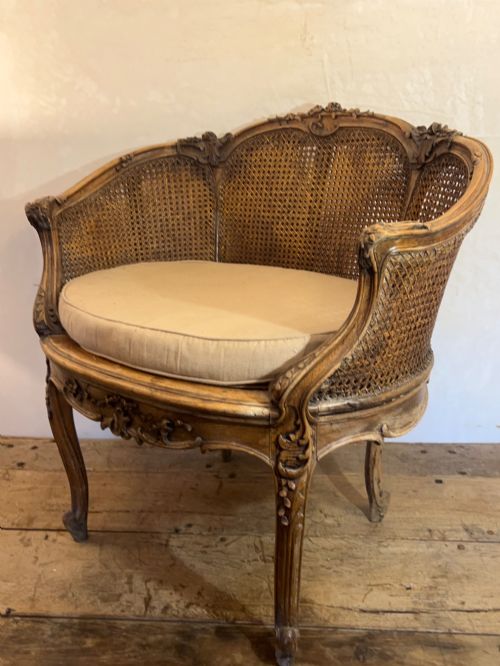
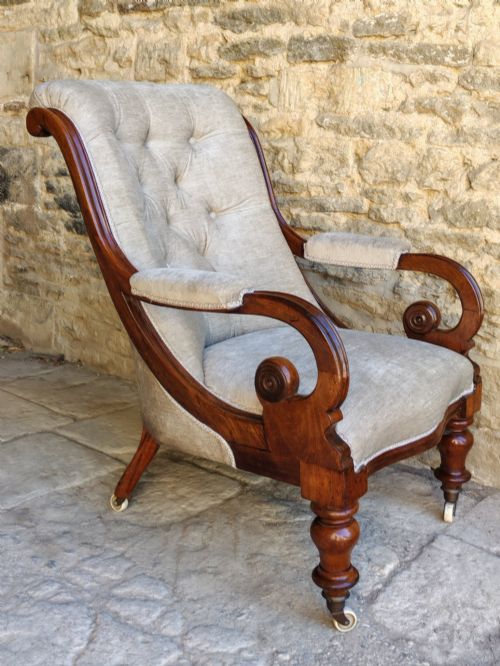
Formations include open armchairs, fauteuils, bergères with caned panels, carvers, and library armchairs. Walnut timber provides the primary structural foundation across these diverse regional and stylistic traditions.
How they were made
Craftsmen shaped solid walnut timber and burr walnut veneers to form structural frames, incorporating detailed hand-carved ornamentation along crest rails, arms, and cabriole legs. Joinery methods relied on traditional techniques to secure weight-bearing joints in the wood.
Frames received upholstery in textiles, fabric, velvet, tapestry, and leather, often complemented by cane panels inserted into backrests and sides. Metal components such as brass hardware occasionally appeared in structural joints or castors.
Retail Price Guide 2026
Typical UK retail prices for walnut armchairs, calculated from the Sellingantiques database of over a million retail prices indexed since 2003. This retail price guide relies exclusively on Sellingantiques data; no external sources or auction records are used, so the figures do not describe the wider market.
Listings feature walnut, cane, brass, and tapestry across Victorian, Edwardian, and eighteenth-century periods.
What varies in quality
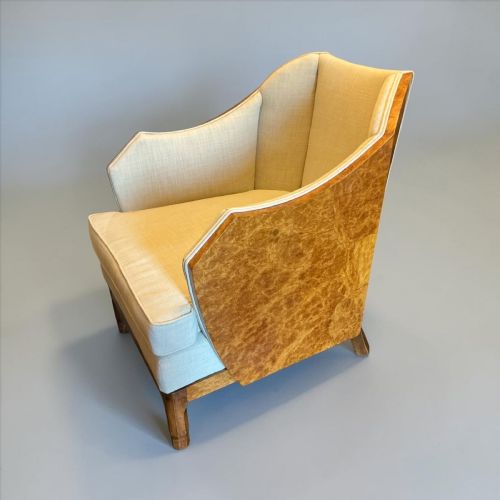
The distinction between tiers rests upon the crispness of timber carving, the depth and figuring of the walnut grain, and the architectural proportion of the frame. Pieces featuring dense burl patterns and fluid, hand-carved rococo scrolls demonstrate superior workshop execution.
Structural integrity, the retention of original upholstery support materials, and the harmony of matching pairs further differentiate exceptional examples from standard production pieces.
The Antique Walnut Armchairs Glossary
- Fauteuil
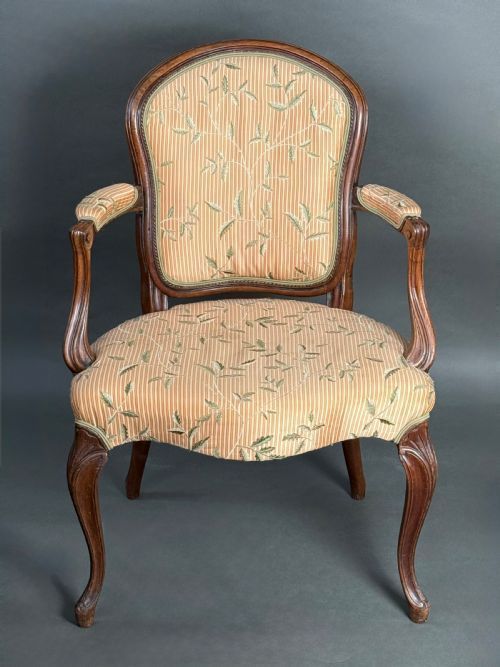
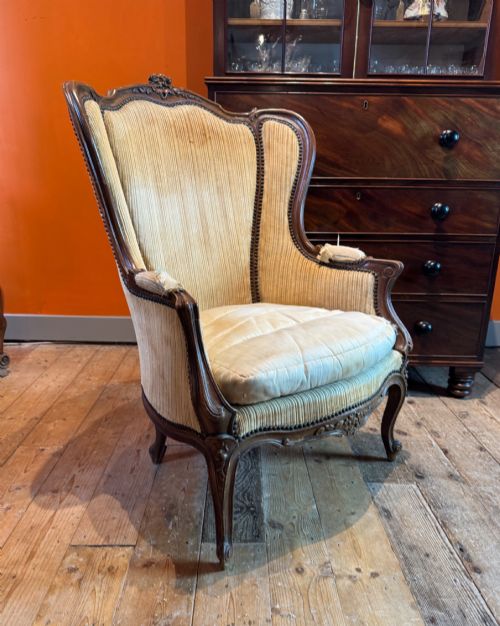
- An open-framed upholstered armchair originating in France, characterised by exposed wooden arms and a padded backrest. This form frequently exhibits carved cabriole legs.
- Bergère
- An enclosed armchair with upholstered sides and back, often featuring woven cane panels. It provides a more enclosed seat than an open armchair.
- Tub chair
- A seating form featuring a curved, continuous back and armrest shaped like a tub. These compact chairs appear often in Edwardian designs.
- Carver
- A dining chair fitted with arms, traditionally placed at the head of a table. These match larger dining sets or salon suites.
- Burr walnut
- A specialised timber veneer harvested from tree growths, producing swirling, highly decorative grain patterns. Makers utilised this material on prominent surface areas for visual impact.
Frequently Asked Questions
How do I identify a Louis XV style walnut armchair?
These chairs display characteristic curved lines, cabriole legs, and asymmetrical carved floral ornamentation on the walnut frame. The open arm design and upholstered backrest follow eighteenth-century French proportions.
Makers often incorporated subtle scrollwork on the foot and crest rail. Comparing the carving depth helps distinguish revival pieces from earlier originals.
How should I care for antique walnut furniture?
Protect walnut surfaces by placing chairs away from direct heat sources and strong sunlight, which dries out timber and fades textiles. Maintain stable indoor humidity to prevent wood movement in the frame.
Apply specialised wax polish sparingly to nourish the walnut grain. Vacuum upholstered velvet, tapestry, or leather gently using a soft brush attachment.
Where were these armchairs typically placed?
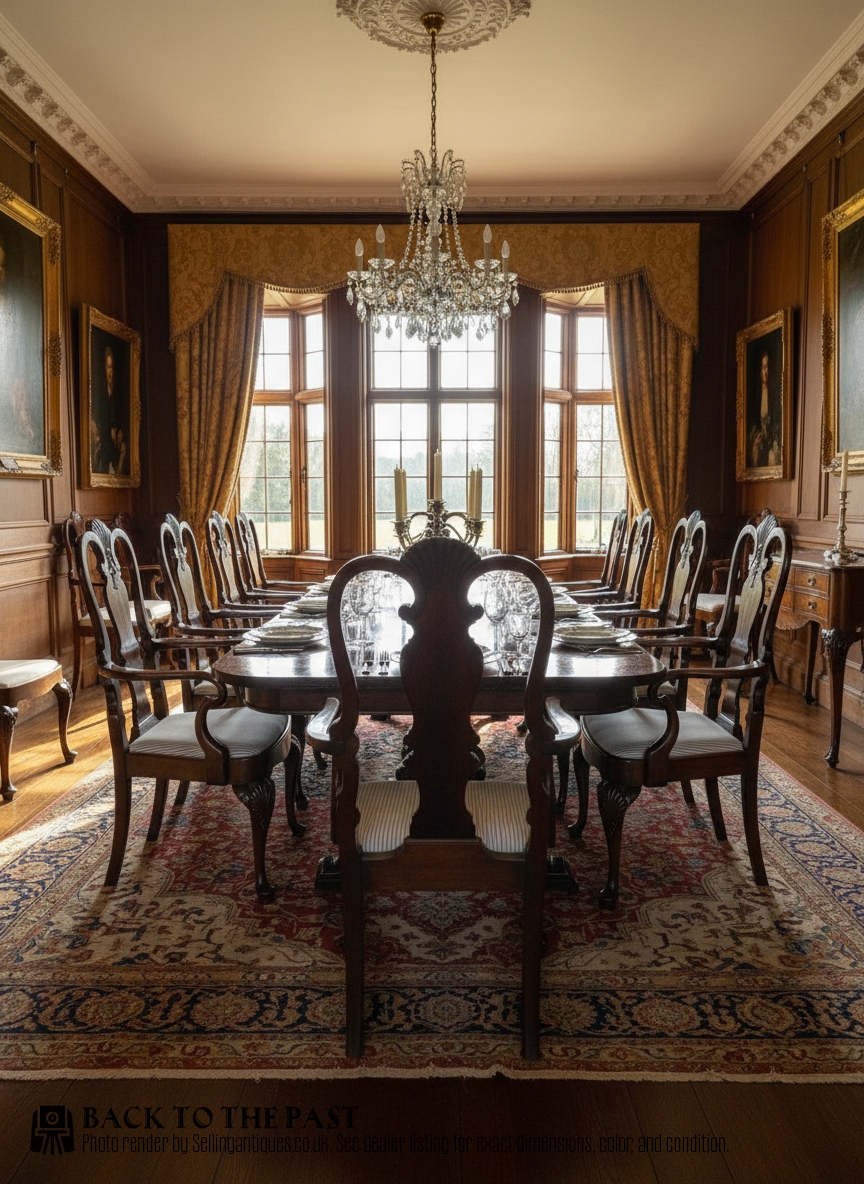
Period interiors utilised these seats in formal drawing rooms, libraries, and parlours as part of larger salon suites. Pairs often flanked fireplaces or positioned alongside matching sofas.
Smaller tub chairs and bergères served bedroom and dressing room functions. Dining armchairs occupied the heads of formal dining tables.