
French Walnut Armchairs
French walnut armchairs bring warmth and ornate carving into a room, offering both sturdy seating and a distinct period silhouette.
What french walnut armchairs are
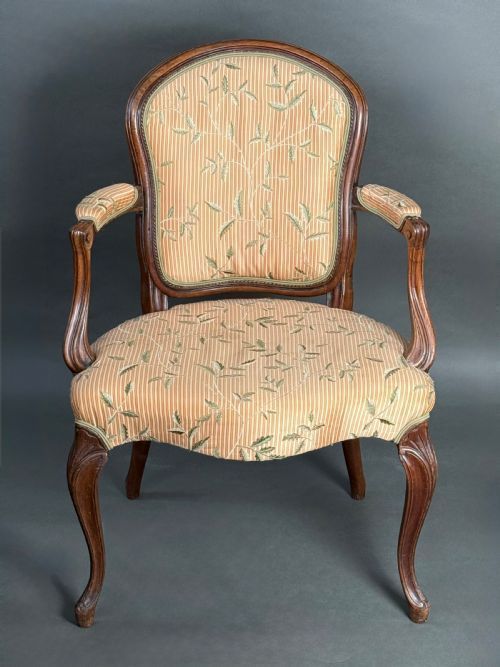
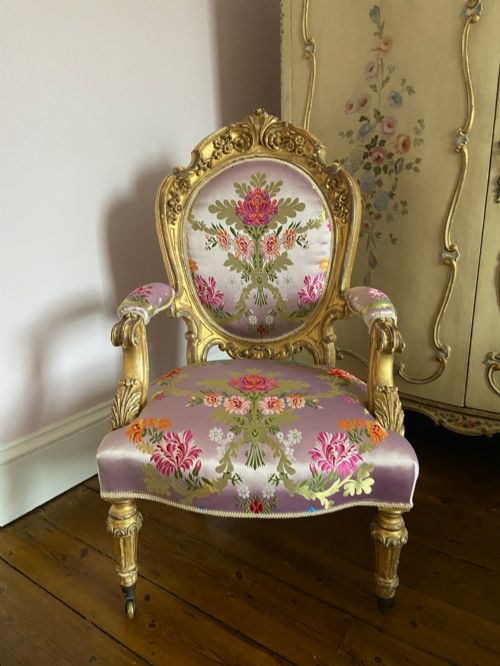
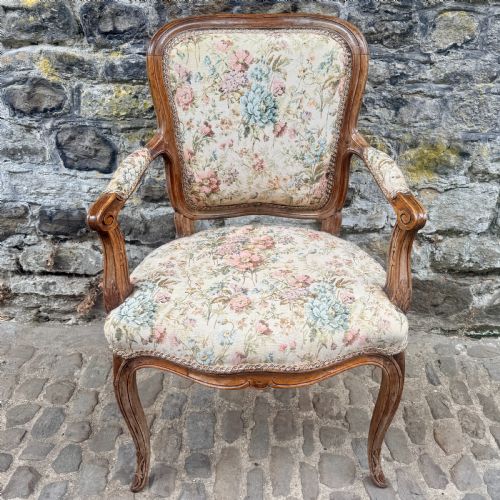
French walnut armchairs are seating forms defined by their hardwood frames and upholstered components, originating across the nineteenth and early twentieth centuries. When searching for french walnut armchairs, buyers encounter mostly nineteenth-century pieces alongside examples from around nineteen-ten and eighteen-eighty.
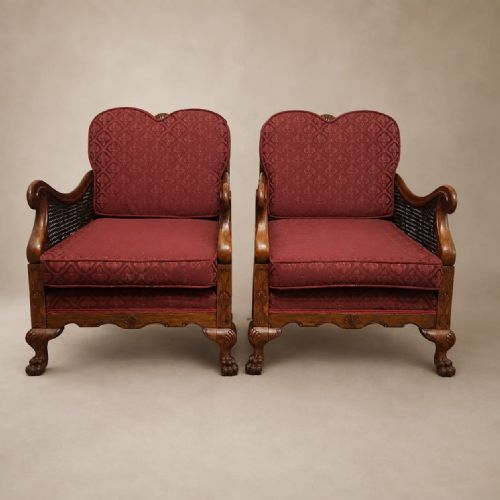
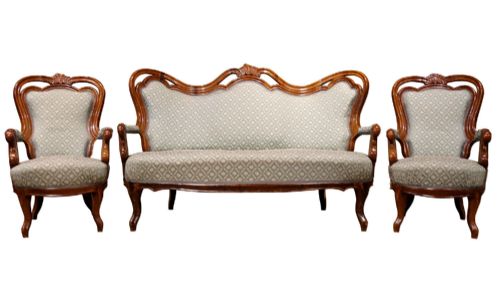
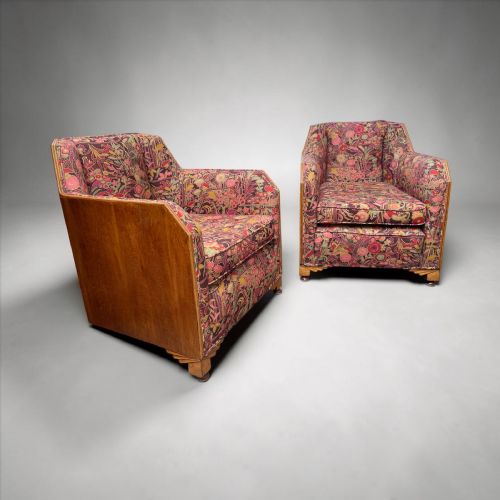
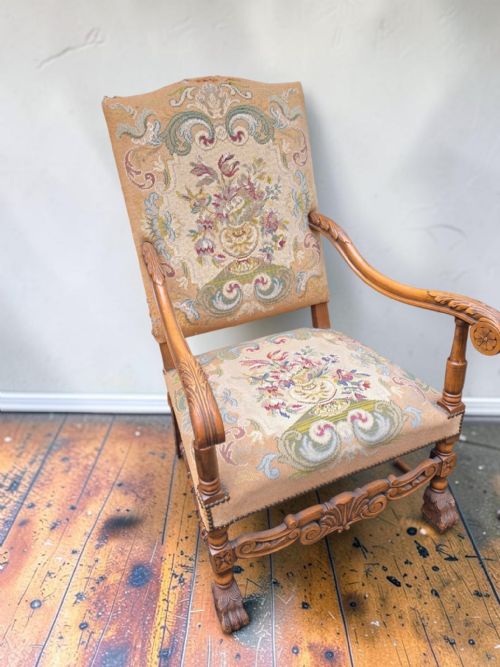
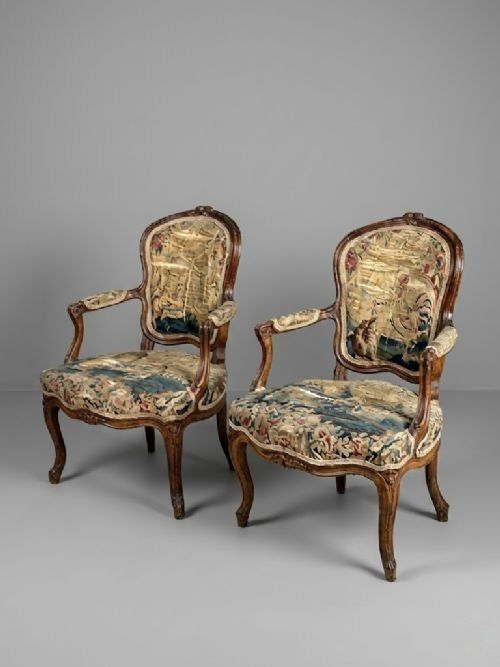
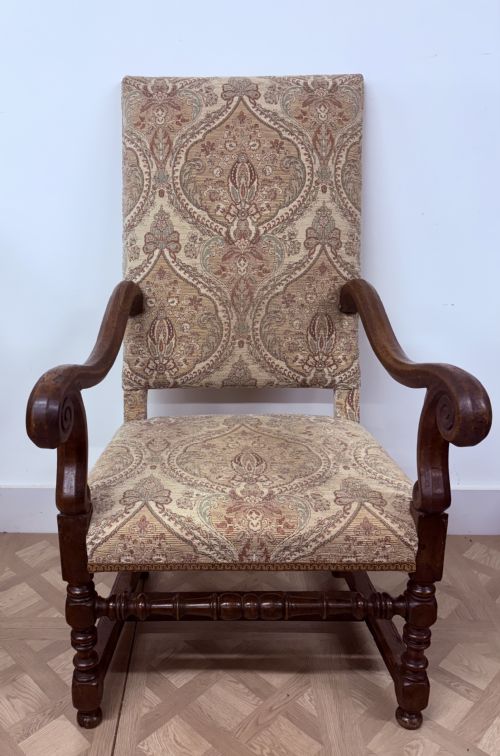
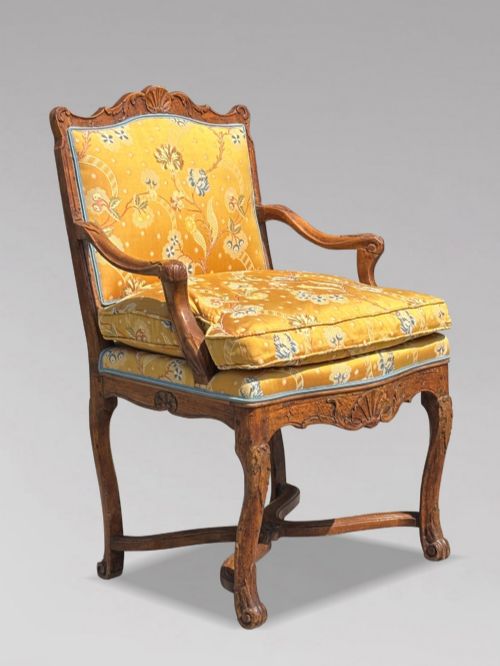
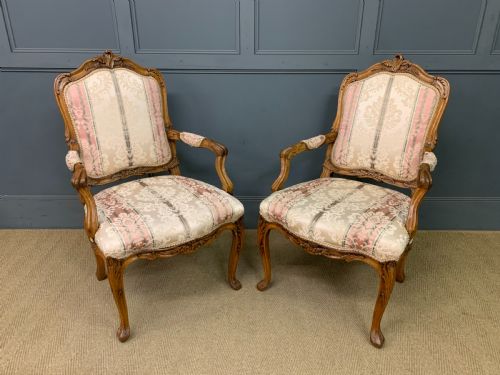
The prevailing styles on this page follow French Rococo Revival and French Louis XV aesthetic traditions, alongside French Renaissance Revival and occasional Louis XVI taste. Pieces emerge primarily as matched or substantial pairs designed for salons, libraries, and bedrooms.
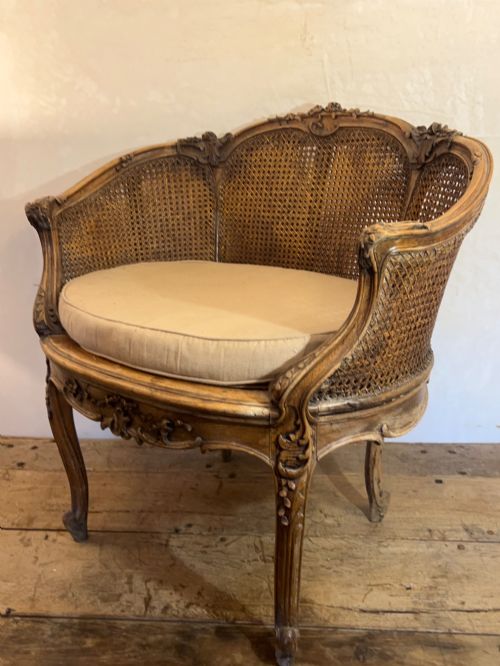
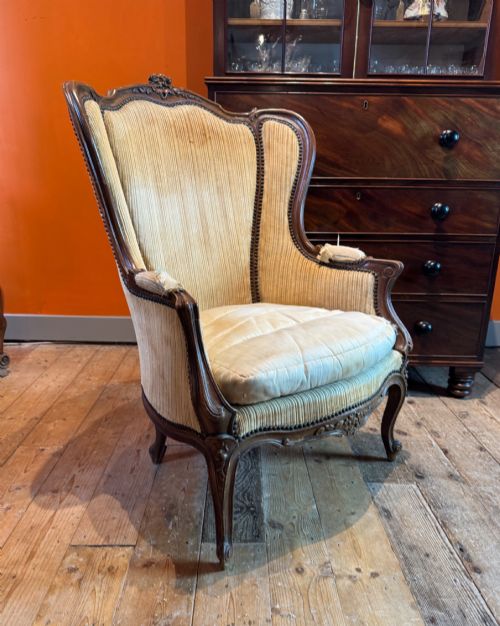
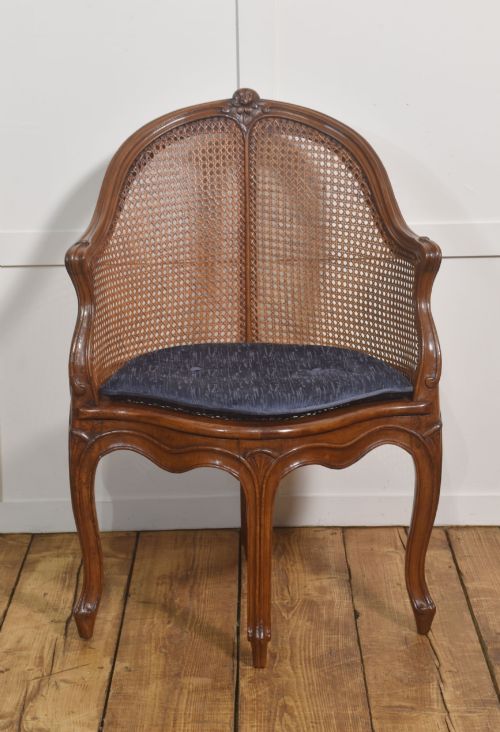
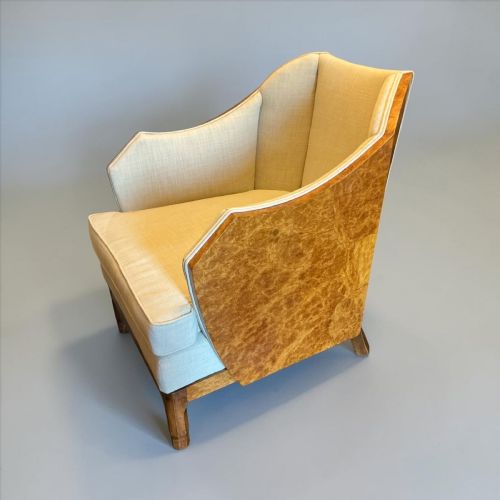
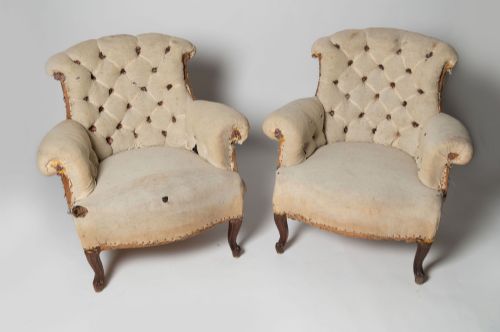
Form variations include standard armchairs, open armchairs, fauteuils, low back tub armchairs, and bergere armchairs. Certain examples incorporate specific decorative motifs such as carved rams heads into the wooden frames.
How they were made
The structural framework of these seats relies upon solid walnut timber, shaped and joined through traditional cabinet-making methods. Many frames display detailed carving executed directly into the dense grain of the walnut.
Upholstery forms an integral part of the construction, utilising fabrics such as silk, damask, textile, and general upholstery fabric secured over padding. Brass components sometimes appear as decorative tacks or structural accents on the frames and upholstery borders.
Retail Price Guide 2026
Typical UK retail prices for french walnut armchairs, calculated from the Sellingantiques database of over a million retail prices indexed since 2003. This retail price guide relies exclusively on Sellingantiques data; no external sources or auction records are used, so the figures do not describe the wider market.
Current listings feature nineteenth-century and early twentieth-century examples constructed entirely from walnut, fabric, and brass.
What varies in quality
Quality in these armchairs rests upon the crispness and depth of the carved walnut detailing across the wooden frames. Superior examples display fluid, hand-carved ornamentation that integrates harmoniously with the structural curves.
The choice of covering material distinguishes the grade of a piece, with heavy silk damasks and fine traditional textiles reflecting higher production standards than standard modern replacements. Scale also dictates standing, with larger library and salon armchairs commanding greater presence than smaller variants.
The French Walnut Armchairs Glossary
- Bergère
- An enclosed upholstered armchair with a solid or semi-upholstered back and sides. It frequently includes a loose squab cushion resting over a webbed seat base.
- Louis XV Style
- A decorative aesthetic characterised by asymmetrical scrollwork, cabriole legs, and naturalistic floral carvings. This style dominates nineteenth-century revivals of earlier French seating.
- Damask
- A reversible figured fabric traditionally woven with patterns of flowers or fruit. It frequently appears as the primary upholstery material on period salon chairs.
Frequently Asked Questions
What is a fauteuil armchair?
A fauteuil is an open-arm chair featuring wooden framework with upholstered back and seat sections.
The exposed wood is typically carved walnut, distinguishing it from fully upholstered modern seating.
How do I identify Louis XV style?
Louis XV style pieces exhibit curving lines, cabriole legs, and organic scrollwork ornamentation.
Carvings on these walnut frames frequently draw inspiration from natural floral and shell motifs.
Are these chairs sold in pairs?
The majority of these walnut armchairs survive and are listed as matched pairs.
This reflects their original purpose as balanced seating for formal nineteenth-century salons and parlours.
What is a bergere chair?
A bergere is a wide, deep armchair featuring upholstered sides enclosed by the wooden frame.
They generally include a soft removable seat cushion resting within the walnut structure.