
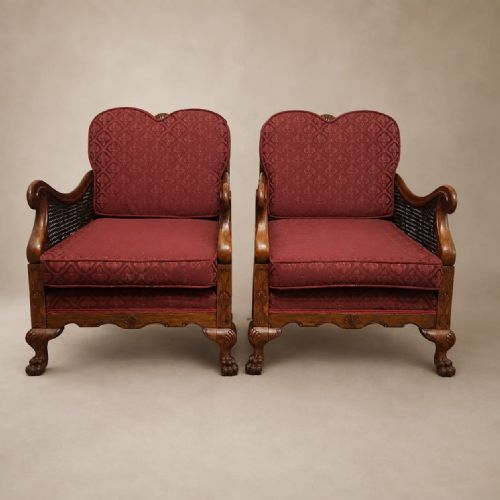
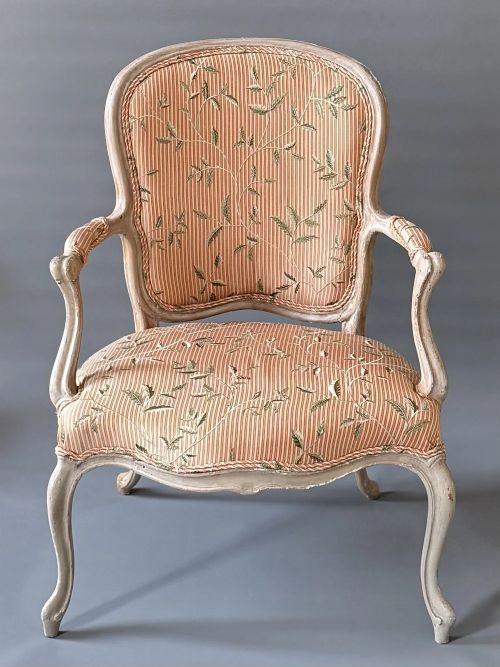
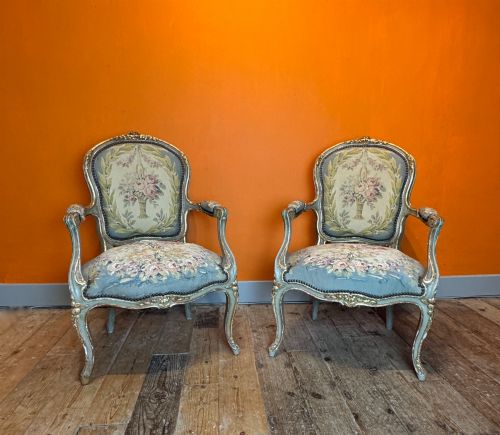
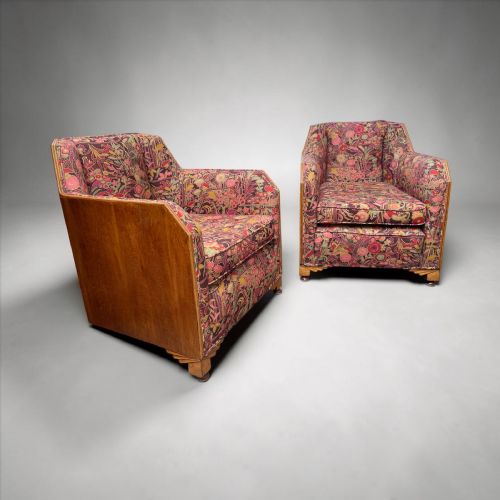
Vintage French Seat
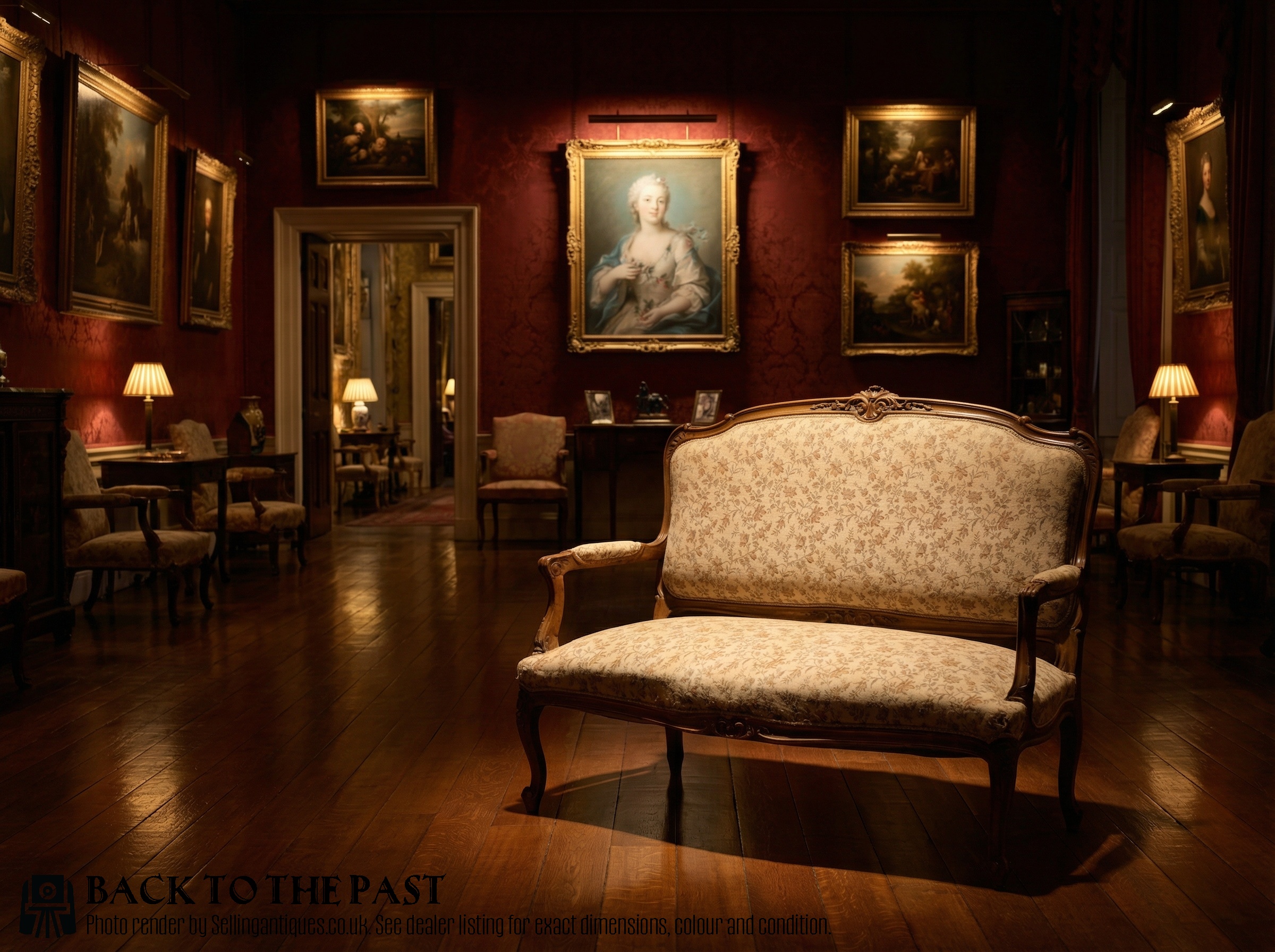
A vintage french seat brings warmth and traditional European character to a room.
What they are
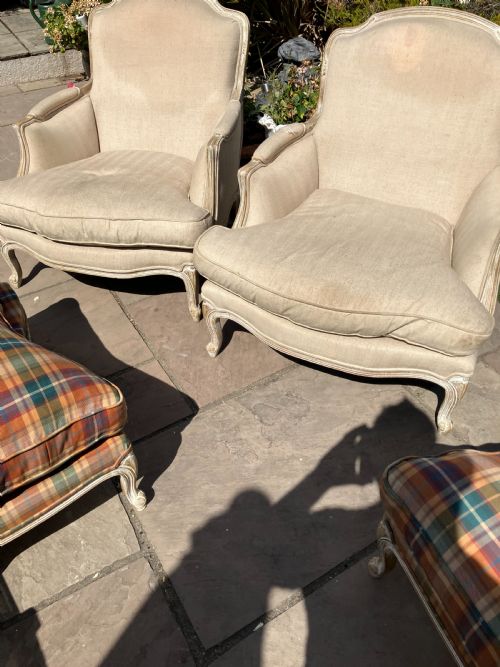
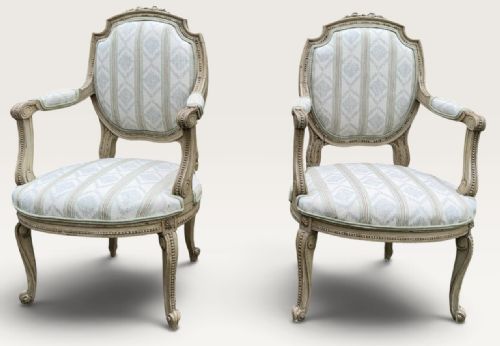
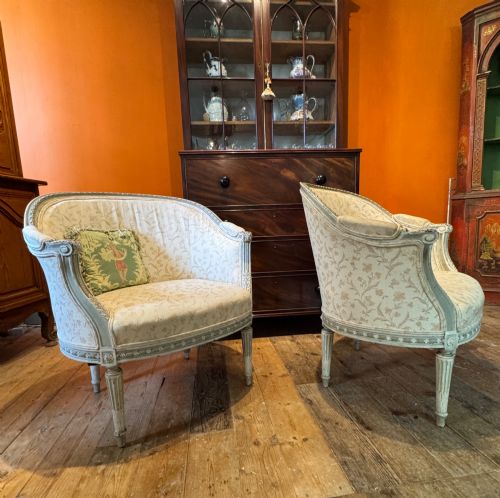
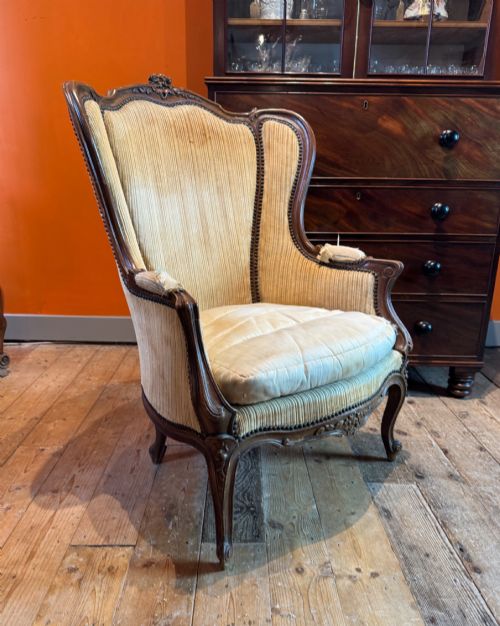
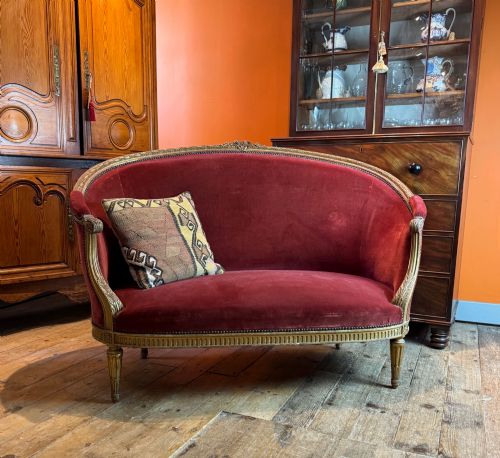
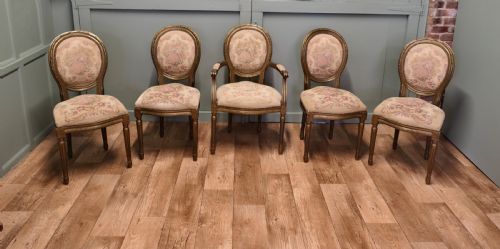
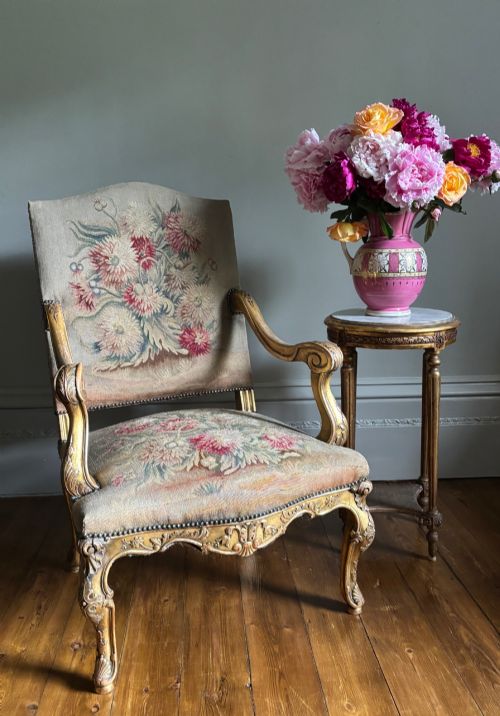
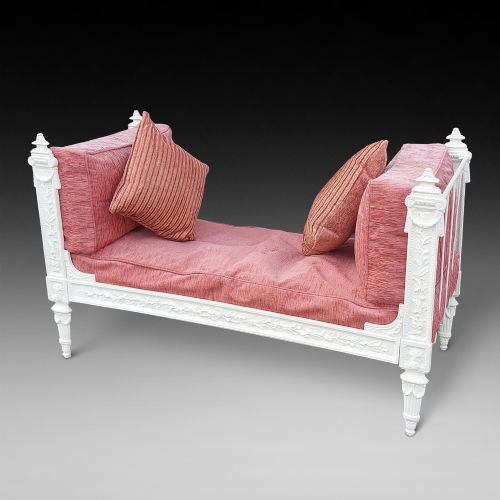
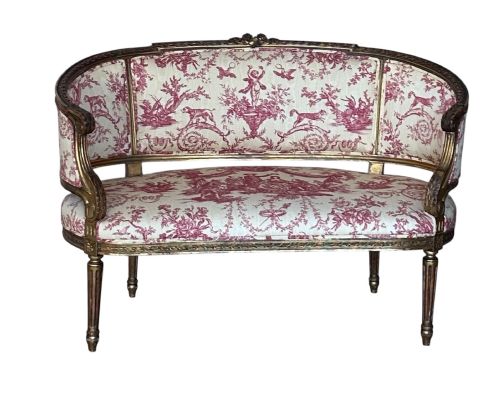
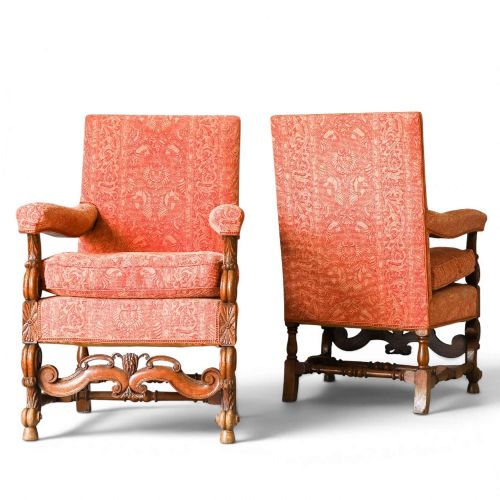
A vintage french seat encompasses various forms such as armchairs, side chairs, footstools, and settees.
The pieces on this page span several periods including the nineteenth century and the early twentieth century.
Makers drew on distinct design movements like Louis XV style, French Rococo Revival, French Neoclassical, and French Provincial.
How they were made
Craftsmen utilised traditional timbers including walnut, oak, kingwood, and painted timber for the frames.
Decorative elements involve carved details, giltwood, ormolu mounts, and parquetry work.
Upholstery incorporates fabric, tapestry, and rush seats depending on the specific style.
Retail Price Guide 2026
Typical UK retail prices for vintage french seat, calculated from the Sellingantiques database of over a million retail prices indexed since 2003. This retail price guide relies exclusively on Sellingantiques data; no external sources or auction records are used, so the figures do not describe the wider market.
Some ladder back chairs feature rush seats designed for comfortable kitchen dining.
What varies in quality
The refinement of the wood carving and the precision of the parquetry separate standard examples from finer pieces.
The choice of materials, such as the inclusion of cast ormolu mounts and genuine giltwood, dictates the overall standard.
The preservation of original finishes, whether original paint or aged timber, influences the character of each seat.
The Vintage French Seat Glossary
- Ormolu
- Gilded bronze mounts applied to furniture. This technique adds decorative metallic detail to wood frames.
- Parquetry
- Geometric wood veneer patterns. Craftsmen arrange small pieces of contrasting timber on the surface.
- Canapé
- A traditional French settee or sofa. These upholstered seats accommodate multiple people in a salon setting.
- Giltwood
- Wood coated with a thin layer of gold leaf. This finish provides a bright metallic appearance.
Frequently Asked Questions
How do I clean a vintage french seat?
Dust wooden frames gently with a dry cloth and avoid harsh chemical cleaners.
Vacuum upholstered surfaces regularly with a soft brush attachment to protect the fabric.
Can I use these seats daily?
Most sturdy wooden frames handle normal daily use quite well.
Delicate giltwood or antique upholstered pieces may require gentler treatment in busy rooms.
How do I identify the style?
Look at the leg shape and carving motifs to determine if the piece follows Louis XV or Louis XVI designs.
Curved lines suggest Rococo Revival, while straighter forms typically indicate Neoclassical influences.
Are original finishes important?
Original paint or aged patina retains the historical character of the furniture.
Restored or modernised surfaces change the visual appearance and historical context of the piece.