



French Provincial Settee
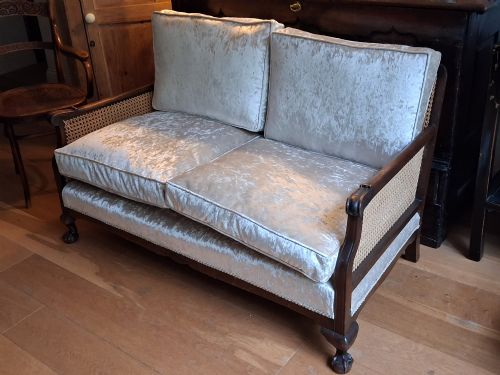
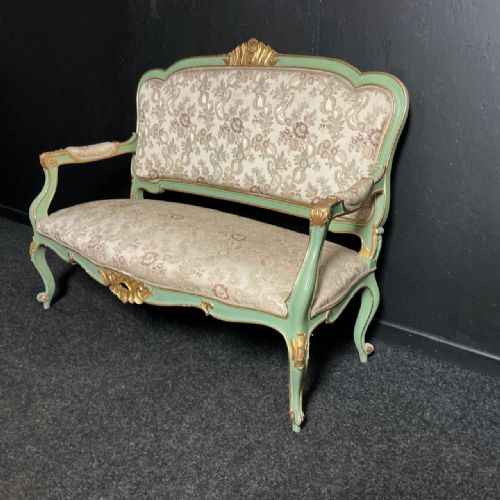
A french provincial settee brings country elegance and generous seating to a room, offering the graceful curves of eighteenth-century design in robust regional woods.
French Provincial Settee
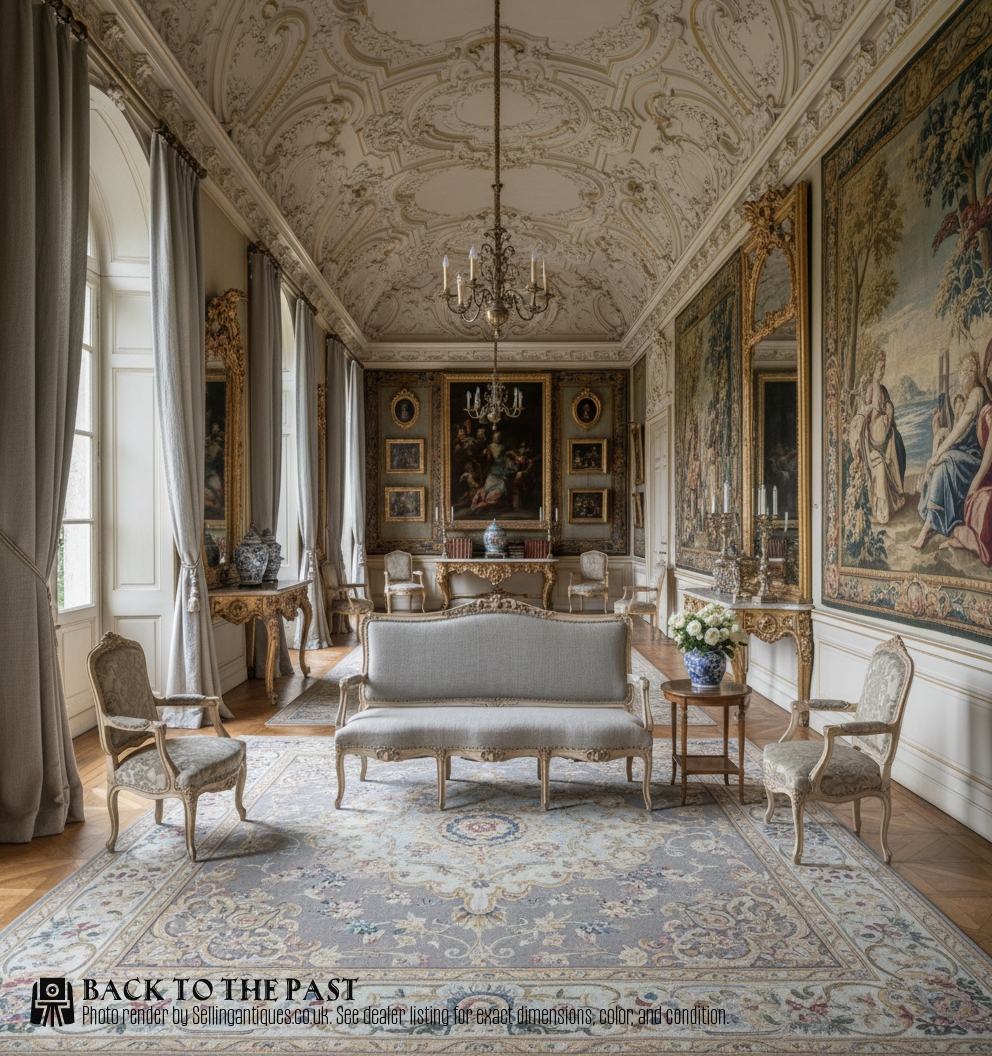
A french provincial settee is an upholstered seat designed for multiple people, drawing on the vernacular tastes of French regions rather than royal courts. These pieces combine comfortable seating with the carved woodwork characteristic of provincial craftsmanship.
The selections available here span from the nineteenth century into the early twentieth century, showing styles such as Louis XV, Louis XVI, and French Rococo Revival. They appear variously as canapés, two-seat sofas, and settee forms.
Makers in the provinces reinterpreted court fashions with simpler lines and sturdy regional timbers. Walnut predominates alongside painted wood finishes, creating seating that balances rustic charm with formal lineage.

How they were made
Construction relies heavily on walnut and painted wood, shaped into supportive frames with carved detailing. Artisans selected these timbers for their strength and grain, allowing for restrained ornamentation along the crest rails and cabriole legs.
Upholstery techniques utilise traditional padding and springs, finished with fabrics such as linen, damask, calico, and general upholstery. These materials reflect both original decorative schemes and later reupholstering efforts by subsequent owners.
French Provincial Settee Retail Price Guide 2026
Typical asking prices for french provincial settee among the pieces listed under this phrase on Sellingantiques today, from the lower quarter to the upper quarter. They describe what is for sale here now, not the wider market.
The periods represented span from the nineteenth century through to nineteen thirty, encompassing Louis XV, Louis XVI, and Rococo Revival styles.
What varies in quality
Quality rests in the articulation of the carved woodwork and the fidelity of the regional style. Pieces with crisp, hand-carved walnut details demonstrate superior craftsmanship compared to those with softer or more mechanical moulding.
The choice of finish and material also distinguishes the range. Bleached walnut and sophisticated painted surfaces, paired with appropriate traditional textiles like damask or linen, elevate the piece above standard utilitarian seating.
The French Provincial Settee Glossary
- Canapé
- An upholstered sofa with a wooden frame, typical of French seating design. This term often describes pieces with exposed woodwork and open arms.
- Bleached walnut
- Walnut timber treated to lighten its natural dark tone, creating a softer and more contemporary appearance. This treatment highlights the grain of the wood.
- Damask
- A reversible figured fabric woven on a jacquard loom, frequently used for upholstery. Its pattern relies on contrasting glossy and matte threads.
French Provincial Settee: Frequently Asked Questions
How do I date a settee?
Dating relies on examining the timber, construction methods, and stylistic revival cues visible in the frame. Nineteenth-century pieces often blend earlier regional motifs with machine-assisted joinery.
Changes in upholstery padding and textile types also provide clues to the age of the piece and its history of restoration.
Where should I place a settee?
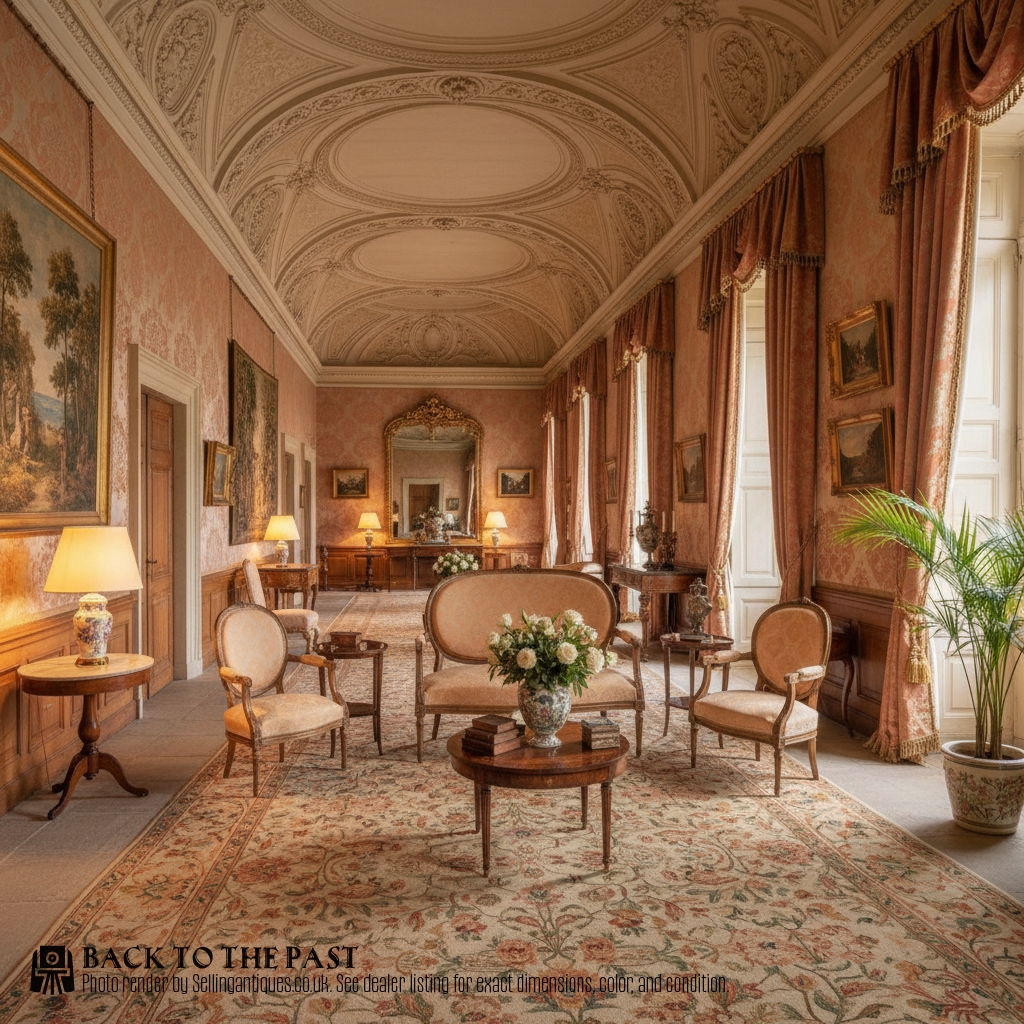
These settees suit living rooms, large hallways, or bedrooms where their decorative backs and carved frames can be admired. Their moderate length makes them versatile for seating without dominating a floor plan.
Pair them with complementary antique armchairs to create a cohesive seating arrangement in a traditional interior.
Are these settees comfortable for daily use?
Comfort depends largely on the internal upholstery and springing system, which varies across nineteenth-century pieces. Many offer supportive seating suitable for regular use in a home.
Some examples retain older padding that prioritises firm support over modern sink-in comfort.
What is the difference between painted and wood finishes?
Painted finishes offer a softer, often distressed aesthetic typical of provincial furniture that aimed to brighten dark interiors. Walnut finishes showcase the natural grain and warm tones of the timber.
Both finishes reflect different regional preferences and decorative traditions within French cabinetmaking.