


Cabriole Leg Bench
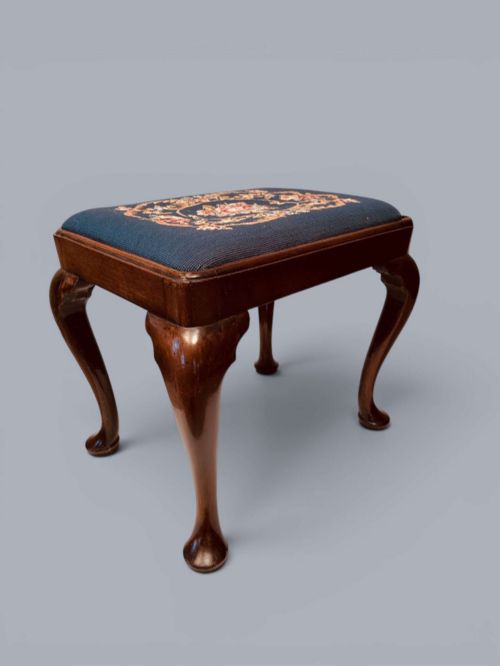
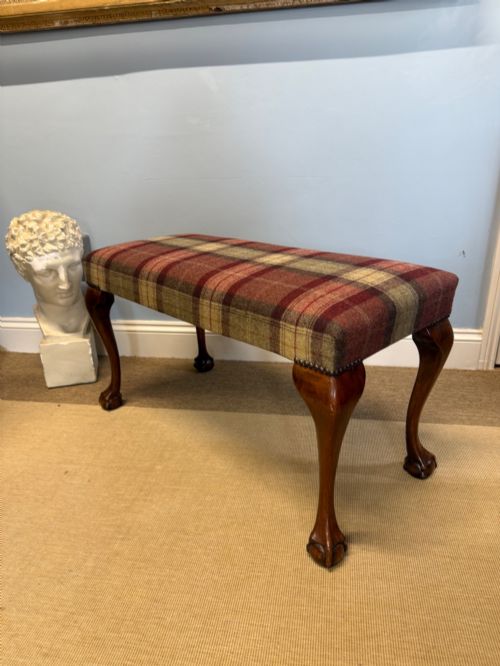
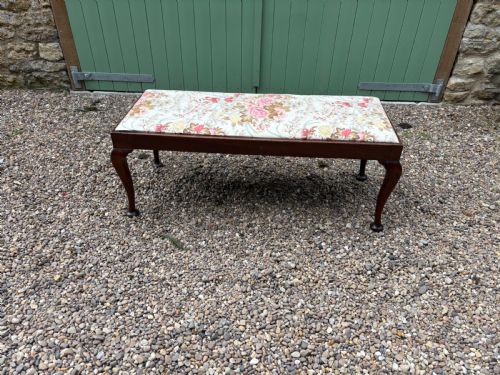
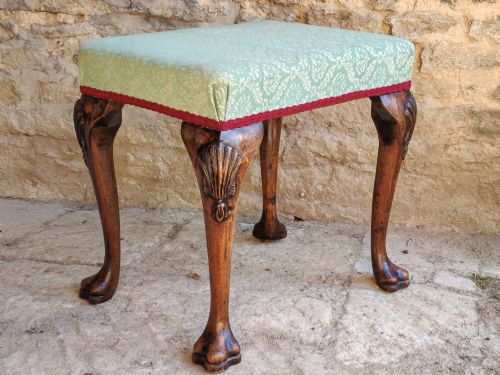
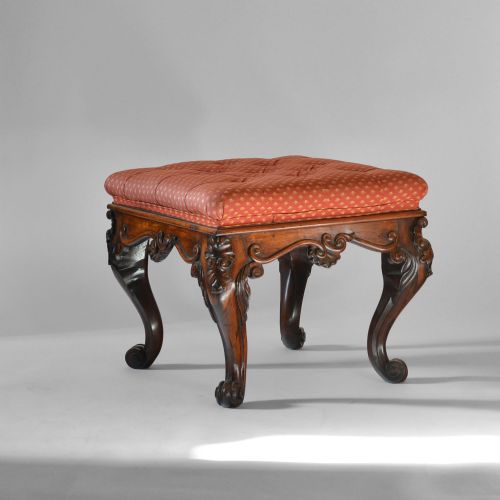
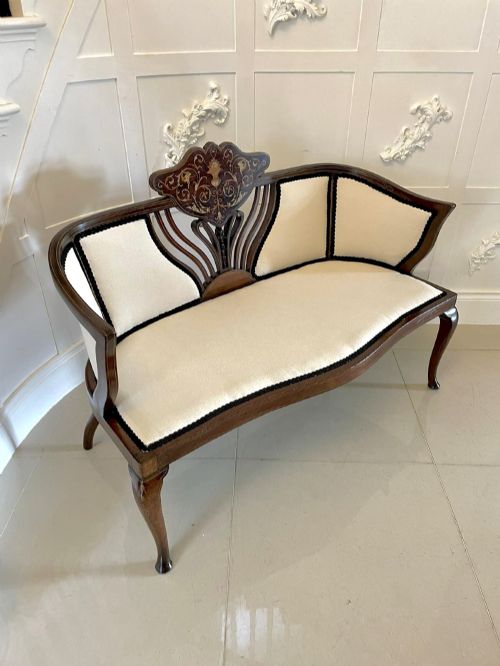
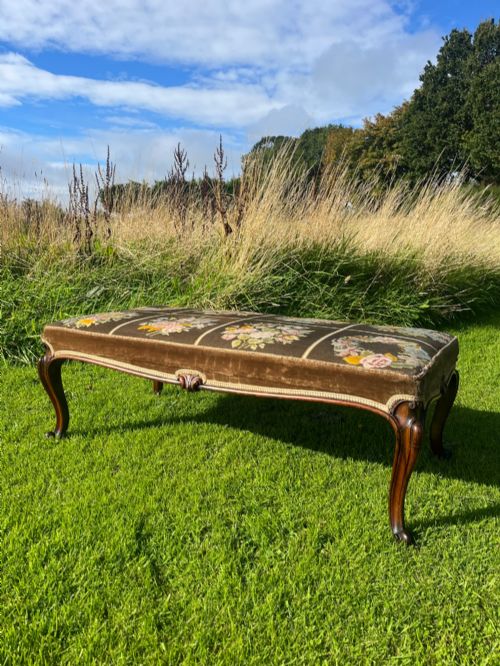
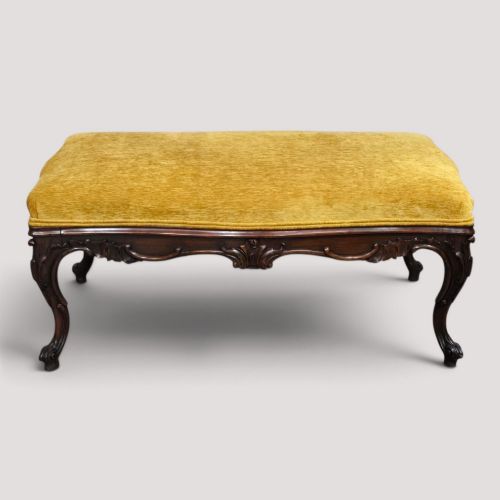
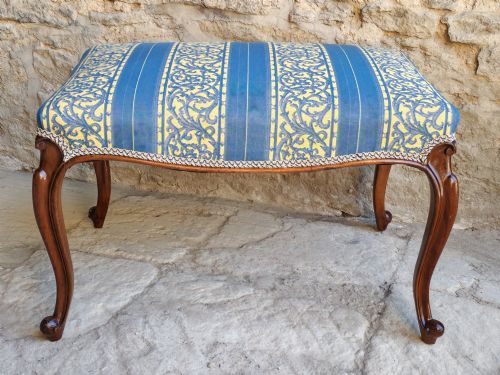
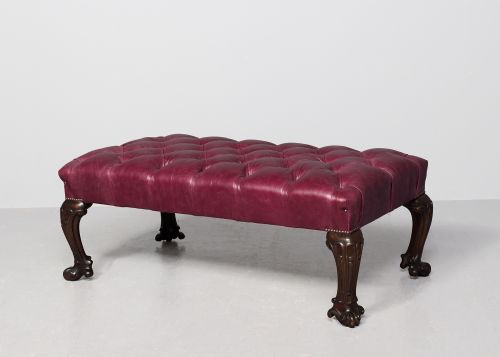
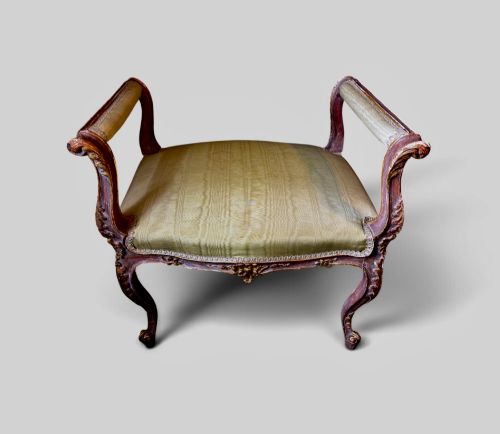
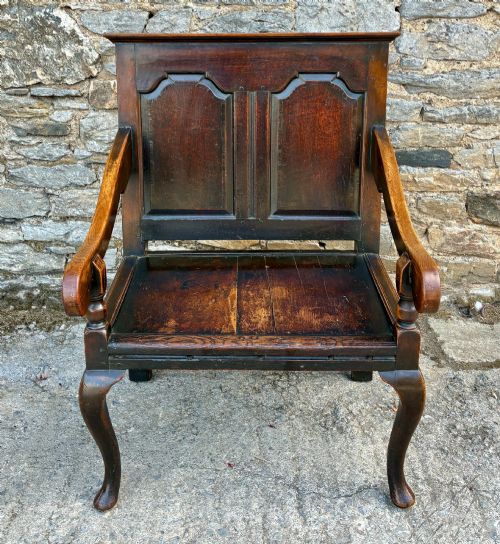
These cabriole leg bench forms unite curved walnut and mahogany frames with supportive upholstered seats.
Cabriole Leg Bench
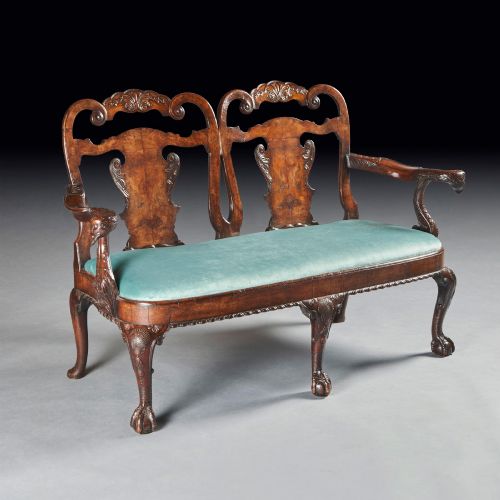
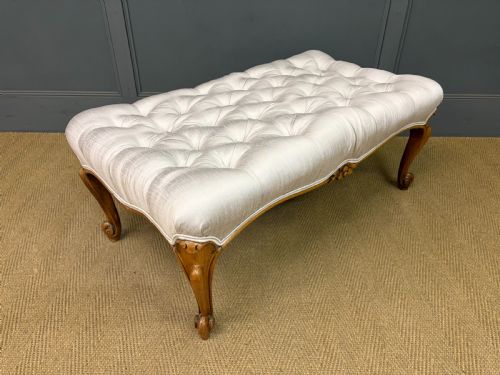
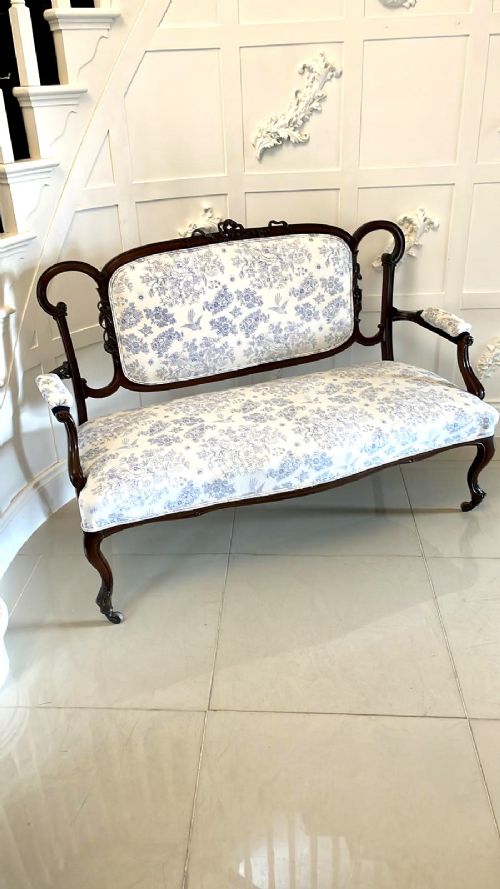
A cabriole leg bench combines low seating forms with distinct double-curved supports, drawing from periods ranging from the eighteenth century to the twentieth century. These pieces appear in forms such as dressing table stools, long footstools, window seats, and compact settees.
Makers working in the Victorian, Edwardian, and Regency eras adopted these curved supports alongside walnut, mahogany, and rosewood frames. Buyers regularly encounter upholstered variants covered in fabric, velvet, or needlepoint.
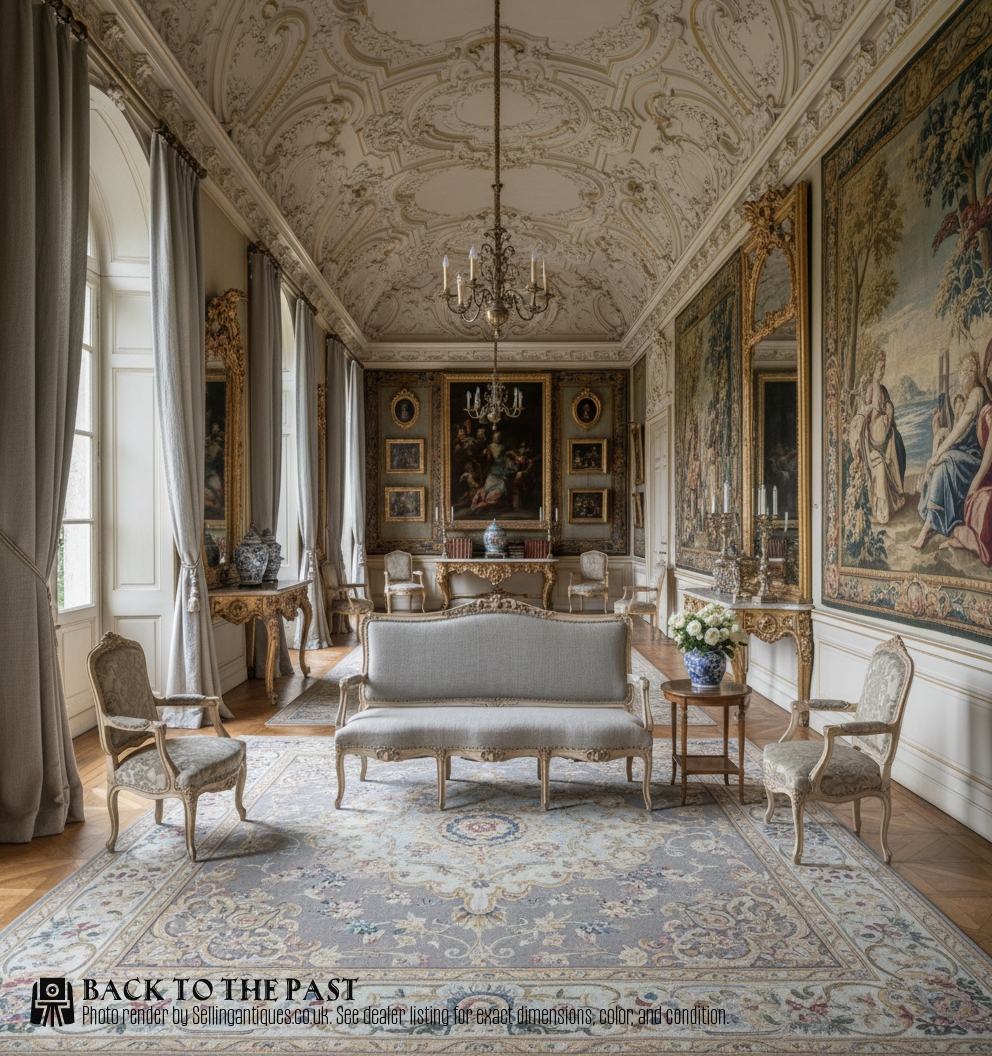
The selection ranges from low walnut footstools with scrolling supports to larger mahogany settees built in revival styles. Each piece reflects the enduring popularity of the curved line in domestic seating.
Construction and materials
Carpenters shaped dense timbers like mahogany, walnut, and rosewood to form the characteristic curved legs and structural frames. Selected pieces incorporate intricate inlay work, giltwood finishes, or carved details inspired by earlier Georgian and Rococo designs.
Upholstered elements rely on traditional textiles, including wool, velvet, and patterned fabrics, secured over padded seat foundations. Brass accents and detailed wood carving complete the construction of these seating forms.
Cabriole Leg Bench Retail Price Guide 2026
Typical asking prices for cabriole leg bench among the pieces listed under this phrase on Sellingantiques today, from the lower quarter to the upper quarter. They describe what is for sale here now, not the wider market.
Several pieces double as piano stools, proving that Victorians took their keyboard practice very seriously indeed.
Evaluating craftsmanship
The refinement of the carved wooden frame dictates the character of each piece, distinguishing simple utility items from finely executed examples. Smooth curvature in the legs and crisp detailing on the wood indicate careful workshop production.
The choice of primary timber and the execution of upholstery contribute to the overall integrity of the bench. Pieces retaining original textiles or dense hardwood frames demonstrate the enduring standards of their period.
Giles Grendey
The Cabriole Leg Bench Glossary
- Cabriole leg
- A furniture support that curves outward at the knee and tapers inward toward the foot, mimicking animal limbs. This form gained widespread use in eighteenth-century design and later revival periods.
- Settee
- A small upholstered sofa designed to seat two or more people comfortably. These pieces often feature decorative wooden frames and padded backrests.
- Giltwood
- Timber treated with a thin layer of gold leaf or gold paint applied to the surface. It appears frequently on decorative frames from the nineteenth century.
- Needlepoint
- A type of counted thread embroidery used historically for durable seat covers. It adds a textured decorative surface to stools and benches.
- Ottoman
- A low, fully upholstered seat or footstool lacking arms and a back. These versatile items often feature deep buttoning and generous proportions.
Cabriole Leg Bench: Frequently Asked Questions
Where should I place a cabriole leg bench?
These versatile seating forms fit neatly at the end of a bed, beneath a dressing table, or placed by a window. Their compact footprint allows them to function in hallways and living spaces alike.
Shorter stool variants serve easily as movable footrests or occasional seats, while larger settees anchor a room with structured upholstered seating.
How do I identify the period of a bench?
Examination of the timber, turning, and carving style helps determine the approximate era of manufacture. Victorian and Edwardian examples often combine revival motifs with machine-assisted joinery.
Earlier eighteenth-century influences appear prominently in later revival pieces built during the Edwardian period. Comparing the secondary woods and upholstery methods provides further clues.
What is the difference between a stool and a settee?
Stools provide seat pads without backs or arms, designed primarily for short-term sitting or foot support. Settees incorporate extended frames with backrests and sometimes armrests to accommodate multiple people.
Both forms frequently share the characteristic curved leg supports associated with this seating style.
How do I care for antique upholstery?
Gentle surface cleaning and protection from direct sunlight preserve the integrity of historic fabrics and delicate textiles. Regular dusting keeps particulate matter from settling into the weave.
Maintaining stable indoor humidity levels prevents the wooden frames from drying out or developing structural movement over time.