




Edwardian Window Seat
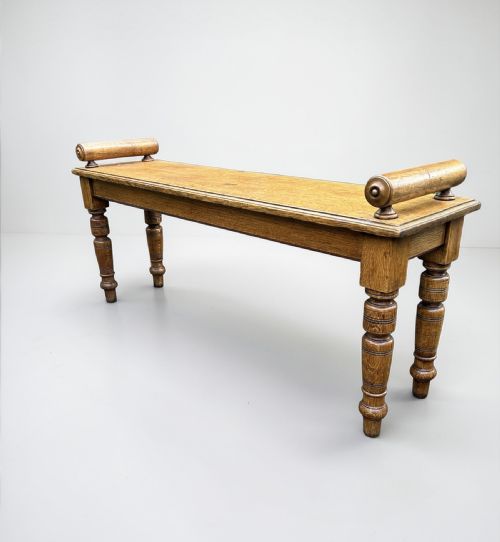
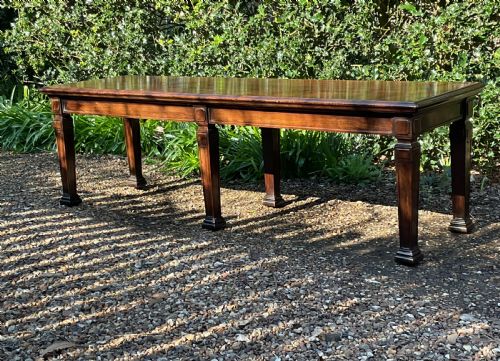
These edwardian window seat examples bring versatile seating to light-filled bays and hallways.
What an edwardian window seat is
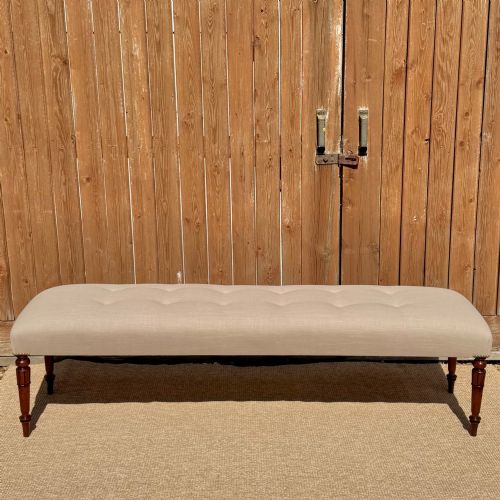
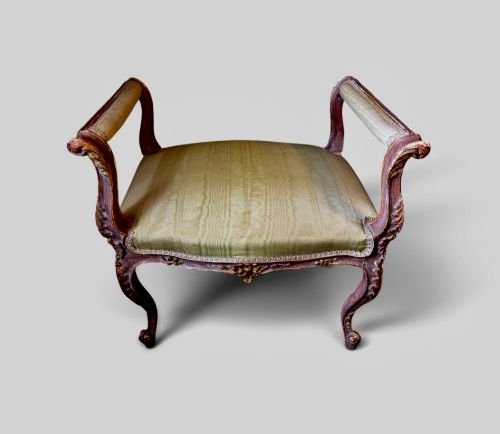
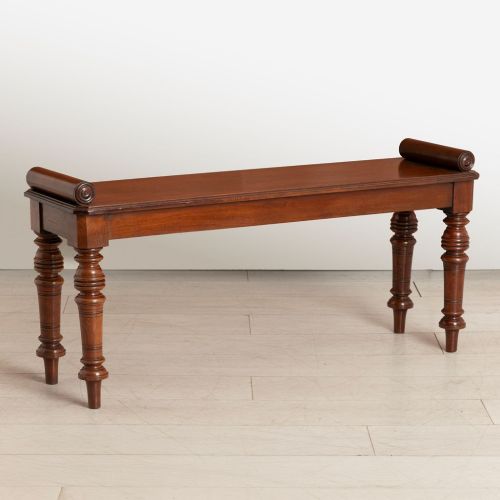
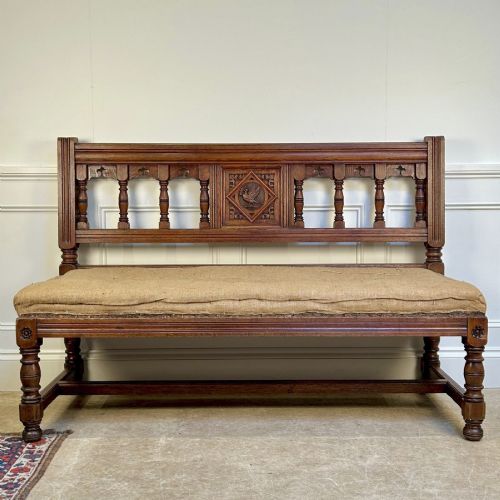
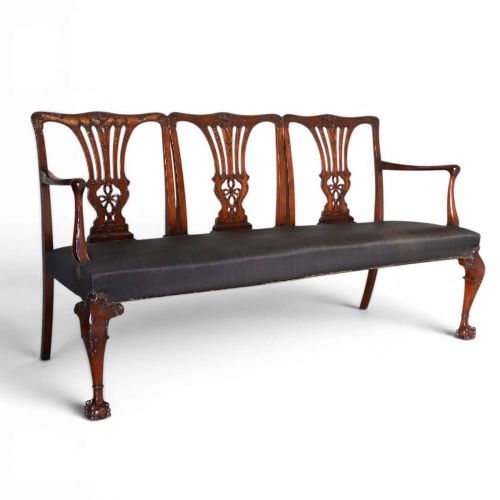
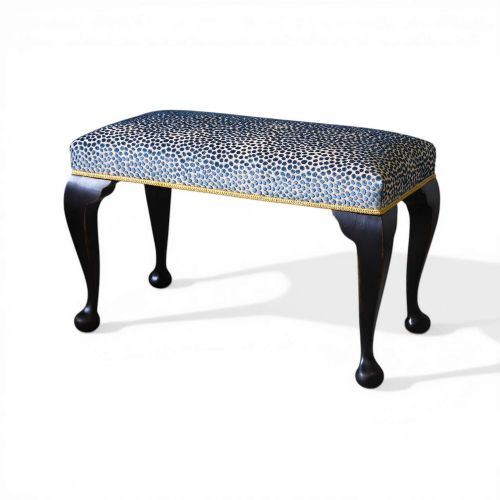
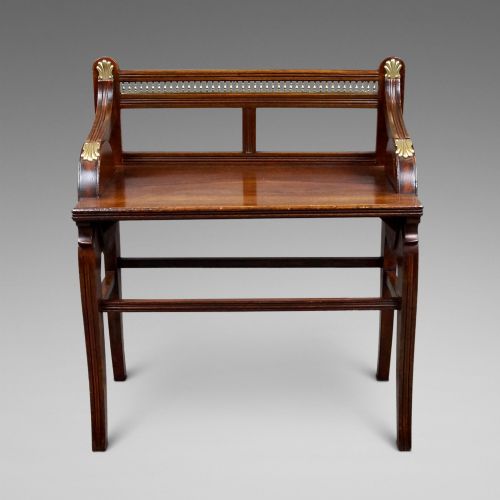
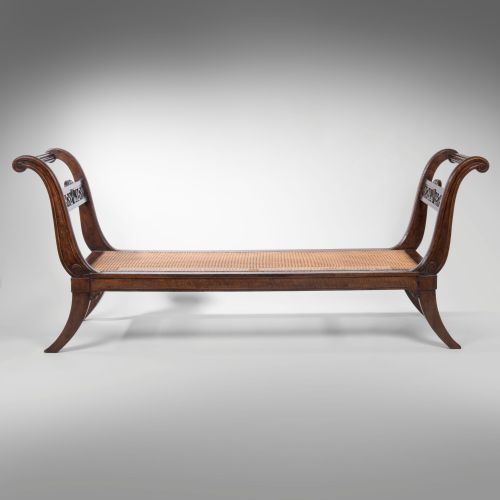
An edwardian window seat serves as a dual-purpose piece designed to fit neatly beneath sills or fill long corridors. The examples here span formats from long benches and hall seats to dressing stools, duet piano stools, and small settees.
Most pieces date from the Edwardian period or around nineteen hundred, though the archive includes occasional nineteenth century and later examples. Mahogany and walnut form the structural core of these items.
Styles range across Queen Anne revival and Regency influences alongside classic Edwardian designs. Many pieces feature inlaid decoration, painted finishes, or bone inlay in fan motifs.
Materials and construction
Makers built these frames primarily in mahogany, walnut, oak, and satinwood. Inlay work frequently incorporates lighter woods and bone to create decorative patterns along the timber surfaces.
Upholstery forms a vital component of the construction, utilising various fabrics including velvet and standard upholstery cloth. Seats are often padded for comfort as benches, couches, or duet piano stools.
Retail Price Guide 2026
Typical UK retail prices for edwardian window seat, calculated from the Sellingantiques database of over a million retail prices indexed since 2003. This retail price guide relies exclusively on Sellingantiques data; no external sources or auction records are used, so the figures do not describe the wider market.
One unexpected variant hides sheet music inside a duet stool disguised as a hall bench.
Distinctions in quality
Finer examples demonstrate superior timber selection, particularly in figured mahogany, rich walnut, and crisp satinwood inlay. The intricacy of marquetry and bone inlay work elevates the visual weight of the piece.
Structural refinement shows in the execution of cabriole legs, carved details, and specialised frames such as X-frame supports. Original upholstery fabrics and carefully preserved woodwork separate standard utilitarian pieces from more ambitious commissions.
The Edwardian Window Seat Glossary
- Inlay
- A technique where pieces of contrasting wood or bone are inserted into depressions within the primary timber surface to create decorative patterns.
- Duet stool
- A wider stool originally intended for two people to sit together at a piano or dressing table, frequently sharing forms with window seats.
- Cabriole leg
- A furniture leg that curves outward and then tapers inward, commonly associated with revival styles seen in this period.
- X-frame
- A structural base formed by two intersecting diagonal members that create an X shape when viewed from the side.
Frequently Asked Questions
Where should I place an edwardian window seat?
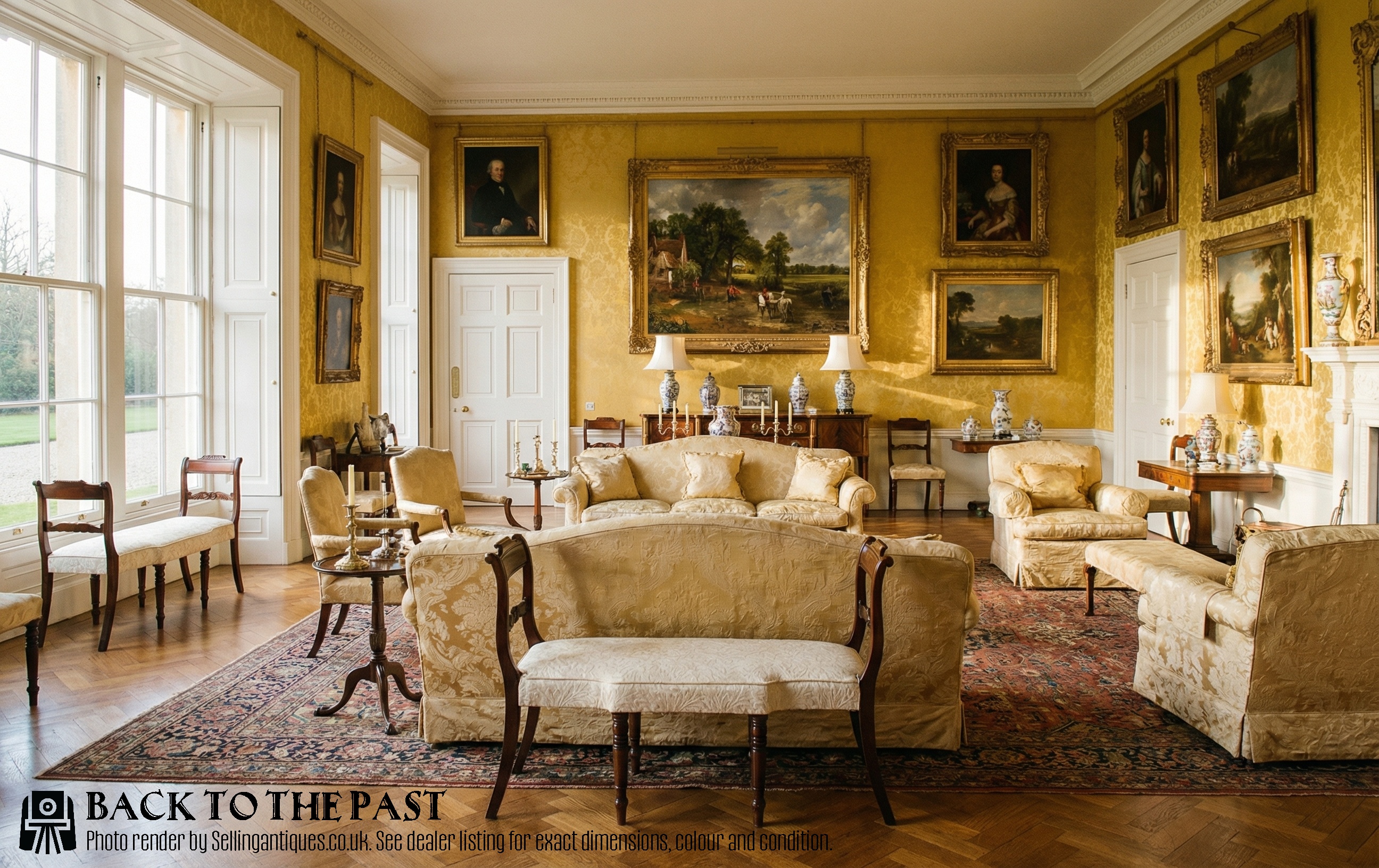
These pieces suit narrow spaces like hallways, landings, and deep window recesses where traditional sofas prove too bulky. Their low profiles maintain sightlines while offering practical occasional seating.
They also function effectively at the foot of a bed or beside a dressing table as an upholstered stool.
How do I identify an Edwardian piece?
Edwardian furniture often combines lighter proportions with mahogany, walnut, or satinwood timbers. Look for characteristic inlaid details and revival influences that distinguish the era from heavier Victorian designs.
Construction methods and timber patination help confirm the period alongside stylistic markers.
Were these seats used for music storage?
Some dual-purpose variants functioned as duet piano stools with internal compartments for sheet music. These models combine the long rectangular proportions of a window seat with piano seating.
They offer the same low profile while adding utility for musicians.
What fabrics appear on original upholstery?
Period pieces frequently utilise velvet, patterned fabric, or standard upholstery materials suited to domestic use. Many surviving examples retain later replacement covers chosen to match contemporary interiors.
Checking the internal webbing and padding reveals the underlying period construction.