

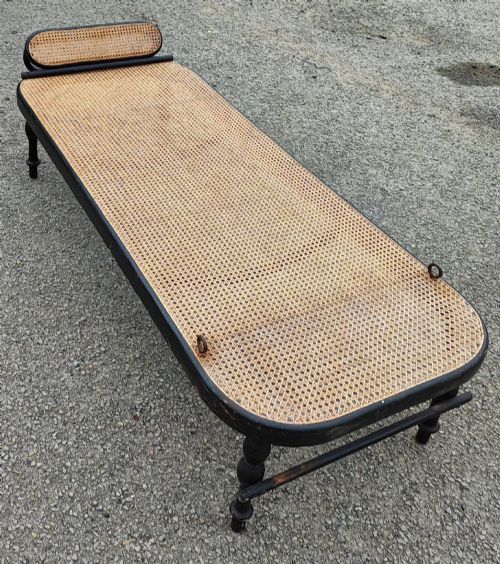
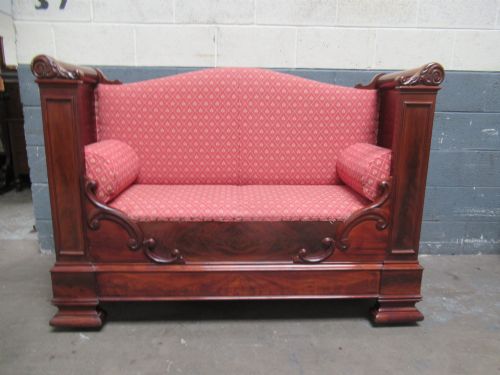
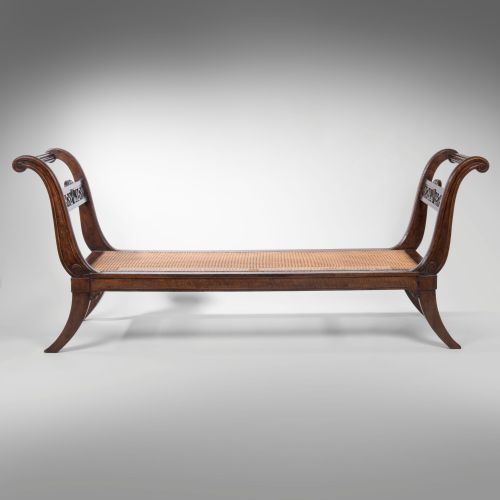
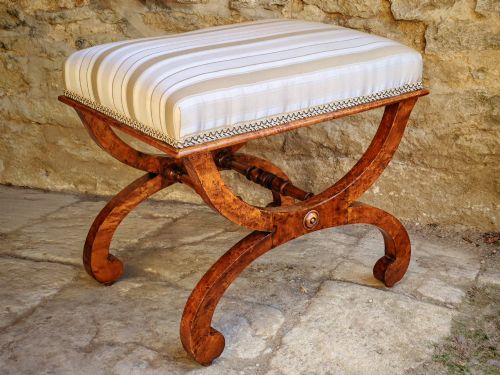
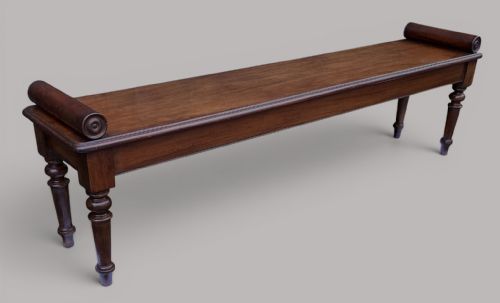


Regency Window Seat
A regency window seat brings architectural grace to a room, offering a low, long profile designed to sit neatly beneath a sill.
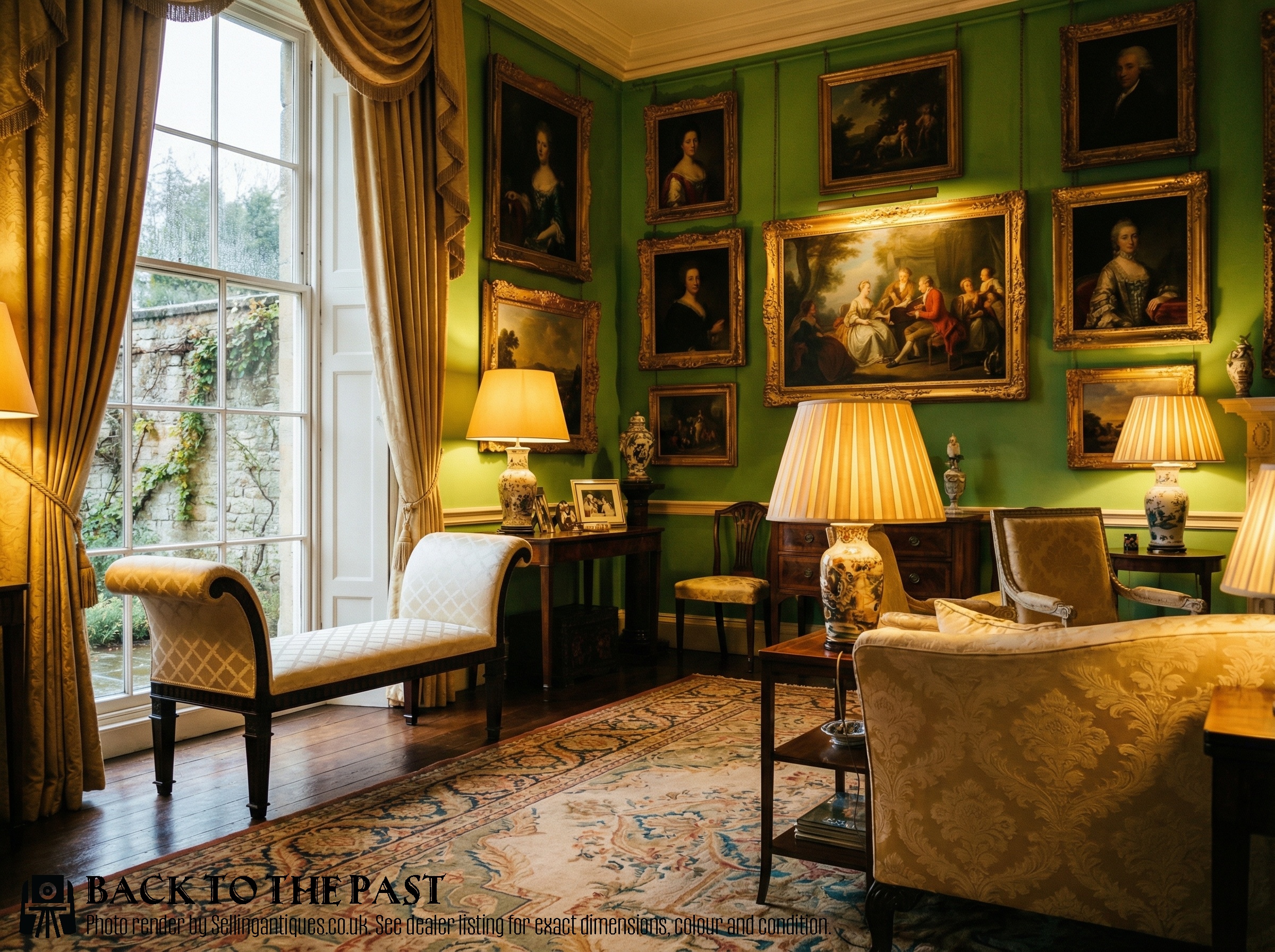
Regency Window Seat
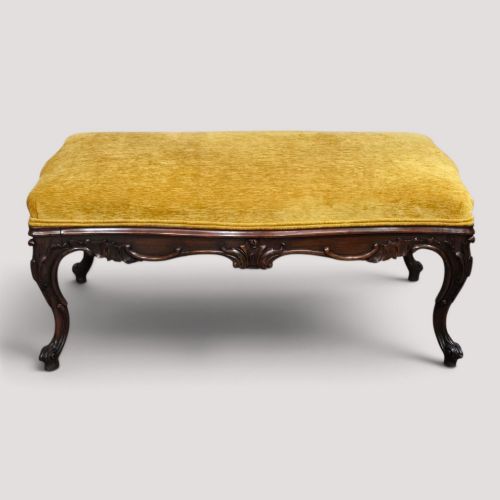
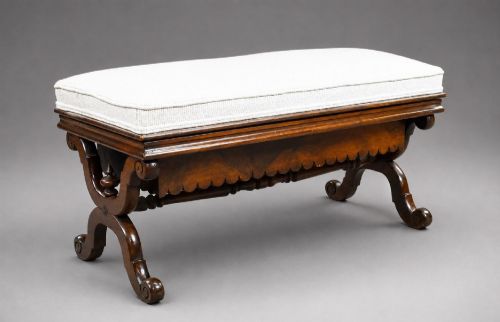
When you search for a regency window seat, you encounter long benches, stools, and daybeds originating from the nineteenth century alongside later revivals. The form typically balances clean classical lines with generous proportions intended for placement in hallways, bedchambers, and principal reception rooms.
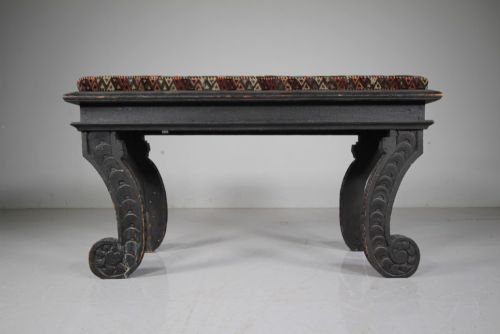
The pieces appearing on this page span the regency, george iv, and william iv periods, alongside later nineteenth-century interpretations and twentieth-century revivals. Mahogany and rosewood form the backbone of the selection, accompanied by painted pine, giltwood, and walnut frames.
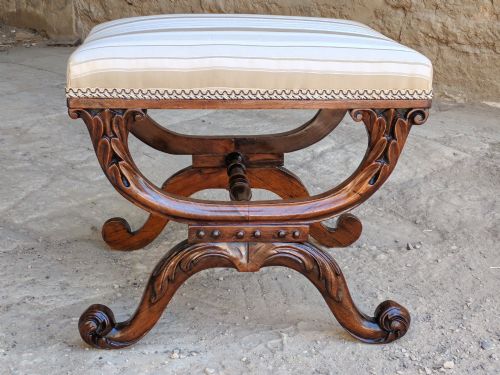
Makers often drew upon neoclassical and grand regency vocabularies, producing everything from simple turned-leg benches to elaborate x-framed stools and brass-inlaid daybeds. Many pieces double as hall benches or dressing stools, reflecting the adaptable domestic architecture of the period.
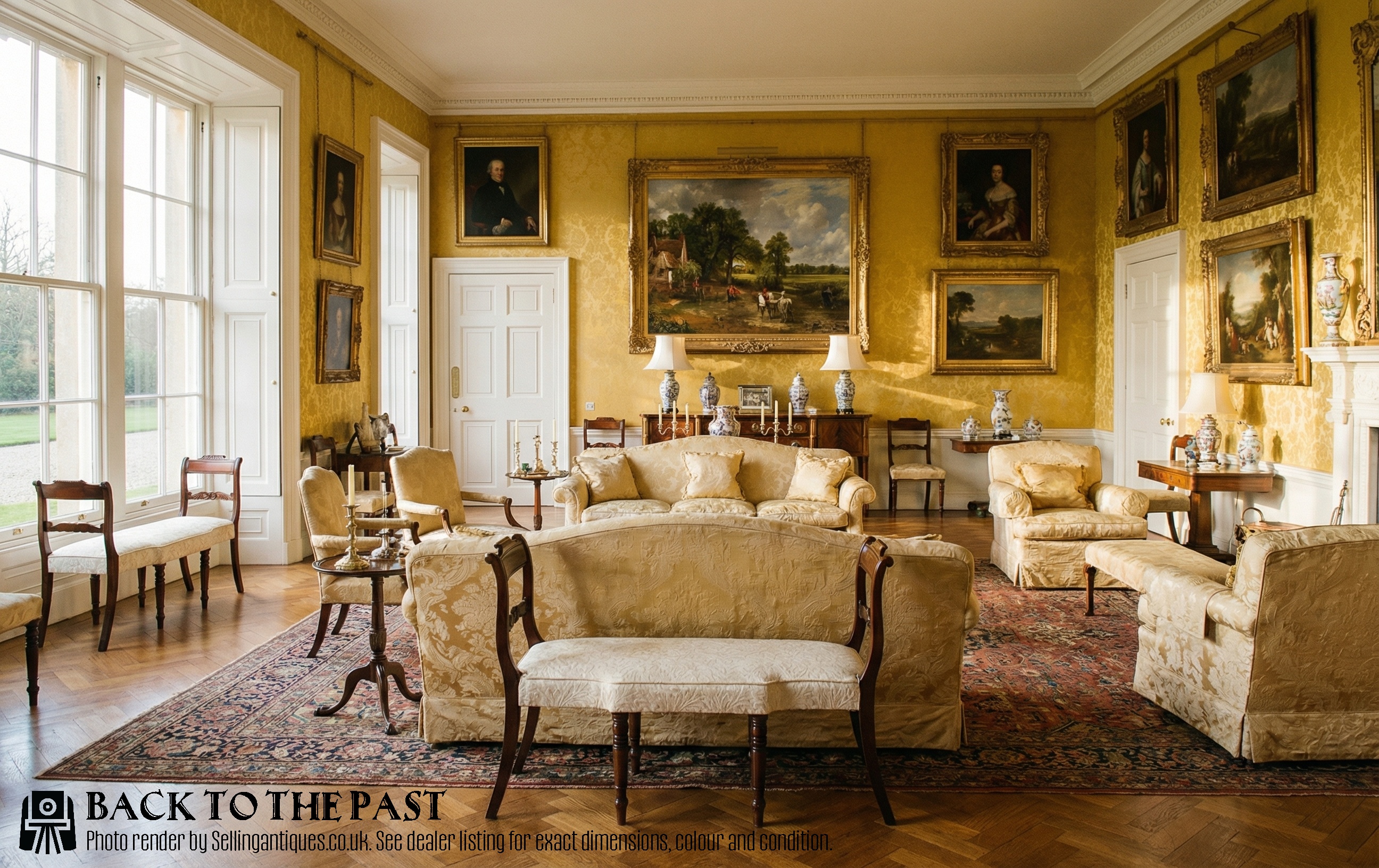
How they were made
Cabinetmakers constructed the foundational frames using dense timbers like mahogany, rosewood, and oak, often employing secondary woods for internal supports. Surface treatments varied widely from polished grains and simulated rosewood to ebonised finishes, giltwood, and hand-applied paint.
Upholstery techniques involved traditional webbing, stuffing, and horsehair padding secured beneath textiles, leather, cane, or ticking stripe fabrics. Brass inlay, brass mounts, and gesso ornamentation added decorative contrast to the structural woodwork.
Regency Window Seat Retail Price Guide 2026
Typical asking prices for regency window seat among the pieces listed under this phrase on Sellingantiques today, from the lower quarter to the upper quarter. They describe what is for sale here now, not the wider market.
Listings feature mahogany, rosewood, and oak frames paired with cane, leather, and fabric upholstery across the nineteenth and twentieth centuries.
What varies in quality
The distinction between ordinary and exceptional pieces lies in the crispness of the carving, the selection of timber veneers, and the integrity of the structural joinery. Finer examples display carefully matched grain patterns, well-defined fluting, and balanced proportions that maintain elegance across extended lengths.
Subtleties in metalwork, such as finely chased brass inlay or well-cast mounts, elevate the status of a piece from standard domestic furniture to high-style cabinet work. The retention of original painted surfaces or period cane work also separates untouched examples from those heavily altered over time.
Gillows
The Regency Window Seat Glossary
- Curule stool
- A form of ancient Roman magistrate chair featuring intersecting curved legs that create an x-shape when viewed from the side. These pieces often incorporate giltwood or gesso finishes.
- X-frame
- A structural furniture support constructed from two diagonal members crossing in the middle. This geometry provides substantial load-bearing strength while maintaining a light silhouette.
- Giltwood
- Timber that has been coated with a thin layer of gold leaf over a prepared gesso ground. The technique creates a brilliant reflective surface popular in neoclassical and regency interiors.
- Bergere
- An enclosed armchair or seat featuring wooden framing and woven cane panels along the back and sides. This style introduces textural lightness to heavy timber forms.
- Simulated rosewood
- Painted graining applied to a cheaper foundational wood to imitate the rich, dark figures of genuine rosewood. Cabinetmakers utilised this method to achieve high-end aesthetics economically.
Regency Window Seat: Frequently Asked Questions
Where were window seats placed?
These low benches were traditionally positioned in deep bay windows, long corridors, and grand entry halls. Their shallow depth allowed them to fit against walls without blocking natural light or passage.
In modern interiors, they serve similar functions at the foot of a bed, beneath a landing window, or acting as low seating in a reception room.
How do I identify a regency piece?
Authentic pieces from the period typically exhibit restrained neoclassical restraint, clean architectural lines, and classical motifs such as reeding, sabre legs, and brass mounts. Timbers are frequently dark, dense mahogany or figured rosewood.
Later nineteenth-century and twentieth-century revivals often replicate these characteristics, so examining construction methods and timber ageing helps clarify the date of manufacture.
Were these used as daily seating?
Domestic life in the nineteenth century utilised these long seats for casual resting, putting on shoes in dressing rooms, or hosting guests in formal saloons. Their multi-functional nature explains the variety of terms, from hall benches to dressing stools.
Many designs incorporated bolster cushions or scroll ends to support reclining while maintaining a formal posture suited to the period.
How should I care for the upholstery?
Maintenance depends entirely on whether the fabric is historic textile, leather, or modern replacement material. Gentle vacuuming with a soft brush attachment keeps dust from settling into the weave.
For wooden frames and exposed cane, a dry cloth prevents moisture damage while preserving the natural patina accumulated over centuries of use.