



Georgian Window Seat
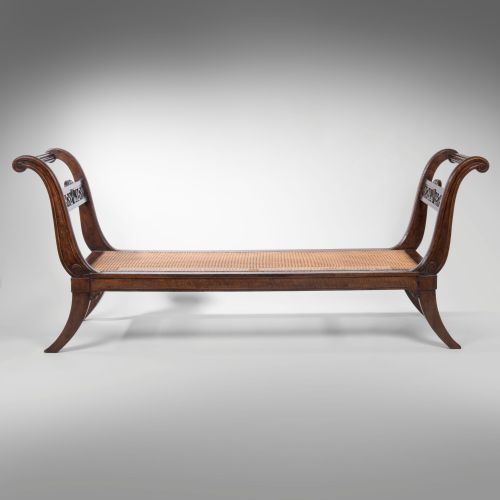
A georgian window seat brings architectural grace to a room, offering low, long seating designed specifically to fit beneath a casement.
Georgian Window Seat
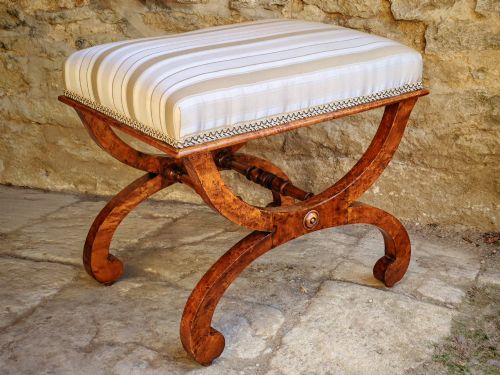
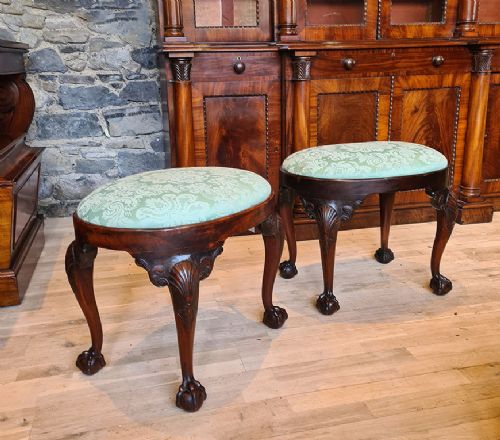
A georgian window seat is a low form of seating built to sit comfortably beneath deep window recesses, taking the shape of benches, stools, and long settees. When you search for a georgian window seat, you encounter pieces that span the eighteenth and nineteenth centuries, alongside later revivals.
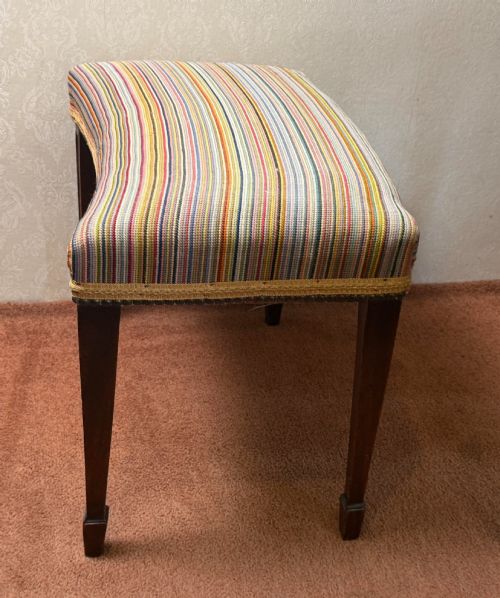
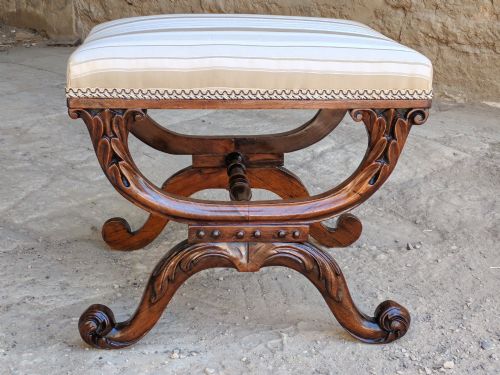
The surviving forms range from simple mahogany benches with square tapering legs to grand x-framed frames and elegant serpentine shapes. Many examples double as hall benches or dressing stools, reflecting how versatile these narrow seats proved in domestic use.
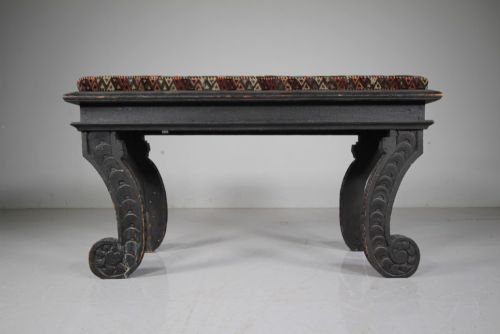
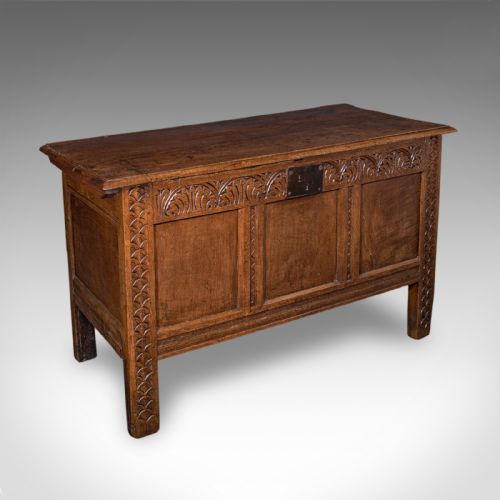
Makers drew on classical vocabulary, producing items in George III, Regency, and Hepplewhite styles. Oak, walnut, and painted pine appear alongside primary mahogany structures, showing regional variations from English workshops to Irish cabinetmakers.
Materials and construction
Cabinetmakers relied heavily on solid mahogany, oak, and walnut, often shaping the timber into square tapering legs, cabriole supports, or robust x-frames. Frame construction frequently employed pegged joints and careful turning to support the long spans required for placement beneath windows.
Surface treatments varied from polished wood to painted pine, giltwood, and gilded accents that caught the natural light. Upholstery materials included original textiles, leather, silk, velvet, and kilim coverings, supported by traditional webbing and stuffing techniques.
Georgian Window Seat Retail Price Guide 2026
Typical asking prices for georgian window seat among the pieces listed under this phrase on Sellingantiques today, from the lower quarter to the upper quarter. They describe what is for sale here now, not the wider market.
Proportion and execution
Quality rests primarily in the harmony of proportions, where well-drawn frames possess an inherent lightness and balance that clumsy copies lack. The crispness of carved details, such as classical drapery or delicate foliage, distinguishes sophisticated city work from plain provincial output.
The integrity of the timber frame and the retention of original structural elements determine the longevity of the piece. Subtle refinements in leg taper and rail moulding separate standard utility benches from exceptional examples attributed to known workshops like Gillows.
Gillows
The Georgian Window Seat Glossary
- X Frame
- A cross-legged structural form derived from classical furniture, providing substantial support with visual lightness.
- Serpentine
- A gently undulating curved line often seen along the seat rail of finer eighteenth-century stools.
- Gillows
- A renowned Lancaster and London cabinet-making firm known for high-quality mahogany furniture.
- Cabriole
- A furniture leg that curves outward at the knee and inward at the ankle, ending in a pad or claw foot.
Georgian Window Seat: Frequently Asked Questions
Where were window seats placed in period homes?
These seats were designed specifically to fit within the deep masonry recesses of large windows, providing a comfortable spot for reading or needlework by natural light.
Over time, owners also placed them in hallways, at the foot of beds, or alongside dressing tables as versatile low benches.
How do I distinguish a genuine period piece from later revivals?
Examination of the timber grain, tool marks, and joint construction helps determine the age of the wooden frame. Eighteenth and nineteenth-century pieces display different wear patterns and construction methods compared to Edwardian or later revival interpretations.
Checking for consistency in the secondary woods beneath the upholstery provides further clues to the date of manufacture.
What is the difference between a window seat and a hall bench?
While construction materials overlap heavily, window seats tend to feature more refined upholstery or decorative carving suited to private rooms. Hall benches often prioritize robust plain wood frames designed to withstand heavy traffic near entryways.
Many surviving examples served both functions interchangeably depending on the household's needs.
How should I care for antique upholstery and wood?
Wooden frames benefit from occasional treatment with appropriate wax to nourish the antique finish and prevent the timber from drying out. Upholstered surfaces require gentle vacuuming and protection from direct sunlight to preserve fragile historic textiles.
Professional conservation advice is recommended if the internal webbing or stuffing needs stabilization.