



Brown Leather Bench
A brown leather bench brings a rich, tactile warmth to a room, offering sturdy seating that combines supple hides with solid timber frames.
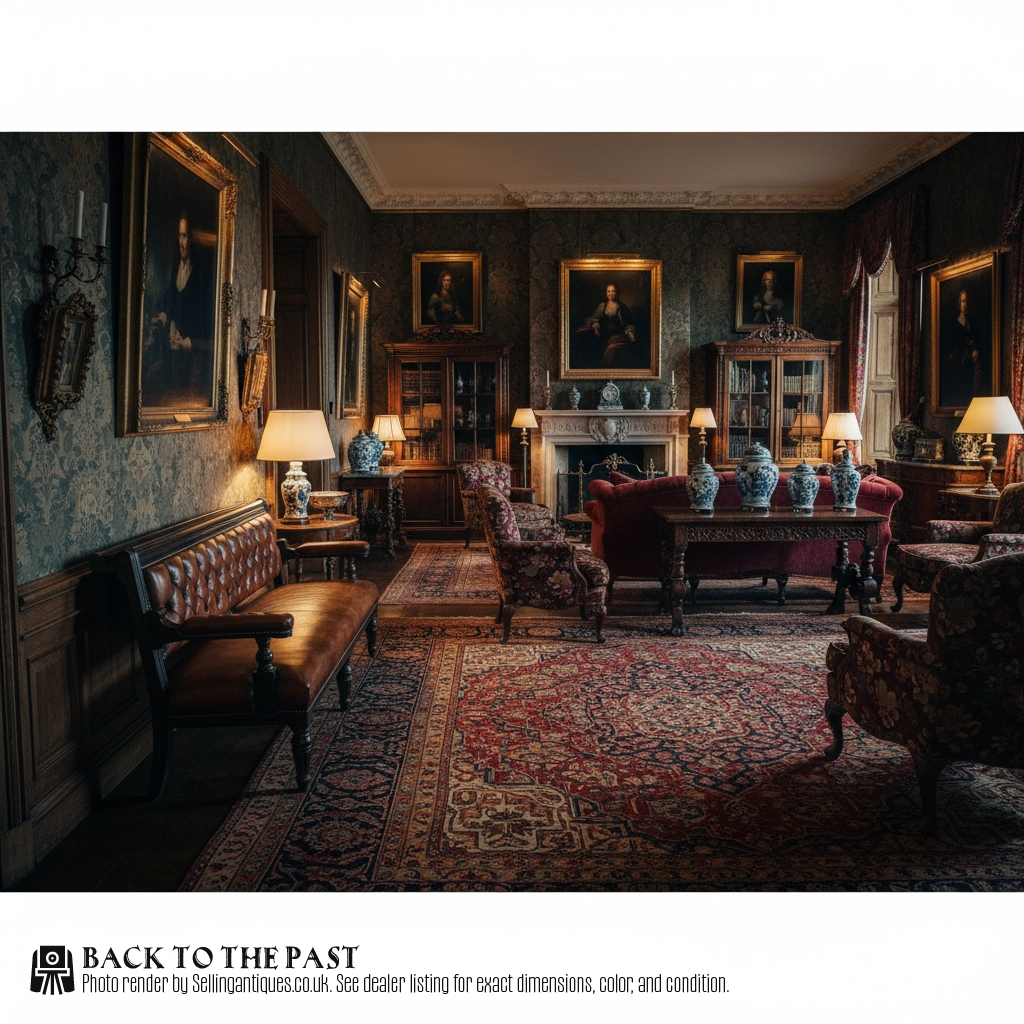
Brown Leather Bench
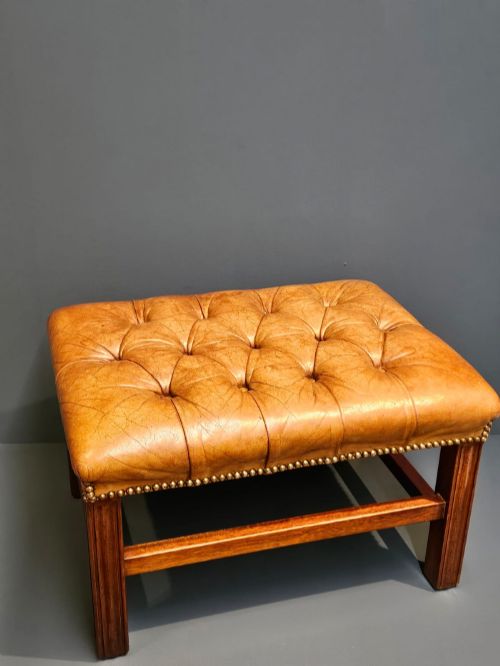
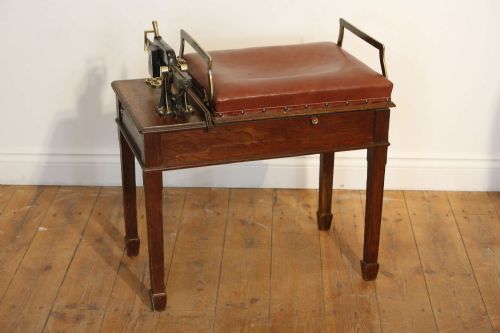
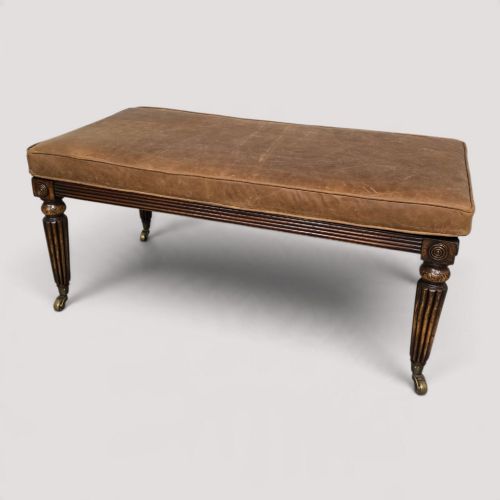
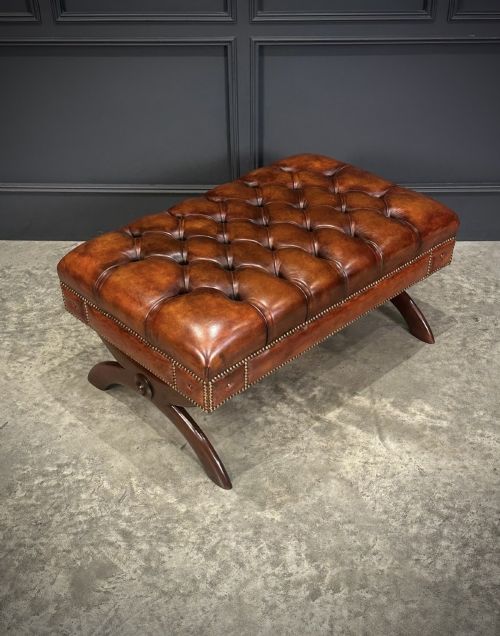
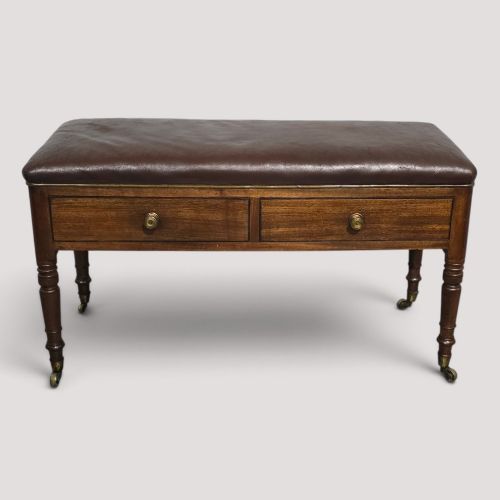
When searching for a brown leather bench, buyers encounter a diverse selection of low seating, including club fenders, ottomans, footstools, and long hall settees. These functional forms appear across multiple eras, ranging from nineteenth-century country house pieces to early twentieth-century designs.
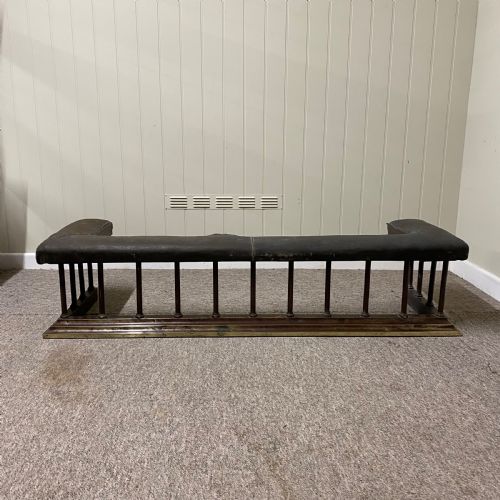
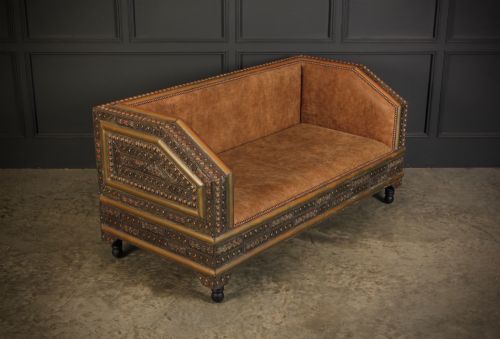
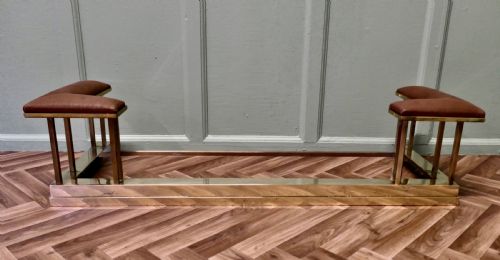
The versions most commonly met on this page include Victorian and Edwardian footstools, heavy club fenders positioned around fireplaces, and substantial upholstered settees. Timber frames fashioned from oak, walnut, mahogany, and hardwood provide the robust structural support beneath the leather upholstery.
Makers utilised various stylistic influences, incorporating Victorian, Edwardian, Art Deco, and Baroque Revival details into the woodwork and metal fittings. Such variety ensures these benches serve distinct purposes, from hearthside seating to hallway resting places.
How they were made
Makers constructed the foundational frames of these benches using dense hardwoods such as oak, walnut, mahogany, and standard wood, often shaping them with carved details or plain turned legs. Metal elements in brass, copper, steel, and iron appear frequently, particularly on club fenders and structural mounts.
Upholsterers stretched leather over padding to create the seating surfaces, sometimes employing buttoned techniques, hand-dyed finishes, or velvet trim for added texture. These combined materials required traditional carpentry and metalworking methods to withstand regular daily use.
Brown Leather Bench Retail Price Guide 2026
Typical asking prices for brown leather bench among the pieces listed under this phrase on Sellingantiques today, from the lower quarter to the upper quarter. They describe what is for sale here now, not the wider market.
Listings feature periods spanning from the Victorian and Edwardian eras back to the mid nineteenth century.
What varies in quality
The calibre of a brown leather bench rests upon the integrity of its timber frame and the depth of skill involved in the carving and joinery. Pieces featuring dense hardwoods like walnut or mahogany alongside substantial cast brass or steel framework demonstrate superior structural ambition.
The treatment and conditioning of the leather itself define the upper tier of examples, where hand-dyed hides and meticulous buttoning elevate the piece beyond utilitarian function. Masterful execution in both the upholstery work and the woodwork separates standard workshop output from exceptional examples.
James Shoolbred
The Brown Leather Bench Glossary
- Club Fender
- A low, padded seat placed around the perimeter of a fireplace hearth, traditionally constructed with a metal frame and leather top. These fixtures allowed people to sit close to the fire in comfort.
- Ottoman
- A low, upholstered seat or footstool without a back or arms, often built on a timber frame. They provide flexible seating or surface space within a room.
- Banquette
- A long, built-in or freestanding upholstered bench seat, frequently encountered in public houses or grand halls. They offer extended seating capacity along walls.
- X-Framed Stool
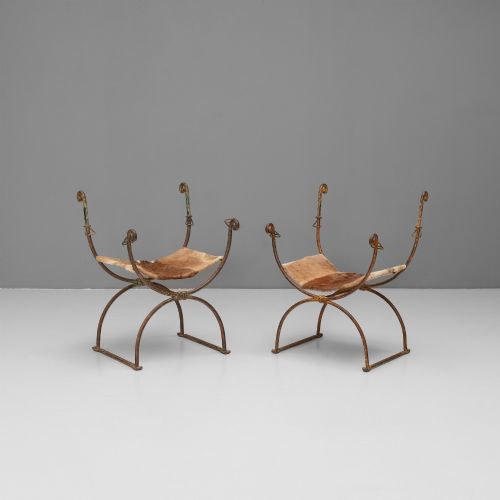
- A stool supported by intersecting diagonal legs forming an X shape, providing rigid structural support. This ancient form reappears in revivalist furniture designs.
- Hall Bench
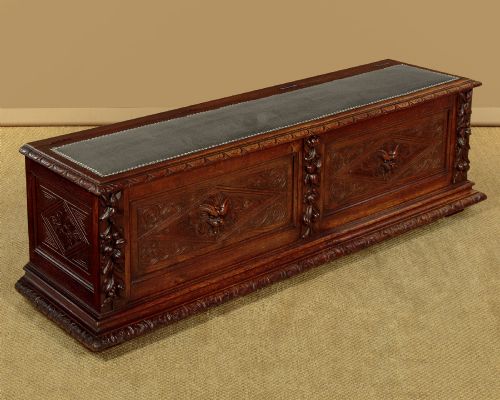
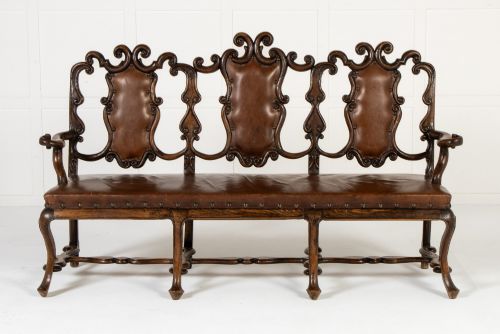
- A substantial seating piece placed in an entrance hall or corridor, often carved from oak or mahogany. They served as formal waiting seats for visitors.
Brown Leather Bench: Frequently Asked Questions
How do I style an ottoman?
An ottoman functions as both a casual seat and a surface for resting books or trays. Placing one centrally in a room introduces texture through its leather upholstery.
Heavier wood-framed versions work well in large hallways or at the foot of a bed. Their low profile keeps sightlines open within the living space.
How do I identify Victorian pieces?
Victorian benches typically display dense timber frames made from walnut or mahogany, often featuring deep buttoned leather upholstery. Stylistic cues draw heavily on Gothic Revival or traditional English forms.
Makers from this period favored heavy carving and robust construction to convey solidity and permanence. The scale of these items tends to be generous and imposing.
Where were hall benches used?
Hall benches stood in the entranceways of grand houses and country residences to accommodate guests and household staff. Their sturdy construction of oak or mahogany handled heavy daily traffic.
These seats often incorporate carved woodwork reflecting prevailing architectural styles such as the Victorian or Edwardian eras. They establish a formal impression immediately upon entering a building.