



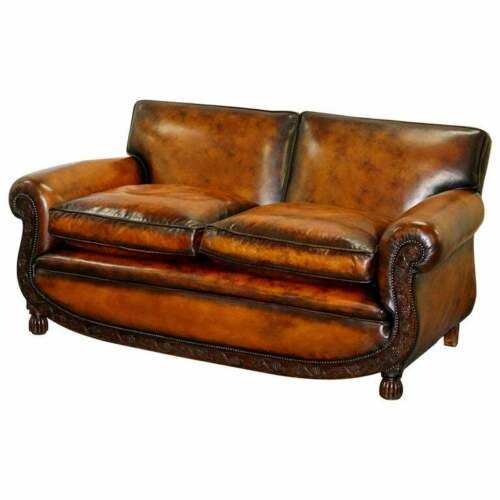
Tan Leather Settee
A tan leather settee brings warmth and deep seating to a room, offering durability and rich historical character across Victorian, Regency, and Edwardian designs.
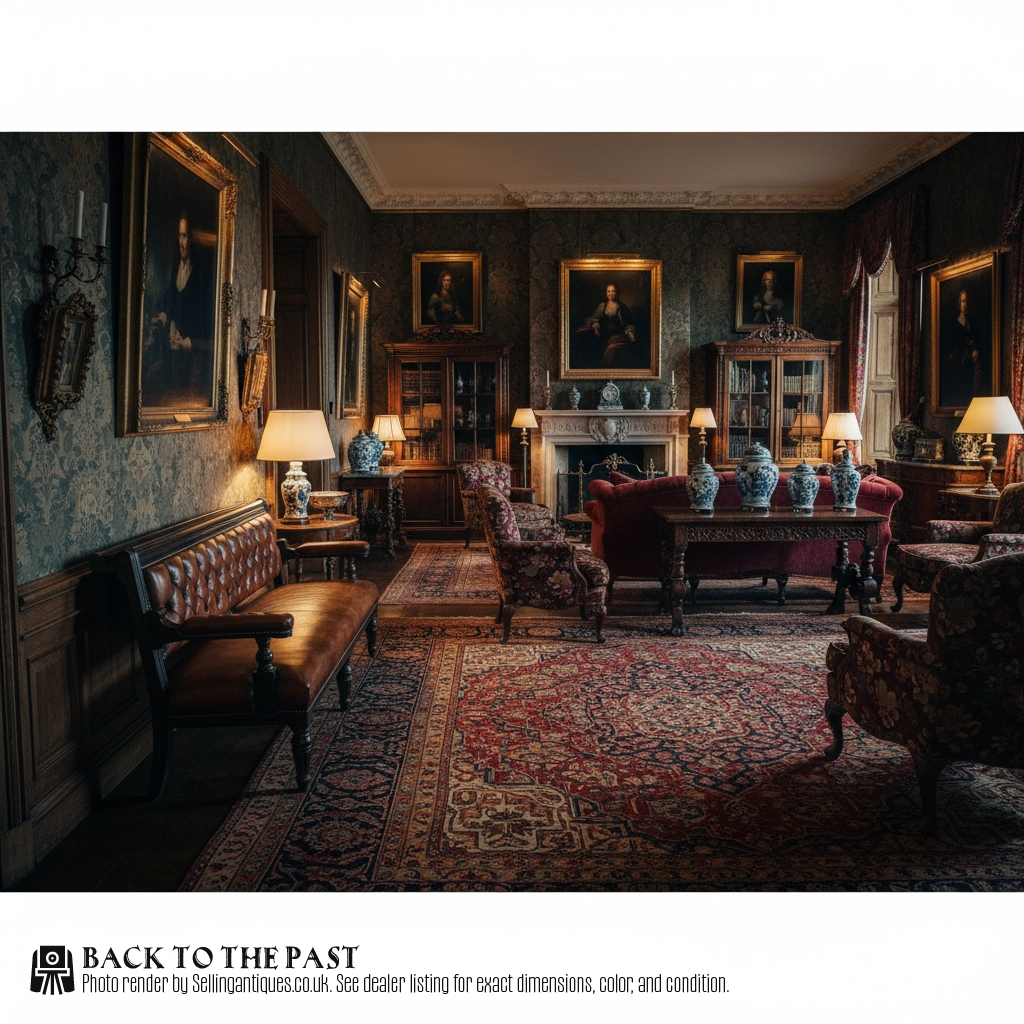
Tan Leather Settee
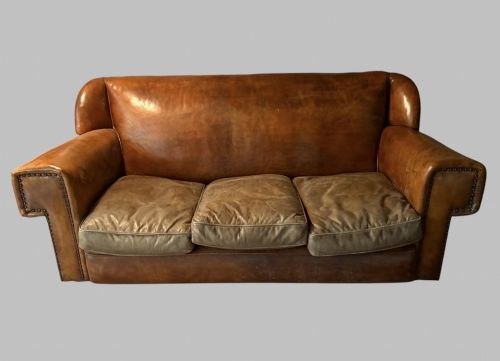
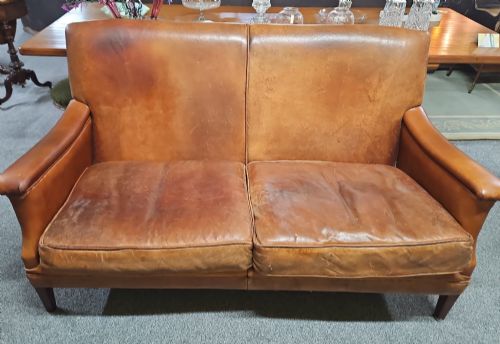
A tan leather settee is a substantial upholstered seat designed for comfort, appearing in forms ranging from traditional Chesterfield sofas to Edwardian couches and chaise longues. These pieces serve as the focal point of a room, combining practical seating with rich material depth.
The versions most common on this page date from the nineteenth and early twentieth centuries, spanning Victorian, Edwardian, and Regency periods. They arrive in various configurations, including three-seater chesterfields, drop-arm loungers, and matching lounge suites.
How they were made
Makers built the frames of a tan leather settee from hardwoods such as mahogany, walnut, and general hardwood, often incorporating hand-carved floral, lion, or herms details. Traditional construction methods relied on coiled springs and horsehair filling to provide durable interior support.
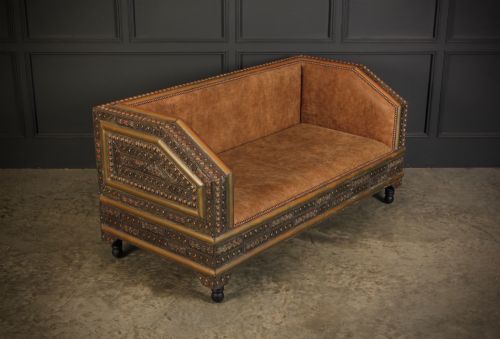
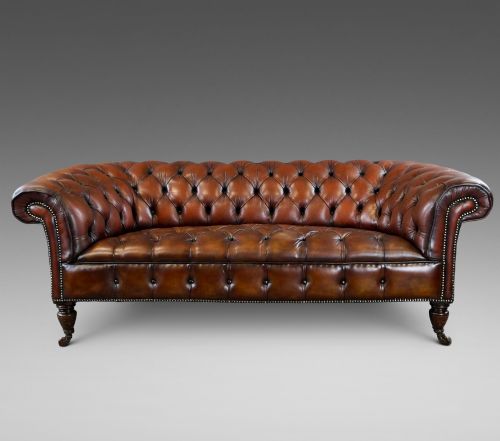
Upholstery consisted of leather fixed tightly to the frame, frequently finished with deep buttoning and hand-dyed treatments in whisky, brown, or chestnut tones. Brass tacks and detailed joinery completed the exterior presentation of these seating suites.
Tan Leather Settee Retail Price Guide 2026
Typical asking prices for tan leather settee among the pieces listed under this phrase on Sellingantiques today, from the lower quarter to the upper quarter. They describe what is for sale here now, not the wider market.
Listings feature pieces spanning the Victorian, Regency, and Edwardian periods, constructed in mahogany, walnut, and hardwood.
What varies in quality
Quality in a tan leather settee rests in the integrity of the underlying hardwood frame and the depth of the hand-carved woodwork. Pieces with substantial walnut or mahogany show frames and detailed carvings represent higher levels of craftsmanship.
The condition and treatment of the leather also divide standard pieces from superior examples. Hand-dyed finishes with original patination and traditional horsehair filling demonstrate a superior standard of period manufacture.
Howard and Sons
The Tan Leather Settee Glossary
- Chesterfield
- A traditional sofa style characterised by deep button tufting and rolled arms of equal height to the back. This form is strongly associated with nineteenth-century seating.
- Horsehair
- A traditional upholstery filling material used for padding and structure inside the seat and back. It provides firm, resilient support.
- Chaise Longue
- An upholstered long chair designed for reclining, featuring a backrest at one end. Examples appear in Victorian and later configurations.
- Show Frame
- A wooden structural framework left exposed around the upholstery to display carved details and grain. Walnut and mahogany frames frequently incorporate this design.
- Drop-Arm
- A movable arm mechanism on a sofa or lounge that can be lowered for reclining. This feature appears on specific Victorian seating.
Tan Leather Settee: Frequently Asked Questions
How do I date a leather settee?
Dating relies on examining the frame timber, carving styles, and upholstery methods used in the piece. Victorian and Regency examples exhibit specific wood treatments and structural silhouettes that distinguish them from later iterations.
Changes in padding materials, such as the use of horsehair, also help confirm the era of manufacture. Comparing the joinery against known period pieces provides further chronological context.
What is a Chesterfield sofa?
A Chesterfield is a classic sofa design featuring deep button tufting and low, rolled arms. These seating units originated in the nineteenth century and remain a staple of traditional interiors.
They appear in various sizes, from two-seaters to large three-seater formats upholstered in brown or whisky leather.
How should I care for antique leather?
Antique leather benefits from regular dusting and occasional treatment with appropriate leather balms to maintain flexibility. Keeping the material away from direct heat sources prevents drying and cracking.
Avoiding harsh chemical cleaners preserves the original hand-dyed finish and historical patination of the surface.
Are these settees comfortable for daily use?
Period settees built with traditional coil springs and horsehair stuffing offer robust, supportive seating. Their deep proportions make them well-suited for relaxed daily lounging.
Restored frames and updated internal webbing ensure these historical pieces remain functional in modern living spaces.