



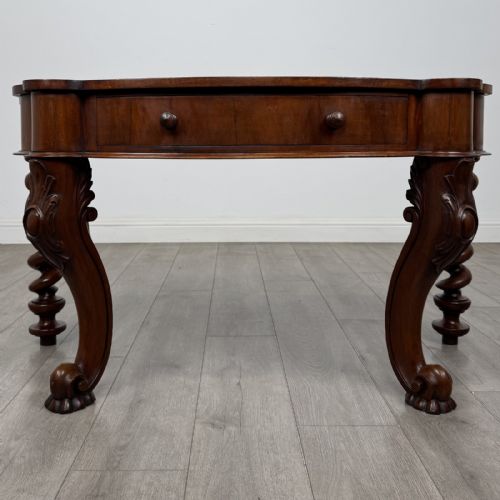
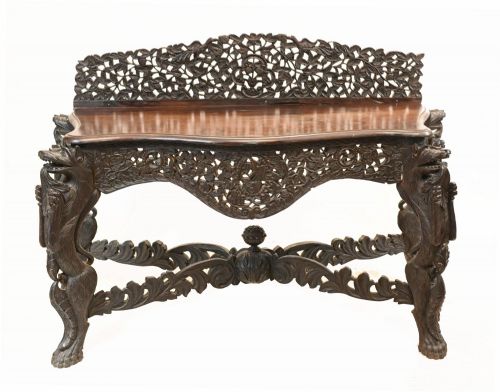
Carved Wood Sofa
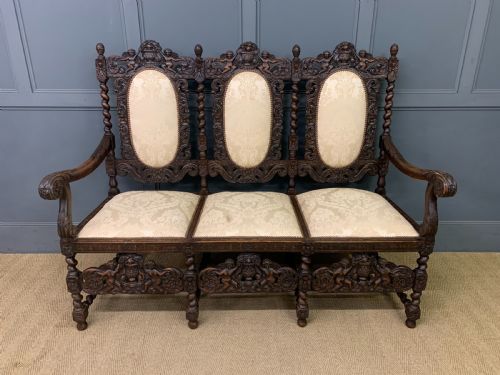
A carved wood sofa brings architectural presence to a room, offering substantial timber frames shaped with classical ornament.
Carved Wood Sofa
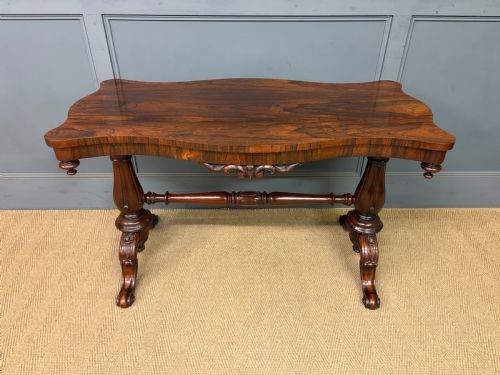
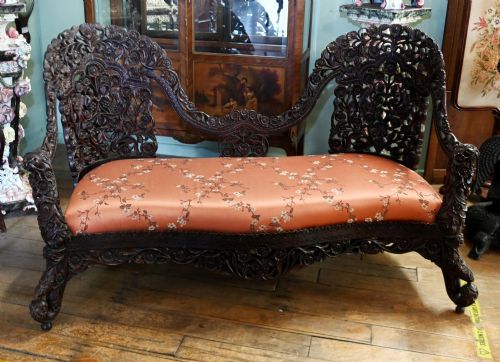
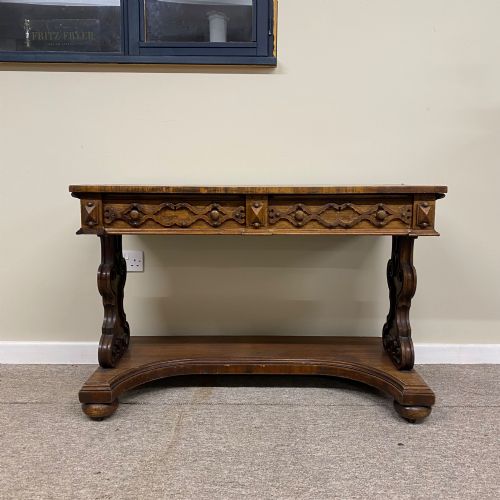
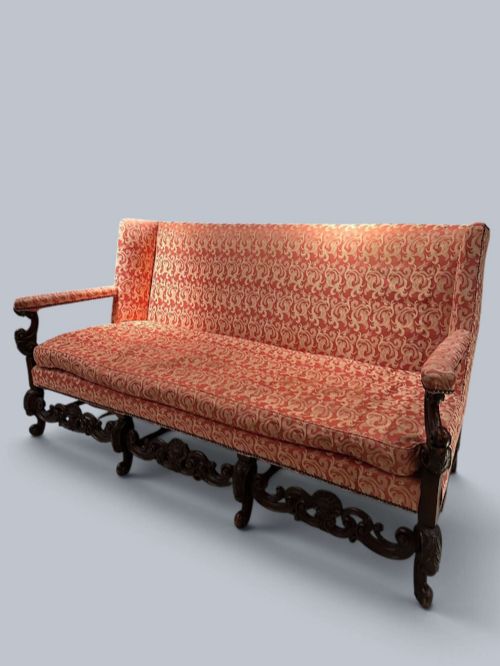
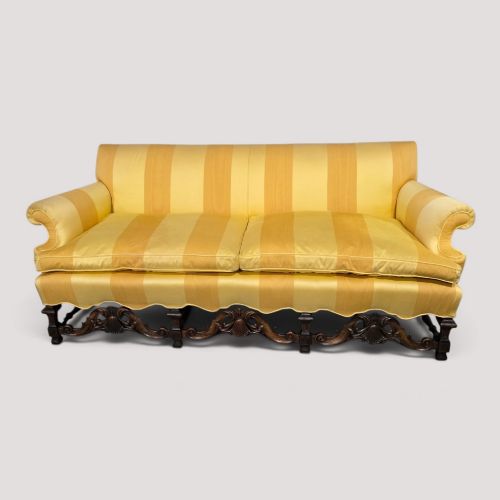
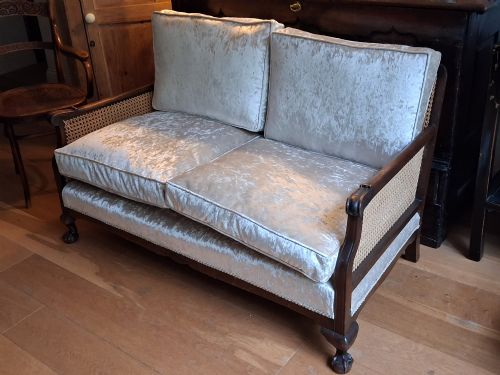
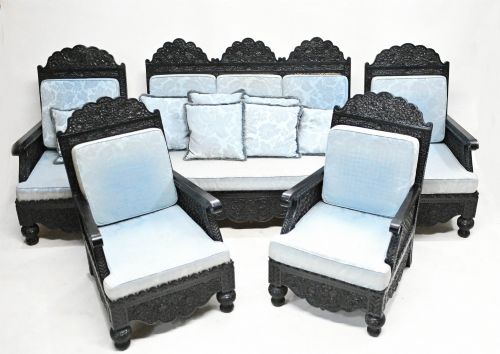
A carved wood sofa encompasses large seating pieces featuring exposed timber frameworks, ranging from substantial 19th Century examples to lighter decorative styles. These pieces often present serpentine fronts, scroll arms, or cabriole legs alongside elaborate timber detailing.
The selection here includes examples spanning the Regency period, William IV era, and 1860, reflecting diverse regional tastes from Irish mahogany to French giltwood and English walnut. Settees and daybeds appear alongside traditional sofa forms, providing varied proportions for domestic settings.
Materials and construction
Makers utilised dense hardwoods such as mahogany, walnut, and rosewood, alongside softer timbers finished with giltwood or paint. Frames were constructed to support substantial upholstery work, integrating carved wooden show-wood elements into the visible structure.
Upholstery techniques combined traditional stuffing methods with diverse textiles, including velvet, leather, Hessian, and textile coverings. Brass fittings and detailed herms or statues occasionally supplemented the timber carving.
Carved Wood Sofa Retail Price Guide 2026
Typical asking prices for carved wood sofa among the pieces listed under this phrase on Sellingantiques today, from the lower quarter to the upper quarter. They describe what is for sale here now, not the wider market.
The archive includes pieces executed in mahogany, walnut, rosewood, and giltwood, reflecting diverse 19th Century manufacturing traditions.
Assessing quality and execution
The crispness and depth of the timber carving dictate visual success, separating sharply defined ornamentation from softer, more generalized execution. Timber selection also matters, particularly in the grain pattern of mahogany or walnut show-wood frames.
Proportion and scale influence desirability, with balanced frames retaining their structural integrity over centuries of use. The integration of original upholstery materials or sympathetic restoration preserves the character of the piece.
The Carved Wood Sofa Glossary
- Show-wood
- Exposed timber portions of a frame left visible around the upholstered sections. This highlights the carving and polish of the underlying wood.
- Giltwood
- Timber treated with a thin layer of gold leaf or gilt paint. This finish creates a bright, reflective surface popular in formal European design.
- Cabriole leg
- A furniture leg featuring a double curve, typically swelling outward at the knee and tapering inward at the foot. It draws inspiration from animal limbs.
- Herm
- A sculpted bust or figure atop a square pillar, often used as a structural support or decorative terminal on furniture frames.
Carved Wood Sofa: Frequently Asked Questions
How do I care for a carved wood sofa?
Keep the timber clean using a dry microfibre cloth, avoiding harsh chemical polishes that might degrade historic finishes. Protect the exposed wood and upholstery from direct sunlight and fluctuating humidity.
Inspect the joints periodically to ensure the frame remains stable under normal weight. Professional conservation is recommended for any structural repairs or fabric renewal.
How do I distinguish a settee from a sofa?
Settees typically present lighter proportions and more open wooden frameworks compared to fully upholstered sofas. They often incorporate decorative backs and distinct arm designs.
Both forms served as formal seating in historic interiors, though settees frequently accommodate fewer people.
Where were these sofas made?
Surviving pieces originate from English, French, Italian, Swedish, and Irish workshops. Regional preferences influenced timber choices, such as mahogany in Ireland and giltwood in France.
Local craftsmanship defined the specific carving styles and structural details found on individual frames.