
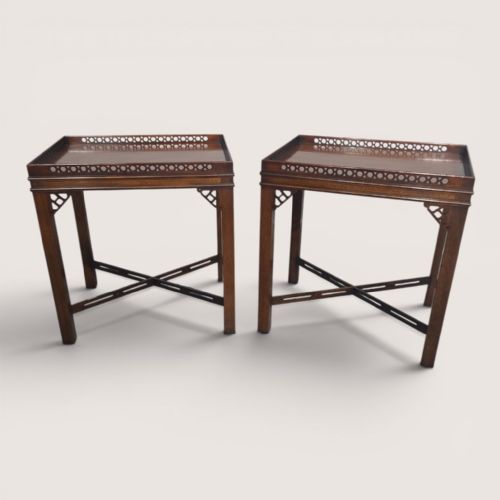
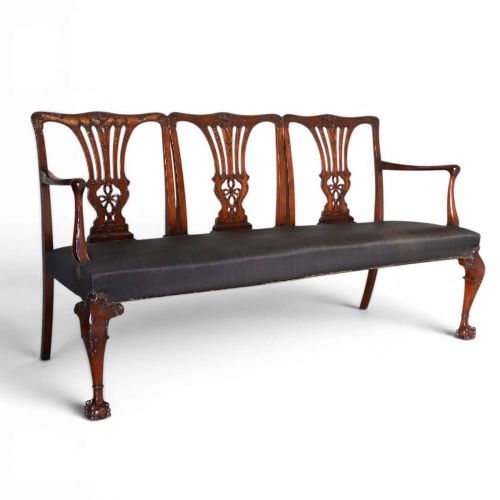


Chippendale Style Sofa
These pieces bring the carved mahogany elegance of a chippendale style sofa into a room, offering classical proportions and structured seating.
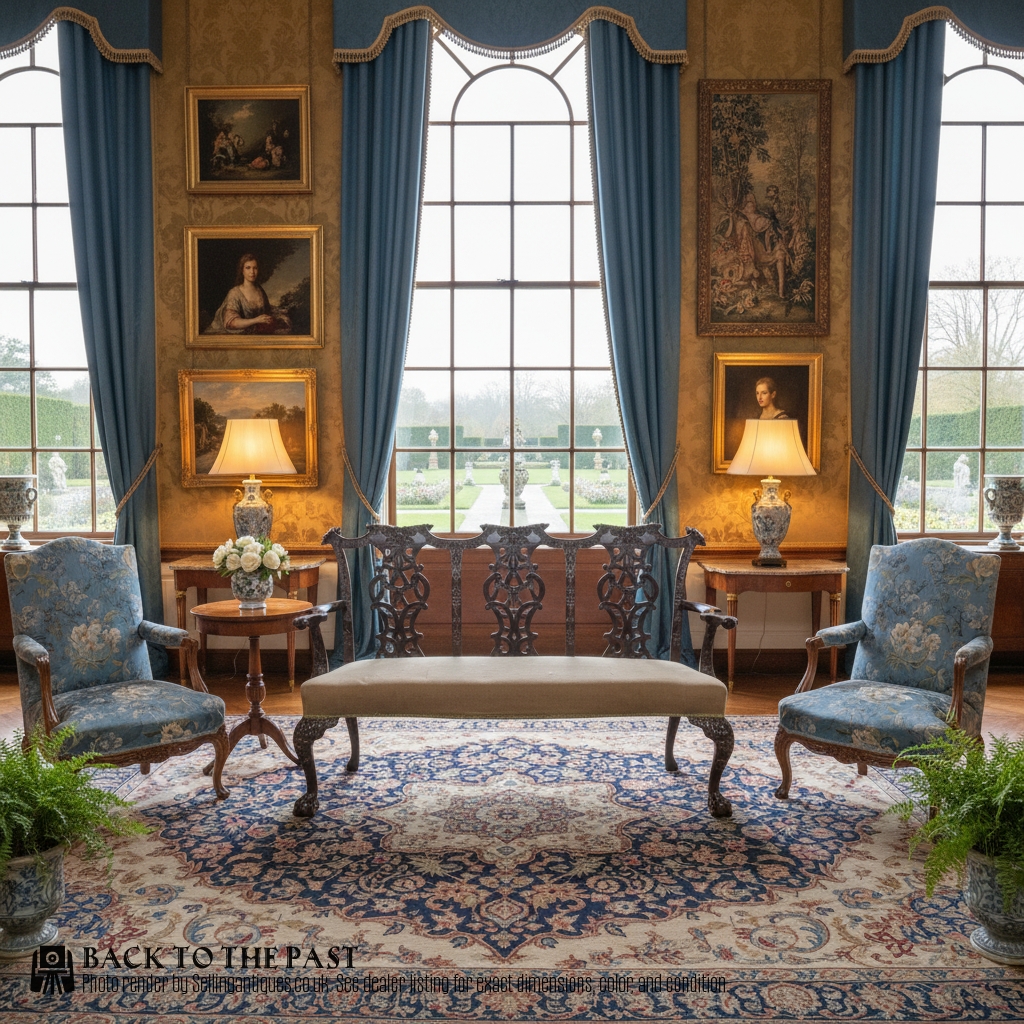
Chippendale Style Sofa
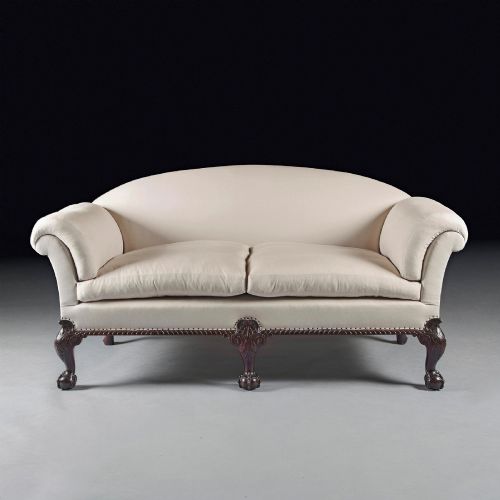
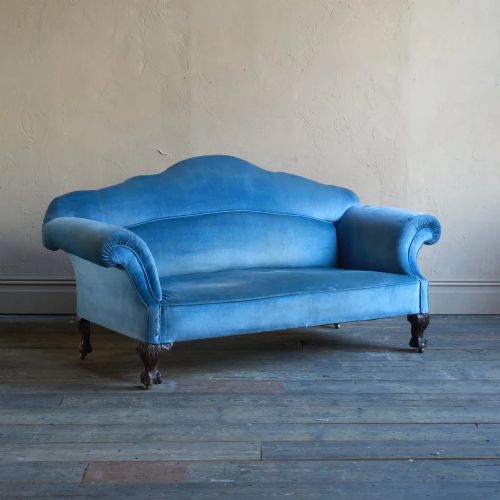
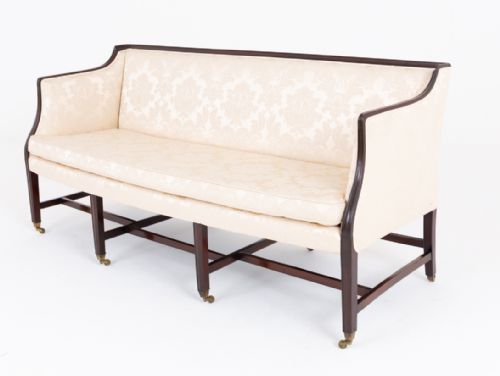
A chippendale style sofa draws on 18th century Georgian forms, appearing most frequently in revival iterations from the 19th and early 20th centuries. Buyers encounter camel back shapes, chair back designs, and serpentine fronts shaped from mahogany.
The selections span two seater settees, three seater versions, and lounge suites, often incorporating carved wooden frames. Pieces emerge from periods including the Victorian era, Edwardian years, and the decades around nineteen hundred.
Makers and designers referenced in the broader archive include traditional workshops and specific firms such as Howard and Sons, Butlers of Dublin, and J. S. Kinsey. The overarching style reflects continuous British interest in Georgian cabinet making.
Materials and Construction
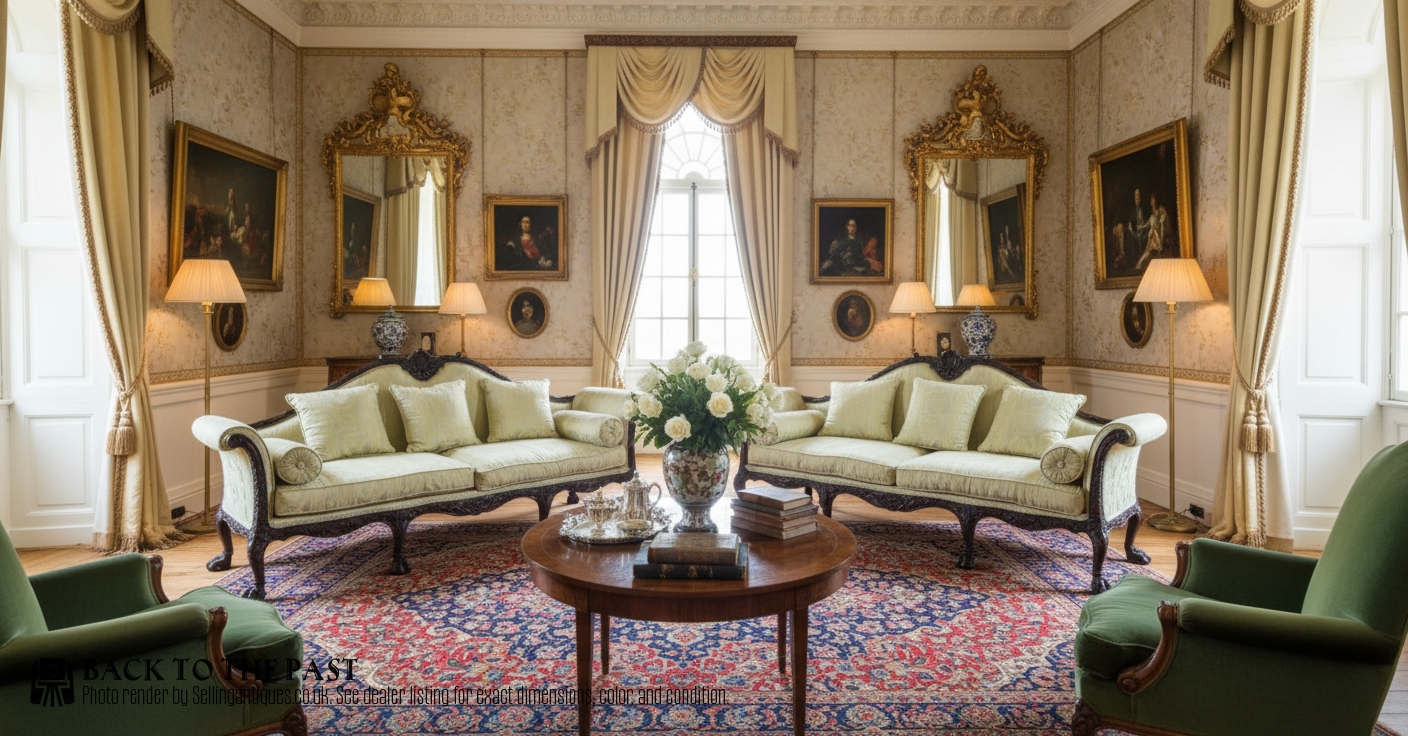
Mahogany forms the primary structural timber for frames, console tables, and carved details, complemented by secondary woods. Joinery relies on traditional framing techniques to support substantial wooden underframes.
Upholstery incorporates traditional textiles like velvet, damask, fabric, and leather, occasionally paired with cane work or brass accents. Carved ornamentation on legs and backs involves manual woodworking methods including ball and claw feet.
Surface finishes include polished wood grains and occasional gold leaf highlights, reflecting the decorative priorities of Victorian and Edwardian revival workshops.
Chippendale Style Sofa Retail Price Guide 2026
Typical asking prices for chippendale style sofa among the pieces listed under this phrase on Sellingantiques today, from the lower quarter to the upper quarter. They describe what is for sale here now, not the wider market.
Recorded periods span from the 18th century through the Victorian, Edwardian, and early 20th century revivals.
Evaluating Craftsmanship
Quality rests upon the crispness of the hand carving on the mahogany frames and the structural integrity of the legs and understretchers. Pieces featuring detailed ball and claw or hawk claw feet demonstrate higher execution skill.
Proportion and symmetry define the better examples, particularly in camel back and serpentine front configurations that echo authentic Georgian standards. The selection of upholstery materials, from patterned damask to supple leather, also marks distinction.
Howard and Sons·Butlers of Dublin·J. S. Kinsey
The Chippendale Style Sofa Glossary
- Camel back
- A serpentine curved top rail on a sofa resembling the humps of a camel. This profile provides both visual fluidity and structural tension across the backrest.
- Chippendale revival
- A stylistic movement spanning the 19th and early 20th centuries that reinterprets 18th century designs. Makers during this period drew direct inspiration from Thomas Chippendale pattern books.
- Ball and claw
- A furniture foot carved to represent a bird's talon gripping a ball. This motif originates in Chinese art and became a hallmark of 18th century and revival seating.
- Serpentine
- A line or edge that curves outward then inward in a continuous wave. It adds dynamic movement to the front rails and backs of settees.
- Chair back sofa
- A settee design featuring a backrest composed of conjoined chair backs. This form mimics the silhouette of several dining chairs arranged in a row.
Chippendale Style Sofa: Frequently Asked Questions
How do I date a revival sofa?
Dating relies on examining the timber characteristics, secondary woods, and the specific style of revival framing used.
Nineteenth century and Edwardian examples often display machine-assisted elements alongside hand-carved mahogany details.
Where were these settees placed originally?
These seating pieces belonged in principal reception rooms, libraries, and drawing rooms of country houses and town residences.
They functioned as primary seating for guests and family members in formal interior settings.
What distinguishes chair back sofas?
Chair back sofas incorporate a backrest constructed from openwork splats identical to those found on individual dining chairs.
This design links seating furniture directly to the dining room aesthetic of the 18th century.