
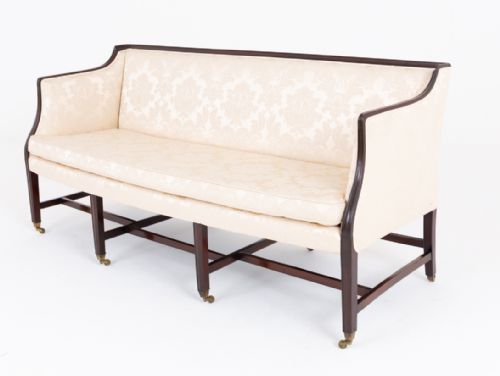


Georgian Mahogany Couch
A georgian mahogany couch brings stately timber and generous seating into a room, offering both historical weight and timeless comfort.
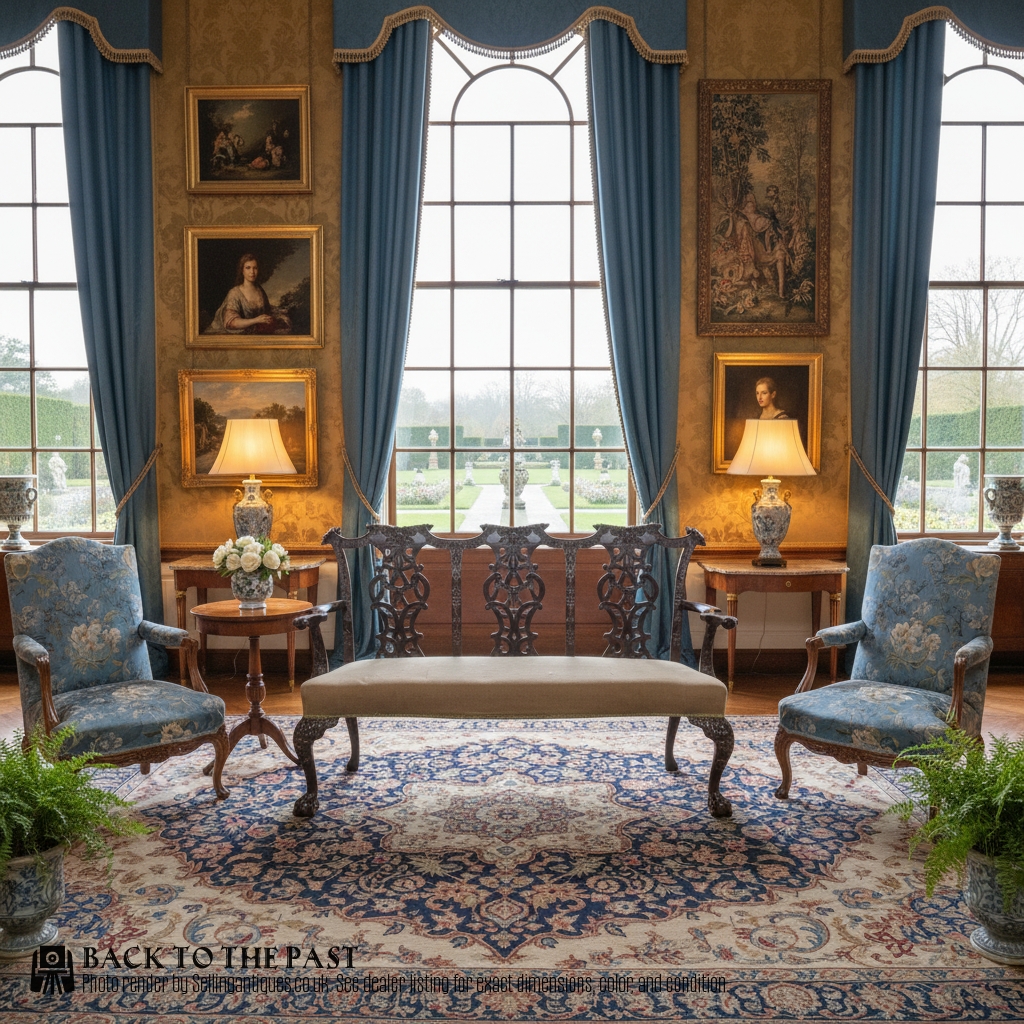
Defining the georgian mahogany couch
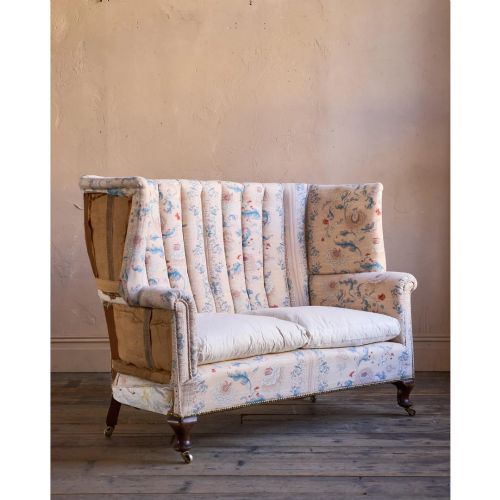
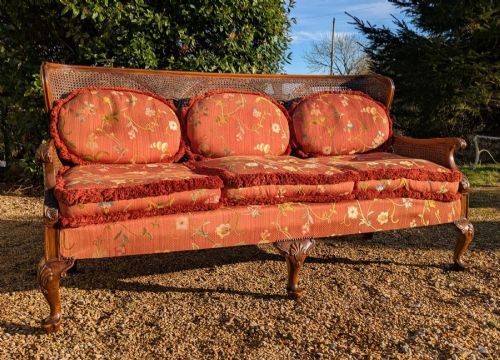
When you search for a georgian mahogany couch, you encounter substantial seating forms built from rich timber, spanning the eighteenth and nineteenth centuries alongside later revival interpretations. These pieces appear in listings as sofas, settees, and couches, often reflecting Georgian, Regency, and Chippendale stylistic influences.
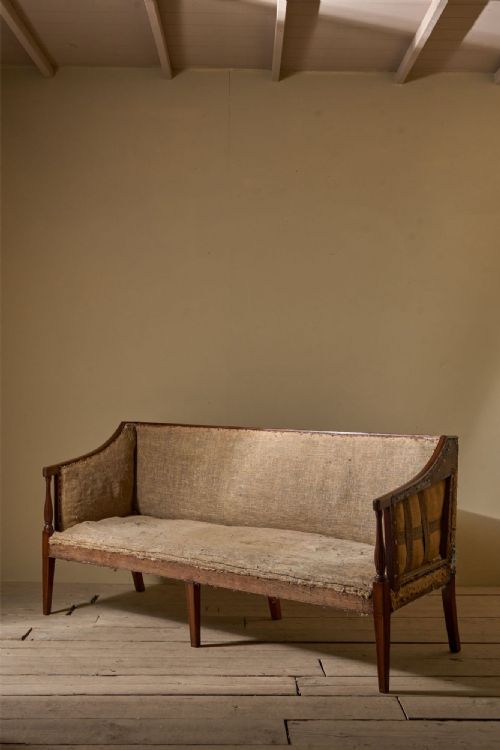
The versions you are most likely to meet on this page range from grand camel back shapes with serpentine fronts to early nineteenth century framings and Victorian Chippendale style adaptations. Such seating often integrates traditional foundation materials beneath its upholstery, including hessian, horsehair, canvas, and calico.
Construction and materials
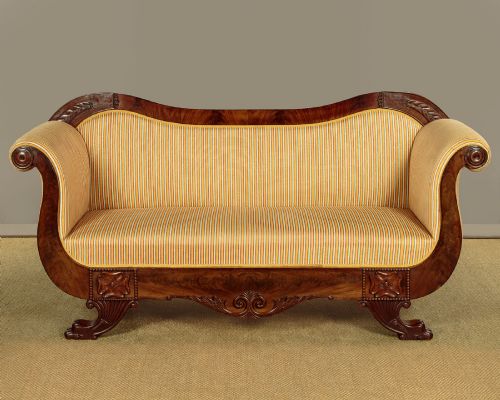
Makers built these frames using dense mahogany, shaping structural supports and visible rails to showcase the grain of the wood. Carved details frequently ornament the woodwork, reflecting the prevailing cabinet-making aesthetics of the period.
Internal upholstery structures relied on traditional layers, combining canvas, hessian, and horsehair beneath outer coverings such as calico or fabric. Brass elements occasionally appeared in castors or structural hardware to complete the assembly.
Retail Price Guide 2026
Typical UK retail prices for georgian mahogany couch, calculated from the Sellingantiques database of over a million retail prices indexed since 2003. This retail price guide relies exclusively on Sellingantiques data; no external sources or auction records are used, so the figures do not describe the wider market.
Current listings feature pieces spanning the eighteenth, nineteenth, and Victorian periods, showcasing mahogany frames paired with horsehair, hessian, and brass details.
Assessing quality and character
The distinction between standard examples and superior pieces rests largely on the crispness of the timber carving and the architectural proportion of the frame. Finer couches demonstrate confident joinery and well-balanced curves, particularly along camel backs and serpentine front rails.
Material selection also dictates standing, with dense, deeply patinated mahogany elevating an object above plainer or softer woods. The integrity of the underlying framework and the fidelity of revival styling further separate ordinary workshop output from finer craftsmanship.
The Georgian Mahogany Couch Glossary
- Mahogany
- A durable tropical hardwood prized for its deep reddish-brown colour and fine grain. Cabinet-makers favoured it for structural strength and polished surfaces.
- Camel back
- A sofa or settee back featuring a distinctive undulating, convex curve resembling a camel's hump. This profile became a hallmark of eighteenth-century seating design.
- Serpentine front
- A curved furniture rail that swells outward in the centre and recedes toward the ends in an S-curve shape. It adds visual movement to heavy wooden frames.
- Horsehair
- Traditional stuffing material woven from horse tail and mane hairs, valued for its springiness and durability. Upholsterers used it to build resilient padding layers.
- Hessian
- A coarse woven fabric, typically made from jute fibres, utilised as a strong foundation layer to support internal upholstery stuffing.
Frequently Asked Questions
What is a georgian mahogany couch?
A georgian mahogany couch is a historic seating piece constructed from dense mahogany timber during or inspired by the eighteenth and nineteenth centuries. These items include sofas and settees featuring exposed wooden frames and traditional upholstery foundations.
They served as formal drawing room seating designed to display both the status of the household and the skill of the cabinet-maker. Today, they function as focal points in period interiors.
How do I identify a camel back sofa?
A camel back sofa is recognised by the smooth, rising curve along the top rail of the backrest, which mimics the humps of a camel. This silhouette often flows seamlessly into scrolled or padded arms.
Craftsmen paired this distinctive profile with shaped wooden rails, such as serpentine fronts, to create a balanced and formal appearance.
What materials are inside these couches?
Internal construction typically relies on traditional layers including canvas, hessian, and packed horsehair to build shape and resilience. Outer surfaces are then finished in fabrics like calico or decorative textiles.
Brass hardware, including castors, occasionally appears on the feet of nineteenth-century examples to facilitate movement across carpets and floors.
How do I live with antique mahogany seating?
Living with these pieces involves placing them away from direct sunlight and strong heat sources to protect the mahogany finish and prevent timber splitting. Regular dusting keeps the wood conditioned without stripping the historic patina.
Their substantial presence makes them suited to spacious rooms where their architectural frames and carved details remain visible.