
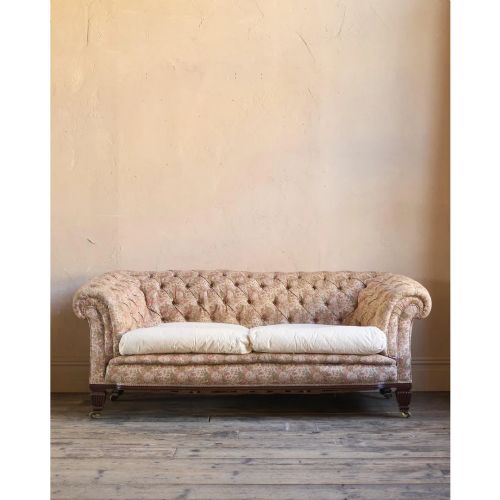
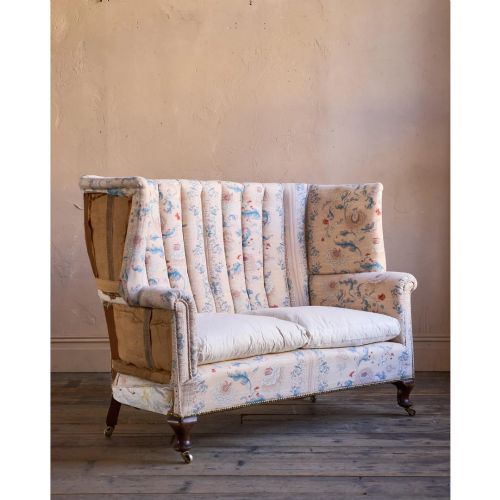

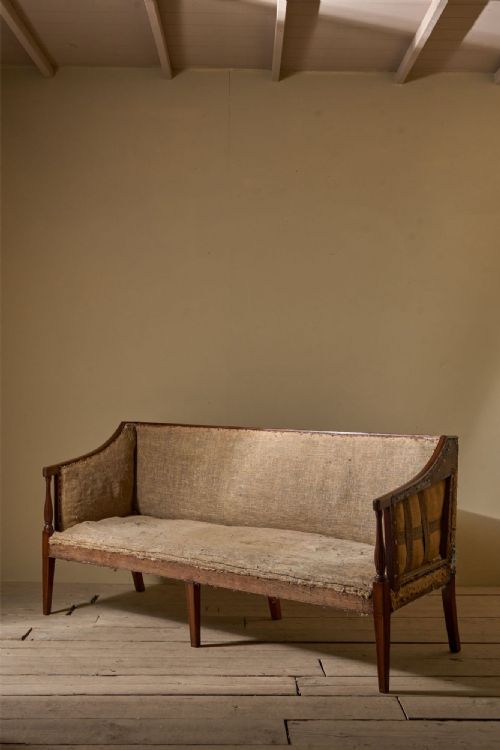
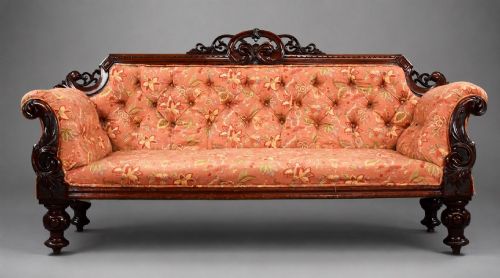
Traditional Mahogany Settee
A traditional mahogany settee brings substantial timber framework and classic seating proportion into a room, offering both presence and utility.
Identifying a traditional mahogany settee
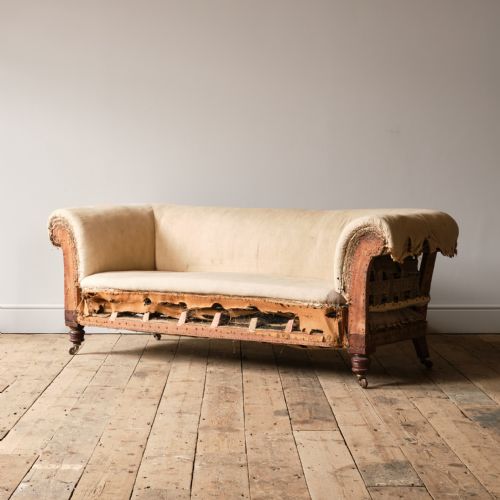
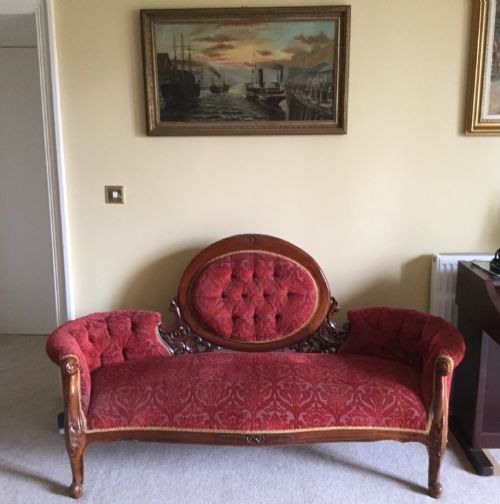
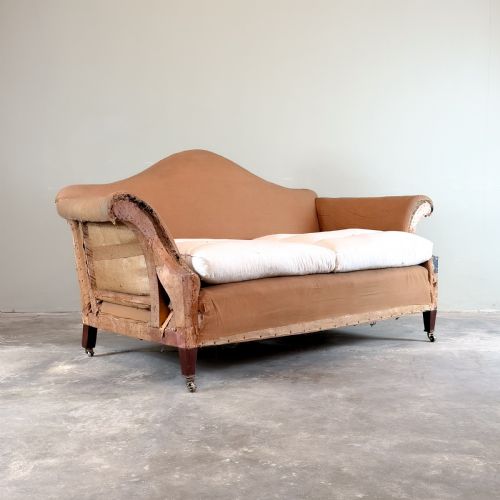
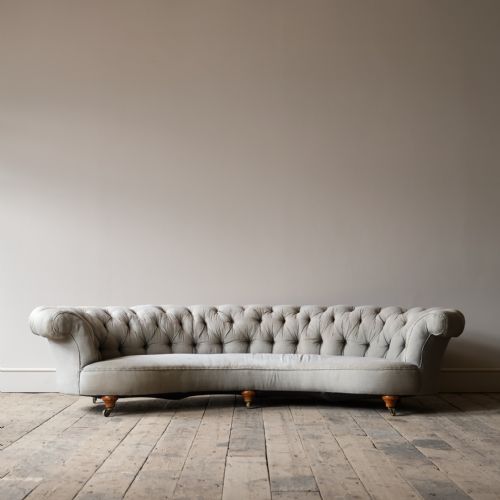
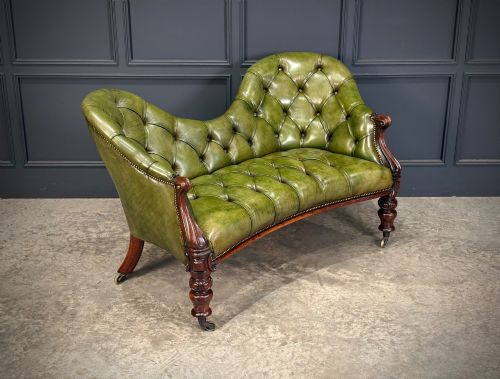
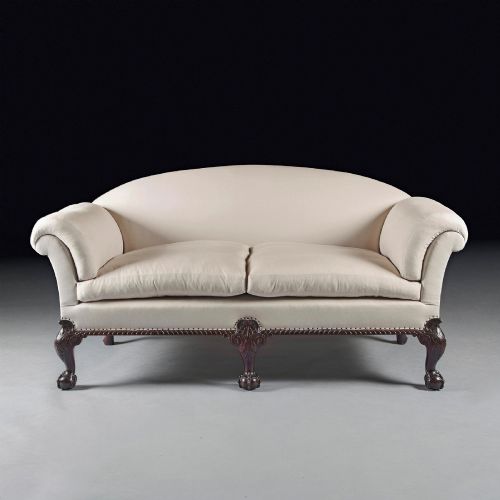
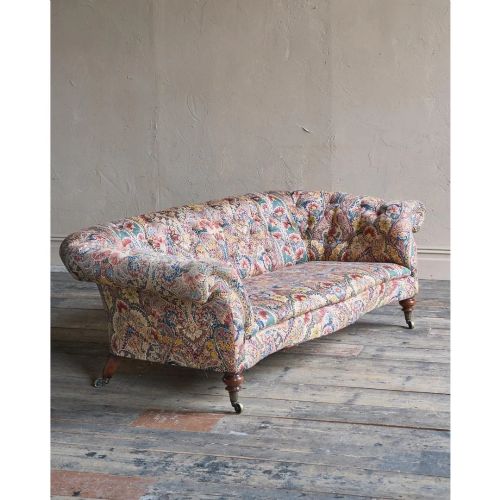
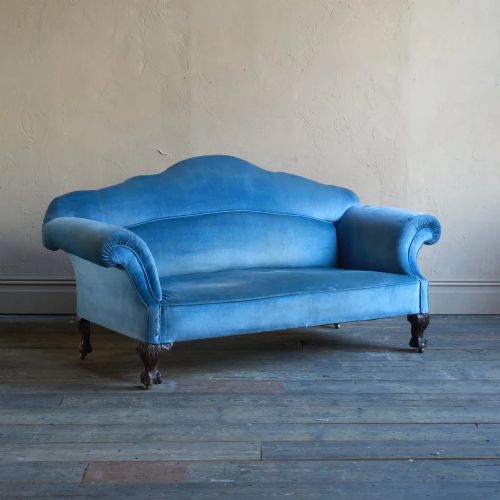
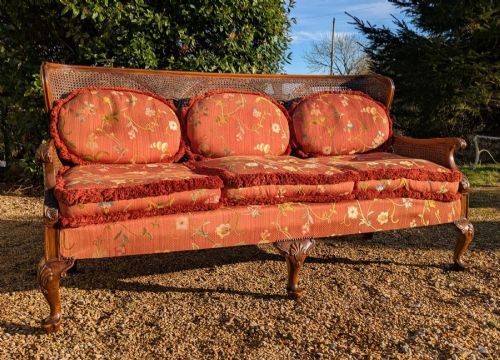
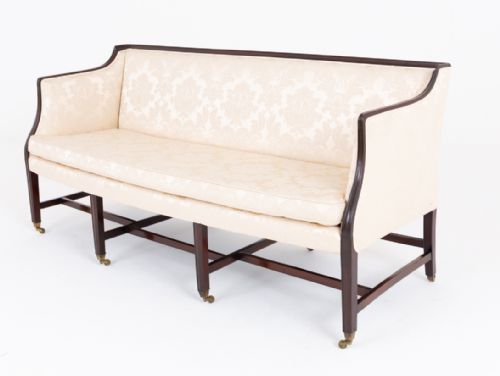
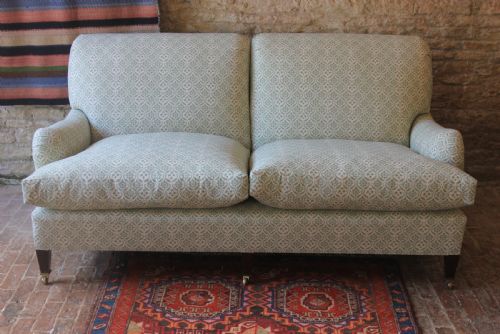
A traditional mahogany settee is a large seat designed for multiple occupants, built from dense timber and surfaced in various textiles. These pieces appear in forms such as double-ended sofas, scroll-end sofas, shield-back settees, and hall seat sofas.
The examples found here span the nineteenth century, the year nineteen hundred, the Victorian era, and the Regency period. Buyers most frequently meet nineteenth-century frames, alongside pieces styled after Chippendale and Hepplewhite designs.
Makers and workshops of these periods constructed them as principal reception room furnishings, often taking inspiration from Georgian proportions and country house scales.
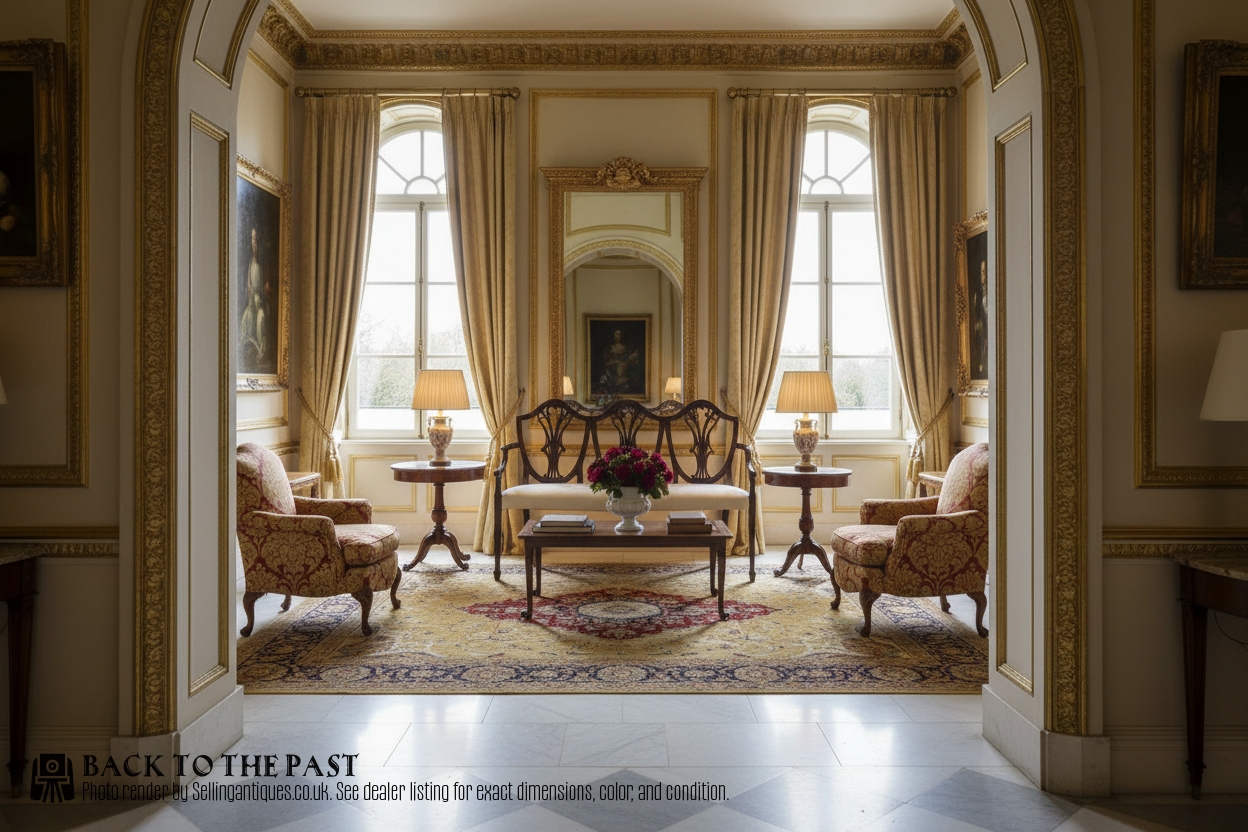
Construction and materials
Interior foundations rely on materials like hessian and sprung settee bases to support the weight of occupants. Visible surfaces are upholstered in fabrics such as burgundy deep pile brocade and standard upholstery fabric.
Retail Price Guide 2026
Typical UK retail prices for traditional mahogany settee, calculated from the Sellingantiques database of over a million retail prices indexed since 2003. This retail price guide relies exclusively on Sellingantiques data; no external sources or auction records are used, so the figures do not describe the wider market.
One persistent hall seat sofa spent its youth watching boots come off before moving indoors to watch tea get poured.
Assessing quality
Quality rests on the crispness of the carved mahogany work and the structural integrity of the large wooden frame. Pieces that retain bold scroll ends or finely executed shield-back designs demonstrate superior cabinetmaking skill.
The standard of upholstery materials, from the choice of brocade to the underlying hessian and sprung base construction, distinguishes a high-grade refurnishing from a basic recover.
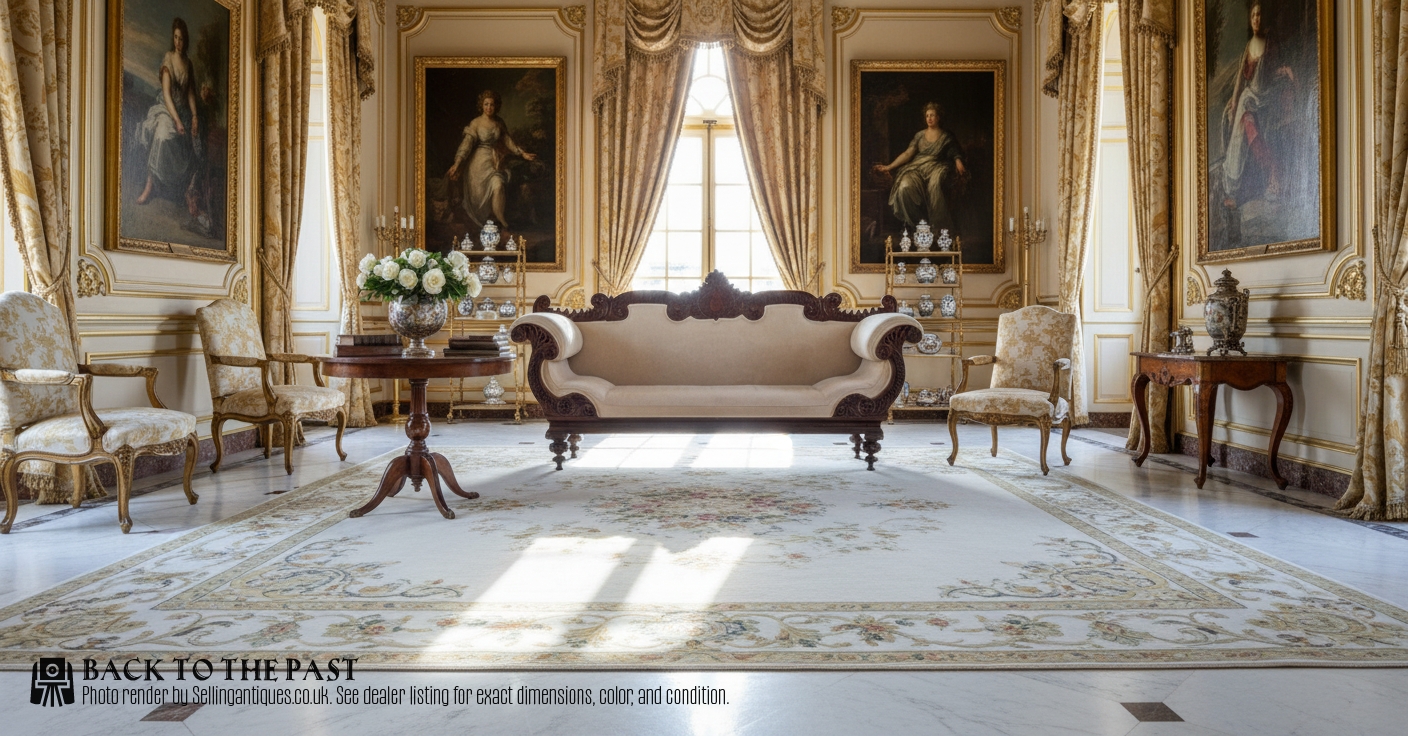
The Traditional Mahogany Settee Glossary
- Mahogany
- A dense, durable tropical hardwood prized for its deep reddish-brown colour and stability in furniture construction. It accepts fine carving and polish exceptionally well.
- Brocade
- A rich, jacquard-woven fabric featuring raised patterns, often utilised for upholstery on formal seating. It adds texture and a heavy drape to the piece.
- Scroll-end
- A furniture arm or terminal rolled outward in a spiral shape, characteristic of Regency and William IV design. This profile provides both visual momentum and arm support.
- Hessian
- A coarse woven fabric, typically made from jute fibres, used historically as a foundation layer in traditional upholstery. It conceals and contains internal stuffing materials.
- Shield-back
- A chair or settee backrest shaped like a heraldic shield, popularised during the Hepplewhite period. This silhouette requires precise woodworking to achieve its tapered curves.
Frequently Asked Questions
How do I clean mahogany wood?
Dust the timber regularly with a soft, dry cloth to prevent grit accumulation on the polished surface. Avoid silicone-based sprays, which build up over time and dull the grain.
Apply a micro-crystalline wax periodically to nourish the mahogany and maintain its natural sheen. Keep the settee away from direct heat sources and strong sunlight to prevent the timber from drying out.
Are these settees comfortable for daily use?
Traditional settees often feature sprung bases and deep upholstery designed for formal or relaxed sitting. Their firmness depends on the original internal padding and modern restoration work.
Some larger four-seater or country house sofas offer ample depth, while shield-back variations provide a more upright posture. Testing the seat height and depth helps determine suitability for daily lounging.
How do I identify a Regency period piece?
Regency pieces often display classical influences, bold proportions, and clean lines inspired by ancient Roman and Greek designs. Look for substantial scale, such as large four-seater configurations.
Scroll ends and restrained use of carved mahogany are also common indicators of this era. Comparing the stylistic motifs with documented Regency furniture helps confirm the period.
Can I fit a large sofa in a modern room?
Country house and large Georgian sofas require significant floor space and clear clearance for doorways during delivery. Measuring the room dimensions and access routes precisely is essential before acquiring a heavy timber frame.
Their substantial mahogany presence means they naturally anchor a large living space or wide hallway. Positioning them away from tight corners lets the proportions of the frame breathe.