




Antique Upholstery Bench
These antique upholstery bench options combine structural timber frames with traditional padding and fabric, offering practical seating across centuries of design.
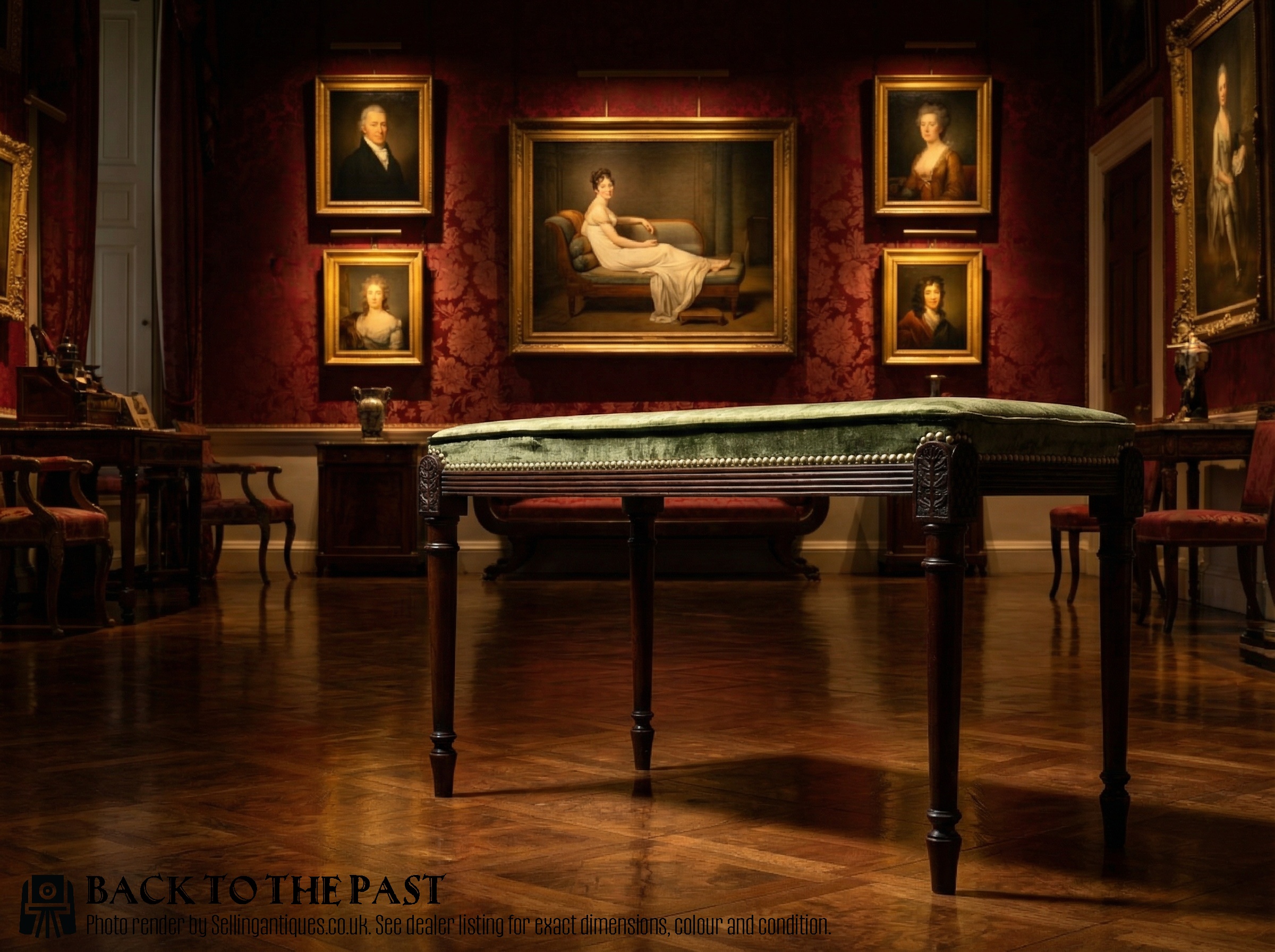
Antique Upholstery Bench
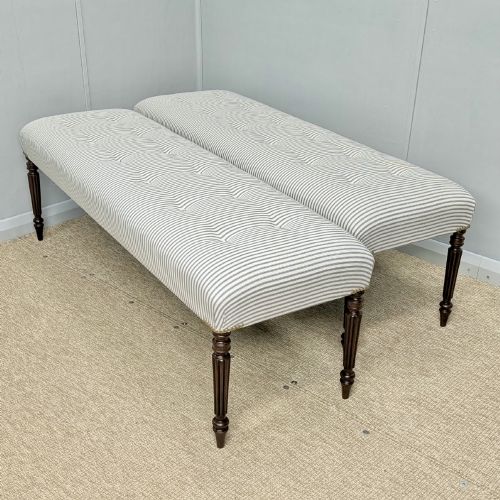
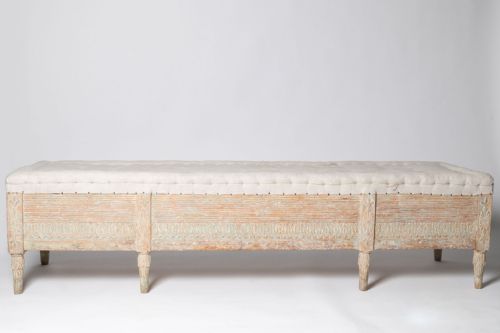
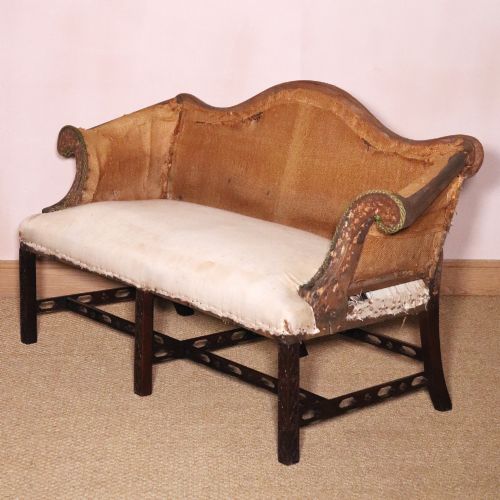
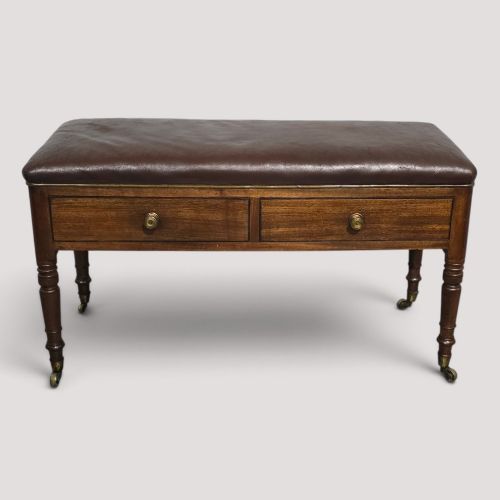
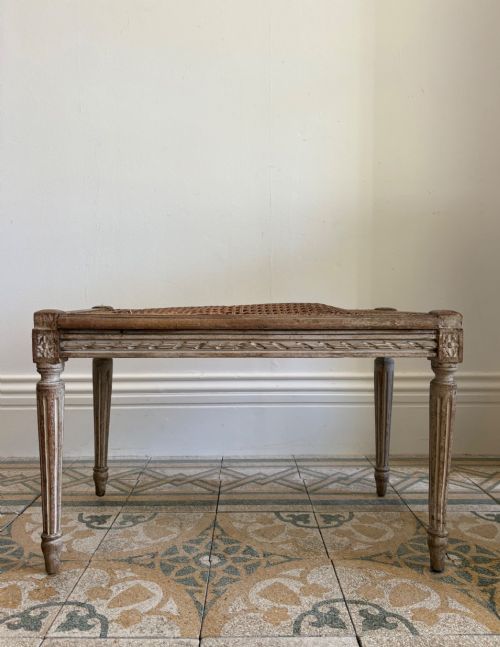
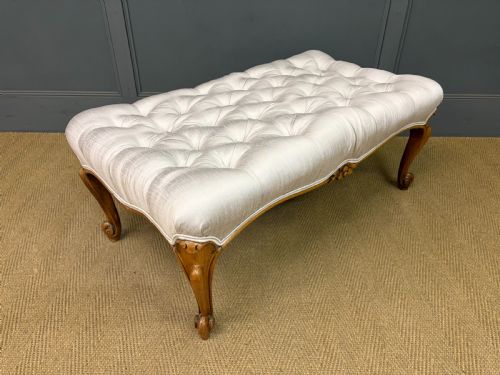
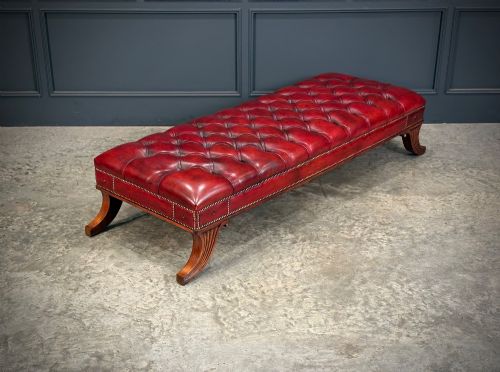
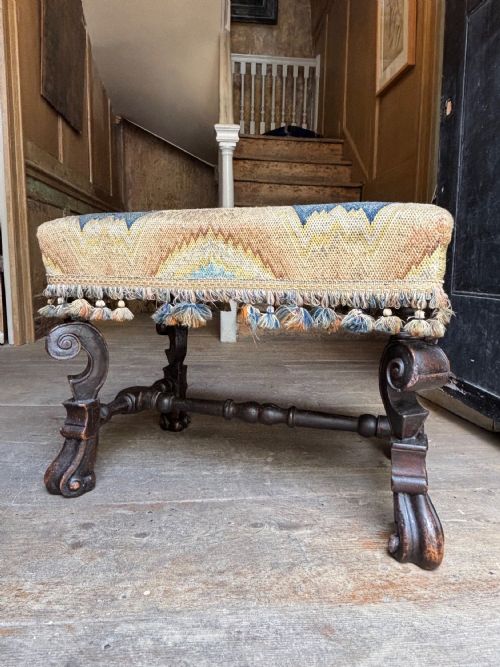
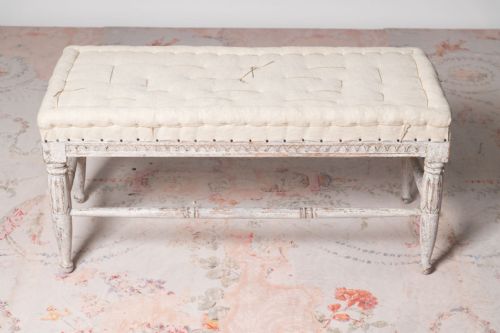
When you search for an antique upholstery bench, you encounter a diverse selection of seating forms, including low footstools, long window seats, ottomans, and multi-seater settees. The pieces on this page span several centuries, drawing from Georgian, Regency, Victorian, and Edwardian periods.
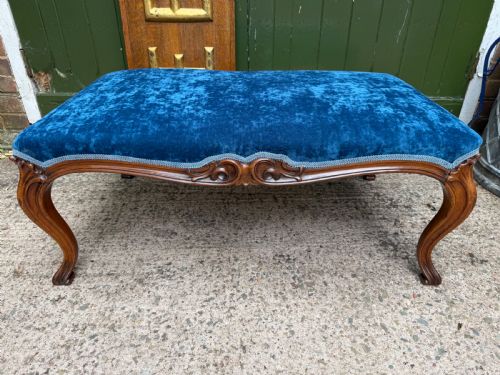
The inventory ranges from compact carriage stools and footstools to grand salon sofas and French-style canapés. Woods like mahogany, walnut, and rosewood frequently form the visible frames beneath textile coverings.
Makers construct these seating options in various regional traditions, incorporating styles from English country house utility to ornate French Louis designs. Buyers frequently find pieces ready for reupholstering alongside items retaining historical fabrics.

Materials and construction methods
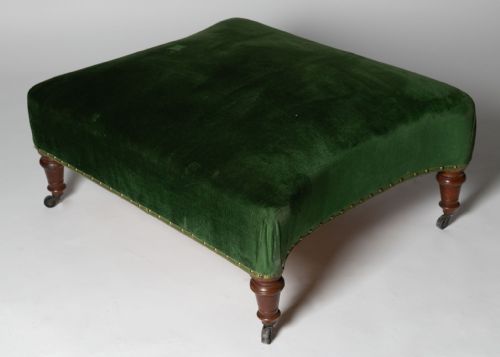
Craftsmen shape structural frameworks from hardwoods such as mahogany, walnut, rosewood, and oak, often incorporating hand-carved details or turned legs. Brass castors frequently support heavier Victorian and Regency forms for ease of movement.
Upholstery layers utilise traditional textile coverings including leather, velvet, damask, tweed, and patterned fabric. Artisans secure these textiles over internal padding to create durable, cushioned seating surfaces.
Antique Upholstery Bench Retail Price Guide 2026
Typical asking prices for upholstery bench among the pieces listed under this phrase on Sellingantiques today, from the lower quarter to the upper quarter. They describe what is for sale here now, not the wider market.
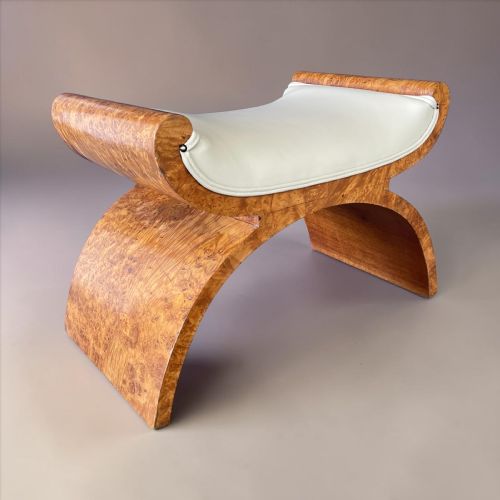
Listings feature eighteenth-century carved footstools alongside twentieth-century Art Deco seating, demonstrating centuries of domestic furniture evolution.
Judging the quality of upholstered seating
Superior examples display precise joinery and well-proportioned timber frames that retain their structural integrity over centuries of use. The depth of hand-carving on exposed wood and the elegance of the silhouette distinguish finer outputs from utilitarian workshop pieces.
The grade of the supporting timber and the authenticity of the framing components dictate long-term durability. Original decorative elements, such as brass castors or period-appropriate textiles, elevate the desirability of individual specimens.
Harry and Lou Epstein·Hallett and Sons
The Antique Upholstery Bench Glossary
- Canapé
- A traditional French upholstered sofa or settee featuring an exposed wooden frame, often carved and gilded. These items originated in fashionable European salons.
- Window seat
- A long, narrow bench designed to fit into a window recess, frequently constructed during the Georgian and Regency periods. They often feature fluted legs or scrolled ends.
- Ottoman
- A low, upholstered seat or footstool without a back or arms, sometimes built with internal storage compartments. They appear frequently in nineteenth-century domestic interiors.
- Club fender
- A low, padded metal frame surrounding a hearth, combining steel and leather to provide fireside seating. These structures became popular during the nineteenth century.
- Damask
- A reversible figured fabric woven on a loom, commonly utilised for upholstery on formal period seating. The pattern shows on both sides with inverted colour schemes.
Antique Upholstery Bench: Frequently Asked Questions
How do I date an antique bench?
Dating relies on examining the timber species, joinery techniques, and stylistic markers visible in the wooden frame. Secondary characteristics like hand-carved details and hardware provide additional clues.
Comparing the proportions and silhouette against documented examples from specific eras helps narrow down the decade of manufacture. Experts also assess any surviving upholstery tacks and webbing for period authenticity.
What is a window seat used for?
Window seats provide purposeful low seating positioned specifically to take advantage of natural light near domestic windows. They served practical and decorative functions in formal rooms.
In modern interiors, these narrow benches fit easily into hallways, bedrooms, or living spaces as versatile accent seating. Their compact depth makes them ideal for transitional areas.
Are these benches comfortable for daily use?
Historical seating relies on traditional padding materials, which can feel firmer or softer than modern foam depending on their restoration state. Many historical examples provide supportive and ergonomic seating.
Pieces requiring reupholstering allow owners to select modern internal cushioning while preserving the antique timber exterior. This approach combines historical aesthetics with contemporary comfort.
How should I clean antique wood and fabric?
Maintain exposed wooden frames by applying appropriate paste wax rather than modern liquid polishes that can degrade historic finishes. Dust regularly with a soft, dry cloth.
Treat upholstered surfaces according to the specific textile type, employing professional cleaning services for delicate silks, velvets, or historical damasks. Vacuum fabric gently using a low-suction attachment.