

Antique Leather Bench
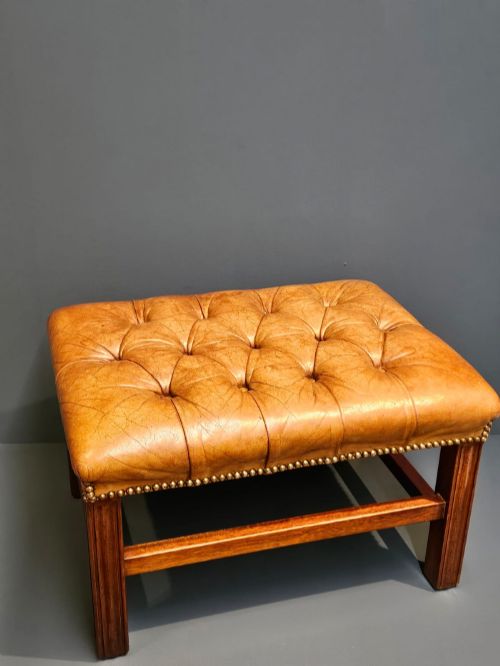
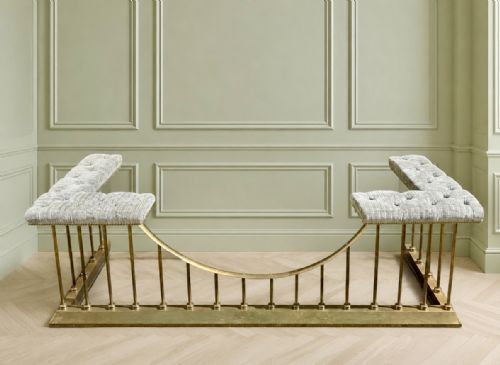
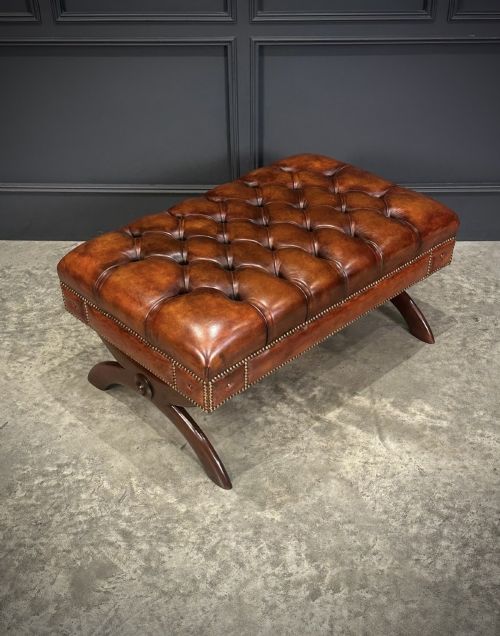
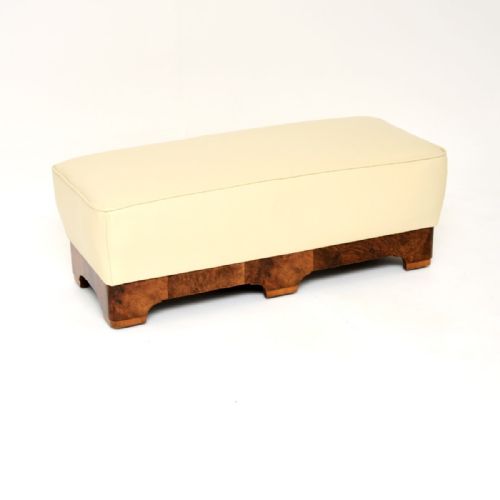
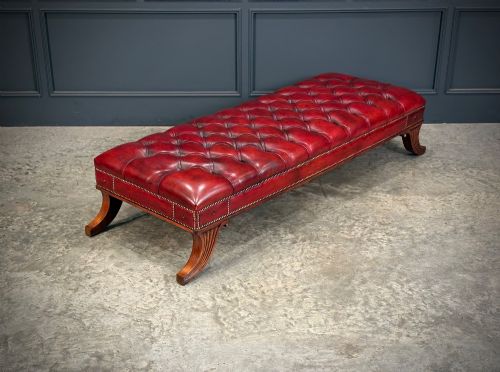
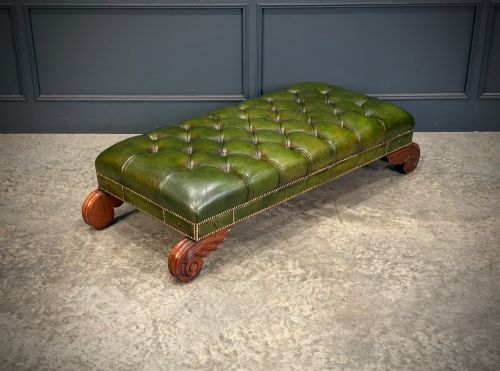
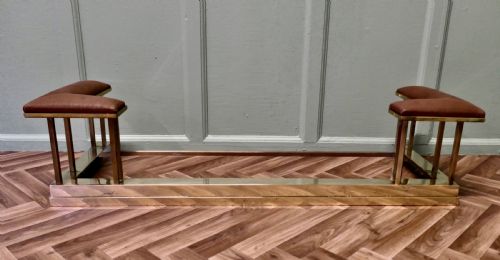
An antique leather bench brings warmth and solid timber framing to a room, most commonly seen here as a brass-framed club fender or a buttoned footstool.
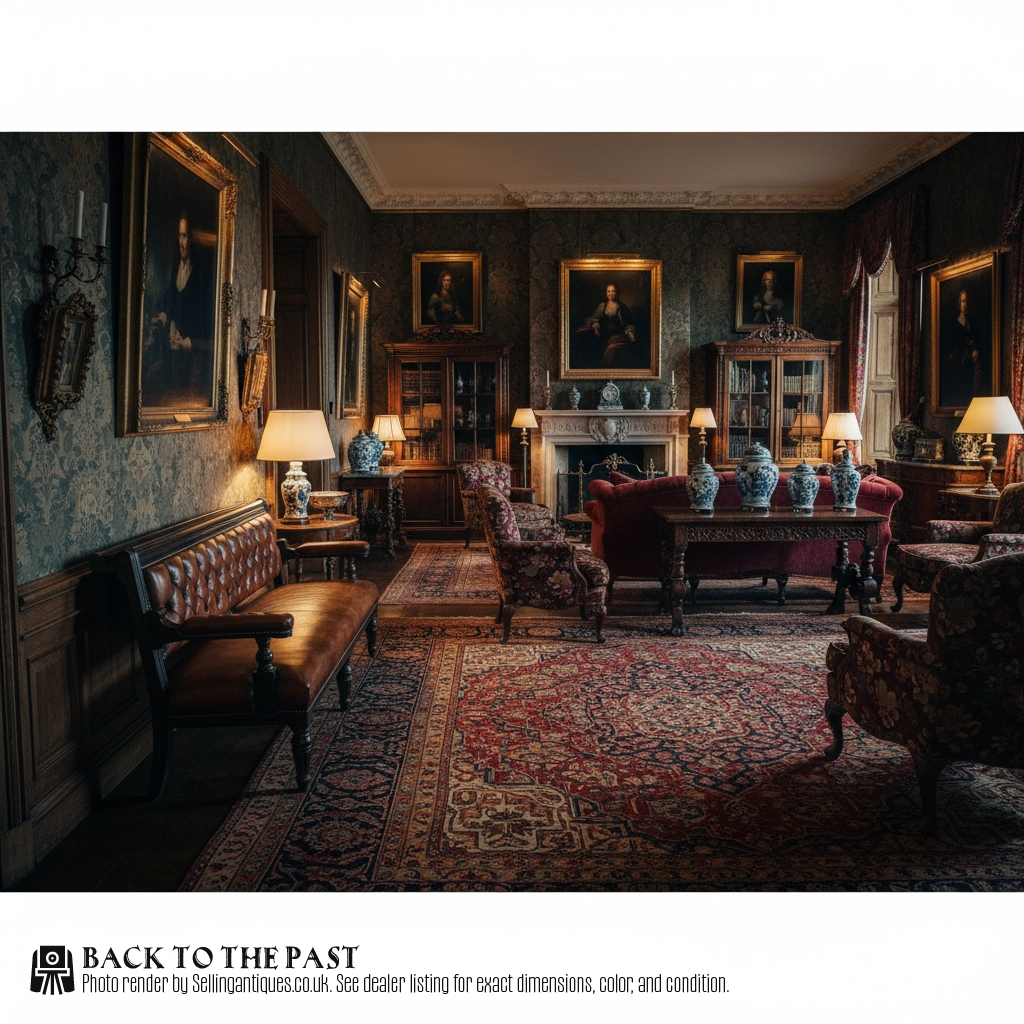
Antique Leather Bench
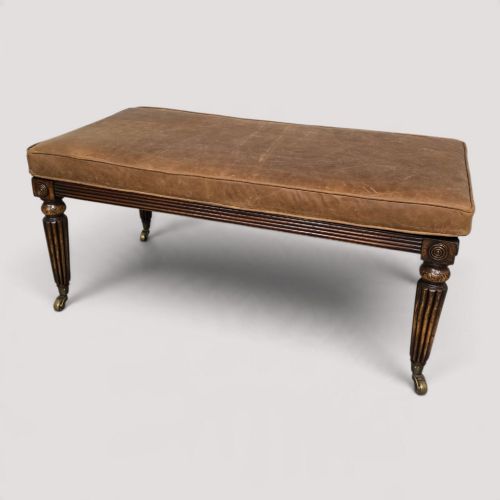
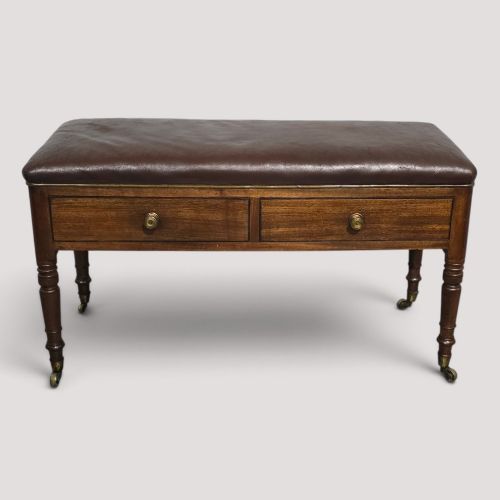
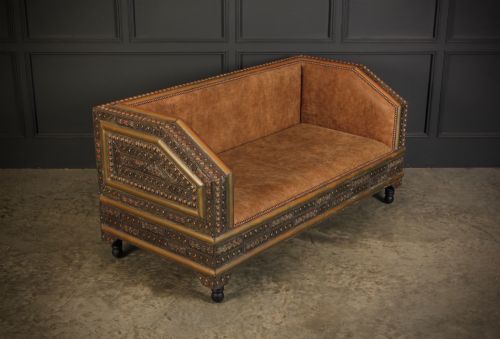
When buyers search for an antique leather bench, they encounter a varied selection of seating forms spanning the nineteenth and early twentieth centuries. These pieces encompass domestic hall seats, long footstools, ottomans, and particularly club fenders designed to sit around a hearth.
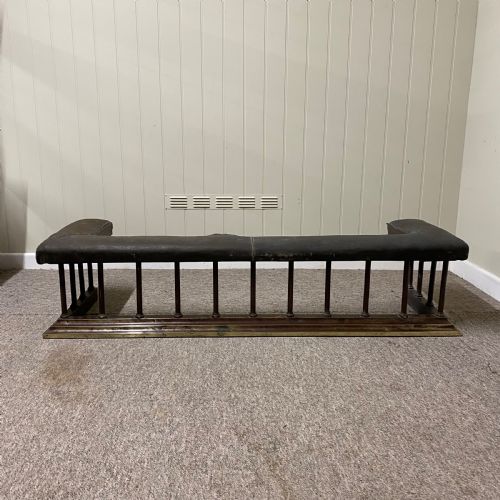
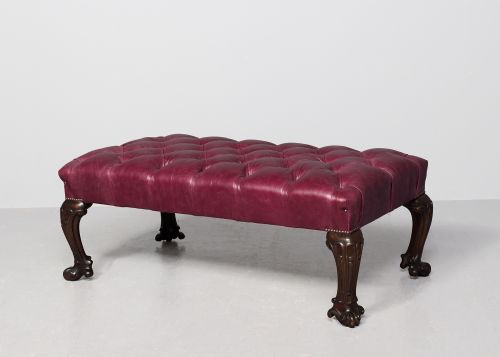
The most prevalent style on this page is the club fender, which combines a sturdy metal or brass base with leather-topped corner seats. Alongside these, traditional footstools and low benches appear in woods such as oak, mahogany, and walnut, often featuring buttoned upholstery.
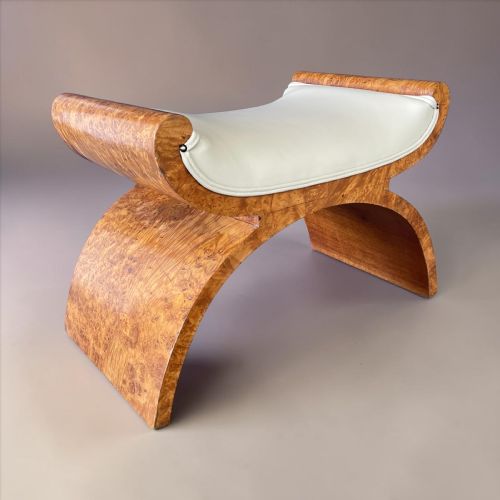
Origins range from English country houses to Irish country seats and French workshops, reflecting diverse domestic requirements from the Victorian and Edwardian eras through to the Art Deco period. Each form serves a distinct domestic purpose, whether placed at the foot of a bed, beside a fireplace, or along a grand hallway.
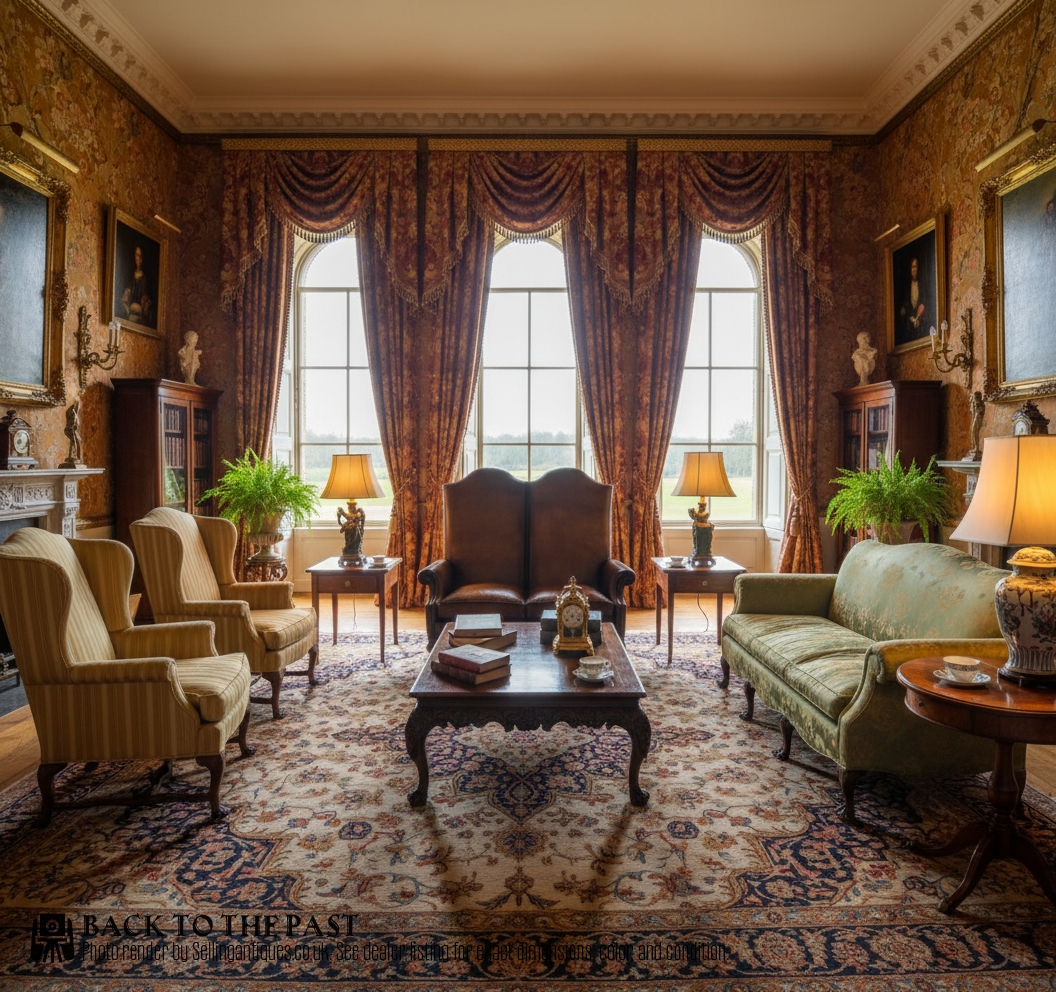
How they were made
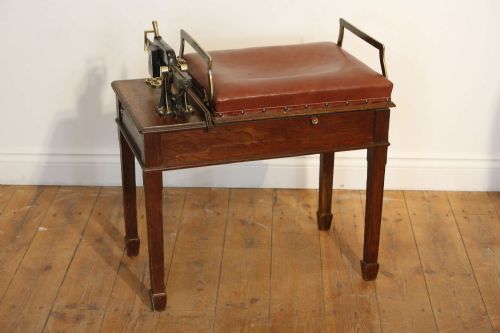
Makers constructed the frames of these benches using dense hardwoods like oak, mahogany, walnut, and exotic timbers such as stinkwood, joined with traditional cabinet-making techniques. Metal versions relied on polished brass, cast steel, and heavy iron, particularly for the robust frames of fireside club fenders.
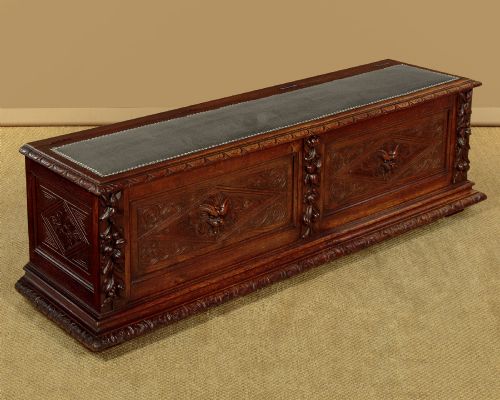
Upholstery depended on durable leathers, frequently hand-dyed in tan, red, green, or cream, and secured with traditional brass studding or deep buttoning. Timber sections often received hand-carved ornamentation, fluted legs, or X-framed supports, demonstrating the joinery standards of their respective periods.
Antique Leather Bench Retail Price Guide 2026
Typical asking prices for leather bench among the pieces listed under this phrase on Sellingantiques today, from the lower quarter to the upper quarter. They describe what is for sale here now, not the wider market.
One robust steel club fender hails directly from the prestigious In & Out Club.
What varies in quality
The distinction between standard examples and the finest pieces lies in the weight of the materials and the crispness of the framing. Substantial cast brass or heavy steel frameworks on club fenders indicate superior construction compared to lighter, later adaptations.
Leather quality and upholstery execution also separate ordinary pieces from exceptional ones, with hand-dyed skins, precise buttoning, and original brass studding elevating the overall finish. Timber elements show similar gradation, where deeply carved oak or figured walnut outperforms plain, utility-grade secondary woods.
Harry and Lou Epstein
The Antique Leather Bench Glossary
- Club Fender
- A low fireside seat built around a hearth, featuring a metal frame and padded leather top rails. These pieces originated in gentlemen's clubs and country houses to provide warm seating close to the fire.
- Buttoned
- An upholstery technique where indentations are pulled into the leather using twine or tufts, creating a diamond pattern. This method keeps the internal padding firmly distributed.
- Ottoman
- A low, fully upholstered seat or footstool without a back or arms, often built on a timber frame. They frequently double as coffee tables or large footrests in reception rooms.
- Settle
- A traditional wooden bench with high backs and arms designed to block draughts in hallways or kitchens. They occasionally incorporate lift-up seats revealing storage boxes underneath.
- X-Framed
- A structural furniture design where intersecting diagonal supports form a cross shape beneath the seat. This ancient geometric form offers notable strength and decorative presence.
Antique Leather Bench: Frequently Asked Questions
What is a club fender?
A club fender is a specialised fireside seat built on a metal frame, usually brass or steel, with upholstered leather cushions along the top rails. It allows people to sit directly around the hearth while keeping the fire contained.
These pieces were staples in large nineteenth and early twentieth-century reception rooms. Their open frames let heat circulate into the room while offering sturdy, comfortable seating.
How do I care for antique leather?
Antique leather requires gentle cleaning and occasional conditioning to maintain its suppleness and prevent the hide from drying out. Avoid harsh chemical cleaners and keep the leather away from direct sunlight and heat sources.
Applying a specialist leather balsam helps preserve the rich patina developed over decades of use. Regular dusting with a soft, dry cloth is usually sufficient for day-to-day maintenance.
Where should I place a long footstool?
Long footstools and ottomans fit well at the end of a bed, beneath a large window, or serving as a central coffee table in a living room. Their low profile ensures they do not block sightlines across a space.
In larger rooms, they provide generous surface area for trays of books or decorative items when not used as seating. Their traditional proportions complement both period and contemporary interiors.
How do I tell Victorian pieces apart from Edwardian ones?
Victorian benches generally feature darker, heavier timbers, deep buttoning, and denser carvings, reflecting a preference for ornate and solid construction. Brass club fenders from this era often display heavier casting and mature patination.
Edwardian pieces tend to show lighter proportions, brighter polished brass, and cleaner lines influenced by changing domestic tastes at the turn of the century. Oak and walnut remain common across both periods, but stylistic ornamentation became more restrained.