


Mahogany Leather Sofa
A mahogany leather sofa combines structural timber warmth with tactile hide upholstery, bringing enduring seating comfort and rich historical presence to any interior.

Mahogany leather sofa forms and periods
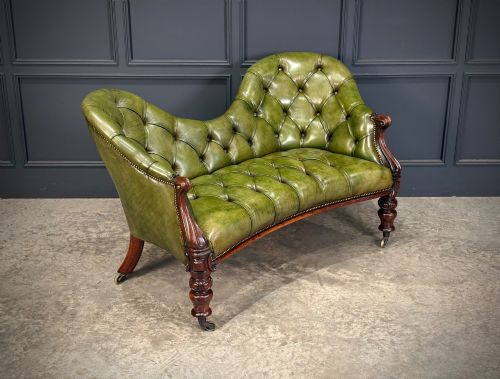
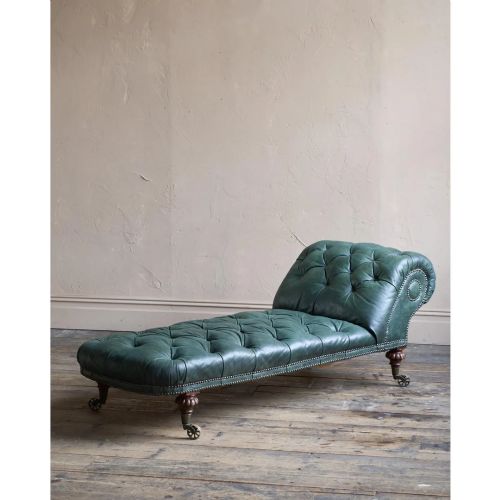
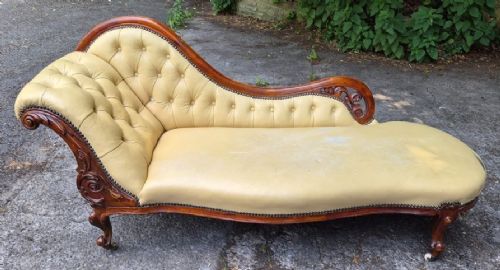
When you search for a mahogany leather sofa, you encounter a range of nineteenth-century seating spanning the Victorian, Regency, and William IV eras. The pieces listed on this page include double-ended couches, scroll end settees, and deep-buttoned Chesterfields that combine hardwood frames with hide upholstery.
Victorian examples dominate the selection, often featuring buttoned green or whisky brown leather alongside serpentine or double spoon-backs. Earlier nineteenth-century pieces tend toward scroll-ended or double-ended couch designs that reflect Regency and William IV influences.
Makers such as Hampton and Sons of Pall Mall and Maple and Co appear in the records, alongside attributions to Gillows of Lancaster. These works demonstrate how cabinet-makers adapted hardwood frames to accommodate upholstered comfort across different decades.
Evaluating quality and finish
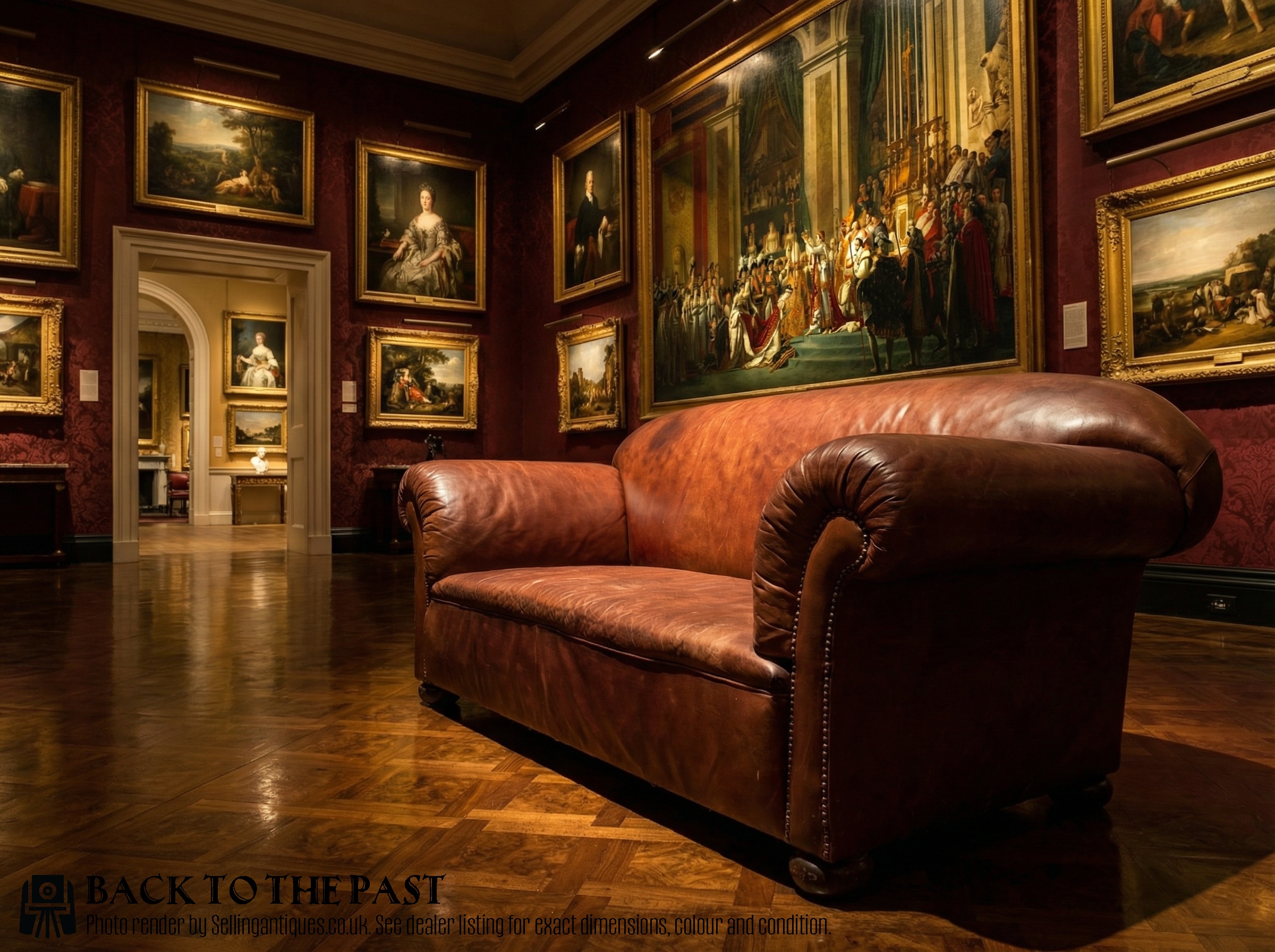
The distinction between standard examples and the finest pieces rests upon the integrity of the mahogany frame and the quality of the leather treatment. Superior items exhibit substantial hardwood timber work with crisp carving on scroll ends and frame rails.
Upholstery finish also dictates worth, where hand-dyed leathers and traditional deep buttoning display careful craftsmanship. Pieces originating from documented workshops carry distinct construction traits that elevate their standing.
Retail Price Guide 2026
Typical UK retail prices for mahogany leather sofa, calculated from the Sellingantiques database of over a million retail prices indexed since 2003. This retail price guide relies exclusively on Sellingantiques data; no external sources or auction records are used, so the figures do not describe the wider market.
The listings combine nineteenth-century periods including Victorian, Regency, and William IV eras with mahogany, hardwood, and brass materials.
Hampton and Sons of Pall Mall·Maple and Co·Gillows of Lancaster·John Taylor and George Smith
The Mahogany Leather Sofa Glossary
- Chesterfield sofa
- A deep-buttoned upholstered couch traditionally featuring arms and back of the same height. This form relies on extensive tufting and leather upholstery.
- Double-ended couch
- A nineteenth-century seating form with matching raised ends rather than a single distinct backrest and head. It functions as a daybed or long settee.
- Spoon-back
- A padded chair or sofa back shaped like the bowl of a spoon, popular during the Victorian period. It provides ergonomic contouring for the sitter.
- Scroll end
- A sweeping, curved wooden or upholstered arm terminal resembling a rolled scroll. It defines the profile of Regency and William IV couches.
- Serpentine
- A furniture front or rail shaped with a curving line that bends inward centrally and outward at the sides. This contour adds visual movement to mahogany frames.
Frequently Asked Questions
What defines a mahogany leather sofa?
A mahogany leather sofa utilises a durable tropical hardwood frame paired with natural hide upholstery. These seating pieces date primarily from the nineteenth century.
Craftsmen combined turned or carved timber structures with buttoned or hand-dyed leather surfaces. The resulting forms range from formal library seating to relaxed club suites.
How do I care for antique leather?
Antique leather requires specialised conditioning to maintain suppleness and prevent cracking over time. Natural hide responds well to traditional balms applied sparingly.
Keep these sofas away from direct sunlight and strong heat sources to preserve the dyed finish. Regular dusting prevents particulate accumulation within the buttoned folds.
Where were these sofas used originally?
These settees occupied prominent spaces within nineteenth-century country houses, town residences, and institutional libraries. Owners valued them for both formal reception rooms and private studies.
Their robust timber frames and durable hide surfaces suited daily domestic use. They provided comfortable seating for reading, resting, and entertaining guests.
How do I distinguish Regency from Victorian examples?
Regency and William IV pieces often display architectural scroll ends and linear mahogany frames reminiscent of classical antiquity. Cabinet-makers focused on clean architectural proportions during these earlier decades.
Victorian examples frequently introduce more exuberant curves, serpentine rails, and deep buttoning. Spoon-backs and heavy tufting become characteristic of the later nineteenth-century aesthetic.