
Victorian Mahogany Sofa
A victorian mahogany sofa brings nineteenth-century presence into a room through deep wood frames and generous upholstery.

Victorian Mahogany Sofa
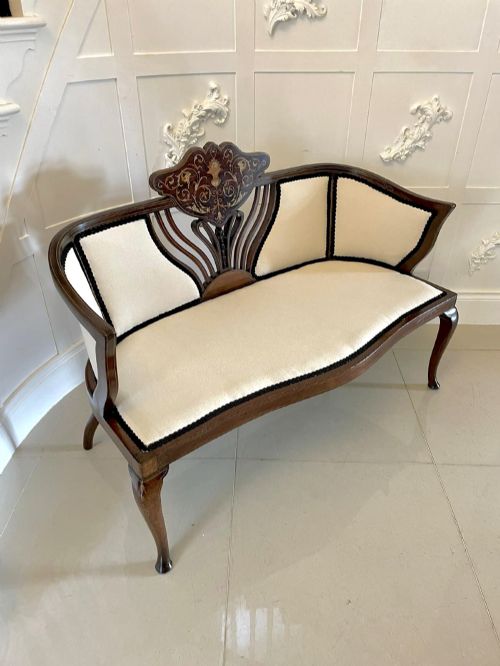
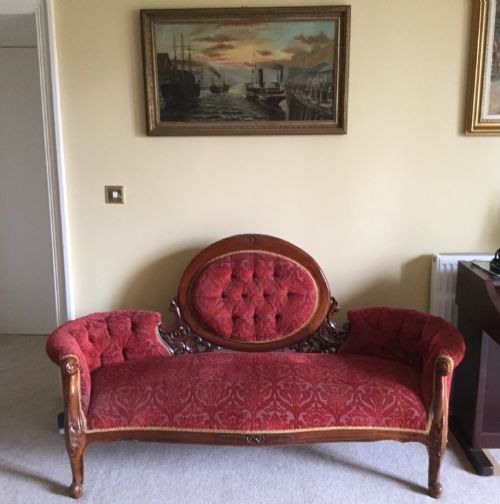
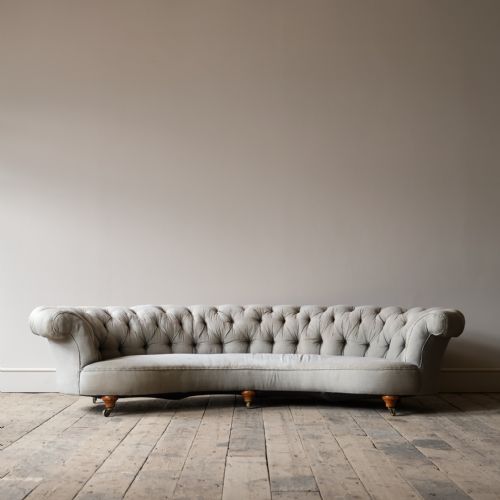
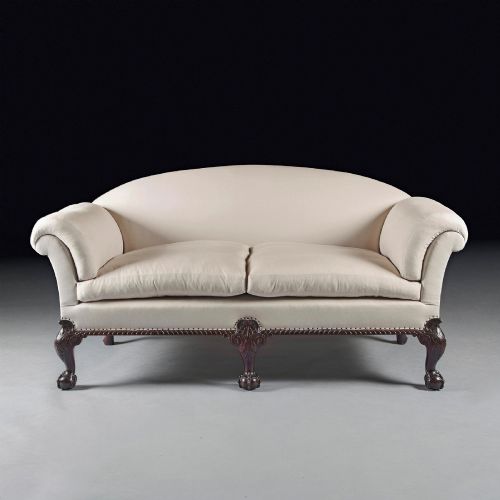
When you search for a victorian mahogany sofa, you encounter a range of heavy timber frames built during the nineteenth century. These forms vary from double-ended settees and show-framed couches to sprawling country house Chesterfields.
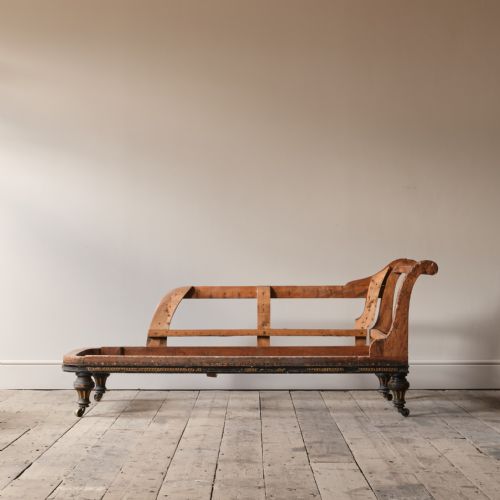
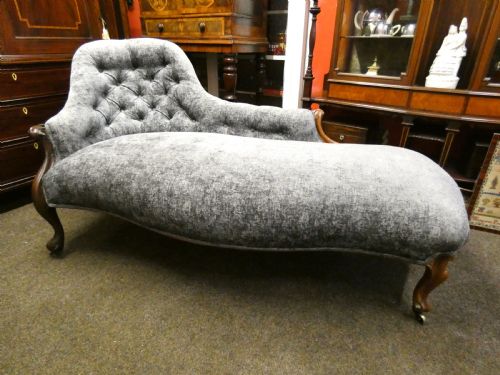
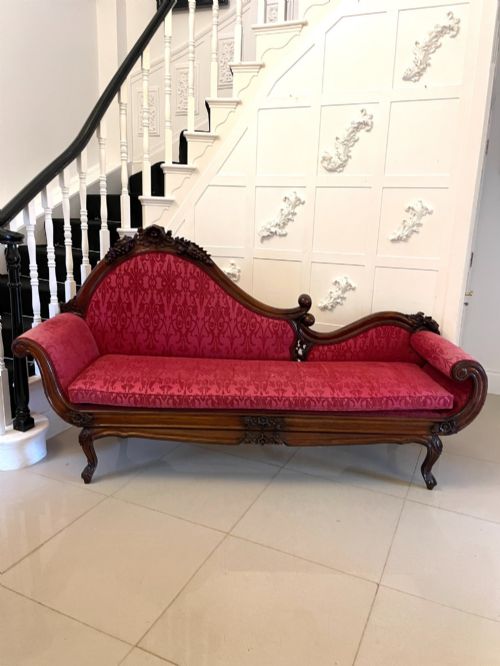
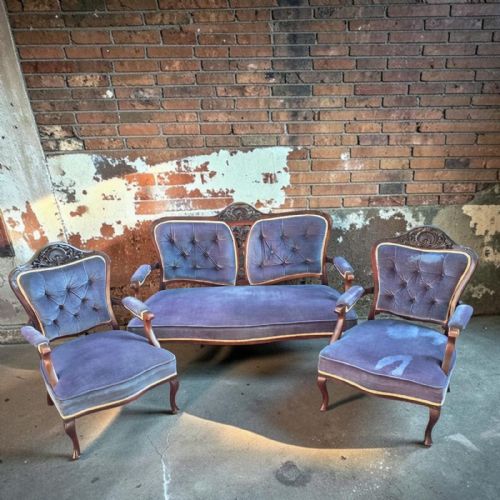
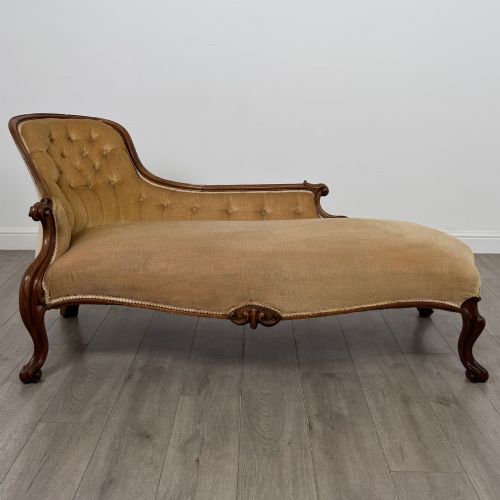
Chaise longues and low-backed salon suites also appear frequently alongside traditional two-seaters and deep buttoned designs. The woodwork usually displays rich grain patterns beneath dark polished finishes.
Many examples retain sprung bases and low turned legs, occasionally featuring brass castors or inlaid details from the later decades of the period.
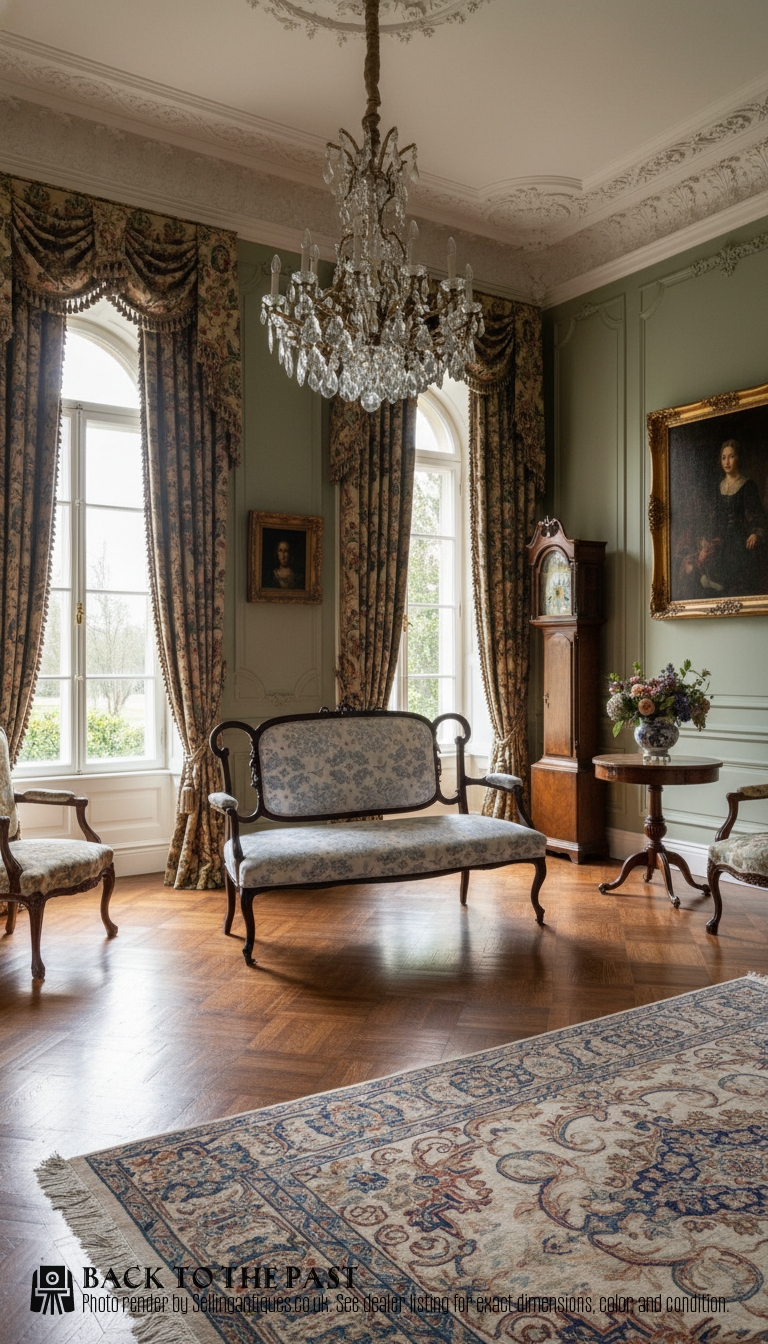
Materials and construction
Makers built the structural frames from dense solid mahogany, supporting the weight of the timber with robust internal joinery. Show wood sections received careful carving, fluting, or hand-polishing to highlight the natural figure of the wood.
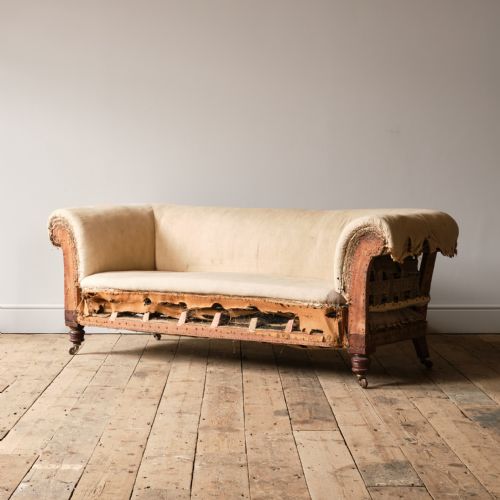
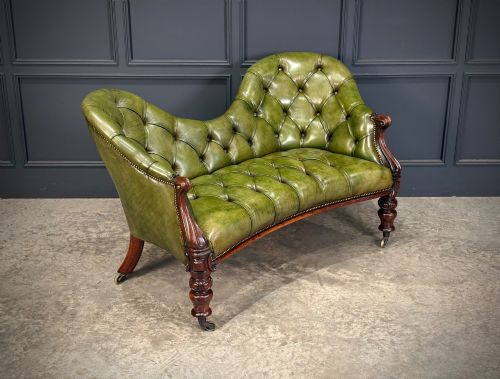
Traditional upholstery techniques utilised hessian webbing, steel springs, and stuffing layers of horsehair or wool, finished with calico before applying top covers of damask, velvet, or leather.
Victorian Mahogany Sofa Retail Price Guide 2026
Typical asking prices for victorian mahogany sofa among the pieces listed under this phrase on Sellingantiques today, from the lower quarter to the upper quarter. They describe what is for sale here now, not the wider market.
Recorded periods span the nineteenth century, encompassing William IV, Regency style, Aesthetic Movement, and later Victorian salon suites.
Assessing craftsmanship
The distinction between ordinary seating and exceptional pieces rests in the depth of the timber carving and the architectural integrity of the frame. Superior examples display crisp hand-carved details, robust show wood mouldings, and well-balanced proportions.
Internal upholstery standards also dictate quality, as pieces built with original sprung bases and traditional stuffing maintain their intended comfort and structural support far better over time.
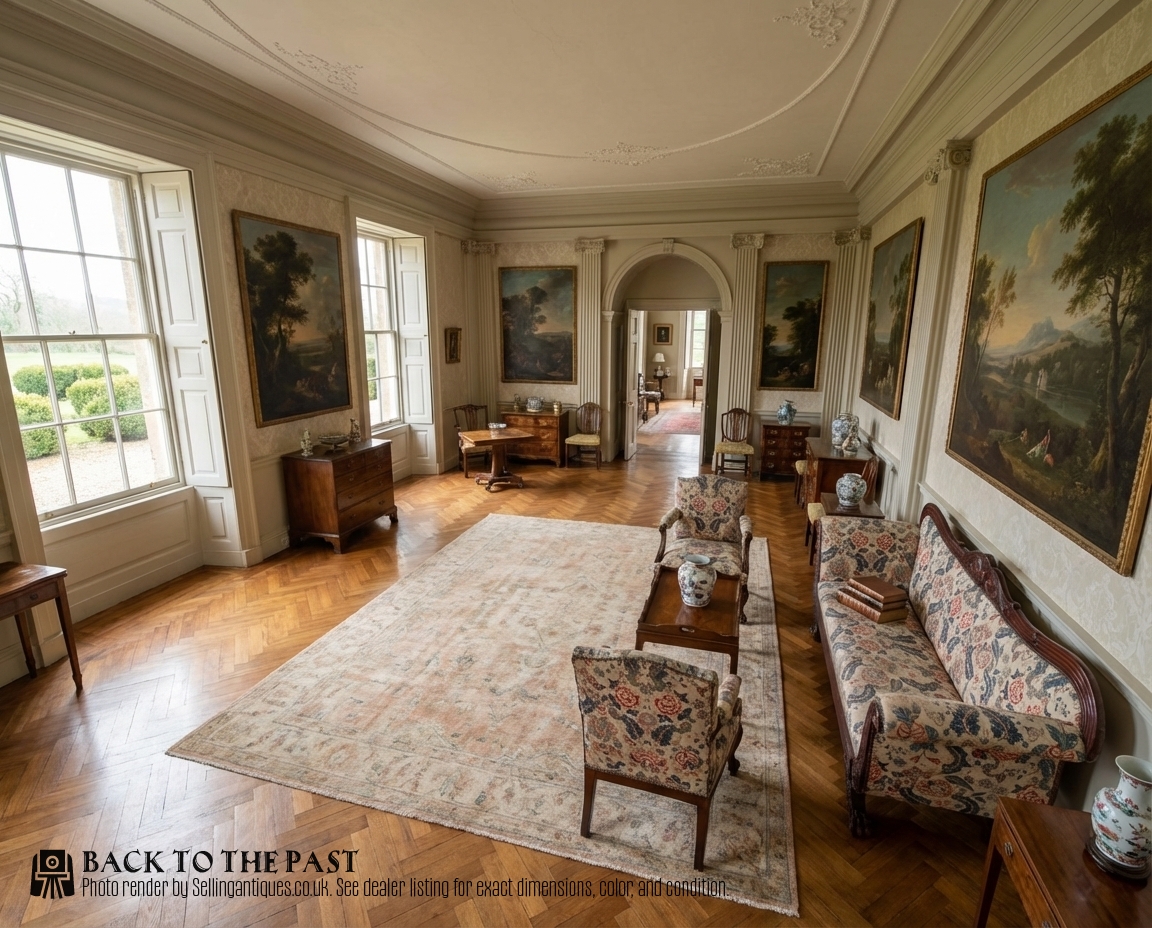
Holland & Sons·Howard & Sons·C. Hindley & Sons
The Victorian Mahogany Sofa Glossary
- Chaise Longue
- An upholstered long chair or day bed designed for reclining, typically featuring a single raised end and an open side.
- Chesterfield
- A deep-buttoned upholstered sofa featuring rolled arms of the same height as the backrest.
- Show Wood
- Exposed timber elements of a furniture frame left visible around the upholstered sections to display the polished grain and carving.
- Double Ended Sofa
- A couch design featuring symmetrical high rolled ends at both sides, allowing a person to recline comfortably facing either direction.
- Settee
- A small upholstered bench or sofa with a back and arms, built to seat two or more people.
Victorian Mahogany Sofa: Frequently Asked Questions
How do I choose the right size for a room?
Consider the length of the wooden frame and the projection of the rolled arms or chaise ends before placing the piece in your space. Larger country house designs require substantial clearance to sit comfortably without dominating the room.
Shorter show-framed settees and chaise longues offer a lighter visual footprint while retaining the same dense nineteenth-century timber presence.
Were these sofas originally upholstered in leather?
Victorian seating appeared in a wide variety of coverings depending on the intended room and social status of the household. Fabric options included damask, velvet, brocade, and wool, whilst leather frequently suited libraries and studies.
Many surviving pieces have undergone re-upholstery over the decades using contemporary textiles while retaining their underlying period frames.
How do I care for nineteenth century mahogany timber?
Maintain the polished mahogany surfaces by dusting gently with a dry, soft cloth and avoiding excessive moisture or direct sunlight. Periodic application of quality beeswax helps nourish the grain without building up heavy chemical residue.
Keep the furniture away from direct heat sources to prevent the solid timber from drying out or splitting over time.