

Carved Timber Armchair
A carved timber armchair brings history and function together, offering substantial seating shaped from oak, mahogany, walnut, and exotic hardwoods across multiple centuries.
Carved Timber Armchair
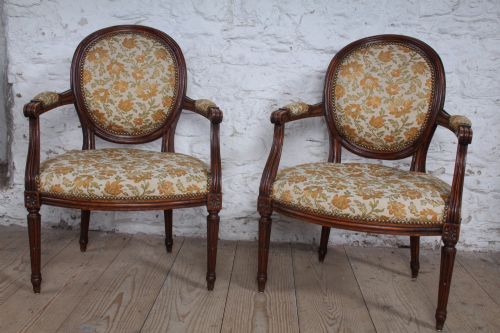
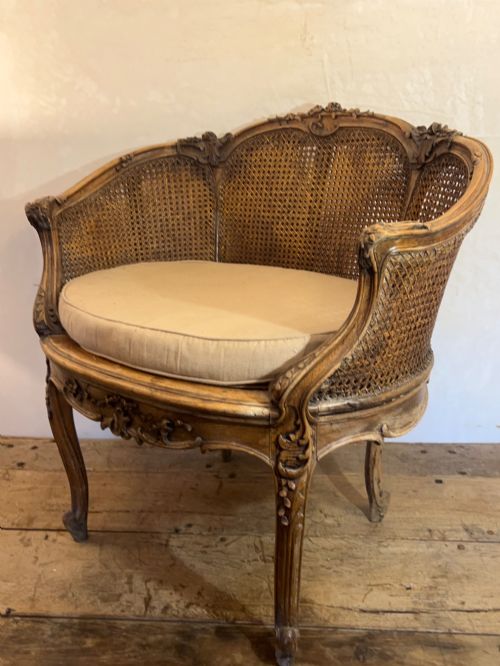
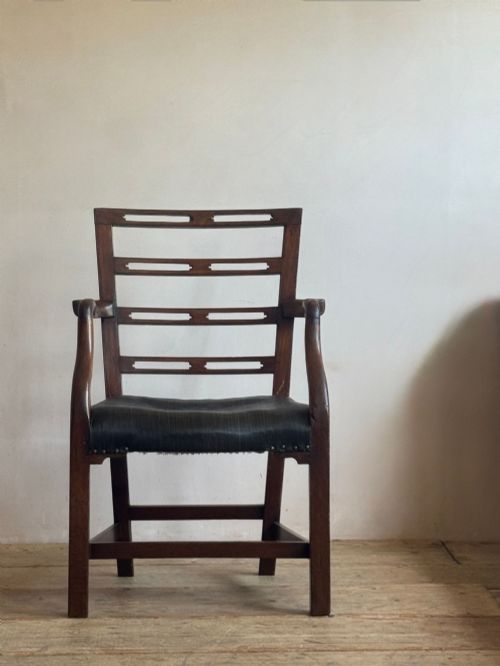
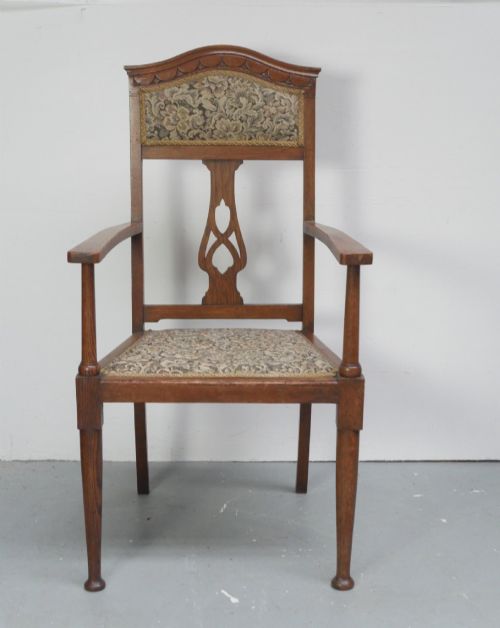
A carved timber armchair represents a diverse gathering of seating forms spanning the eighteenth, nineteenth, and early twentieth centuries. When searching for a carved timber armchair, buyers encounter regional English vernacular designs alongside continental European interpretations and colonial workshops.
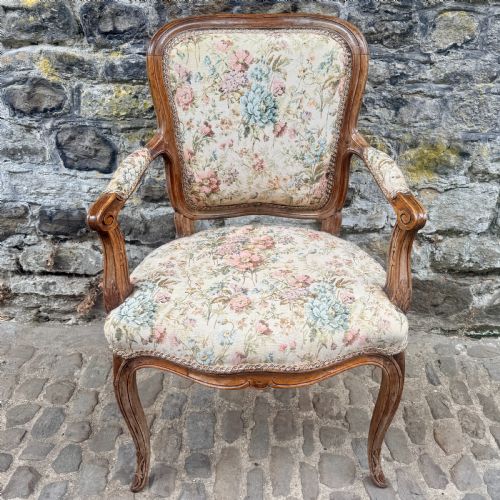
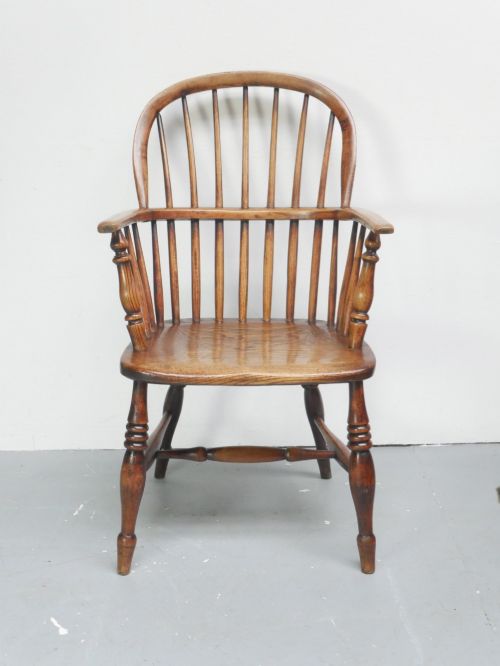
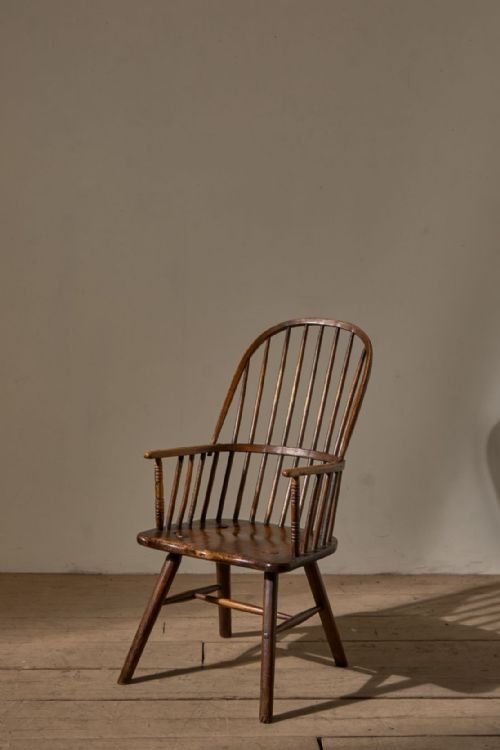
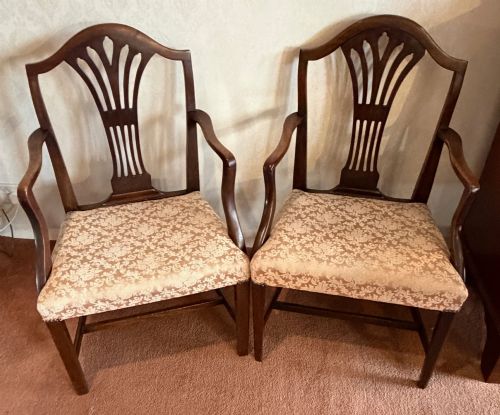
The selection ranges from robust oak wainscot chairs and Windsor forms in ash, elm, and beech to formal walnut and mahogany seating styled after Georgian, Louis XV, and Louis XVI periods. Parlour suites, bedroom chairs, and gentleman's chairs demonstrate the wide domestic utility expected from these wooden frames.
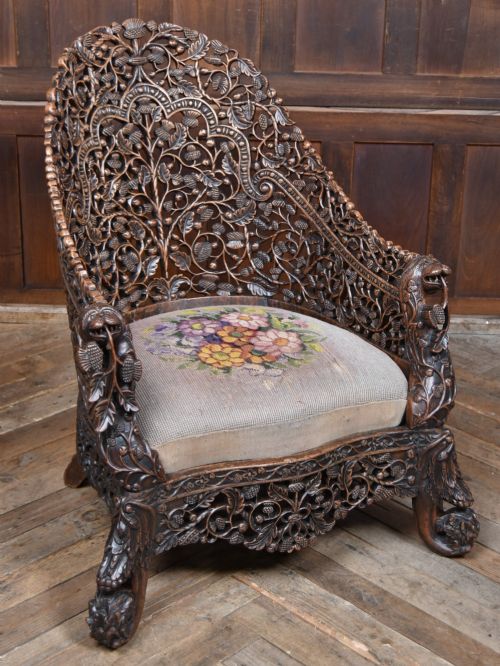
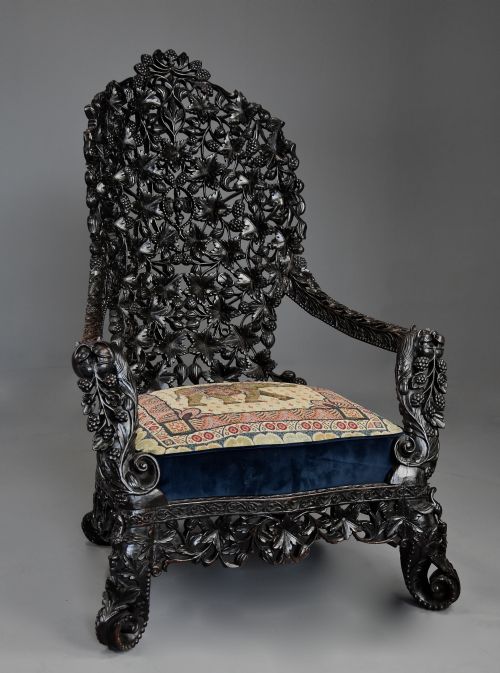
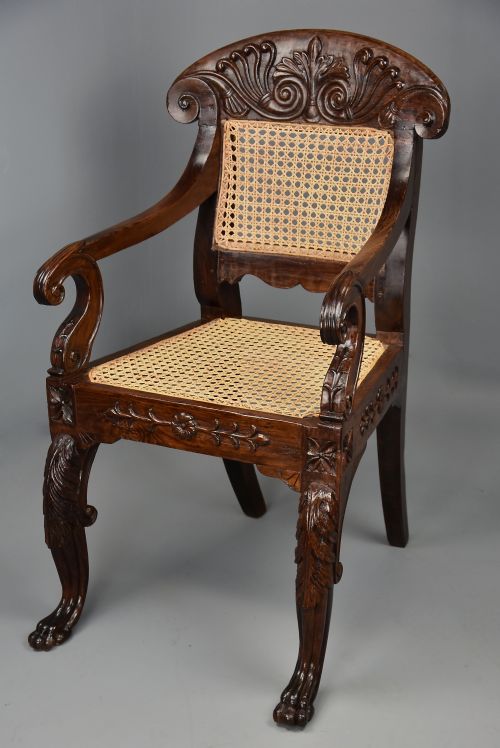
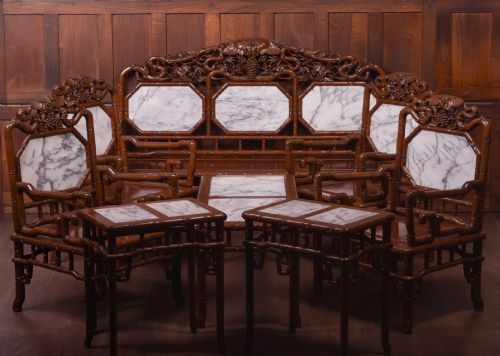
Global influences appear frequently within this grouping, featuring Chinese export hardwoods, Burmese thistle designs, Anglo-Indian padouk constructions, and Philippine ceremonial seating. Buyers most commonly meet nineteenth-century examples utilising traditional joinery and detailed hand-carved ornamentation.
How they were made
Constructed primarily from solid timbers such as oak, mahogany, walnut, elm, ash, and blackwood, these armchairs rely on traditional joinery methods appropriate to their period and regional origin. Carvers utilised chisels and gouges directly into the dense wood to produce intricate foliage, scrolling motifs, and figurative details.
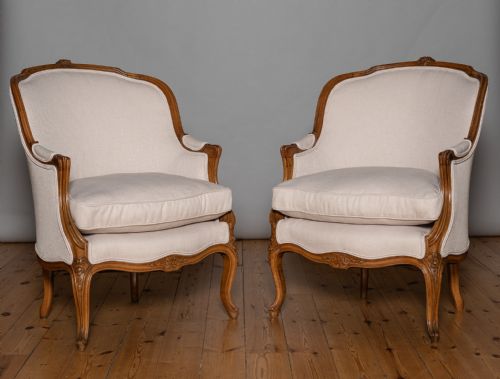
Upholstered variants incorporate supportive internal webbing, horsehair stuffing, and textile coverings secured with brass tacks. Structural integrity depends upon pegged mortise and tenon joints, steam-bent components found in hoop backs, and turned elements shaping spindles and legs.
Carved Timber Armchair Retail Price Guide 2026
Typical asking prices for carved timber armchair among the pieces listed under this phrase on Sellingantiques today, from the lower quarter to the upper quarter. They describe what is for sale here now, not the wider market.
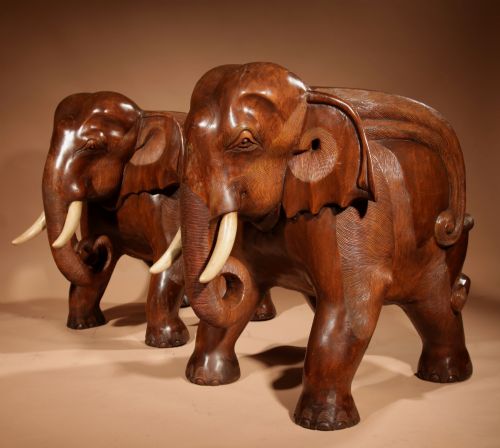
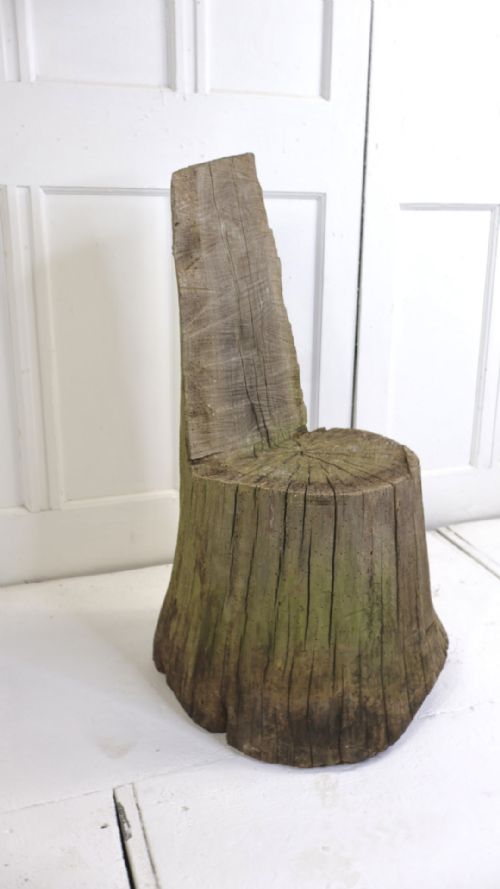
Among the seating are apprentice pieces and giant throne chairs from the Philippines, proving that timber armchairs come in unexpected proportions.
What varies in quality
The standard of a carved timber armchair rests upon the crispness of the hand-carved detail and the selection of dense, well-figured timber. Superior examples display deep, three-dimensional carving where motifs remain sharp and proportionate to the overall scale of the frame.
Construction choices further distinguish the tier of a piece, separating utilitarian vernacular seating from ambitious workshop productions. Original surfaces, patination earned through age, and intact structural joinery elevate the standing of any timber armchair.
White, Allom And Co
The Carved Timber Armchair Glossary
- Wainscot chair
- A heavy wooden armchair of seventeenth-century derivation, constructed with panelled backs and solid timber seats. These sturdy forms predate softer upholstered parlour seating.
- Windsor chair
- A chair built with a solid wooden seat into which the legs and back spindles are wedged directly. Regional variations include hoop backs and comb backs in elm, ash, and beech.
- Padouk
- A heavy, durable tropical hardwood displaying a reddish-brown colouration, utilised frequently in Anglo-Indian furniture production. It accepts detailed hand carving with exceptional clarity.
- Bergere
- An enclosed upholstered armchair with exposed wooden frames and woven cane panels forming the sides and back. Originating in France, these pieces often pair with loose seat cushions.
- Fauteuil
- An open-armed French upholstered armchair featuring an exposed wooden show frame. The armrests typically include padded elbow rests supported by carved uprights.
Carved Timber Armchair: Frequently Asked Questions
How do I date a wooden armchair?
Dating relies upon examining the timber species, joinery techniques, and stylistic motifs present in the construction. Tool marks and construction methods often reveal the period of manufacture.
Comparison with documented regional examples helps narrow the decade or century of origin. Secondary woods used in internal framing also provide reliable clues to the manufacturing date.
Were these armchairs used at dining tables?
Armchairs served various domestic functions depending on their form, from dining and hall use to parlour and bedroom placement. Heavy wainscot and Windsor types often stood in halls or kitchens.
Formal carved mahogany and walnut armchairs were placed in parlours, drawing rooms, or paired with dining suites. Smaller bedroom chairs offered comfortable seating in private chambers.
What woods were used in these chairs?
Furniture makers utilised native timbers such as oak, mahogany, walnut, elm, beech, and ash for domestic production. These woods provided the necessary strength for weight-bearing legs and arm supports.
Exotic materials including blackwood, padouk, and various imported hardwoods appear in pieces created through global trade and colonial workshops. Secondary woods often remained hidden inside the frame construction.
How should I care for timber frames?
Maintaining wooden armchairs involves keeping them away from direct heat sources and dramatic humidity fluctuations. Gentle cleaning with a soft cloth preserves the historic surface patination.
Avoiding harsh chemical polishes protects the original finish and the underlying timber. Periodic application of suitable microcrystalline wax helps nourish older wooden surfaces.