


Heavy Oak Armchair
A heavy oak armchair is a substantial seat built to last generations, offering robust joinery and deep historical character.
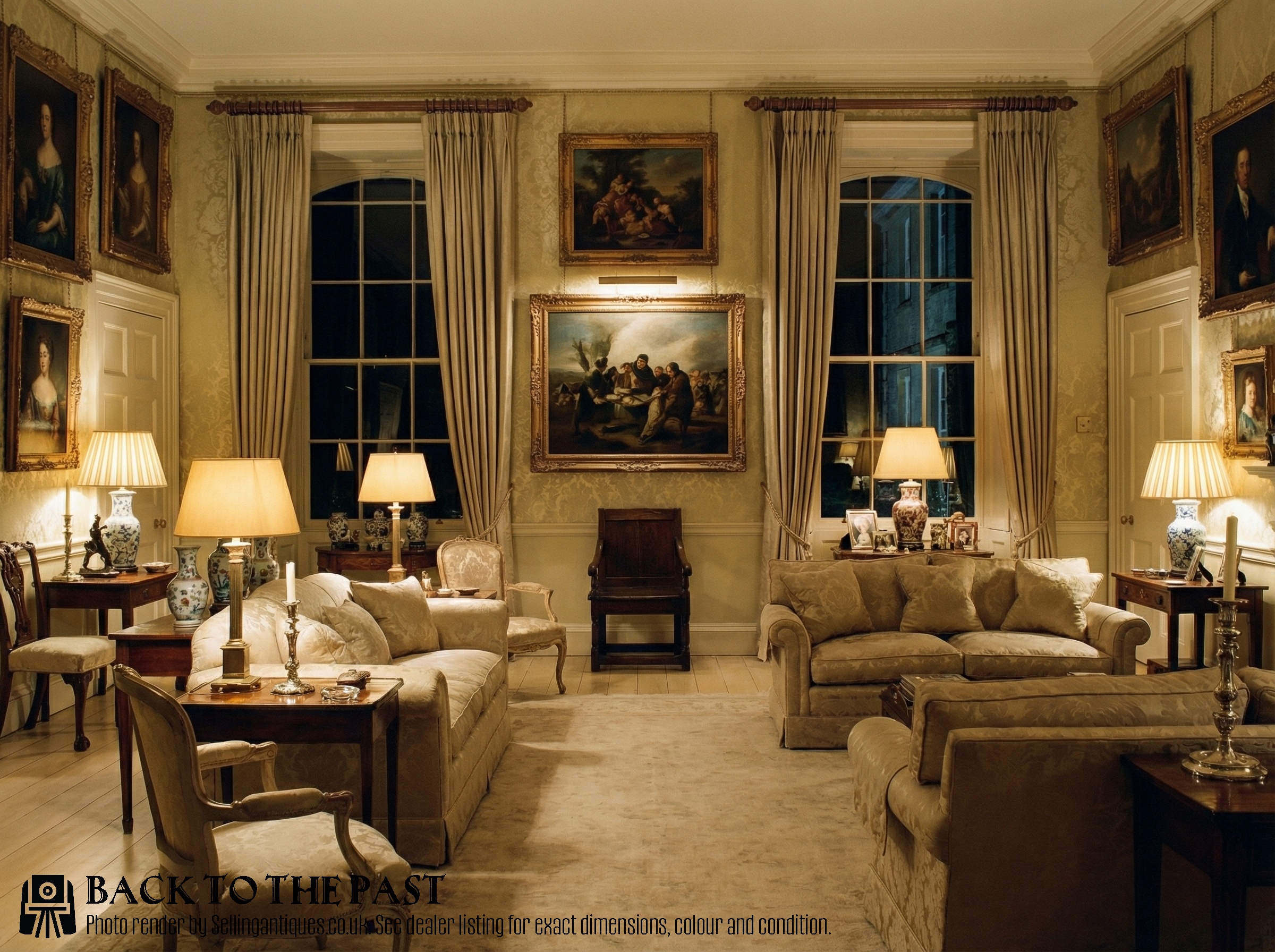
What a heavy oak armchair is
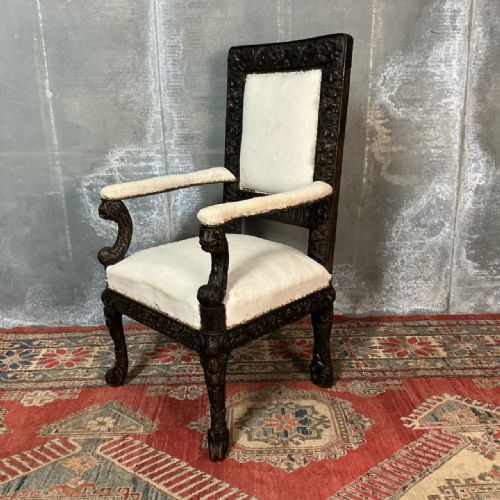
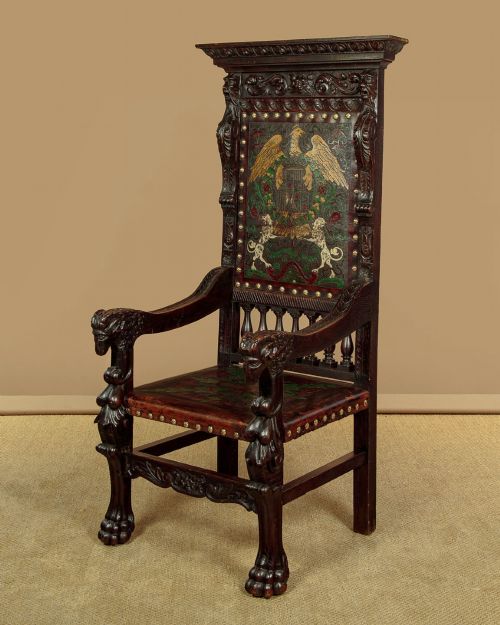
When buyers search for a heavy oak armchair, they encounter solid timber seating that spans multiple centuries and distinct revivals. The listings here showcase everything from early vernacular regional pieces to later revival iterations.
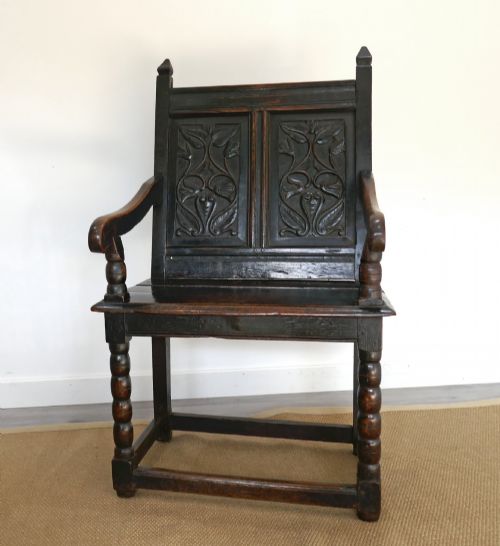
The most common forms on this page include the traditional wainscot chair, alongside Scottish morning room elbow chairs and generous Welsh examples. These designs emphasise high backs, solid panel arms, and sturdy proportions.
Origins stretch from the seventeenth century through the Victorian era and Edwardian periods up to the nineteen-twenties. Each piece demonstrates the enduring appeal of heavy timber construction in domestic interiors.
What varies in quality
Quality rests in the integrity of the timber and the crispness of the hand-carved ornamentation. Early seventeenth-century wainscot examples show deep patination and honest construction compared to later revival pieces.
Proportion and structural solidity define the upper tier of these armchairs. Weight alone does not determine merit; the balance of the design and the preservation of original surfaces dictate the true standard.
Retail Price Guide 2026
Typical UK retail prices for heavy oak armchair, calculated from the Sellingantiques database of over a million retail prices indexed since 2003. This retail price guide relies exclusively on Sellingantiques data; no external sources or auction records are used, so the figures do not describe the wider market.
Listings on this site feature oak, leather, velvet, and brass across pieces dated from the seventeenth century to nineteen-twenty.
The Heavy Oak Armchair Glossary
- Wainscot chair
- A heavy wooden armchair with a paneled back, originating in the sixteenth and seventeenth centuries. These are constructed entirely from solid timber.
- Elbow chair
- An alternative term for an armchair, often used for nineteenth-century Scottish and vernacular seating. They provide generous armrests for domestic comfort.
- Jacobean revival
- A nineteenth-century style imitating the heavy, carved oak furniture of the early seventeenth century. Makers utilised this aesthetic during the Victorian era.
- Vernacular
- Furniture made by local craftsmen using regional traditions rather than following metropolitan high-style fashions. These pieces often display unique structural characteristics.
Frequently Asked Questions
How do I date a heavy oak armchair?
Dating relies on examining the construction methods, tool marks, and timber patination. Early pieces feature pegged joints and hand-split boards.
Later revival items from the Victorian period or nineteen-twenties often display machine-sawn timber and softer carving styles.
Where were wainscot chairs used?
Original wainscot chairs served as important seats of authority in seventeenth-century households. Only the head of the house or esteemed guests occupied them.
By the nineteenth century, similar heavy chairs moved into morning rooms and libraries for daily seating.
Are these chairs comfortable for daily use?
Many early wooden examples feature upright timber backs designed for posture rather than lounging. Adding a loose cushion provides extra comfort.
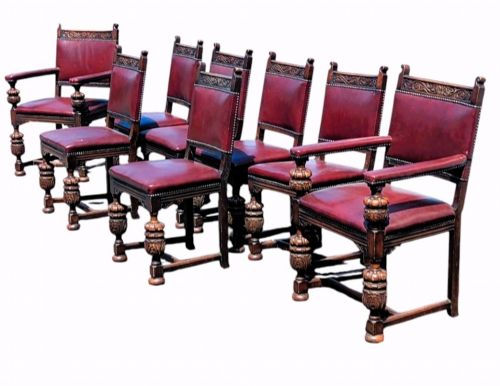
Upholstered versions with leather and brass studs offer a softer sit while maintaining a solid wooden structure.
How do I care for antique oak?
Maintain the timber by applying a traditional beeswax polish to nourish the surface. Avoid placing the chair near direct heat sources.
Keep humidity levels stable to prevent the solid oak panels from splitting or warping over time.