

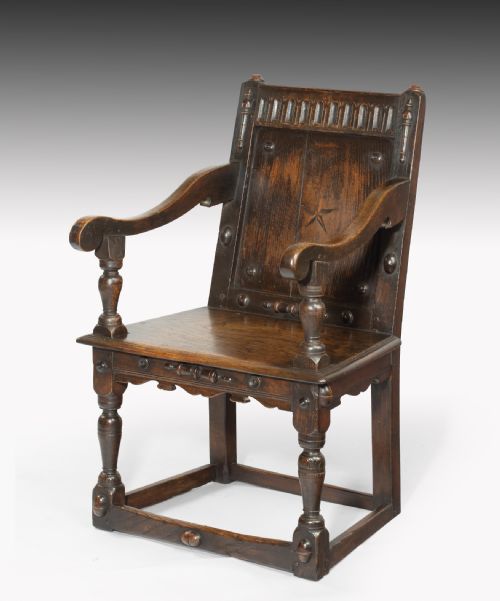
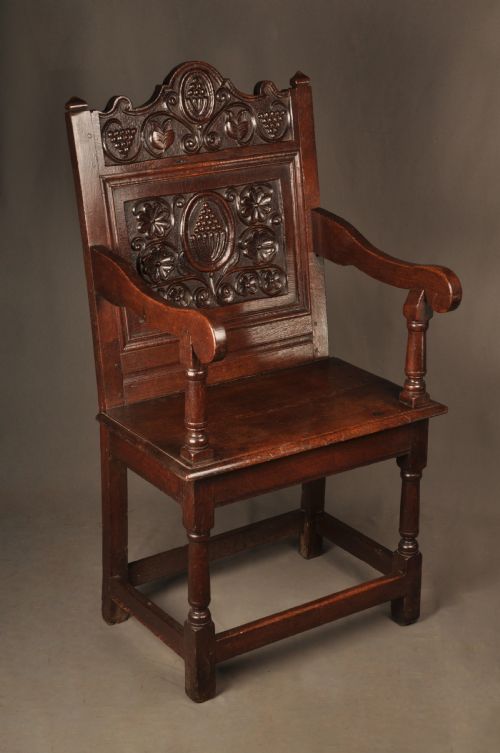
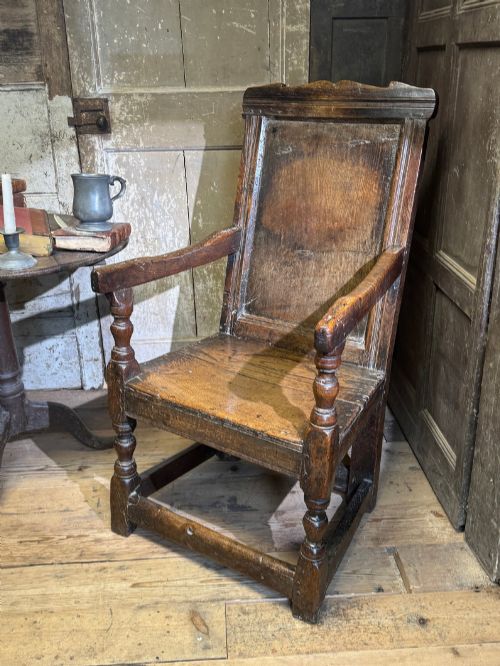
Carved Panel Armchair
A carved panel armchair offers solid timber construction and rich historical detail, drawing collectors who appreciate early vernacular seating.
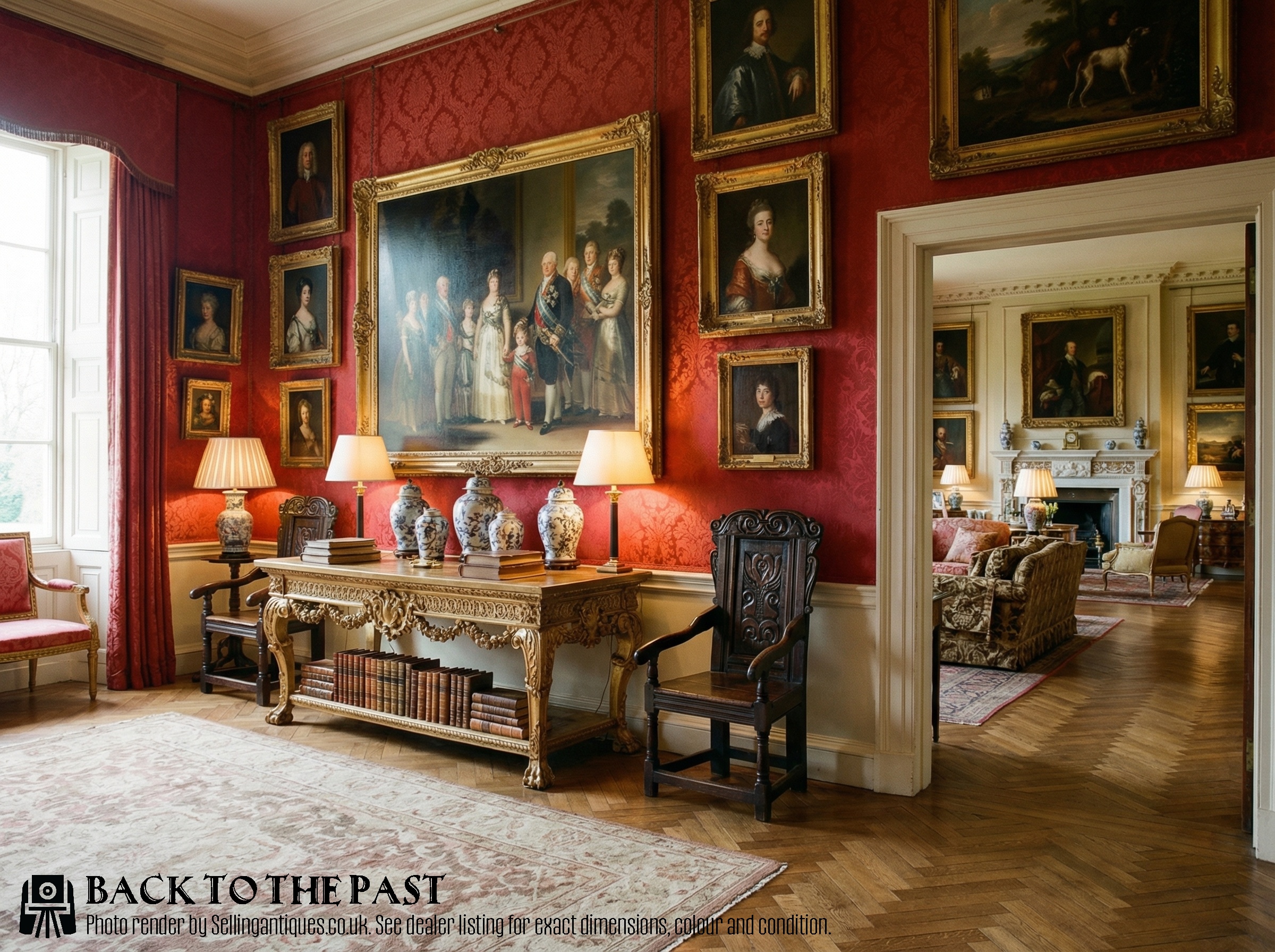
Carved Panel Armchair
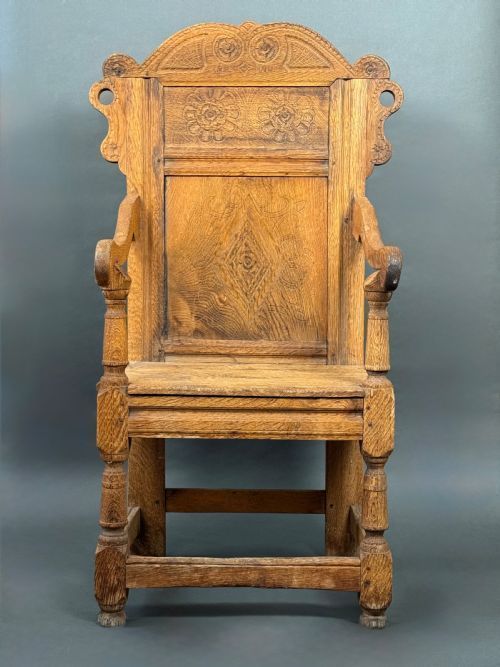
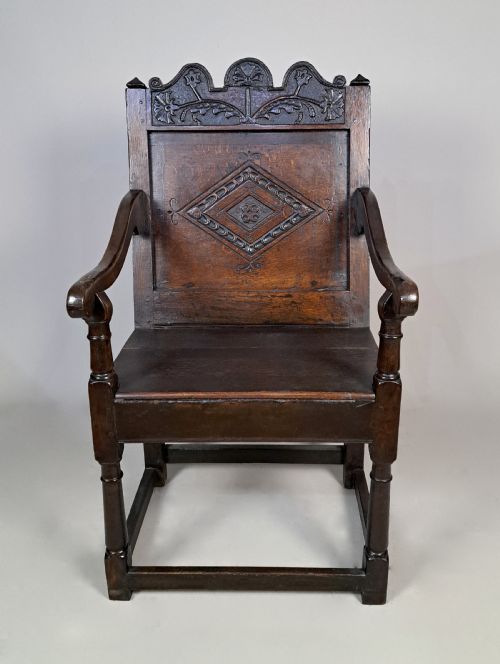
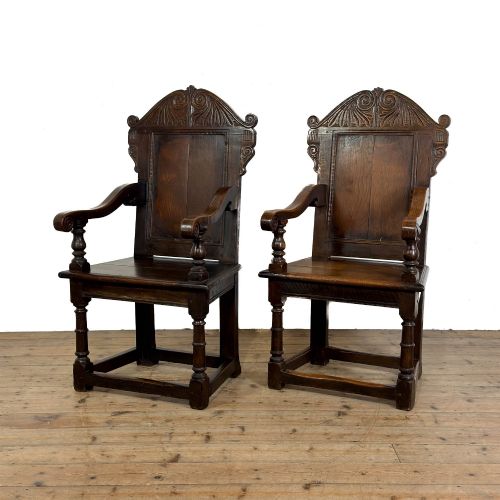
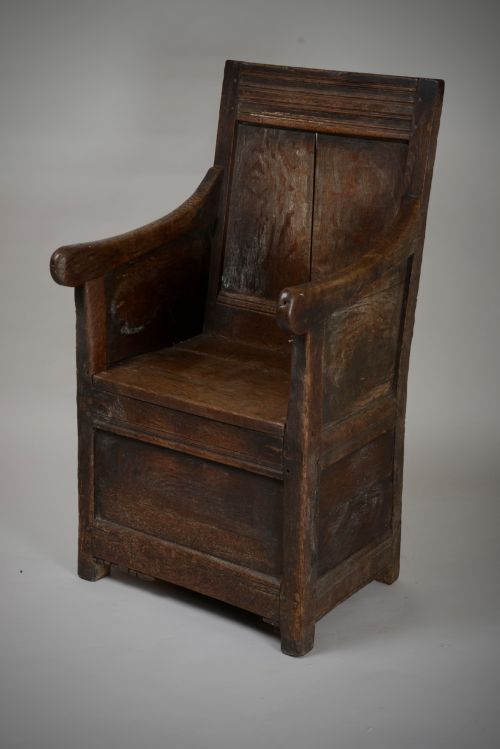
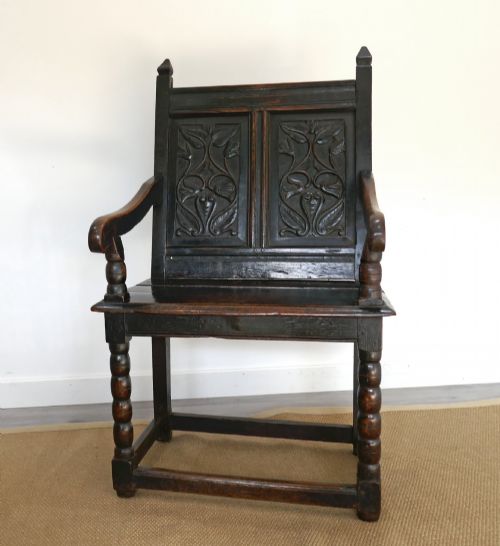
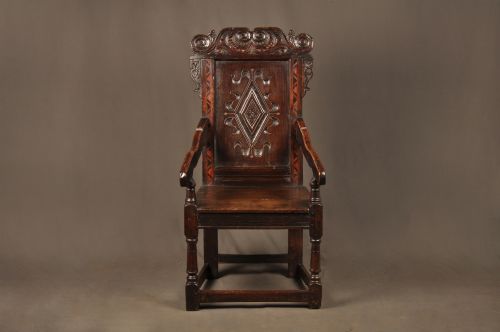
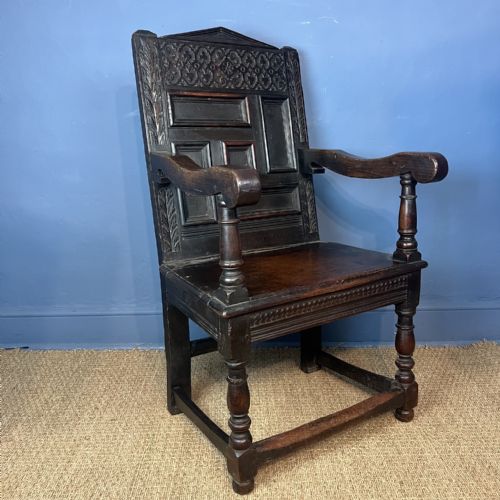
A carved panel armchair represents a traditional form of seating built around a rigid wooden back panel, often termed a wainscot chair. These robust seats frequently originate from the seventeenth and eighteenth centuries, constructed primarily in regional English workshops from Yorkshire to Lancashire.
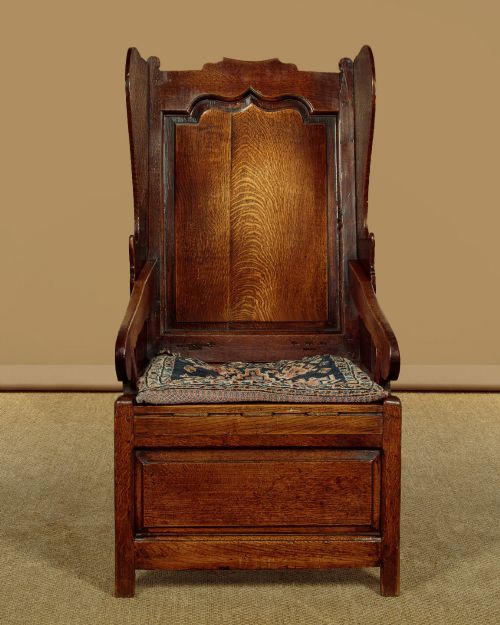
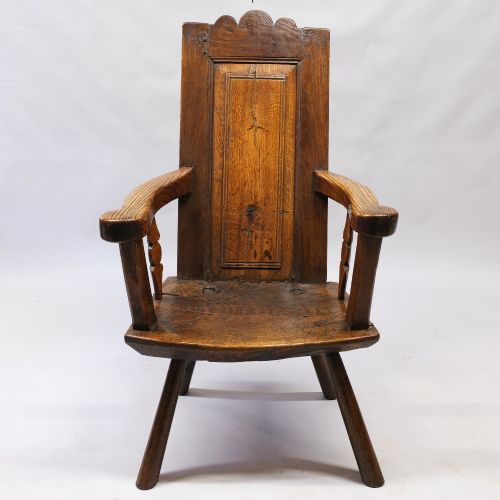
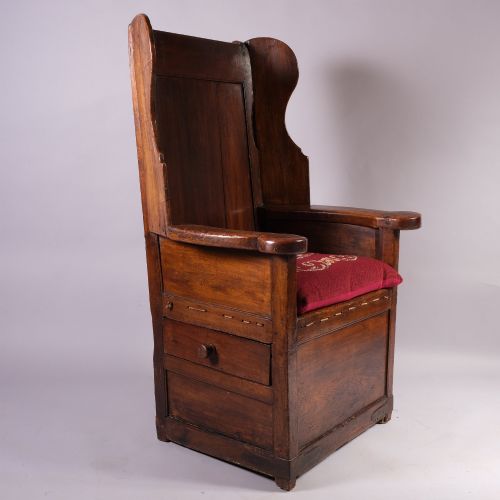
Buyers encounter numerous examples from later revival periods, such as the nineteenth century, when makers copied seventeenth-century Jacobean styles. Variants range from substantial master chairs to regional lambing chairs and smaller panel-backed forms.
Materials and construction methods
Cabinet makers relied heavily on native oak, supplemented by walnut, elm, and miscellaneous hardwoods, joined using traditional pegged mortise and tenon frames. Solid panels formed the backrests, which provided a flat surface for intricate chisel carving.
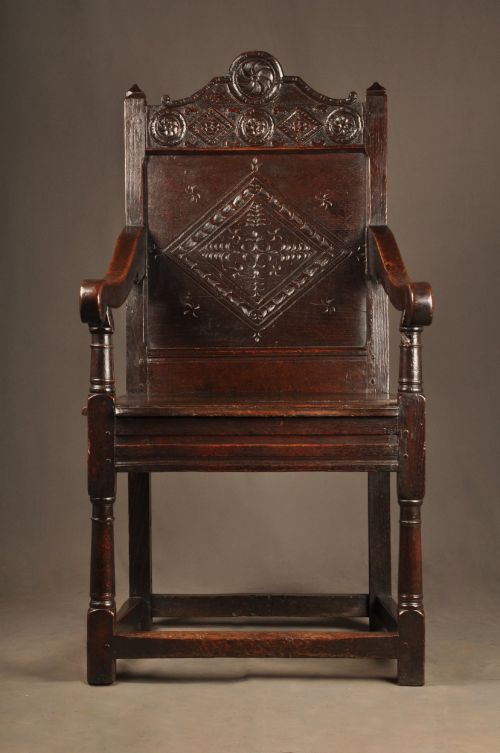
Surface ornamentation often included relief patterns, strapwork, and chip carving directly into the timber. Upholstery remained minimal or absent on early regional pieces, though later French and continental examples introduced fabric, leather, and needlepoint panels.
Carved Panel Armchair Retail Price Guide 2026
Typical asking prices for carved panel armchair among the pieces listed under this phrase on Sellingantiques today, from the lower quarter to the upper quarter. They describe what is for sale here now, not the wider market.
Some chairs are small enough to suggest they were built for children or perhaps miniature display models.
Distinctions in quality and survival
Quality rests in the crispness of the original carved details and the survival of early timber surfaces without excessive modern intervention. Heavy repairs, replaced panels, and extensive timber replacement diminish historical integrity.
Proportion and structural honesty separate ordinary pieces from superior examples. Master chairs exhibit confident joinery and deep relief carving, whereas derivative revival items often display flat tooling and mechanical precision.
Liberty and Co
The Carved Panel Armchair Glossary
- Wainscot
- A term originally describing fine oak panelling that became applied to heavy wooden armchairs featuring solid panel backs. These chairs represent some of the earliest domestic seating preserved in domestic interiors.
- Mortise and tenon
- A fundamental joinery method where a protruding tongue fits tightly into a corresponding cavity and is secured with wooden pegs. This technique gives early frames their exceptional rigidity.
- Strapwork
- A decorative carving motif resembling interlaced bands or folded leather ribbons. It appears frequently on the crest rails and back panels of seventeenth-century seating.
- Lambing chair
- A vernacular armchair featuring high wings and a hooded or enclosed lower section designed to block drafts in farmhouse settings. They are typically constructed from solid oak or elm.
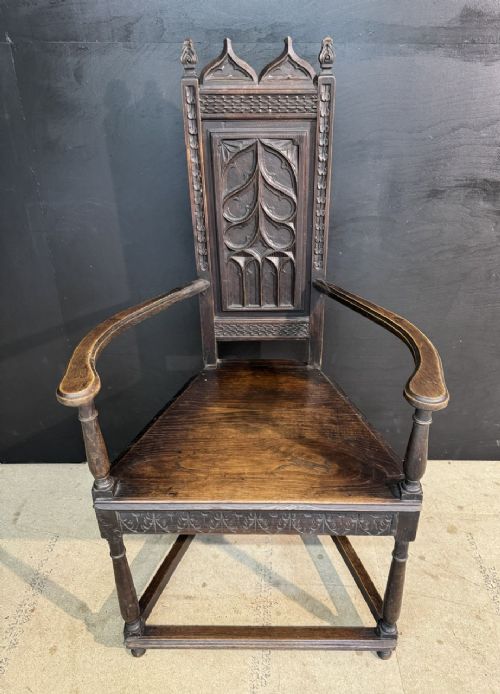
- Caquetoire
- A lightweight conversational armchair featuring a trapezoidal seat and a high, narrow back, originating in sixteenth-century France. The design allowed ladies wearing wide farthingales to sit comfortably.
Carved Panel Armchair: Frequently Asked Questions
What defines a wainscot armchair?
A wainscot armchair is a heavy wooden seat built with a solid panel back rather than open spindles or upholstery. These chairs rely on frame and panel construction derived from architectural woodwork.
Most examples date from the seventeenth and eighteenth centuries, serving as primary seating for the head of a household. Their sturdy build ensured survival across multiple centuries of domestic use.
How do I spot a nineteenth-century revival chair?
Nineteenth-century revival pieces often mimic seventeenth-century Jacobean styles using machine tools or different patination techniques. Examining the underside and peg construction helps reveal the true age of the timber.
Revival furniture typically exhibits brighter modern adhesives, uniform tool marks, or timber shrinkage that differs from genuine seventeenth-century surfaces.
How should I care for old oak furniture?
Old oak requires stable indoor humidity levels and protection from direct sunlight to prevent timber splitting. Maintaining a consistent environment preserves the natural colour and patina of the wood.
Applying occasional appropriate wax polish helps nourish the grain without building up heavy chemical residues.