
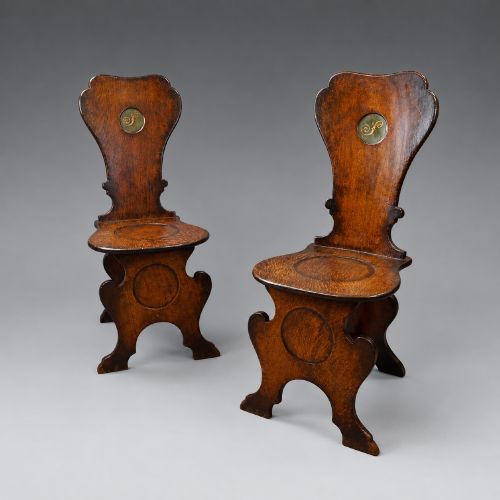

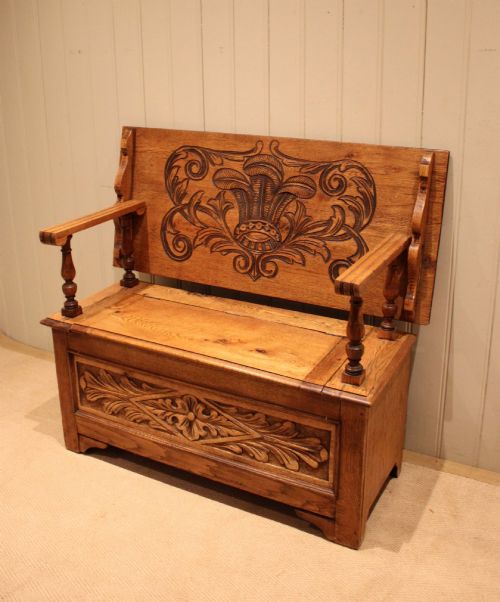
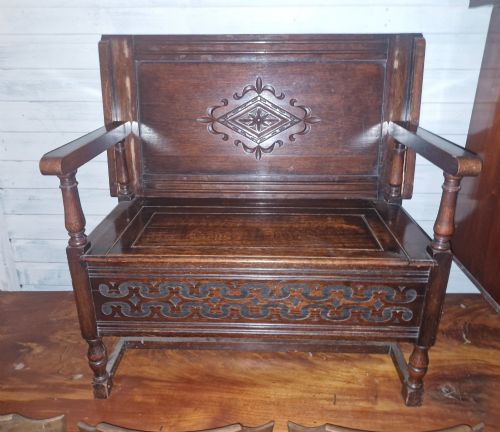
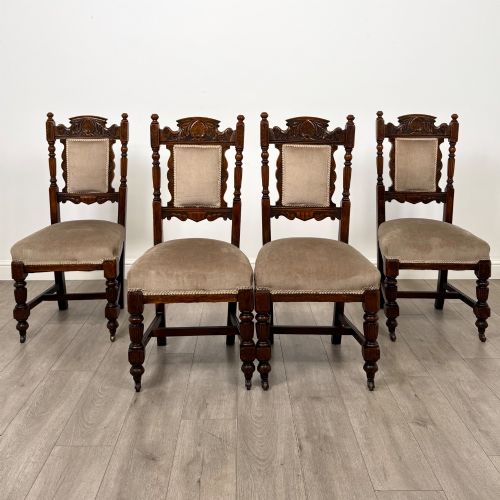
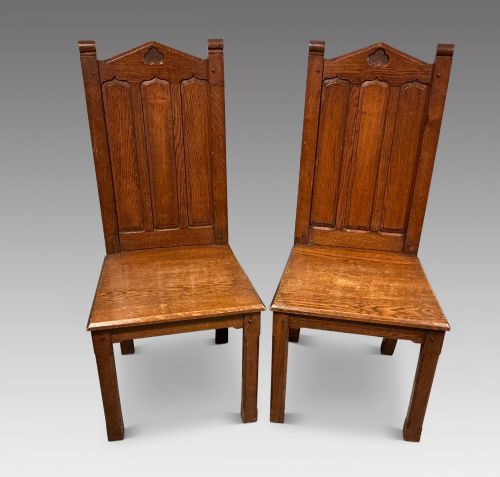


Traditional Oak Hall Chair
These traditional oak hall chair selections bring heavy timber and centuries of regional British craftsmanship directly into your home.
Defining traditional oak hall chair
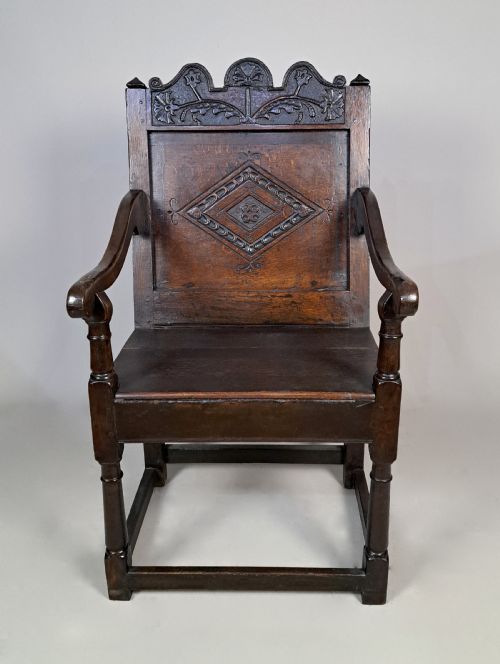
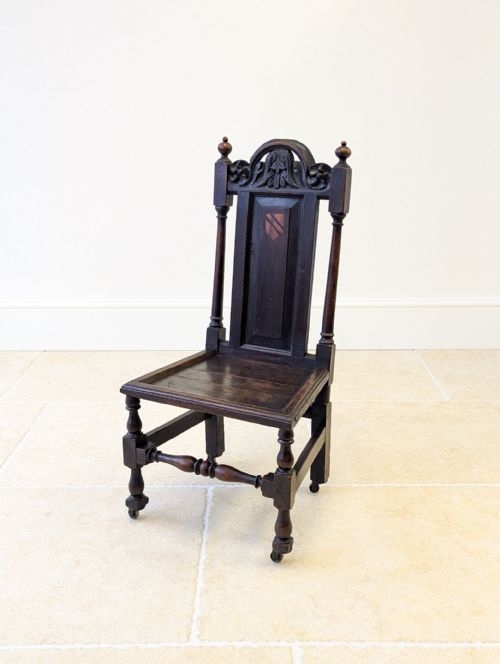
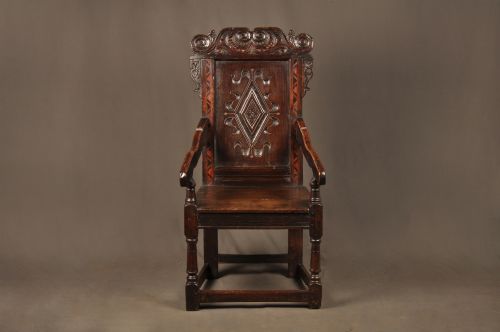
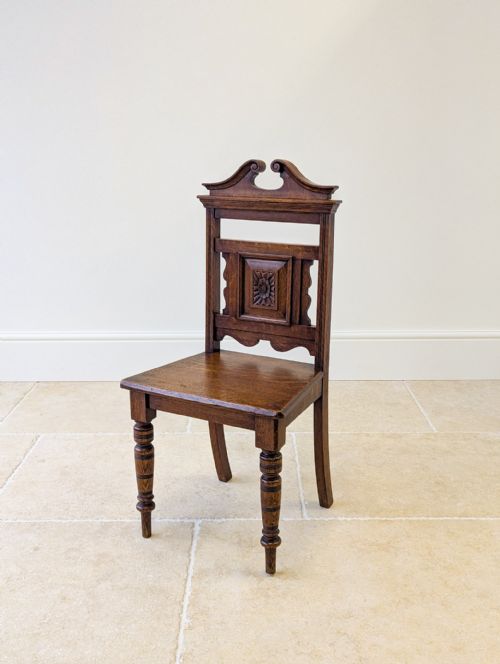
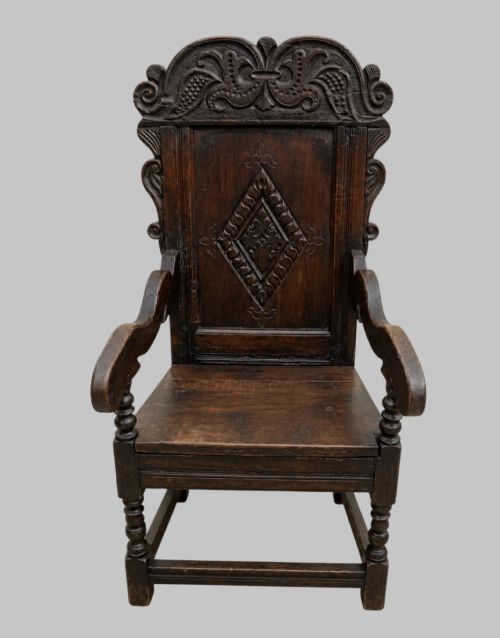
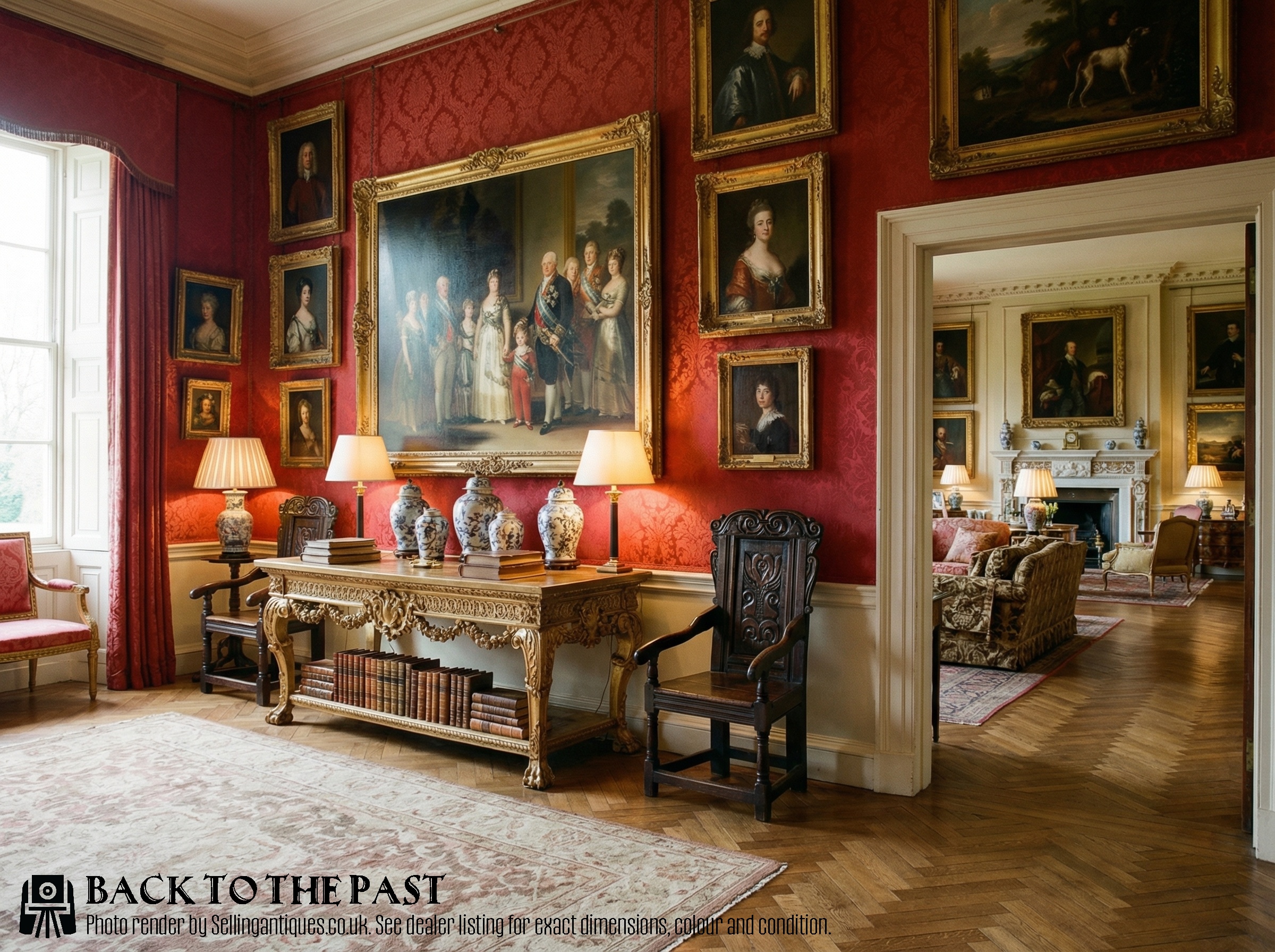
A traditional oak hall chair covers robust timber seating originating from periods spanning the seventeenth century through the Edwardian era. You will frequently encounter wainscot armchairs and carved seating echoing seventeenth century Jacobean styles alongside later Victorian and Edwardian interpretations.
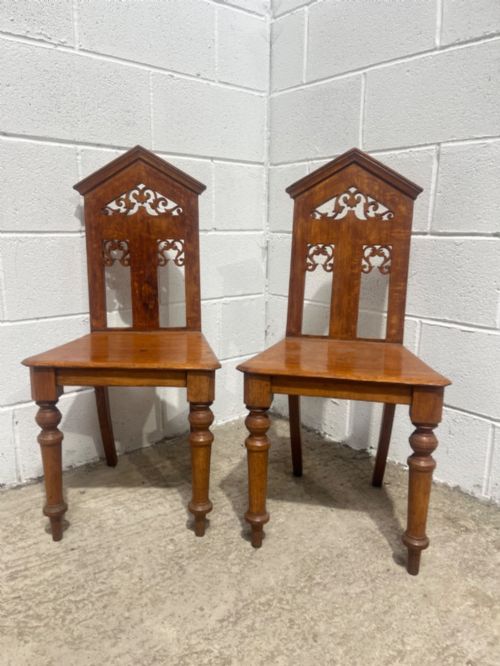
The pieces listed here range from early seventeenth century wainscot armchairs to nineteenth century revival pieces and twentieth century barley twist carvers. These chairs function as practical accent seating and imposing decorative items within hallways and reception rooms.
Materials and construction methods
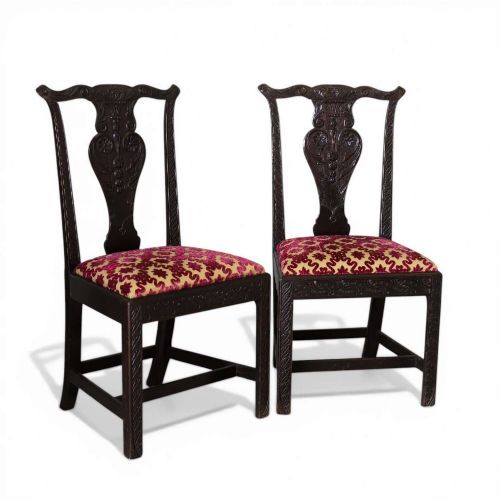
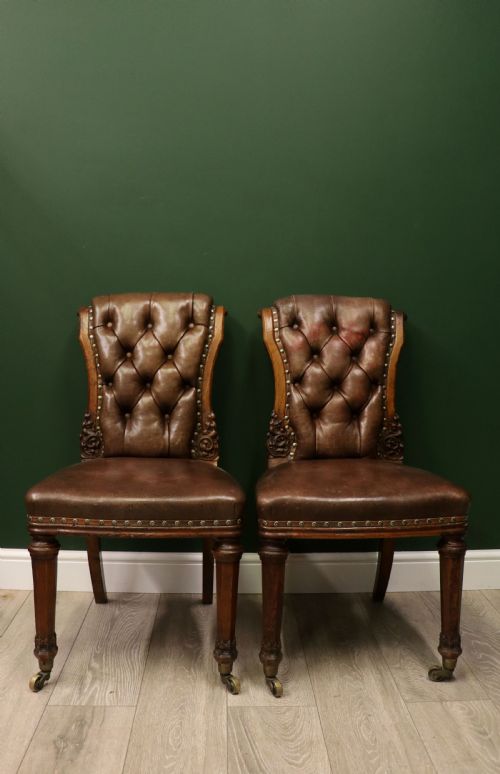
Construction relies heavily on solid oak timber, utilising traditional joinery methods suited to heavy wood. Certain pieces incorporate upholstered elements featuring fabric and velvet alongside exposed structural woodwork.
Carving techniques define the decorative surfaces, ranging from geometric panels to elaborate relief work seen in revival pieces. Woodturners shaped supports like barley twist legs using lathe techniques characteristic of specific eras.
Retail Price Guide 2026
Typical UK retail prices for traditional oak hall chair, calculated from the Sellingantiques database of over a million retail prices indexed since 2003. This retail price guide relies exclusively on Sellingantiques data; no external sources or auction records are used, so the figures do not describe the wider market.
Listings span multiple eras including the 17th Century, Victorian period, Edwardian era, 1860, and 1920.
Evaluating quality and authenticity
Quality separates period originals from later revivals through the crispness of hand carving and the natural patina accumulated on the oak over centuries. Early examples demonstrate distinct tool marks and joint construction that differ from mass-produced twentieth century interpretations.
The depth of relief work and the proportion of the timber frame dictate the visual impact of each chair. Finer specimens maintain structural integrity while showing honest wear appropriate to their age and historical use.
The Traditional Oak Hall Chair Glossary
- Wainscot chair
- A heavy wooden armchair of seventeenth century design featuring panelled backs and solid wooden seats. These early forms preceded lighter upholstered seating.
- Jacobean Revival
- A nineteenth century style copying the ornate carved decoration and dark timber finish of the early seventeenth century. Makers utilised historic motifs to satisfy Victorian demand for antique aesthetics.
- Barley twist
- A decorative turning technique resembling a twisted rope, commonly found on the legs and arm supports of twentieth century carver chairs. This style adds visual movement to heavy oak frames.
- Corner chair
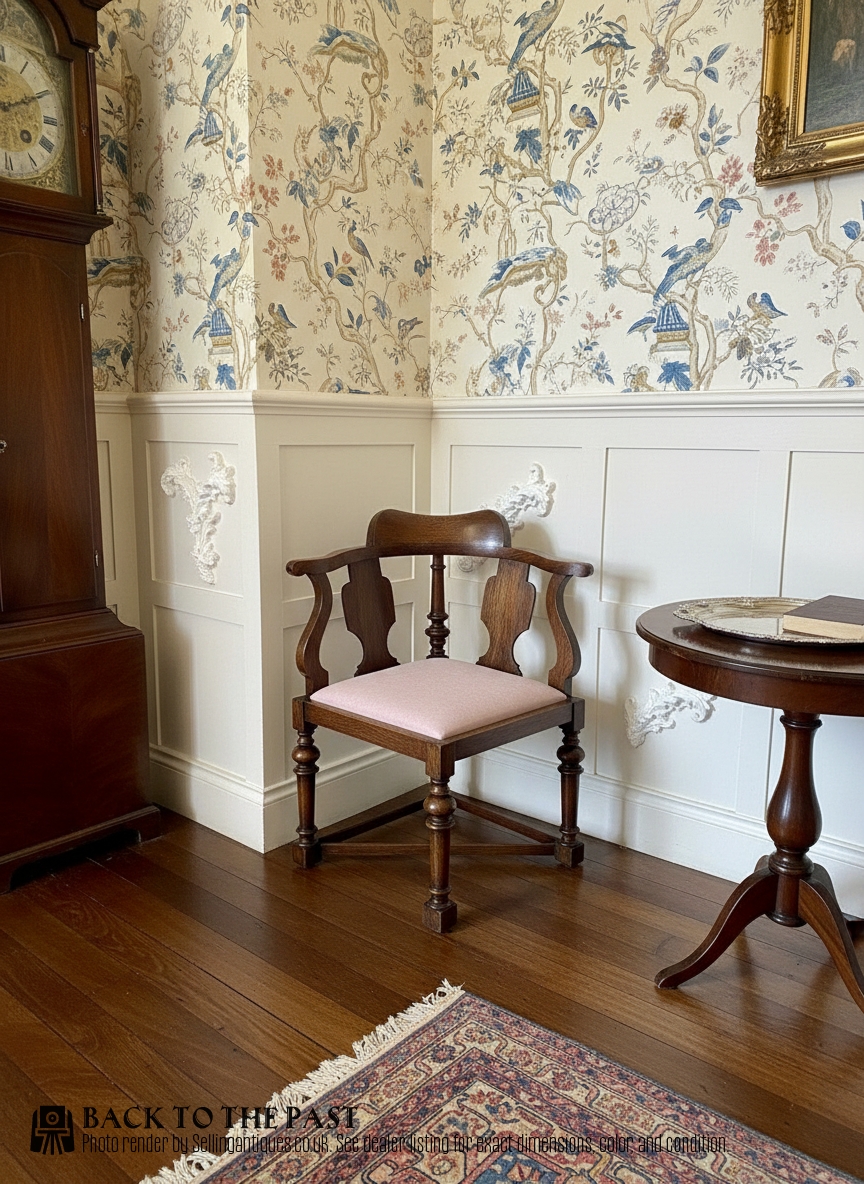
- An armchair designed to fit neatly into room angles, featuring a diagonal seat plan and continuous top rail supported by multiple posts.
Frequently Asked Questions
Where should I place a traditional oak hall chair?
These sturdy wooden seats suit grand entrance halls, landings, and large reception rooms where their architectural presence can be fully appreciated.
Because they feature solid timber construction without deep padding, they work best as accent pieces rather than primary lounging chairs.
How do I care for antique oak furniture?
Maintain the timber by keeping pieces away from direct heat sources and sudden humidity changes that cause wood to split.
Apply traditional beeswax occasionally to nourish the surface and preserve the natural sheen of the aged oak.
Are these chairs comfortable for daily sitting?
Period wooden chairs prioritize upright posture and structural support over deep cushioning, reflecting the domestic habits of earlier centuries.
Some variations incorporate fabric or velvet pads to soften the wooden seat for longer periods of use.
How can I distinguish early pieces from later revivals?
Examine the construction joints, tool marks, and timber shrinkage patterns, which reveal the age of the woodwork and the methods used by the maker.
Revival pieces from the nineteenth and twentieth centuries often feature machine assistance and cleaner joinery compared to seventeenth century originals.