






Seventeenth Century Oak Chair
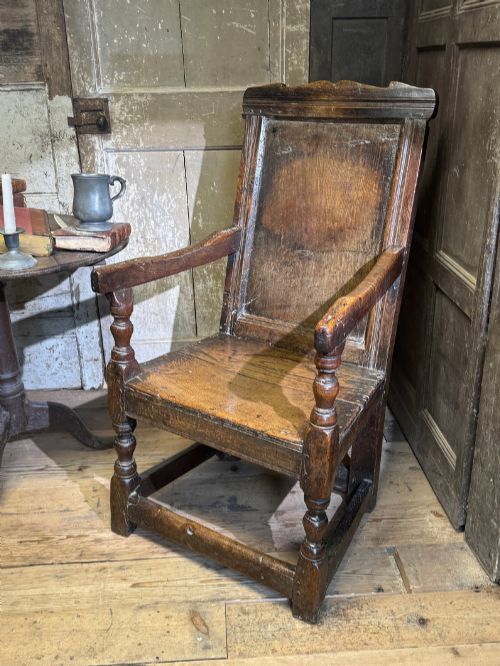
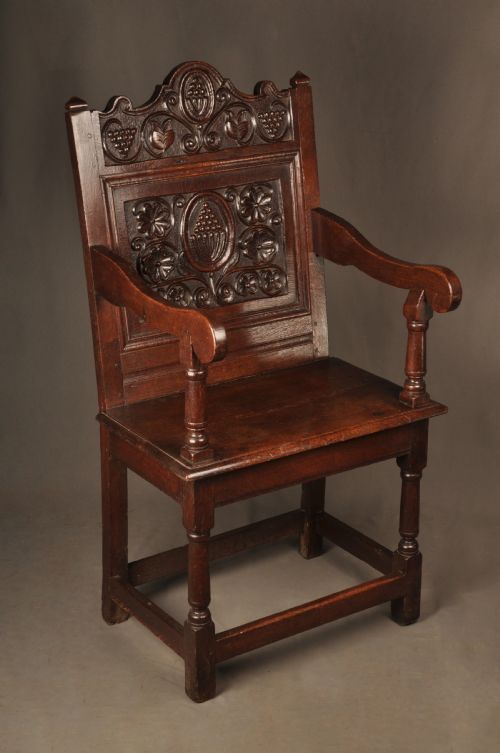
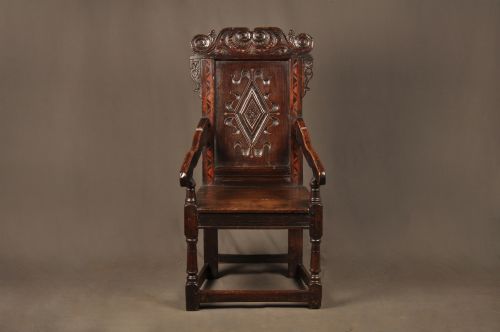
A seventeenth century oak chair carries the dense grain and honest joinery of early domestic life, holding centuries of weight.
Seventeenth Century Oak Chair
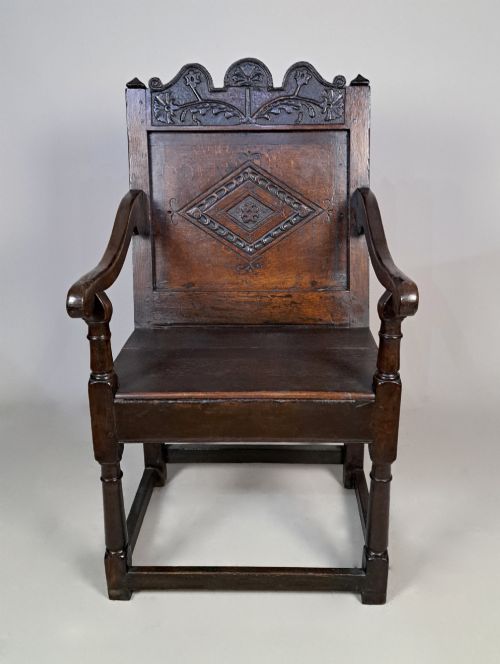
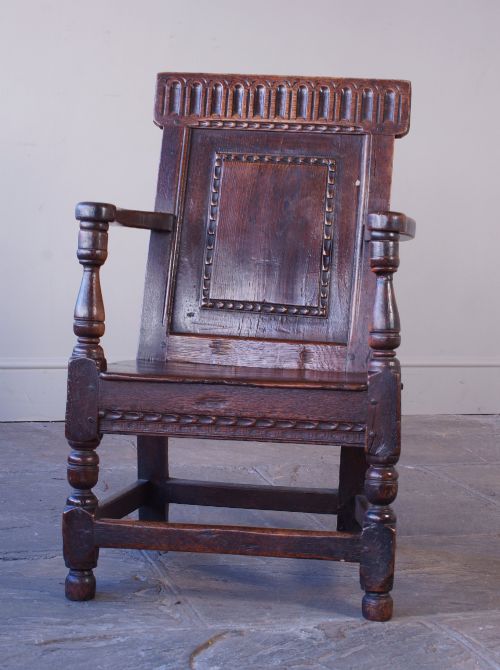
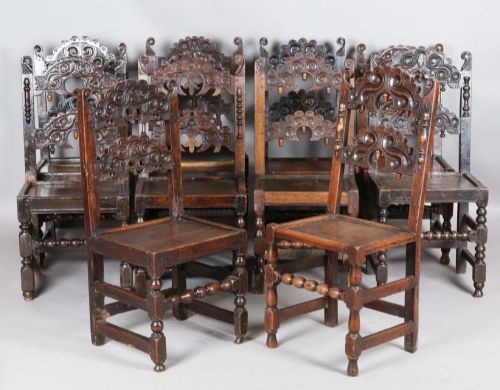
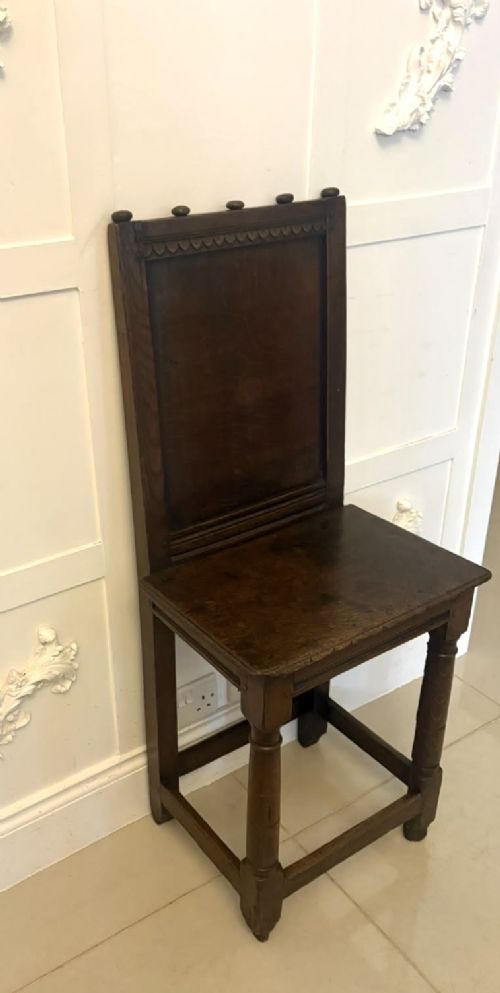
A search for a seventeenth century oak chair brings up solid timber seating originating from vernacular domestic spaces, ranging from sturdy Lancashire and Yorkshire wainscot forms to tall backstools and armchairs.
Many examples date directly to the 17th century under Jacobean and Charles II periods, though the inventory also spans later revivals from the 19th and early 20th centuries constructed in the same manner.
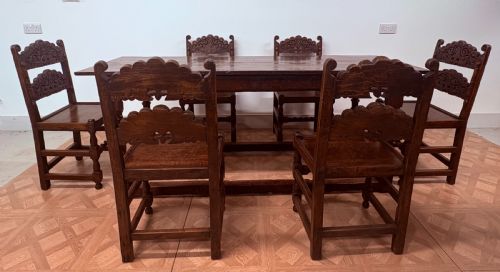
Regional variations appear frequently, including Welsh and South Yorkshire regional interpretations alongside child highchairs, lambing chairs, and close stools.
Materials and construction
Makers built these heavy items primarily using solid oak and occasionally fruitwood, utilising pegged mortise and tenon joints to secure the joined framework without modern adhesives.
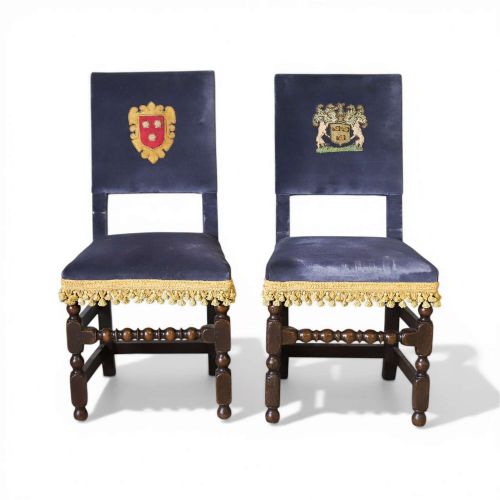
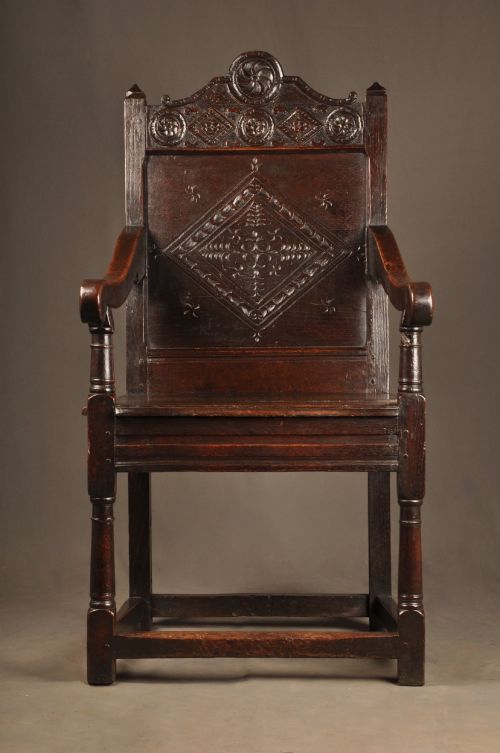
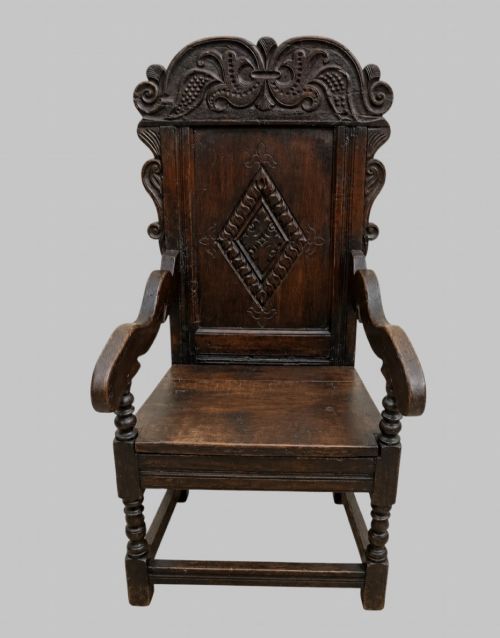
Carved panels display geometric strapwork, foliage, and heraldic crests, while specific variations integrate woven cane, velvet upholstery with metallic fringe, or tapestry.
Structural elements rely on turned legs, stretchers, and solid wooden seats or boarded backs characteristic of wainscot construction.
Seventeenth Century Oak Chair Retail Price Guide 2026
Typical asking prices for seventeenth century oak chair among the pieces listed under this phrase on Sellingantiques today, from the lower quarter to the upper quarter. They describe what is for sale here now, not the wider market.
Assessing quality
Quality rests upon the crispness and depth of the original hand-carved ornamentation on the back panels, alongside the integrity of the pegged joints holding the heavy frame together.
The desirability of the timber surface increases when an untouched, deep historic colour and natural wax patination remain intact across the oak grain.
Proportion and regional identity dictate distinction, where undisturbed vernacular proportions outrank later nineteenth-century revival copies produced in imitation of the period.
The Seventeenth Century Oak Chair Glossary
- Wainscot chair
- A heavy wooden armchair constructed with a paneled back and solid seat, typical of domestic seating before upholstered furniture became common.
- Backstool
- An early form of chair without arms, essentially a wainscot or joined chair designed for single occupancy at a table.
- Joined oak
- Furniture constructed using interlocking mortise and tenon joints secured by wooden pegs, superseding earlier boarded construction.
- Jacobean
- The stylistic period spanning the reign of James I, characterised by sturdy proportions, dark oak, and geometric carved decoration.
- Charles II period
- The design era following the Restoration, noted for more exuberant carving, turned stretchers, and occasionally cane panels.
Seventeenth Century Oak Chair: Frequently Asked Questions
How do I spot a later revival chair?
Revival pieces from the nineteenth or twentieth century often display machine-cut tool marks and lighter, more uniform timber colour compared to seventeenth-century originals.
The peg construction on older examples sits flush and shows signs of natural shrinkage, whereas later copies can appear overly tight and mechanically fitted.
What is a wainscot chair?
A wainscot chair is a heavy wooden armchair featuring a solid panelled back, constructed by carpenters using oak boards.
These chairs were costly status items in early homes, usually reserved for the head of the household rather than general family use.
Are these chairs comfortable to sit on?
Original seventeenth-century oak chairs were built for posture and durability from solid timber, lacking modern cushioning or ergonomic angles.
Living with them usually involves adding a simple loose squab cushion for comfort without altering the historic wood.
Why do some chairs have cane seats?
Cane seating panels appeared later in the seventeenth century, influenced by continental styles during the Charles II period.
This technique lightened the heavy appearance of oak frames and introduced woven organic textures to dining and side chairs.