
Jacobean Carved Oak Chair
A genuine jacobean carved oak chair brings solid timber construction and centuries of historic character into a modern interior.
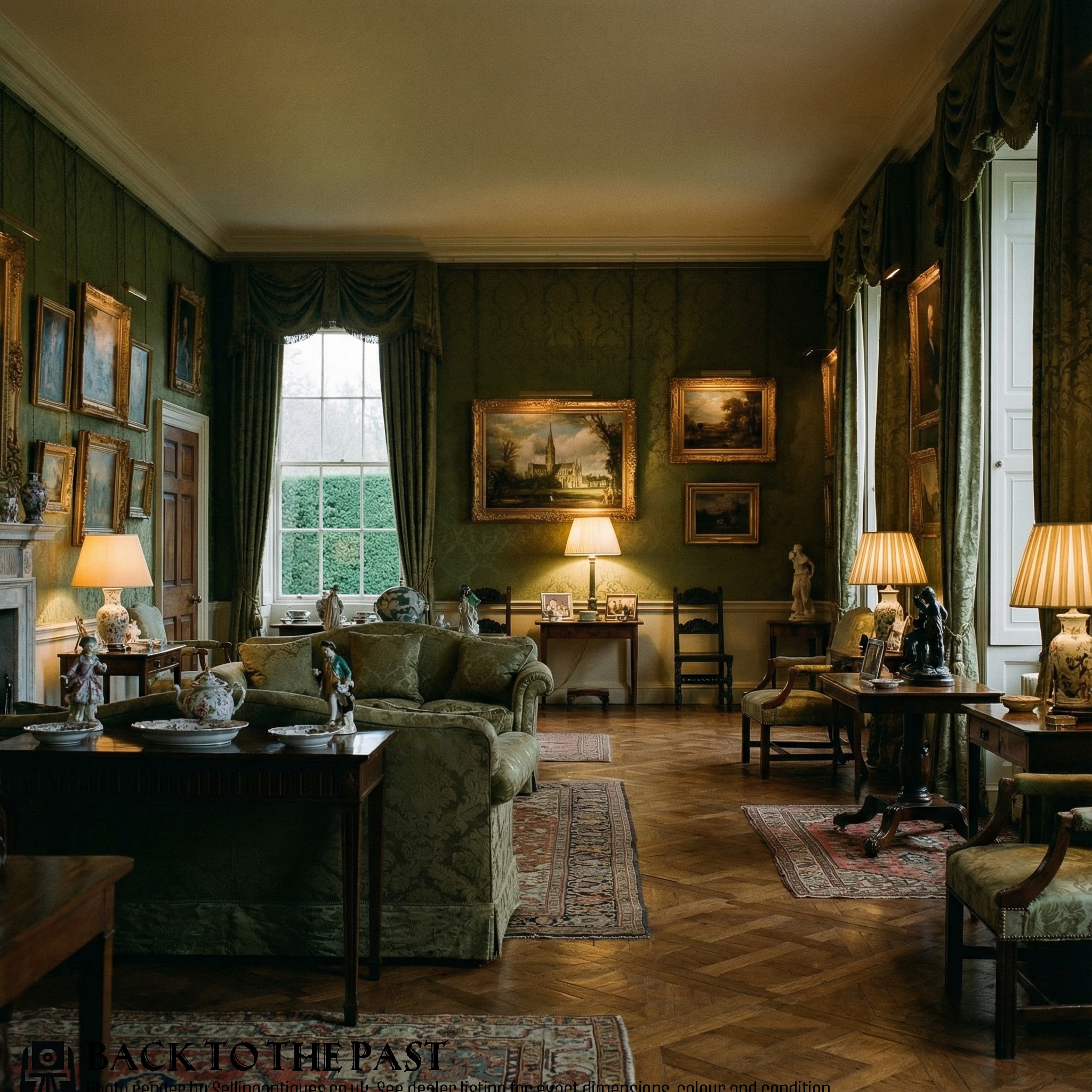
Jacobean Carved Oak Chair
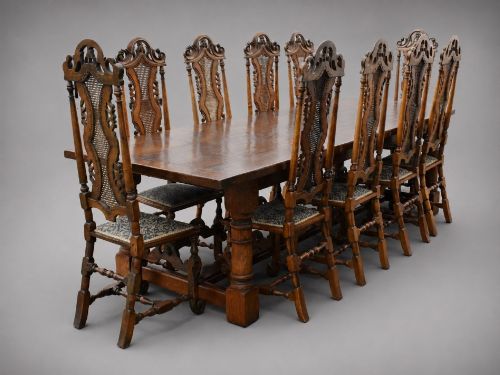
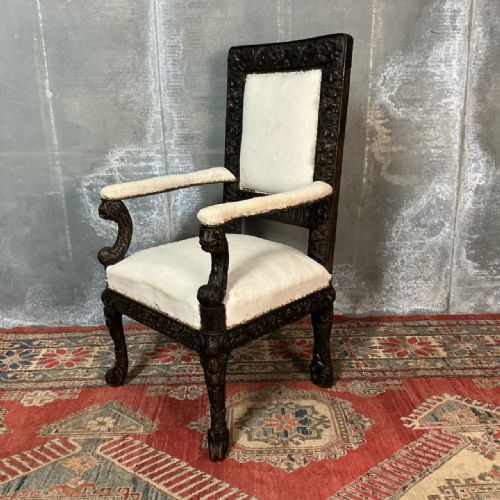
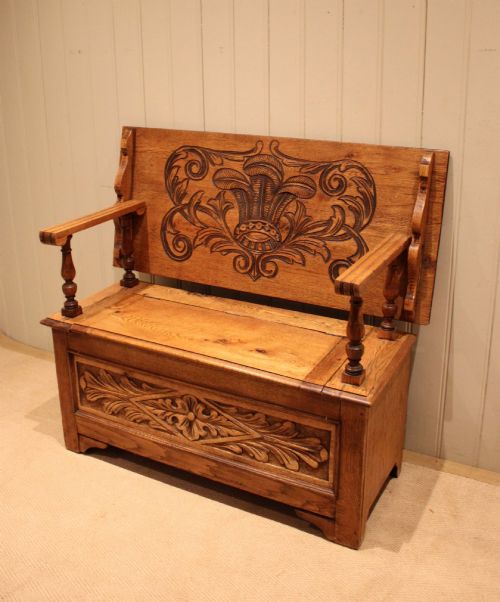
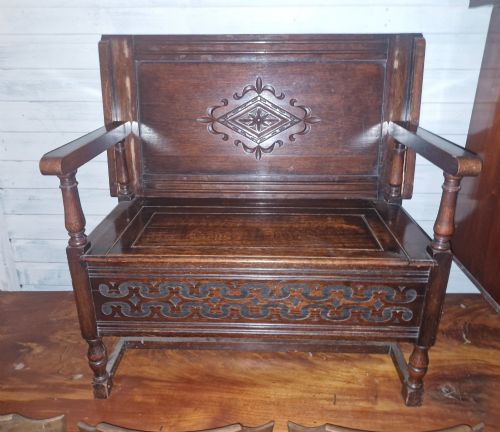
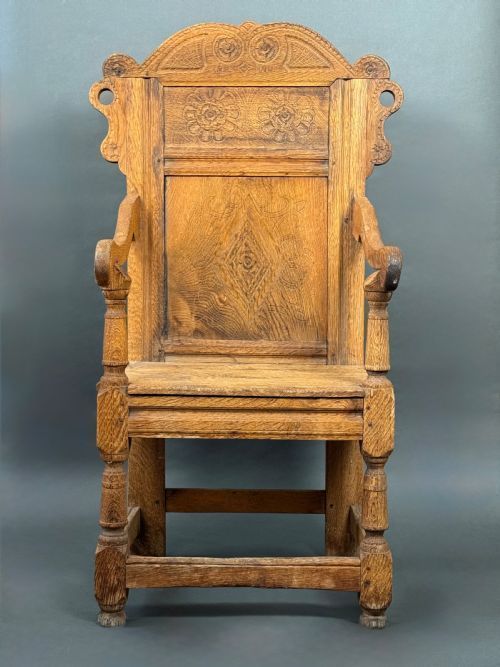
A jacobean carved oak chair encompasses robust wainscot armchairs, high-back dining seats, and revival hall benches spanning the seventeenth century through to Edwardian interpretations.
Buyers frequently encounter nineteenth-century revival pieces alongside genuine period examples originating from regional workshops in Lancashire, Cheshire, and Yorkshire.
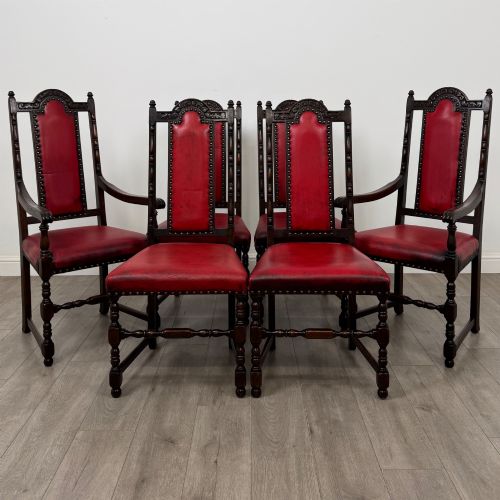
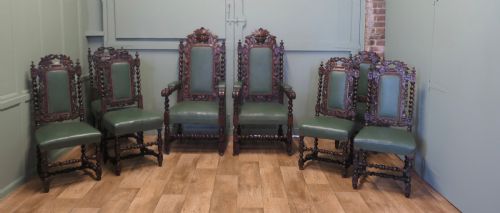
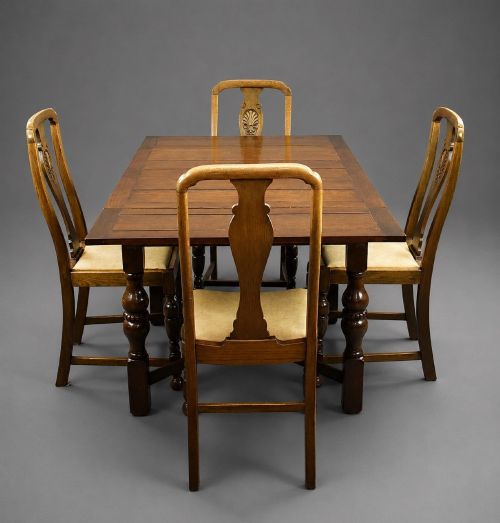
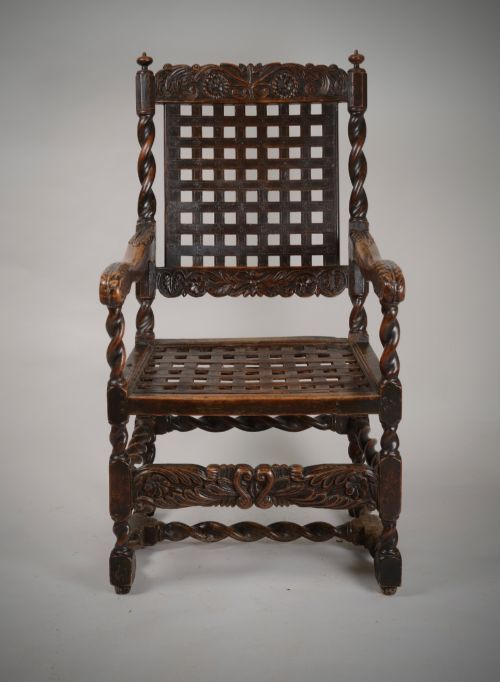
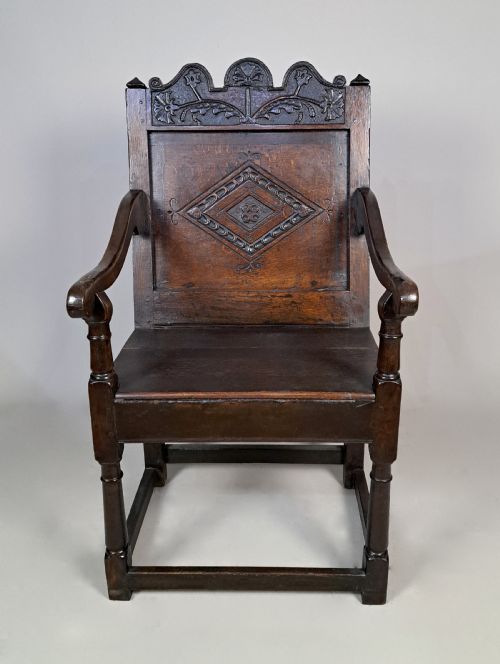
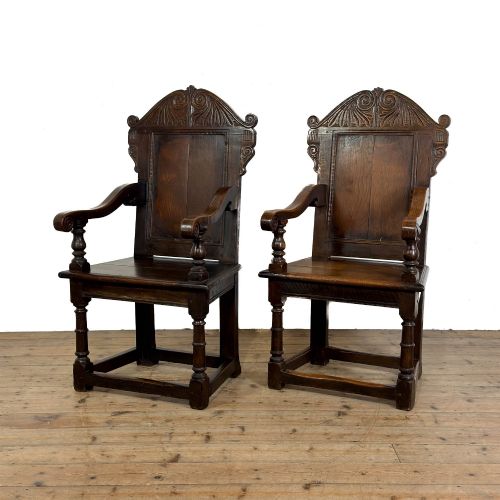
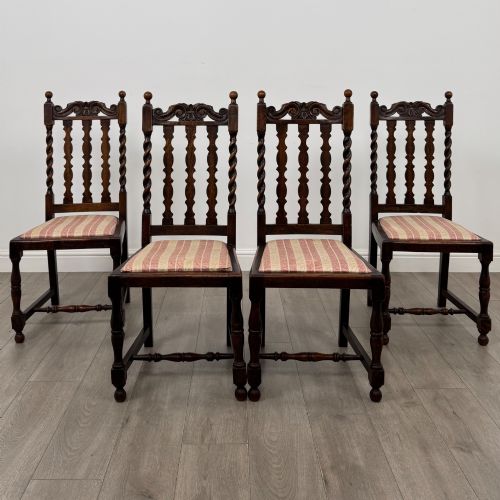
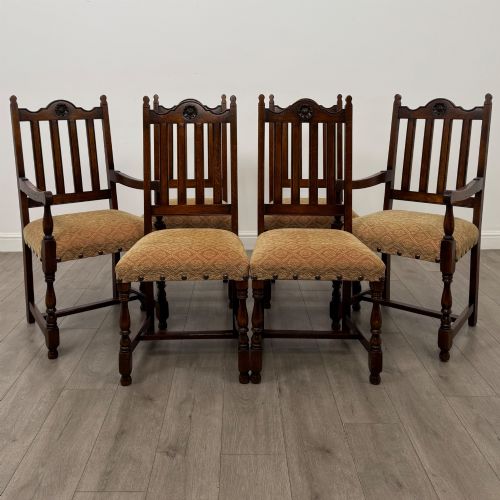
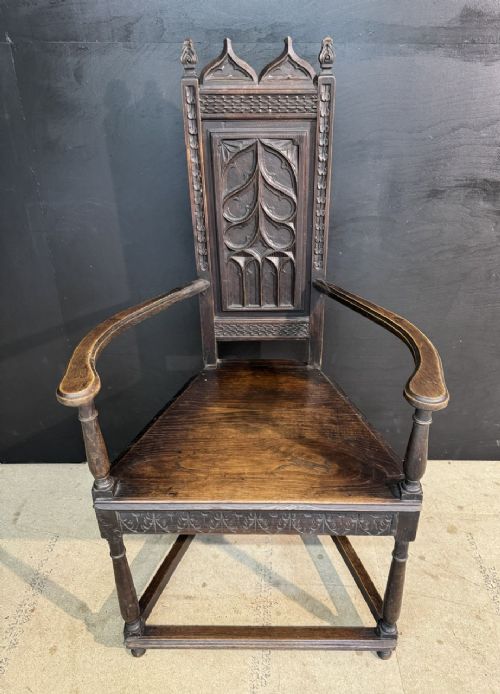
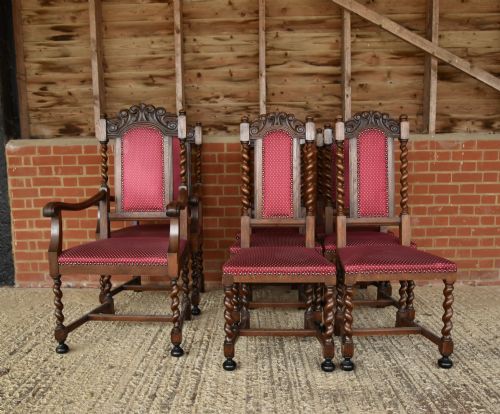
Forms range from solid panelled armchairs with deep relief carving to matched sets of dining chairs featuring barley twist legs and upholstered seats.
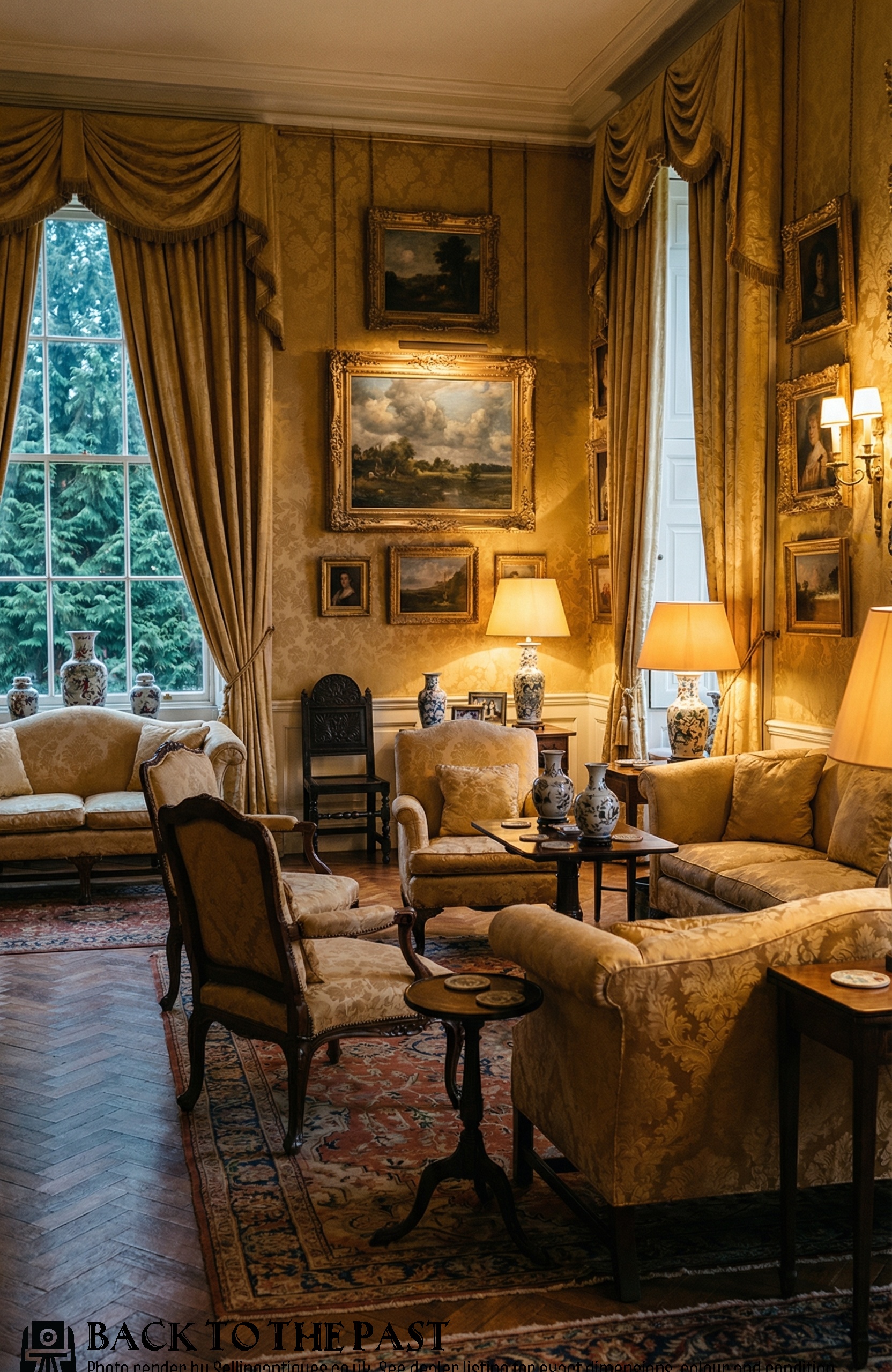
Materials and construction
Makers utilised solid oak joined with traditional mortise and tenon construction, occasionally incorporating brass hardware, leather, cane, or velvet for upholstery.
Surface decoration relies on hand-carved strapwork, foliage, and heraldic motifs executed directly onto the dense timber framework.
Jacobean Carved Oak Chair Retail Price Guide 2026
Typical asking prices for jacobean carved oak chair among the pieces listed under this phrase on Sellingantiques today, from the lower quarter to the upper quarter. They describe what is for sale here now, not the wider market.
Listings span from the seventeenth century through the Victorian era and the 1920s, utilising oak alongside velvet, cane, and leather.
Assessing the craftsmanship
The crispness and depth of the hand-carving distinguish master craftsmanship from simpler provincial production.
Originality of timber, patination of the oak surface, and structural integrity across joints and legs determine the desirability of each piece.
The Jacobean Carved Oak Chair Glossary
- Wainscot chair
- A heavy wooden armchair featuring a panelled back and solid seat, originating in the sixteenth and seventeenth centuries. These early forms often display distinct regional carving traits.
- Barley twist
- A turned column resembling a spiralling rope, commonly found on the legs and stretchers of later revival seating. This decorative turning technique gained immense popularity during the seventeenth century.
- Carolean
- Pertaining to the reign of King Charles II, characterised by ornate and exuberant carved woodwork. Chairs from this period frequently exhibit elaborate crown and scroll motifs.
- Draw leaf table
- A dining table with extension leaves sliding out from beneath the main top, often found accompanying large sets of chairs. This practical design allows the surface area to double with ease.
- Bergere
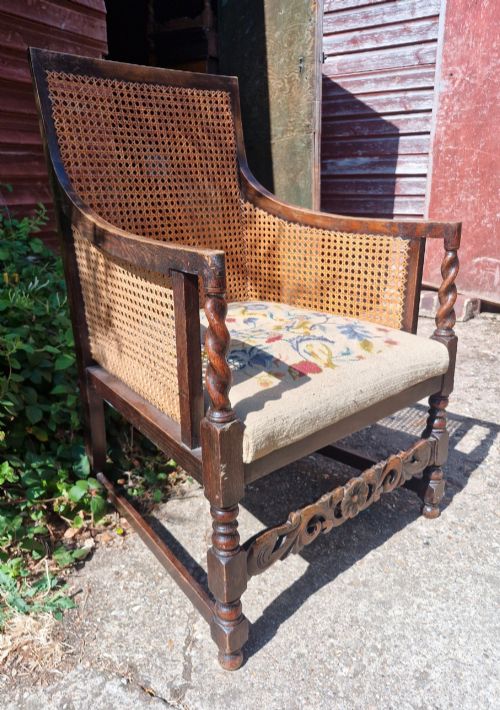
- An enclosed upholstered armchair with exposed wooden framing and woven cane panelling. This style appears in later iterations alongside traditional panelled backs.
Jacobean Carved Oak Chair: Frequently Asked Questions
How do I spot a true period chair?
Examine the timber joints for pegged construction and look for genuine age-related wear and patination across the oak surfaces.
Period pieces display tool marks and construction methods consistent with early joinery rather than modern machinery.
Are revival chairs valuable?
Nineteenth and twentieth-century revival pieces hold distinct value for their decorative utility and robust build quality.
While they lack the age of seventeenth-century originals, skilled craftsmanship makes them popular for everyday dining use.
How should I care for old oak?
Maintain the timber by applying traditional beeswax periodically to nourish the dry oak and preserve the natural sheen.
Keep wooden furniture away from direct heat sources and drastic humidity changes to prevent splitting.
What rooms suit these chairs?
High-back dining chairs and wainscot armchairs anchor dining spaces and hallways with a strong architectural presence.
Pairing a single carved elbow chair with simpler modern furnishings highlights the historic detail.