



Antique Oak Wainscot Chair
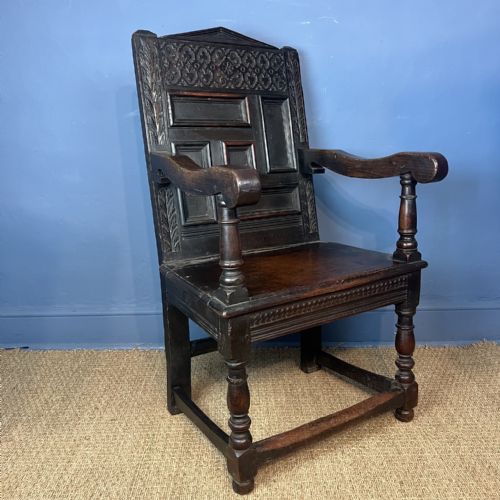
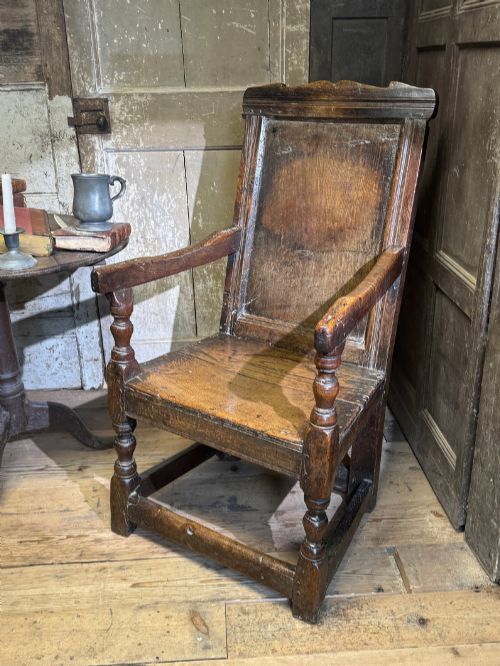
An antique oak wainscot chair is a heavy wooden seat built from panels and joined timber, offering solid domestic presence and centuries of craft history.
Antique Oak Wainscot Chair
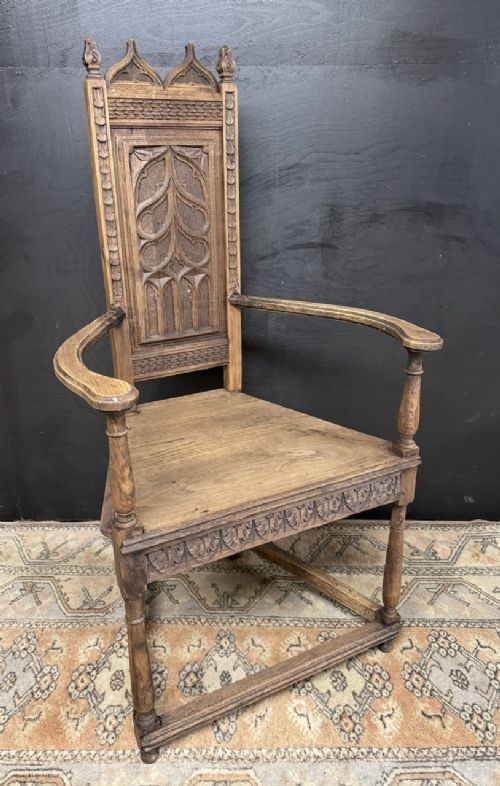
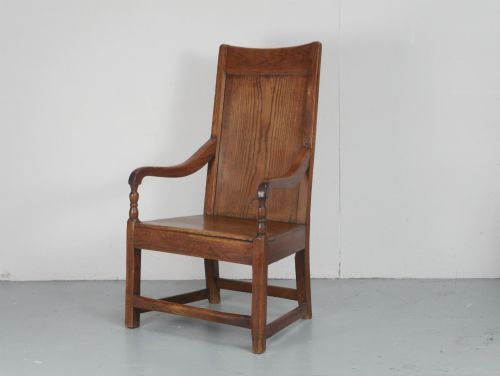
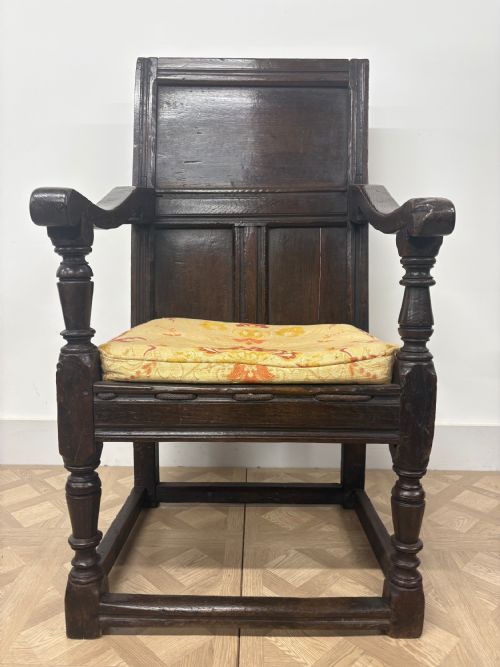
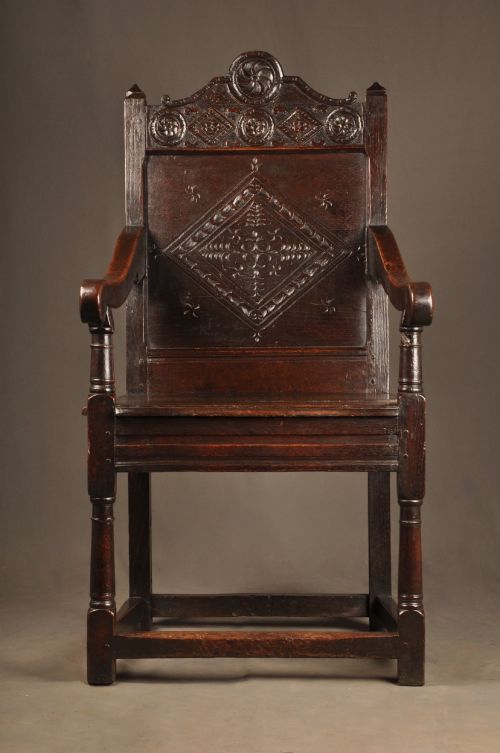
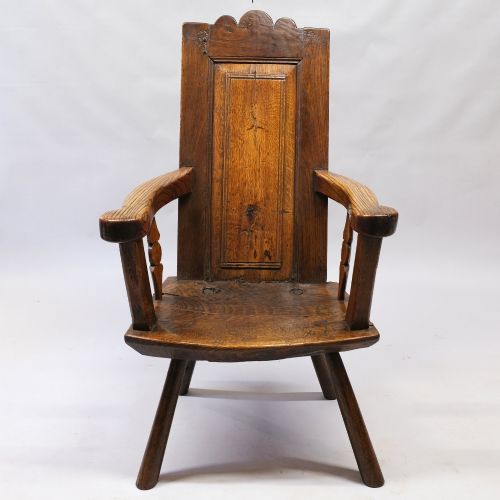
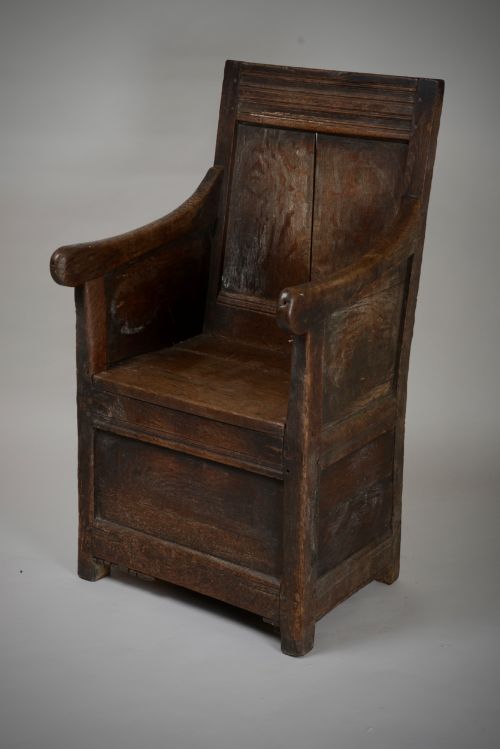
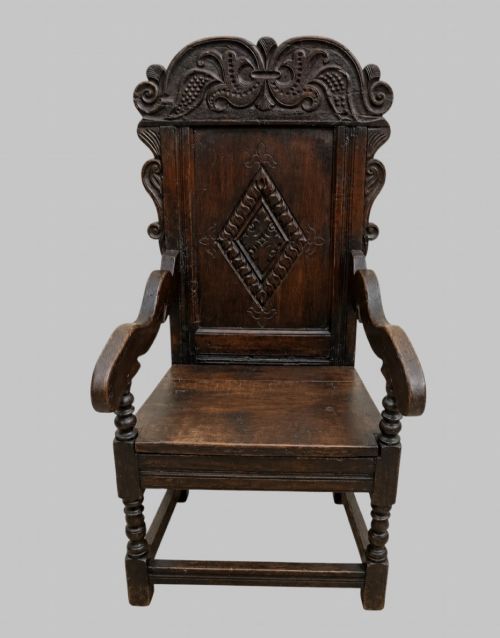
An antique oak wainscot chair is a boarded or panel-backed wooden armchair originating mainly in the seventeenth century, though nineteenth-century revivals and eighteenth-century examples also appear regularly. These seats were costly status objects in their original eras, constructed with solid frames and carved wooden panels rather than upholstered padding. On this page, buyers will find authentic seventeenth-century English, Welsh, Scottish, and regional pieces alongside later copies built in the Gothic Revival or Jacobean styles.
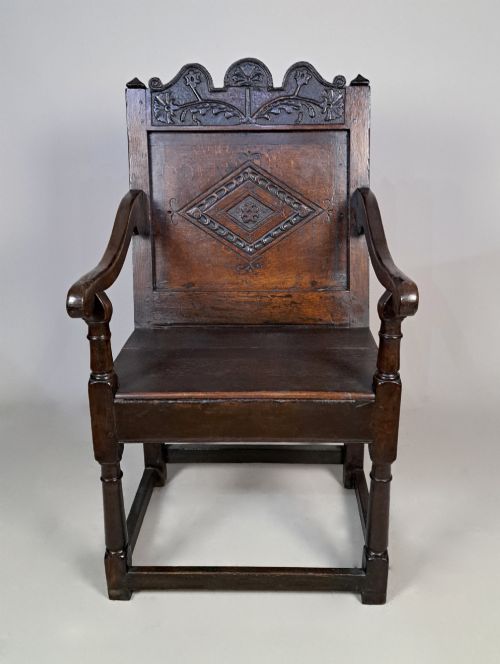
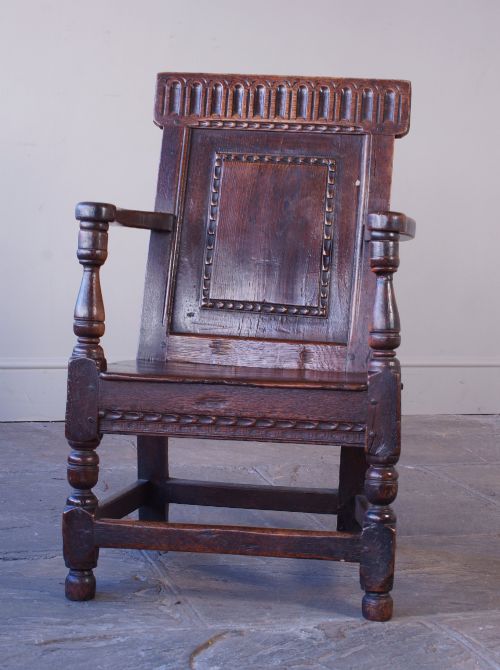
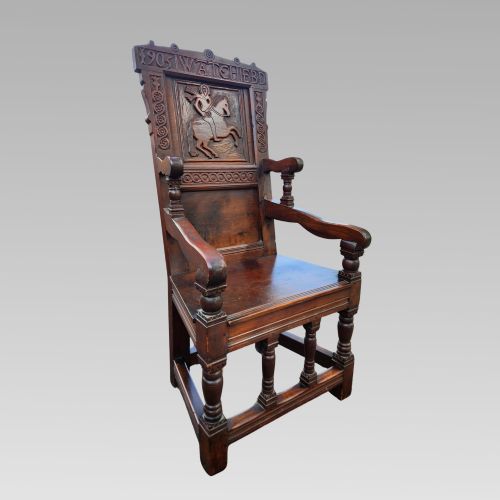
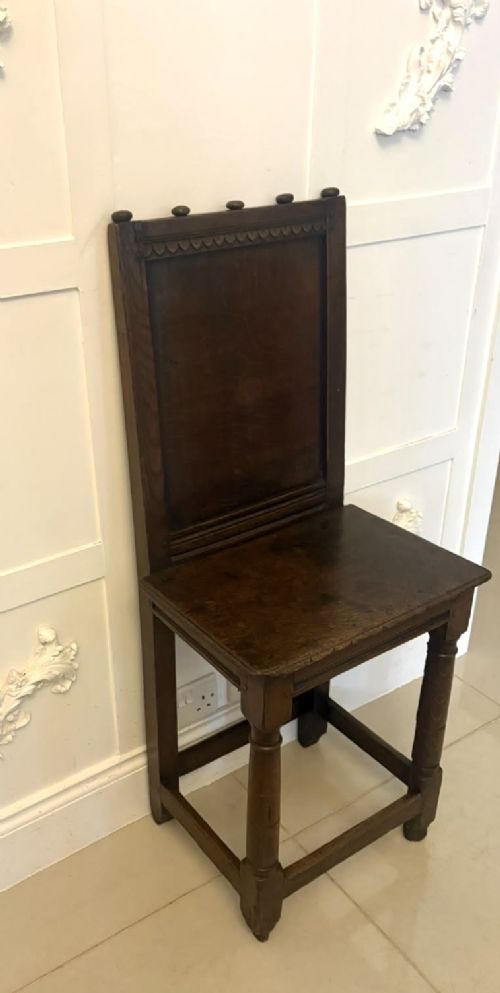
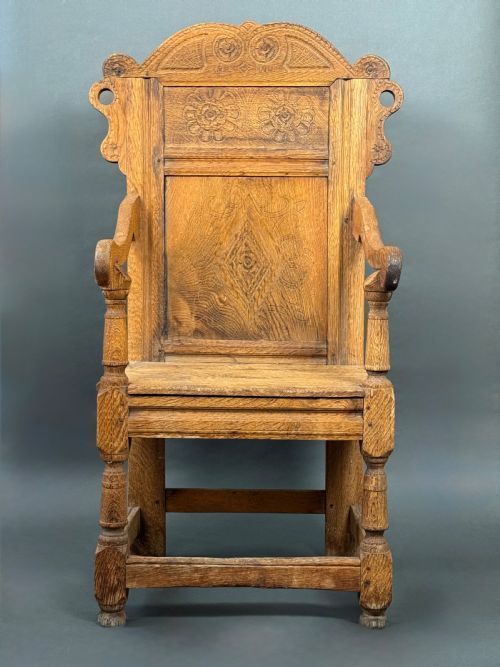
The form typically comprises a heavy timber seat, broad armrests, and a high panelled back that often bears geometric or floral carving. Regional variations emerge clearly across the inventory, with distinct Yorkshire, Lancashire, and West Country characteristics visible in the joinery and ornament. While the majority function as armchairs, related forms such as side chairs, hall chairs, and backstools also populate the selection.
How they were made
Carpenters built these pieces using solid oak, supplemented occasionally by secondary woods such as elm, pine, or fruitwood. The construction relies entirely on heavy joinery techniques, using mortise and tenon joints locked with wooden pegs rather than metal nails.
Carving, moulding, and wood inlay decorate the panels and crest rails, executed with hand chisels and gouges. Surfaces were left bare or finished with simple natural oils and waxes, allowing the grain and natural colour of the timber to deepen over centuries.
Antique Oak Wainscot Chair Retail Price Guide 2026
Typical asking prices for oak wainscot chair among the pieces listed under this phrase on Sellingantiques today, from the lower quarter to the upper quarter. They describe what is for sale here now, not the wider market.
Regional English and Welsh workshops dominate the inventory, with specific attribution given to Lancashire, Yorkshire, and the West Country.
What varies in quality
The distinction between ordinary and exceptional pieces rests on the crispness of the hand-carved ornament and the proportion of original timber surviving in the frame. Early seventeenth-century examples featuring untouched regional carving and minimal timber replacement command greater appreciation than heavily restored pieces.
Structural integrity also separates the examples, as chairs retaining their original joined bases and substantial panel backs demonstrate superior cabinet-making. Subtle details like the depth of the crest rail and the weight of the solid oak armrests indicate the ambition of the original workshop.
The Antique Oak Wainscot Chair Glossary
- Wainscot
- A term originally describing fine oak panelling that was subsequently applied to heavy wooden chairs constructed with panelled backs. These seats provided draught protection in large, cold halls.
- Joined
- A method of furniture construction using tight mortise and tenon joints secured by wooden pins. This technique predated the widespread use of glued joints and metal screws.
- Backstool
- An early form of seating resembling a chair without arms. It shares the solid panelled back of the larger wainscot armchairs.
- Crest rail
- The horizontal wooden member fixed across the top of the chair back. It frequently carries the most elaborate carved decoration on seventeenth-century pieces.
- Elbow chair
- An older regional term for an armchair. The description appears often in records for Welsh and English country seating.
Antique Oak Wainscot Chair: Frequently Asked Questions
How do I date an early oak wainscot chair?
Dating relies on observing the construction methods, tool marks, and stylistic motifs carved into the oak panels. Seventeenth-century pieces typically show pegged mortise and tenon joints combined with strapwork or guilloche carving typical of the period.
Later nineteenth-century revival pieces often display machine-sawn timber marks, softer pine secondary woods, or inaccurate style combinations that reveal their true date of manufacture.
Where were these chairs used in a historic home?
Original wainscot chairs held positions of high status at the head of the dining table or beside the hearth in the great hall. Their solid wooden panels blocked cold draughts, making them comfortable seats before the invention of central heating.
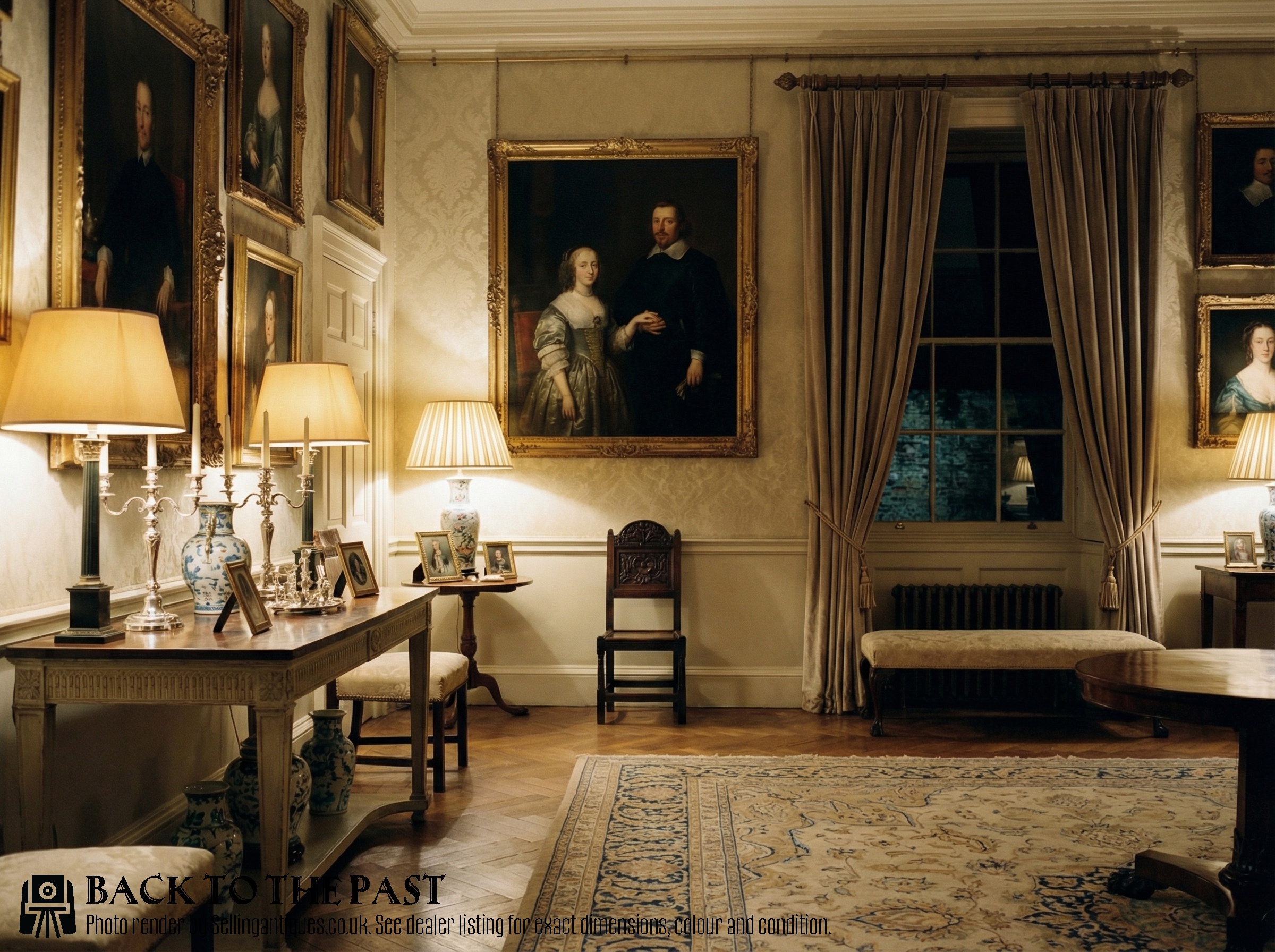
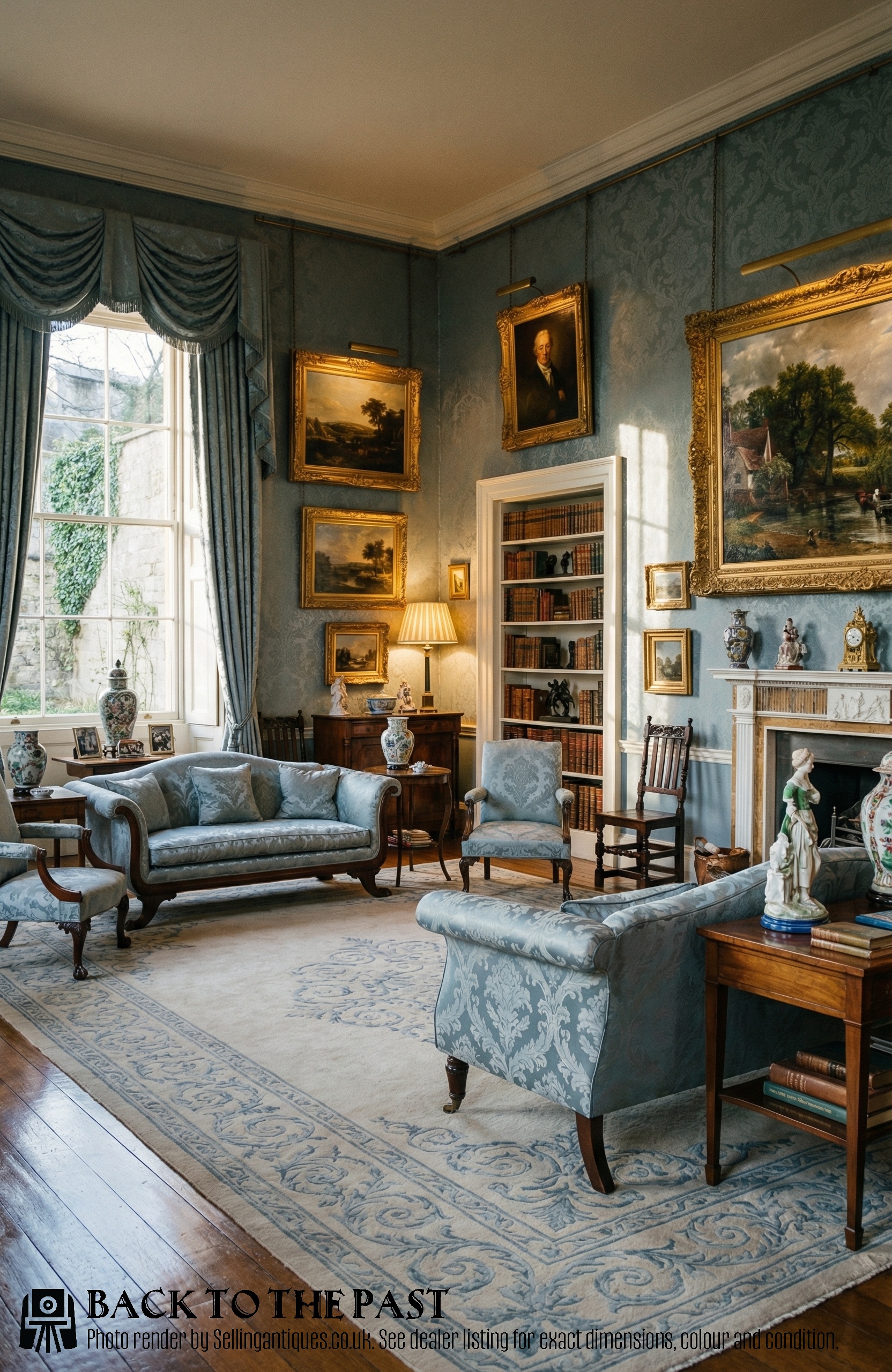
Today, buyers place them in hallways, studies, or living rooms as statement seating. They pair well with plain walls where their carved oak panels and dark timber tones can stand out.
Did common people own these chairs originally?
In the sixteenth and seventeenth centuries, wainscot chairs were costly possessions owned only by prosperous yeomen, merchants, and the gentry. Most households sat on simple joint stools, benches, or turf seats.
Because oak was expensive and panel construction required skilled carpentry, owning a wainscot chair signified authority and wealth within the local community.
How should I care for historic oak furniture?
Historic oak timber benefits from occasional applications of natural beeswax to nourish the dry wood and maintain a soft sheen. Avoid modern silicone polishes and keep the chair away from direct heat sources and strong sunlight.
Maintaining a stable room humidity prevents the old oak panels from splitting or warping as seasons change.