
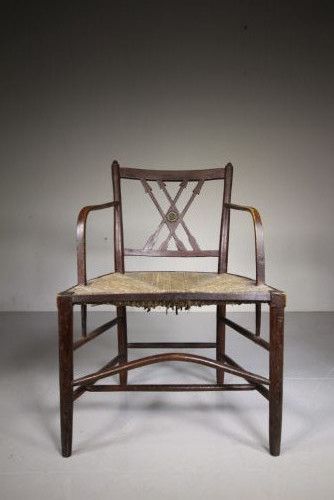
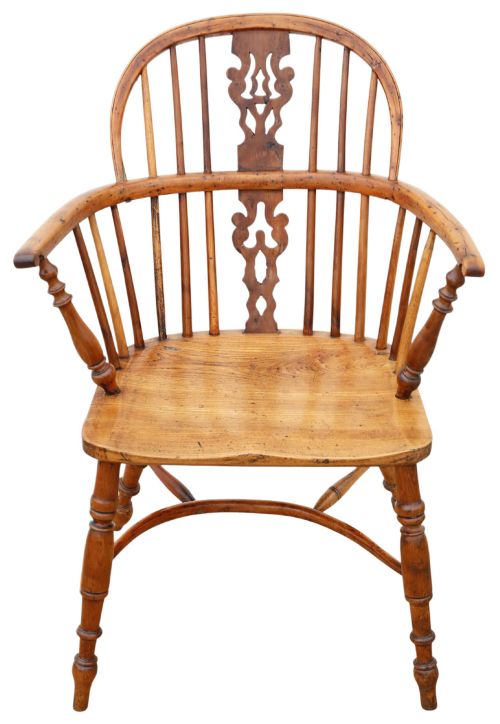
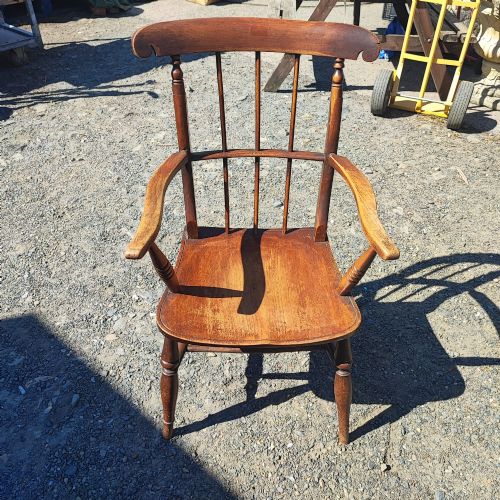
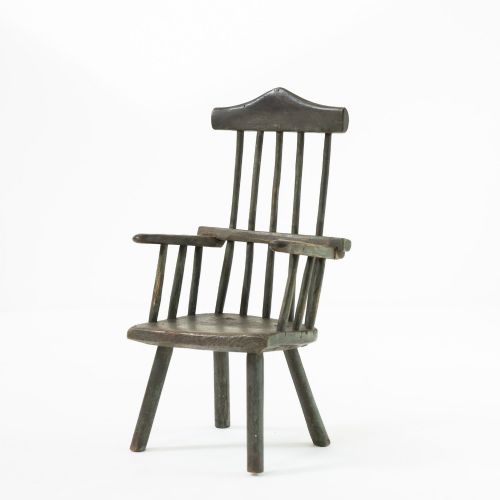
Country Vernacular Chair
A country vernacular chair brings honest regional character to a room, valued for its direct timber construction and unassuming domestic history.
What a country vernacular chair is
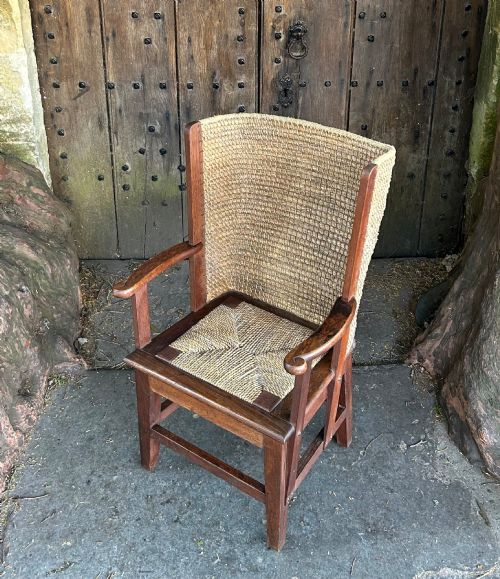
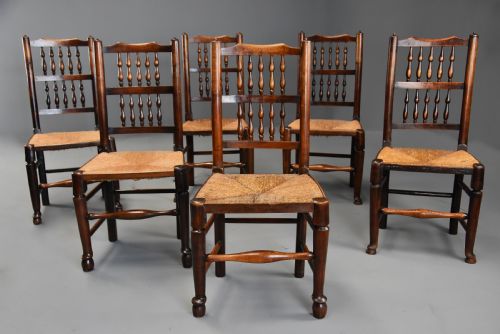
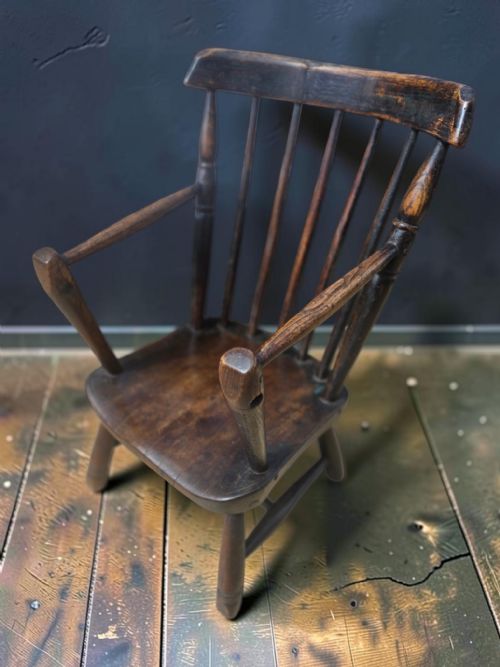
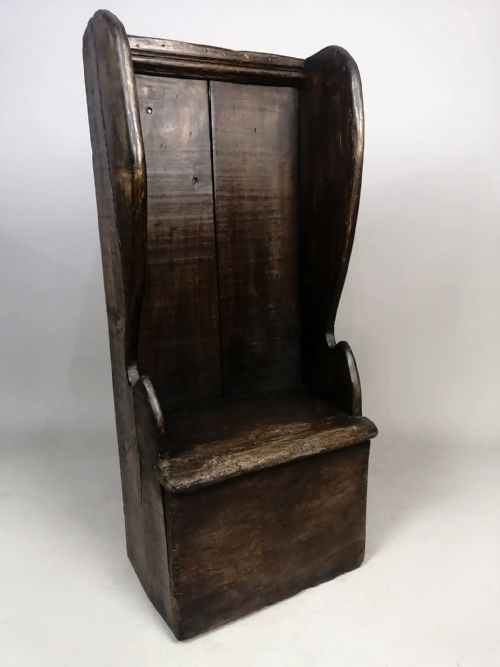
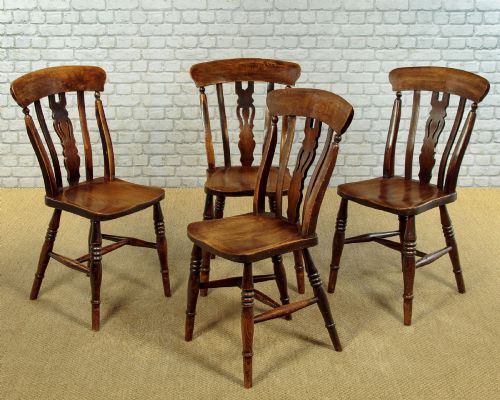
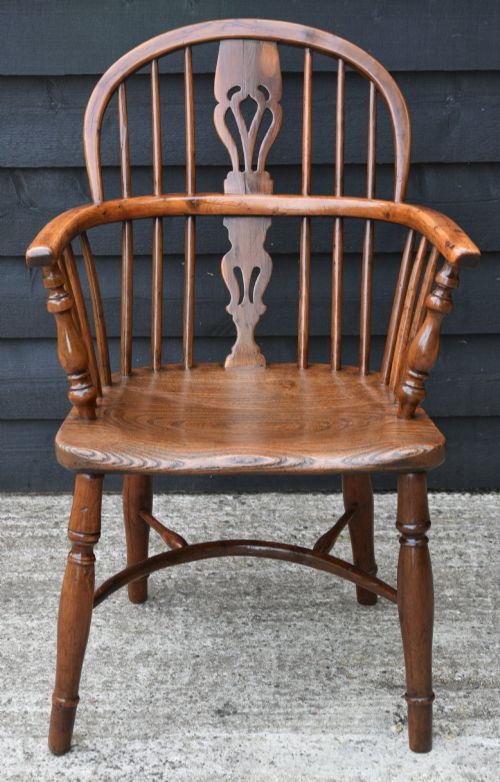
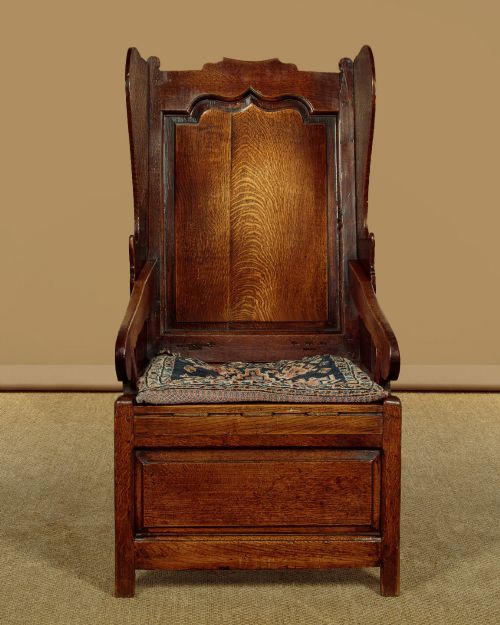
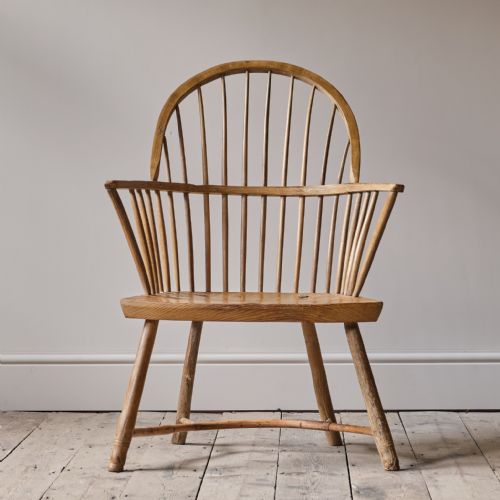
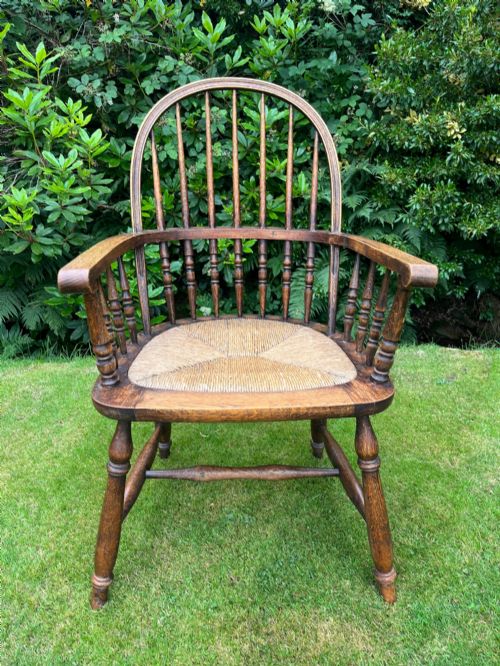
A country vernacular chair encompasses everyday seating made outside metropolitan design centres, drawing on local traditions rather than court fashions. You will find armchairs, high chairs, child's chairs, and dining chairs within this tradition.
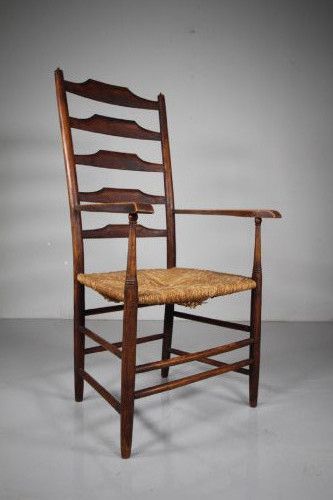
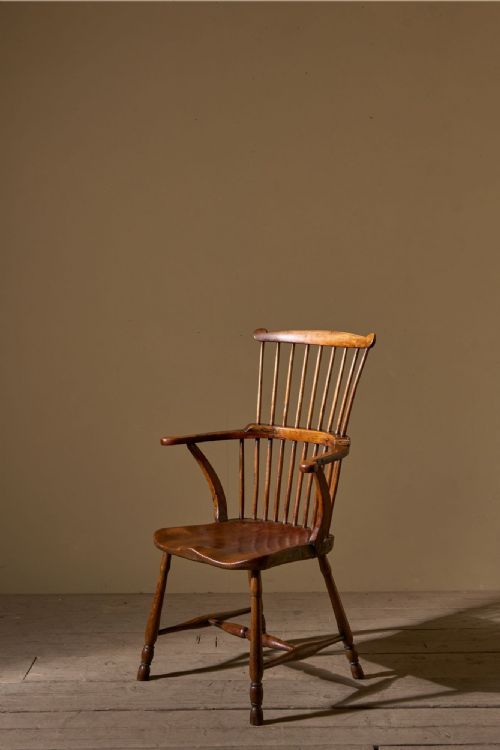
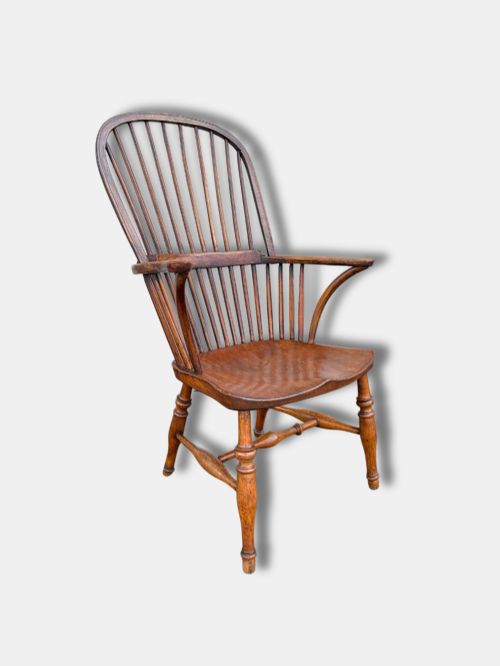
The pieces on this page span the Georgian and Victorian periods, alongside earlier 18th-century examples and mid-century items from 1930. Forms include Windsor armchairs, ladderbacks, and rocking chairs.
Makers working in the country vernacular relied on accessible regional forms, producing sturdy seating for domestic life. These chairs suit modern interiors seeking unpretentious historic texture.
How they were made
Construction relies on solid native timbers, with elm, oak, yew, and ash appearing across the available inventory. Woods were chosen for strength and local availability, often combining different timbers within a single frame.
Seating surfaces incorporate traditional methods, including carved solid timber seats and rush seating. Joinery reflects straightforward regional carpentry, utilising pegged joints and turned spindles without elaborate ornamentation.
Retail Price Guide 2026
Typical UK retail prices for country vernacular chair, calculated from the Sellingantiques database of over a million retail prices indexed since 2003. This retail price guide relies exclusively on Sellingantiques data; no external sources or auction records are used, so the figures do not describe the wider market.
Listings feature elm, oak, yew, and ash across the 18th, 19th, and 20th centuries.
What varies in quality
Quality rests in the integrity of the timber and the honesty of the construction. Superior examples retain their original surfaces and structural balance without excessive replacement parts.
Distinction also lies in regional elaboration, such as sculptural arm details or snake head carvings on Windsor chairs, which elevate a standard utility seat into a piece of folk art.
The Country Vernacular Chair Glossary
- Vernacular
- Local or regional building and craft traditions that reflect everyday needs rather than high-style academic design. This term describes objects made by regional tradesmen for local use.
- Windsor chair
- A chair built with a solid wooden seat into which the legs and back spindles are bored directly. These chairs often feature bentwood hoops and distinct regional turning.
- Ladderback
- A chair back constructed with horizontal slats or rails between two upright posts. This traditional form frequently accommodates rush seating.
- Rush seated
- A seat woven from dried marsh rushes or sedges. This technique creates a resilient and flexible surface common in country seating.
Frequently Asked Questions
What is a country vernacular chair?
A country vernacular chair is a piece of regional domestic seating made by local craftsmen using traditional methods and native timbers. These chairs prioritize utility and local style over grand metropolitan fashions.
You will encounter forms ranging from Windsor armchairs to ladderback high chairs, spanning the 18th, 19th, and early 20th centuries.
Are these chairs comfortable for daily use?
Many country chairs offer surprisingly supportive seating, particularly Windsor designs with sculpted wooden seats shaped to the body. Rush seats also provide a degree of natural give.
When considering daily use, check the stability of the joints and the height of the seat relative to modern tables.
Which woods were used?
Makers utilised native hardwoods and softwoods available in their immediate regions. Elm, oak, yew, and ash appear frequently in these vernacular pieces.
Different timbers were often combined within the same chair, using denser woods for high-stress components like legs and spindles.