
Period Country Furniture
Period country furniture encompasses honest domestic timber pieces made for everyday utility across the seventeenth and eighteenth centuries.
Period Country Furniture
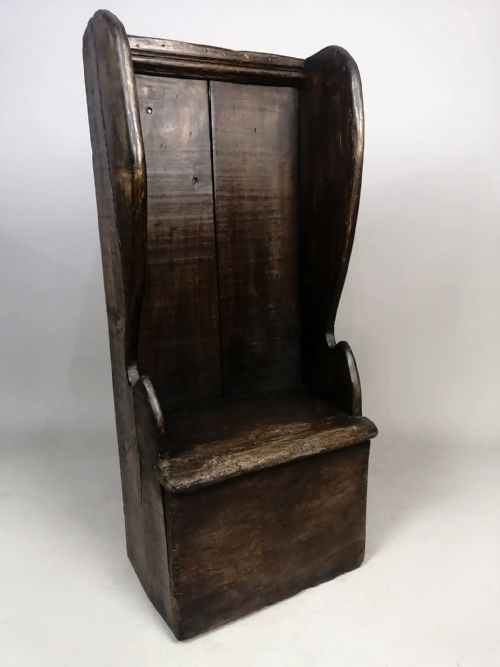
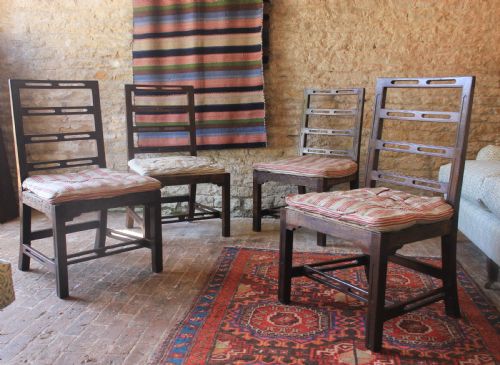
Period country furniture bridges the gap between domestic utility and vernacular craftsmanship, spanning the seventeenth, eighteenth, and early nineteenth centuries. When exploring period country furniture, buyers encounter robust forms built for regional farmhouses, cottages, and country houses rather than grand urban salons.
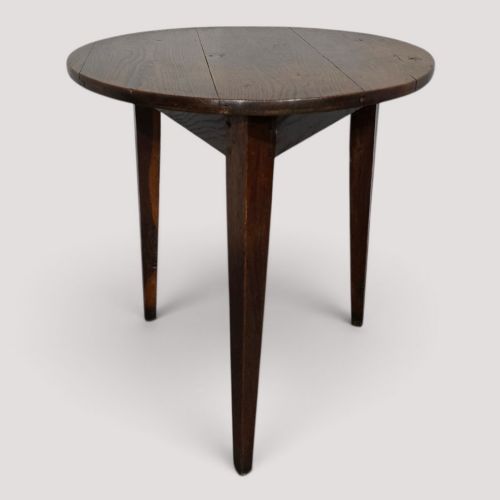
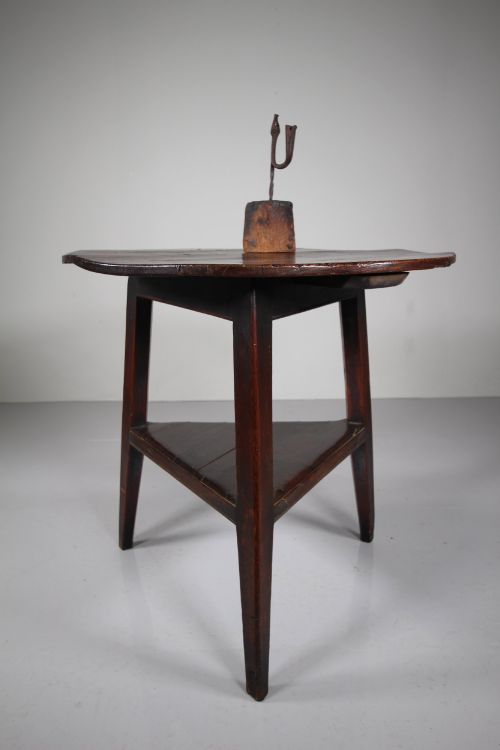
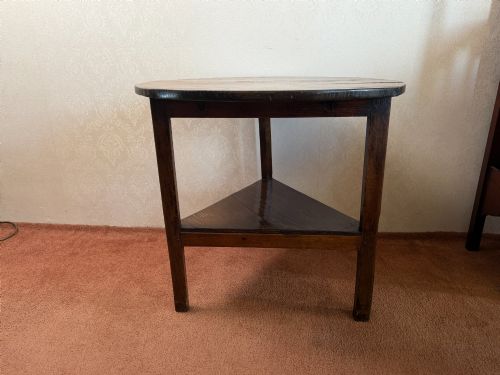
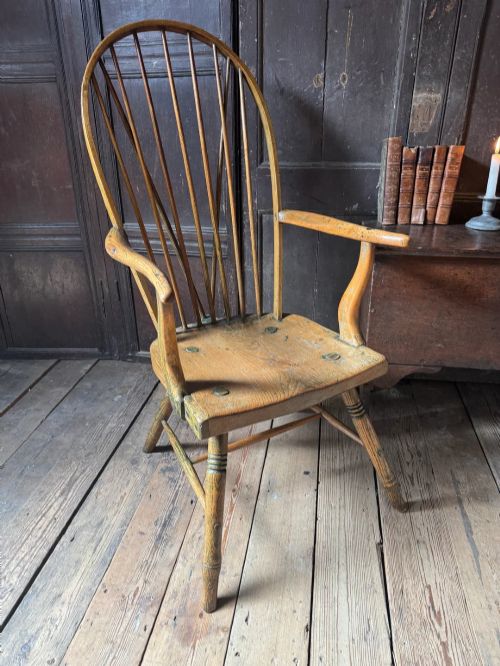
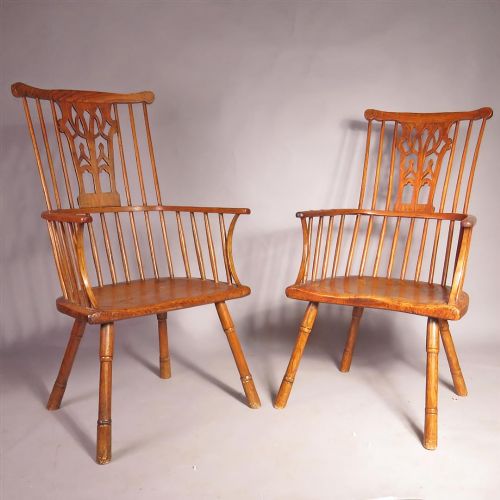
Regional variations emerge strongly through vernacular seating and tables, including cricket tables, comb-back Windsors, and lowboys. These utilitarian items carry the marks of provincial workshops rather than standardised city production.
Materials and Construction
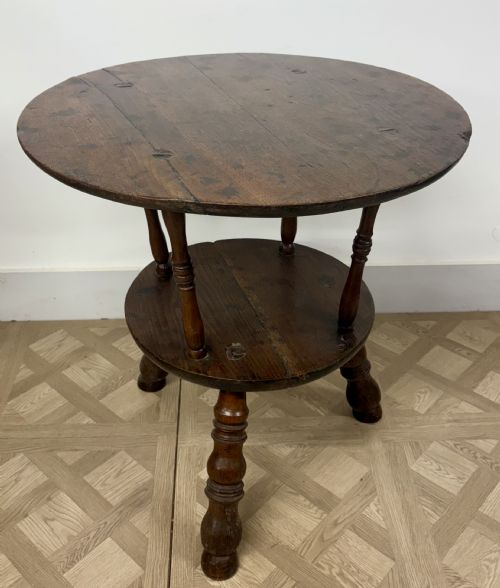
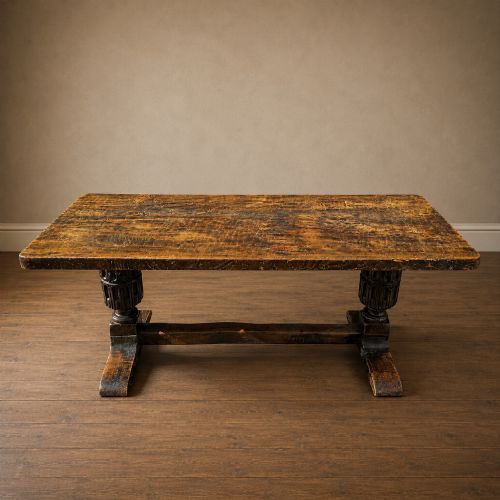
Makers relied on native hardwoods such as oak, elm, ash, and fruitwood, selecting timber for its strength and local availability. Planks were often cleft or sawn by hand, resulting in thick tops like single-plank elm surfaces on refectory tables.
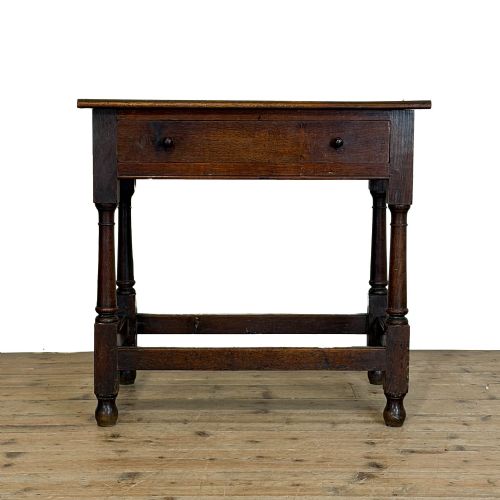
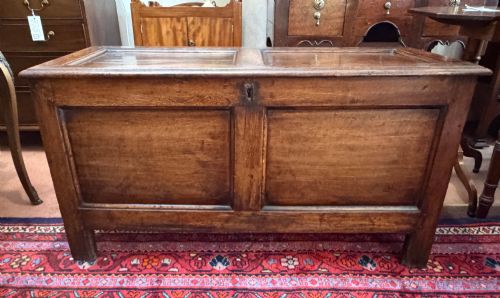
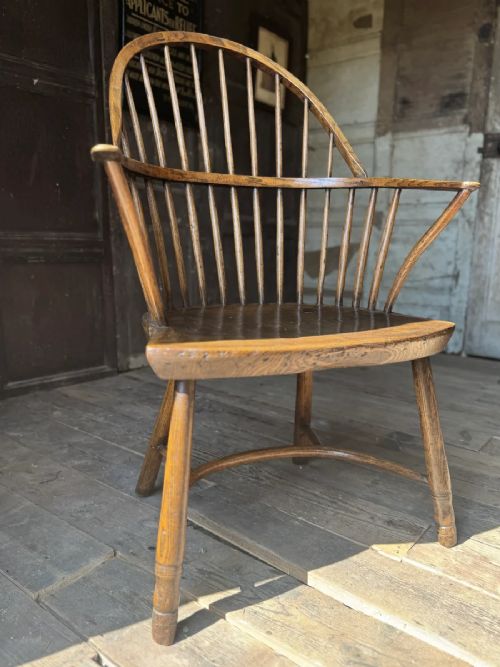
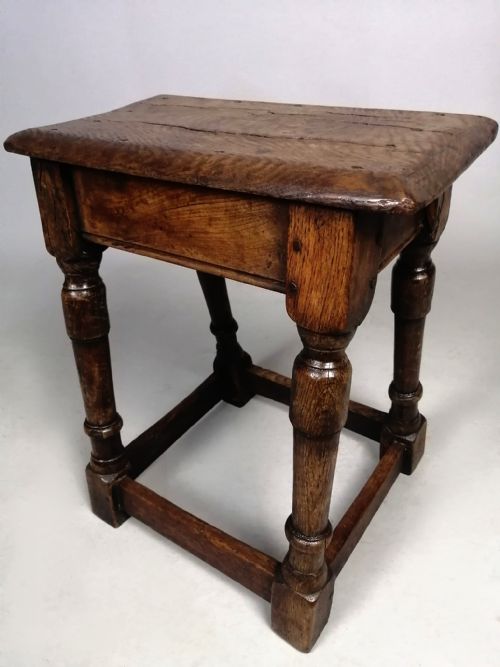
Joinery methods prioritized survival over delicacy, utilising pegged mortise and tenon joints for joint stools, settles, and coffers. Windsor chairs employed turned ash or elm undercarriages with bentwood hoops, frequently secured with wedges and crinoline stretchers.
Period Country Furniture Retail Price Guide 2026
Typical asking prices for period country furniture among the pieces listed under this phrase on Sellingantiques today, from the lower quarter to the upper quarter. They describe what is for sale here now, not the wider market.
Listings feature seventeeth-century, eighteenth-century, and Georgian periods alongside materials like oak, elm, ash, and brass.
Assessing Quality and Character
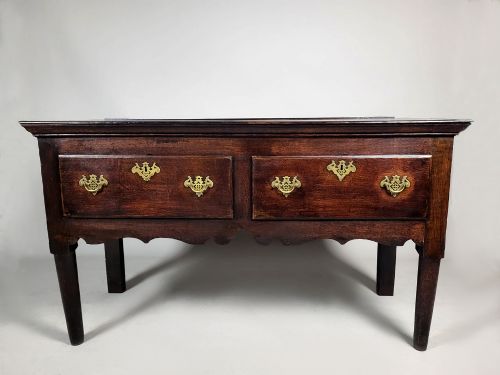
Quality in these domestic pieces rests upon the integrity of the timber and the honesty of the construction. Retaining original brasses on chests and dressers elevates a piece, while later replacements or heavy timber swaps alter the historical balance.
Proportion and patination dictate the visual success of vernacular objects. A surface that has aged naturally through centuries of use holds greater appeal than one stripped or heavily refinished.
The Period Country Furniture Glossary
- Cricket table
- A small, light three-legged table, typically constructed from oak or ash. These tables gained stability on uneven flagstone floors due to their tripod design.
- Joint stool
- A sturdy wooden seat built with pegged mortise and tenon joinery rather than turned legs glued together. They served multipurpose roles as seating or small side surfaces.
- Coffer
- A large wooden chest used for storing valuables, textiles, or documents, often constructed from six plain boards or paneled framework. Early examples date back to the sixteenth century.
- Lowboy
- A small side table featuring one or more rows of drawers beneath the top surface. They functioned variously as dressing tables or serving surfaces in country houses.
- Crinoline stretcher
- A curved wooden brace connecting the legs of a Windsor armchair below the seat. It provides structural reinforcement while resembling the shape of mid-nineteenth-century hooped petticoats.
Period Country Furniture: Frequently Asked Questions
How do I care for antique oak?
Antique oak benefits from stable indoor humidity and protection from direct sunlight to prevent timber shrinkage and splitting. Regular dusting with a dry cloth keeps the surface clean without requiring heavy polishes.
Applying a traditional beeswax sparingly helps nourish dry timber and maintains the natural historic patination built up over centuries.
How are regional chairs identified?
Regional chairs often display specific structural traits linked to geographic workshops, such as West Country Windsor designs or Welsh stick-back construction. Wood choices, like elm seats combined with ash spindles, point to local timber traditions.
Undercarriage stretchers and hoop shapes also vary by district, helping distinguish West Country pieces from other vernacular styles.
Can I use these pieces daily?
These robust utilitarian items were originally designed for rigorous everyday service in historic homes. Solid timber construction in tables, joint stools, and chests allows them to handle contemporary domestic use.
Placing felt pads beneath heavy items and avoiding extreme temperature fluctuations ensures these historic surfaces remain stable for modern living.