


Solid Elm Table
A solid elm table brings warmth and rich grain to a room, offering sturdy utility shaped by centuries of country craftsmanship.
Solid Elm Table
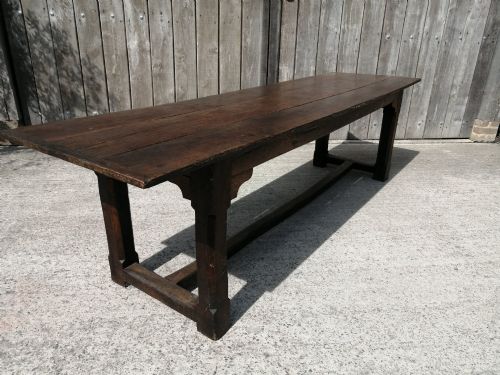
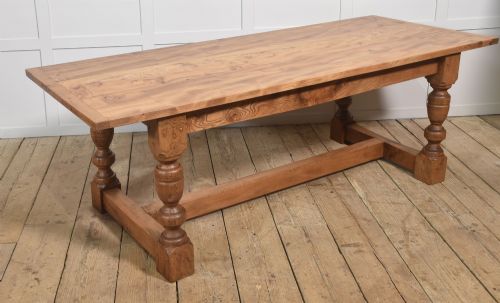
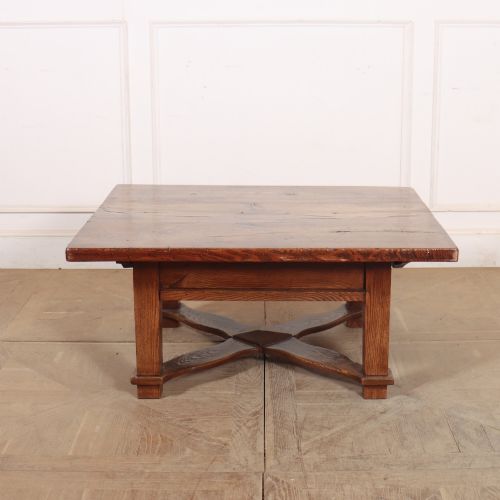
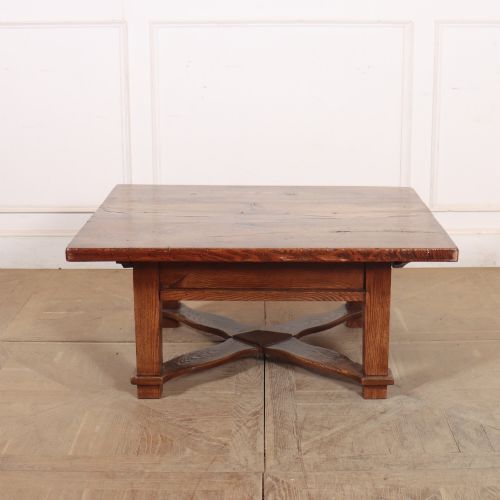
A solid elm table encompasses everything from generous refectory dining boards to compact tripod coffee tables. Buyers searching for a solid elm table often seek the hearty character found in country houses, farmhouses and vernacular workshops.
The pieces on this page span the eighteenth and nineteenth centuries, alongside specific styles like George I, Arts and Crafts and Austrian or French country origins. Refectory formats and cricket tables dominate the selection, built for daily use in kitchens and dining spaces.
Timbers range from straight-grained elm to highly figured burr elm, giving each surface a distinct pattern of interlocking fibres. Whether handling a large dining surface or a low coffee table, the core appeal remains the tough, resilient nature of the wood.
Materials and construction methods
Makers utilised solid elm alongside oak for structural frames and supports, relying on the timber's natural resistance to splitting under pressure. Because elm grain twists and resists straight cutting, joinery required deep understanding from country carpenters.
Surfaces often feature pegged joints, trestle bases and tripod legs secured with traditional wedged tenons. Live edge cuts and burr sections appear where the woodworker chose to highlight natural irregularities rather than hiding them behind veneer.
Elm was historically chosen for water pipes and coffin boards because it refuses to rot when kept permanently wet.
Distinguishing finer examples
Quality rests in the choice of timber figure, particularly where rich burr elm or wide single planks demonstrate the tree's scale. Lesser pieces rely on standard utility boards, whilst superior examples show careful matching of grain across top boards and sturdy, well-balanced underframes.
Proportion and the integrity of the original joints dictate how well a table survives centuries of heavy domestic work. Refinement shows in the hand-planed smoothing of the surface and the subtle tapering of legs rather than purely mechanical production.
The Solid Elm Table Glossary
- Refectory table
- A long, narrow dining table traditionally used for communal meals. These forms often feature heavy stretcher bases to prevent the long elm planks from warping.
- Cricket table
- A small, lightweight three-legged table designed for uneven cottage floors. The three-legged format ensures the table stays balanced without rocking.
- Burr elm
- A growth deformity on the elm tree that produces swirling, highly decorative wood grain. Cabinet makers prize this timber for small tabletops and decorative panels.
- Live edge
- A style of furniture design that incorporates the natural outer edge of the tree into the design of the table. This technique highlights the organic shape of the timber.
- Tripod table
- A small occasional table supported by a central pillar resting on three spreading feet. These pieces often feature tilt-top mechanisms for storage against a wall.
Solid Elm Table: Frequently Asked Questions
How do I care for solid elm?
Keep wooden surfaces away from direct heat sources and sudden humidity shifts to prevent movement in the grain.
Feed the timber periodically with natural wax to preserve the moisture and highlight the rich figuring of the wood.
Can I use an antique elm table daily?
These tables were originally built for hard kitchen and farmhouse work, making them remarkably durable for modern dining.
Use protective mats for hot dishes to safeguard the historic polish and timber surface from unnecessary marking.
What is the difference between elm and oak?
Elm possesses a characteristic interlocking, twisted grain that resists splitting, whilst oak tends to have straighter rays and medullary flakes.
Country makers often combined both timbers, using oak for rigid structural frames and elm for tough table tops.
How do I date an elm table?
Examine the underside and joints for hand-tool marks, pegged construction details and the overall wear patterns on the feet.
Styles such as George I cabriole legs or Arts and Crafts cross bases offer clear stylistic markers for specific periods.