







Elm Coffee Table
An elm coffee table brings rich grain and honest utility to a room, drawing on centuries of vernacular design.
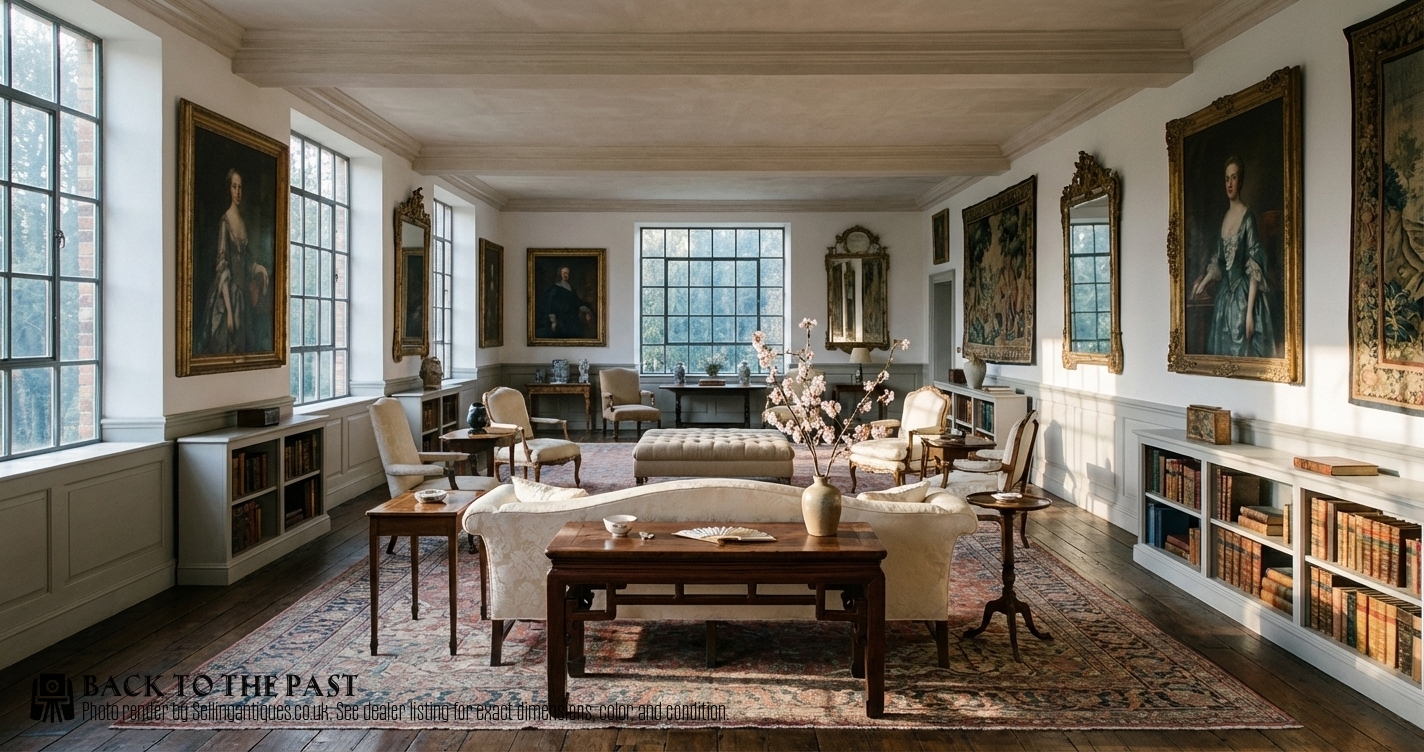
Elm Coffee Table
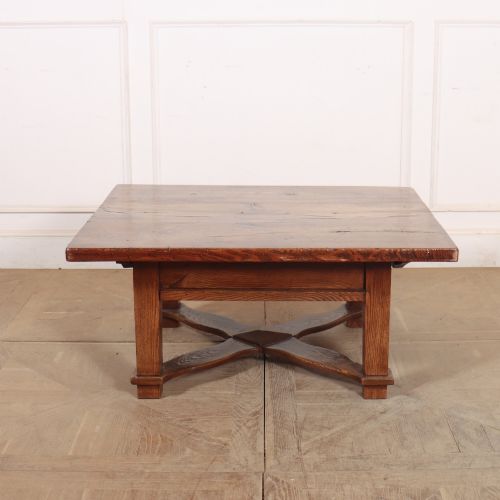
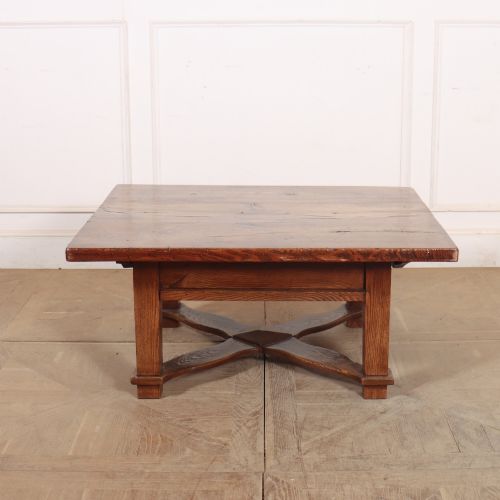
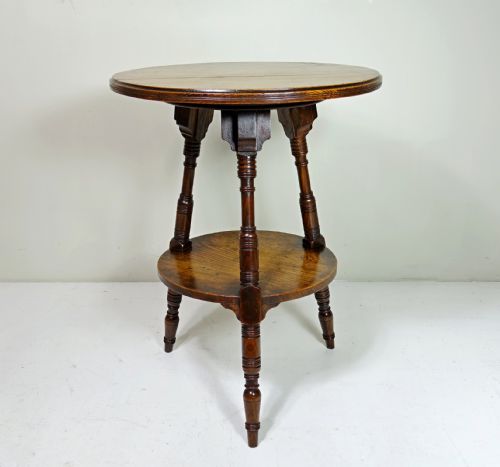
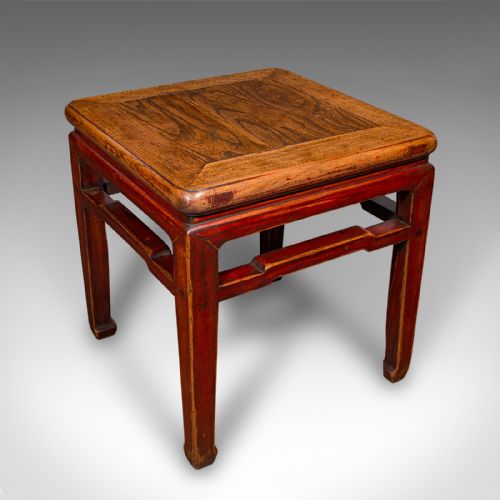
When you search for an elm coffee table, you encounter low surfaces adapted from domestic benches, chests, and low tables. The selection ranges from English country plank tables to nineteenth-century Chinese low tables and scrubbed French country pieces.
You are most likely to meet seventeenth-, eighteenth-, and nineteenth-century examples alongside early twentieth-century interpretations. These forms often began life as dough bins, pig benches, or blanket chests before finding a second life as coffee tables.
Materials and Construction
Makers utilised solid elm timber, often prized for its twisted grain and resistance to splitting in damp conditions. Workshops combined this with sycamore, birch, and oak, occasionally pairing burr elm panels with brass or iron hardware such as hasps and carrying hoops.
Construction relies on sturdy peg joints, trestle frames, and thick planks designed for heavy domestic labour. Surfaces range from scrubbed raw timber to polished lacquer and warm French finishes.
Elm Coffee Table Retail Price Guide 2026
Typical asking prices for elm coffee table among the pieces listed under this phrase on Sellingantiques today, from the lower quarter to the upper quarter. They describe what is for sale here now, not the wider market.
Several pieces began as furniture for kneading bread or resting pigs before retiring to the sitting room.
Assessing Quality in Elm
Quality rests in the character of the timber grain and the integrity of the original construction. Burr elm displays complex, swirling patterns that elevate a simple low form into a striking focal point.
Proportion and surface patination dictate the standing of a piece. Tables retaining their original scrubbed or polished surfaces without excessive intervention command greater appreciation.
The Elm Coffee Table Glossary
- Burr elm
- An abnormal growth on an elm tree that produces highly figured, knotted timber. Cabinet makers prized this wood for decorative veneers and table tops.
- Dough bin
- A deep wooden box with a lid, historically used for kneading bread dough. Many survive converted into low tables with hinged storage.
- Trestle table
- A table consisting of two or more support frames connected by a horizontal beam. This form provides sturdy support for thick timber planks.
- Pig bench
- A low wooden bench used in agricultural settings, often adapted for domestic use as a coffee table due to its low height.
- Kang table
- A low Chinese platform table designed for sitting or kneeling on heated brick beds. These forms are frequently repurposed as low coffee tables.
Elm Coffee Table: Frequently Asked Questions
How do I care for an elm coffee table?
Keep the timber away from direct heat sources and sudden temperature shifts to prevent the thick planks from splitting.
Feed the wood with a natural wax periodically to maintain the surface sheen and protect the grain.
Are these tables originally made as coffee tables?
Most older examples started as something else entirely, such as benches, blanket chests, or low provincial dining tables.
Makers and collectors later adapted these low forms to suit modern living rooms as coffee tables.
How can I tell an 18th-century elm table from a later one?
Look closely at the joinery, tool marks, and the way the timber has worn and weathered over generations of use.
Hand-cut pegs and irregular board widths generally point towards earlier craftsmanship compared to uniform twentieth-century production.
Why is elm wood used for these tables?
Elm timber possesses an interlocking grain structure that makes it remarkably tough and difficult to split under heavy pressure.
This durability made it the natural choice for hardworking agricultural furniture that needed to withstand daily toil.