






Qing Dynasty Low Table
A qing dynasty low table brings grounded Chinese craftsmanship into a modern room, offering low-level display space with historic character.
Qing Dynasty Low Table
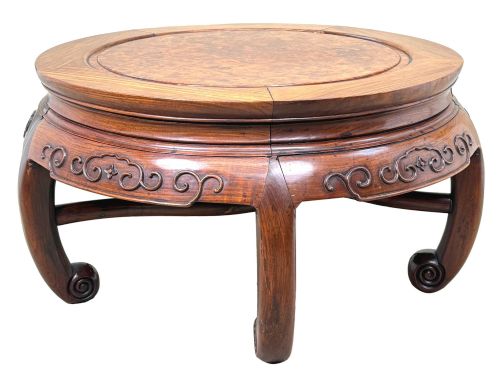
Buyers will frequently encounter low kang tables, opium tables, and small display stands or jardiniere supports. These items serve varied functions as coffee tables or ornamental stands within contemporary spaces.
Materials and construction methods
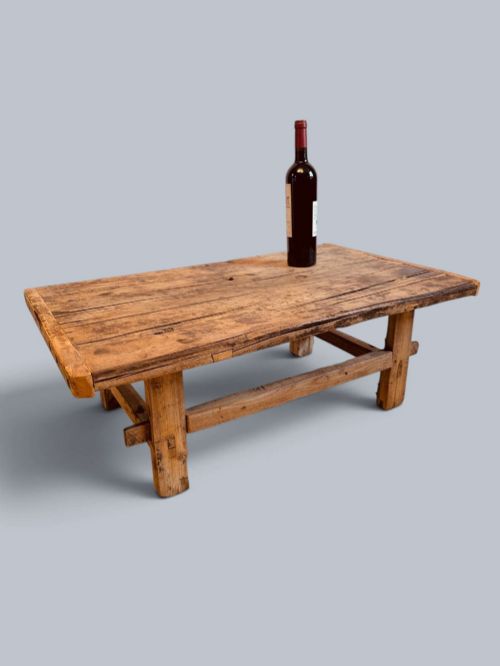
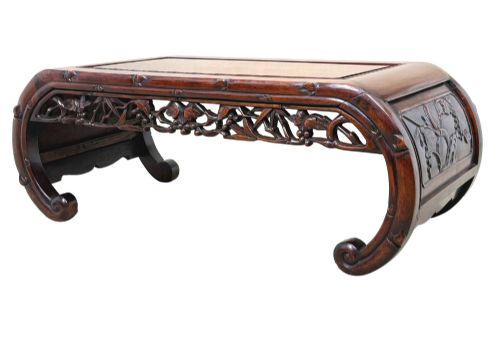
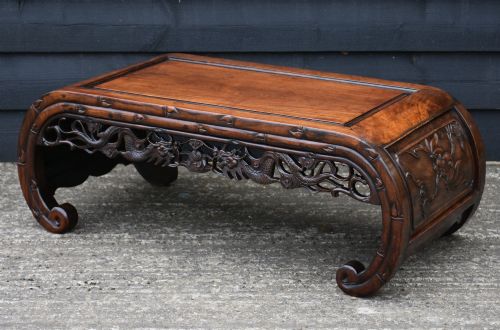
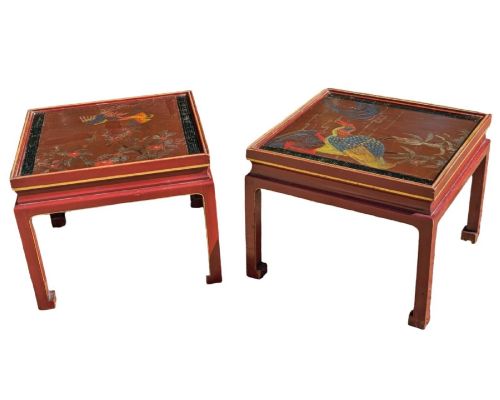
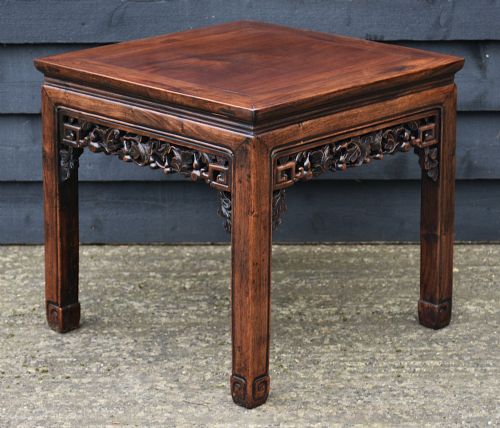
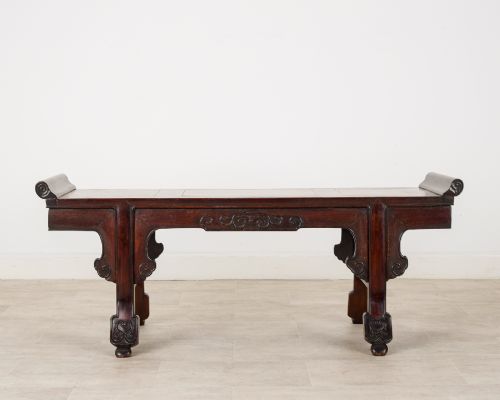
Construction relies heavily on timbers such as elm, rosewood, and general hardwood, shaped into low forms with traditional joinery. Artisans applied red lacquer finishes or incorporated carved dragon details to enrich the wooden surfaces.
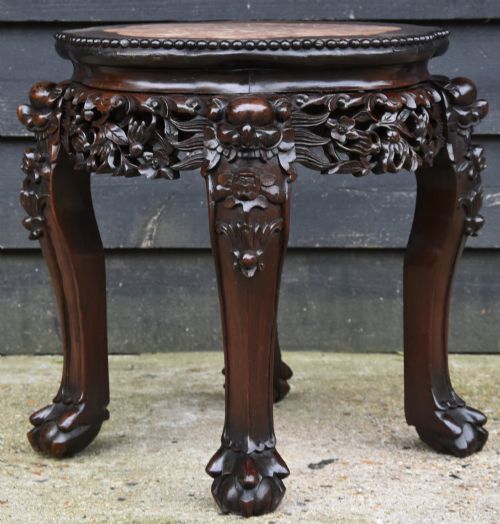
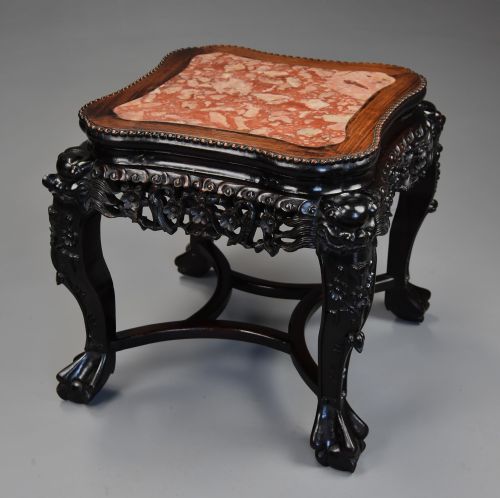
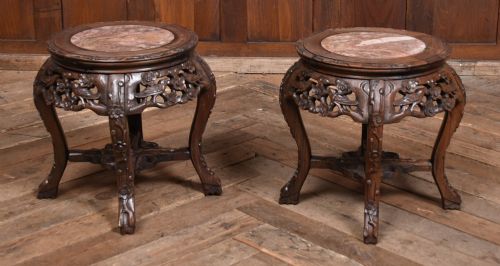
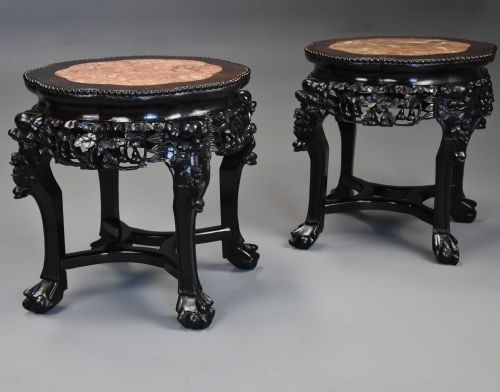
Certain examples integrate inset marble tops within carved wooden frames, adding contrasting textures and smooth surfaces to the low wooden structures.
Qing Dynasty Low Table Retail Price Guide 2026
Typical asking prices for qing dynasty low table among the pieces listed under this phrase on Sellingantiques today, from the lower quarter to the upper quarter. They describe what is for sale here now, not the wider market.
Several low tables arrive with dual identities, listed interchangeably as coffee tables, opium tables, or wine stands depending on the viewer's imagination.
Distinctions in quality and detail
Quality separates simple utilitarian timber frames from intricately carved hardwood pieces featuring detailed scroll-end forms or dragon motifs. The choice of material, ranging from basic elm to dense rosewood, dictates the weight and refinement of the piece.
The presence of specialised elements like inset rouge marble tops or matched pairs elevates the sophistication of the furniture, distinguishing standard domestic items from finer reception or display tables.
The Qing Dynasty Low Table Glossary
- Kang table
- A low platform table traditionally used on a heated brick bed in northern China for dining or writing. These surfaces sit close to the floor and often feature scroll-end forms.
- Opium table
- A common descriptor for compact low wooden tables used in domestic settings. They share similar proportions to kang tables and serve as low coffee tables today.
- Jardiniere stand
- A tall or low decorative stand designed to hold flower pots or plants. In hardwood, these often feature inset marble tops.
- Rosewood
- A dense, heavily figured timber utilised in quality Chinese furniture production. It provides durability and a dark, polished finish.
- Lacquer
- A traditional resin coating applied to wood surfaces in layers. Red lacquer finishes appear on specific period tables to add colour and protection.
Qing Dynasty Low Table: Frequently Asked Questions
How were low tables used originally?
These low tables functioned primarily on raised platforms or beds for serving tea, eating meals, or holding scholar's objects.
Occupants sat on cushions or mats at floor level, making low surfaces practical for daily domestic life.
Can I use an antique low table as a coffee table?
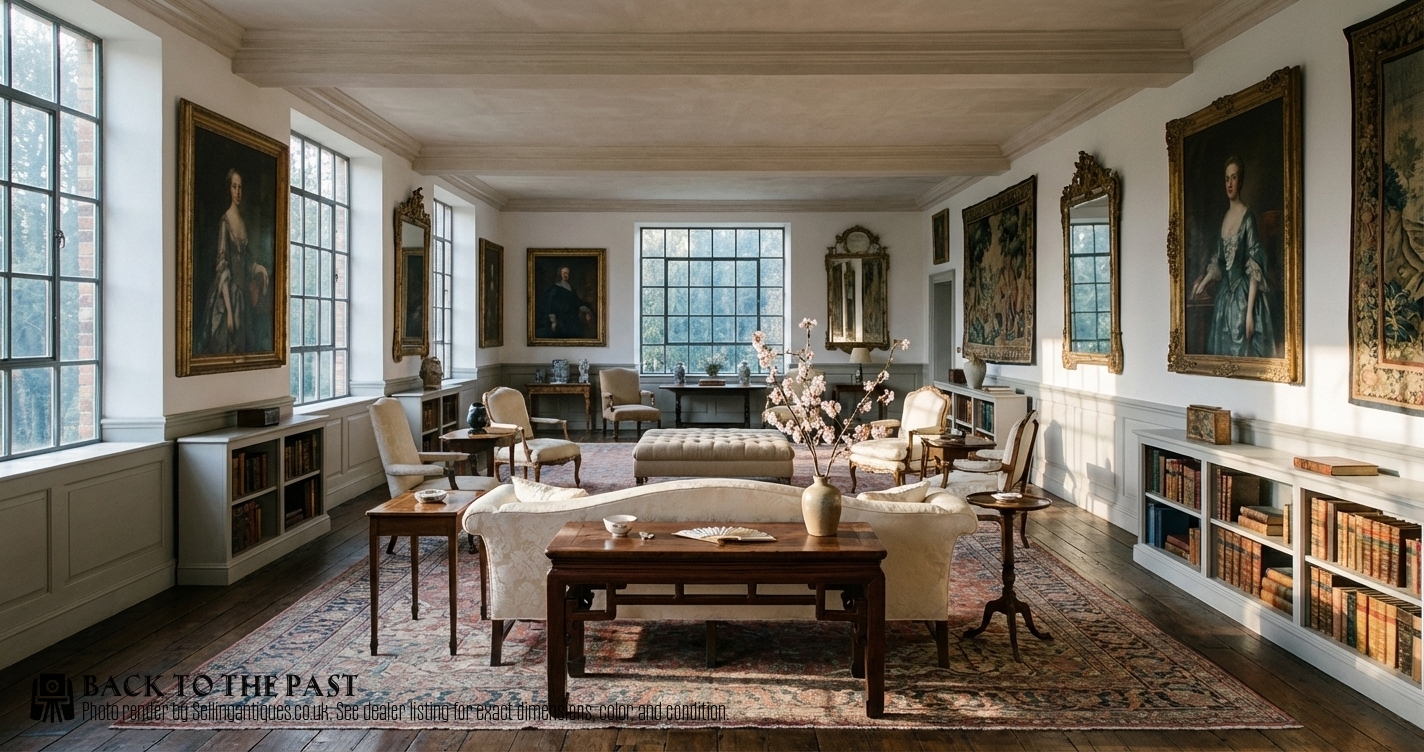
Their low proportions make these pieces suitable substitutes for standard coffee tables in modern seating arrangements.
They pair well with low sofas and contemporary minimalist interiors while providing historical character.
What is a kang table?
A kang table is a specific low table form designed to sit atop a traditional heated brick platform in Chinese homes.
These pieces typically feature short legs and sometimes scroll-end details.
How do I identify nineteenth century pieces?
Nineteenth century examples rely on traditional timber construction methods, including dense hardwoods, elm, and rosewood.
Hand-carved details, red lacquer finishes, and natural wear patterns help distinguish these older pieces from modern reproductions.